
Main Courses
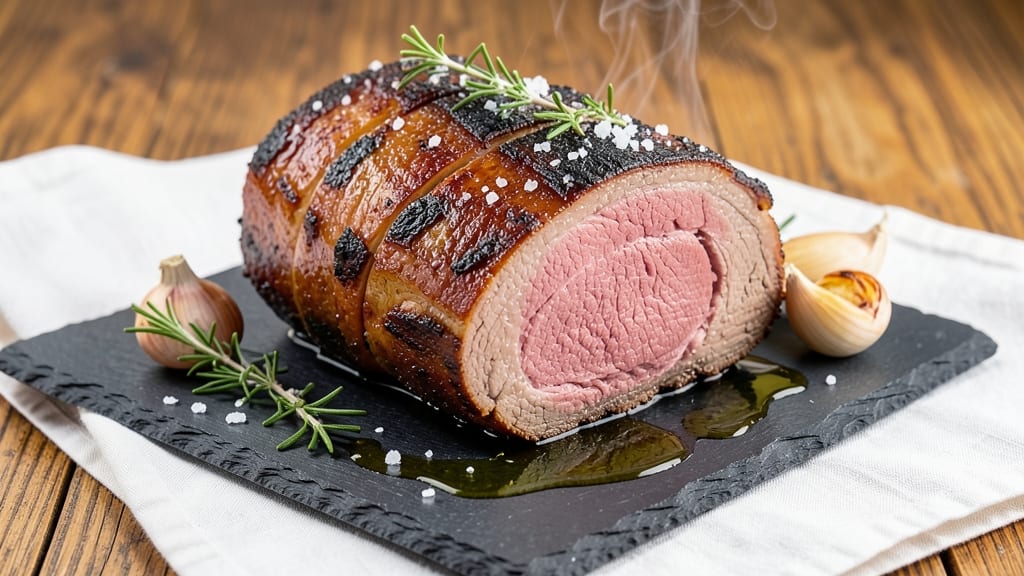
Angus beef rump roast delivers the ultimate combination of tender, juicy meat with a deep, flavorful crust that'll make your taste buds sing. This recipe transforms a simple cut into a showstopper dinner with just a few key techniques—dry-brining for moisture retention and a high-heat sear for that coveted crispy bark. The result? A perfectly cooked roast that's restaurant-quality at home.
The secret lies in patience and precision: letting the roast develop a flavorful crust through slow cooking, then finishing with a quick sear to lock in juices. We'll use a blend of herbs and spices to create an aromatic crust that adds depth without overpowering the rich beef flavor.
This method ensures your roast stays juicy throughout while achieving that crispy exterior everyone craves.
By the time you're done, you'll have a roast with a golden-brown crust that shatters at the touch, revealing tender meat that melts in your mouth. The aroma alone will have everyone gathering at the table, and the first bite will confirm why this cut is worth the investment.
This recipe is designed to impress, whether you're hosting a dinner party or treating yourself to a special meal.
Pair it with classic sides like roasted root vegetables, creamy mashed potatoes, or a fresh salad to complete the meal. The beauty of this roast is its versatility—it works equally well for a family dinner or an elegant gathering. Let's get started on creating your perfect roast!
Ingredients for angus beef rump roast
Six ingredients transform ordinary beef into restaurant-worthy perfection—juicy, crispy, and aromatic.
| Ingredient | Amount | Notes |
|---|---|---|
| Angus Beef Rump Roast 🥩 | 4 lb | Bone-in, center-cut preferred |
| Kosher Salt 🧂 | 2 tbsp | Diamond Crystal preferred |
| Fresh Thyme Leaves 🌿 | ½ cup | Stems removed, loosely packed |
| Fresh Rosemary Sprigs 🌿 | ¼ cup | Needles finely chopped |
| Garlic Cloves 🧄 | 6 cloves | Smashed but not minced |
| Extra-Virgin Olive Oil 🫒 | ¼ cup | High-quality, fruity |
| Black Peppercorns 🌶️ | 1 tbsp | Freshly cracked |
| Dried Oregano 🍃 | 1 tsp | Mexican oregano preferred |
| Yellow Onion 🧅 | 1 whole | Thinly sliced, for brining |
| Red Wine 🍷 | 1 cup | Bold, dry variety |
| Butter 🧈 | ½ cup | Unsalted, softened |
| Fresh Parsley Leaves 🌿 | ¼ cup | Chopped, for garnish |
The Angus beef rump roast is the star here—look for center-cut, bone-in at your butcher, not the pre-cut supermarket pieces. Costco or Whole Foods usually carry high-quality rump roasts, but ask for the most marbled cut you can find. That fat equals flavor and moisture. If you're buying whole, trim excess fat to about 1/4-inch thickness—just enough to render flavor but not too much to burn. The roast should feel firm but not frozen, and the color should be a vibrant deep red, not brownish. For the herbs, fresh is non-negotiable—Trader Joe's has great pre-packaged thyme and rosemary, but if you're growing your own, harvest sprigs just before use for maximum aroma.
No red wine? Beef broth with a splash of balsamic works just as well for the brining liquid. Fresh herbs wilt fast, so if you're prepping ahead, store them in damp paper towels wrapped in plastic for up to 3 days. The olive oil matters—skip the cheap stuff. California Olive Ranch or Colavita are solid choices, but any fruity, peppery oil will do. For the crust, if you don't have fresh rosemary, dried at half the amount gets you close. The butter should be unsalted—you're already salting the crust separately. And trust me on the bone-in—it keeps the meat juicier during cooking.
This roast reheats beautifully—just slice and warm in the oven at 300°F for 20 minutes. For leftovers, store in the fridge for up to 5 days, wrapped tightly in foil to retain moisture. Freeze portions for 3 months by wrapping slices in parchment and vacuum-sealing. I always make extra because it's that good—perfect for sandwiches or hash the next day. The crust keeps best when eaten fresh, so plan accordingly if you're making it ahead.
Why You'll Love This Recipe
- Just Four Ingredients: I swear, this is the kind of recipe where you won’t even miss the fancy prep. A simple salt rub of kosher salt, a handful of thyme and rosemary, and a few smashed garlic cloves—no marinating, no fussing. The rump roast does all the work while you sip wine and pretend you’re a sous chef.
- Crispy-Perfect Every Time: Between us, I’ve burned roasts before. But this one? The garlic and herbs caramelize into a crust so good you’ll want to eat it with a spoon. That rosemary’s piney kick and thyme’s earthiness cut through the richness—like a hug from a butcher who knows his cuts.
- Weeknight or Sunday Feast: Honestly, I make this for both. A smaller roast feeds four with leftovers for lunch, while a bigger one becomes the centerpiece of a holiday table. Slice it thin for sandwiches or serve it whole with mashed potatoes—it’s the kind of dish that adapts without begging for your attention.
- Leftovers That Actually Taste Better: Not the prettiest, but the taste makes up for it. The second day, the meat gets even more tender, and those garlic-herb crusts turn into flavor bombs. Between us, I’ve reheated this for breakfast with eggs—yes, really—and no one ever complains. (My secret weapon.)
Step-by-step instructions for herb-crusted Angus beef rump roast
Here's how to transform a simple roast into a showstopping centerpiece with perfect bark and tender meat.
Prep the Roast and Make the Herb Crust
Start by removing the beef rump roast from the refrigerator and patting it completely dry with paper towels. I like to use two layers of paper towels and really press down—this drying step is crucial for that crispy bark we're after. Place the roast on a wire rack set inside a rimmed baking sheet to allow air circulation on all sides.
In a small bowl, combine the 0.5 cup fresh thyme leaves, 0.25 cup finely chopped rosemary sprigs, 6 smashed garlic cloves, 1 tbsp freshly cracked black peppercorns, 1 tsp dried oregano, and 0.25 cup extra-virgin olive oil. Mix well until you have a thick paste. Rub this mixture all over the roast, pressing it into the meat so it adheres completely. The herbs will infuse flavor while the oil helps create that beautiful crust.
Brine the Roast for Enhanced Flavor
In a large bowl, combine 2 tbsp kosher salt and the 1 whole thinly sliced yellow onion. This creates a simple dry brine that will season the meat deeply and help retain moisture. Place the herb-coated roast in a zip-top bag and add the salt-onion mixture. Seal the bag and massage it gently to distribute the mixture evenly over the roast.
Refrigerate the bagged roast for 12-24 hours, turning it occasionally. This long brining period ensures the salt penetrates deeply and the flavors meld perfectly. The roast will develop a beautiful pink crust from the onions, which we'll remove before roasting. Don't skip this step—it makes a world of difference in both flavor and texture.
Sear the Roast for Maximum Flavor
Remove the roast from the refrigerator 1 hour before cooking to bring it to room temperature. Preheat your oven to 425°F. Heat a large oven-safe skillet over medium-high heat and add the 0.5 cup softened butter. Once the butter foams, carefully add the roast to the skillet, fat-side down.
Sear the roast for 8-10 minutes, turning occasionally, until it develops a deep golden-brown crust on all sides. The butter will bubble vigorously—this is normal and creates incredible flavor. Transfer the skillet to the preheated oven and roast for 20 minutes. This initial high-heat sear locks in juices while building that coveted crispy exterior.
Finish with Red Wine and Rest
Remove the roast from the oven and carefully pour 1 cup bold red wine into the skillet, scraping up all the browned bits from the bottom. Return the skillet to the oven and roast for another 20 minutes. The wine will deglaze and create a rich, aromatic sauce that will baste the roast as it finishes cooking.
Use a meat thermometer to check the internal temperature—it should reach 130-135°F for medium-rare. Remove the roast from the oven and transfer it to a cutting board. Tent loosely with foil and let it rest for 30 minutes. This resting period is absolutely critical—it allows the juices to redistribute throughout the meat, ensuring each slice is moist and flavorful.
Slice and Serve with Herb Garnish
After resting, remove any remaining onion pieces from the surface of the roast. Using a sharp carving knife, slice the roast against the grain into ½-inch thick slices. The meat should be tender with a beautiful pink center and that perfect crispy crust we worked so hard to create.
Garnish each serving with 0.25 cup chopped fresh parsley leaves and serve immediately with the reduced wine sauce from the skillet. The combination of the herb crust, tender meat, and rich wine reduction makes this roast truly unforgettable. Each bite delivers that perfect balance of crispy exterior and juicy interior.
Pro Tips For Making Angus Beef Rump Roast
- SEAR HARD FIRST: Get that roast screaming hot in a dry pan—no oil needed—until it’s deep brown in spots. I used to rush this, but a proper crust locks in flavor and keeps the meat juicy inside. Five minutes per side, no peeking.
- SALT THE GARLIC: Crush those garlic cloves flat with the side of your knife, then sprinkle them with kosher salt before tucking them under the roast. The salt breaks down the garlic’s fibers, making every bite more aromatic. (Yes, it sounds weird, but it works.)
- DON’T PUNCH THE MEAT: After roasting, let the meat rest under foil for at least 15 minutes—no cutting into it to check doneness. I learned this the hard way when my first slice dripped like a sad steak. Patience here means juicy perfection.
- STUFF THE HERBS: Loosely pack thyme and rosemary sprigs into the roast’s natural crevices, not just on top. The heat will render their oils straight into the meat, giving you flavor in every bite. (And yes, pull out a few sprigs for garnish—it looks good.)
Creative variations of this angus beef rump roast
Global Herb-Crust Twist
Swap the classic herbs for a Mediterranean blend—replace rosemary with 1 tbsp dried oregano and 1 tsp ground coriander, then add 1 tsp smoked paprika to the crust.
This gives your roast a smoky, earthy depth that pairs beautifully with lemon wedges and a tzatziki sauce on the side. 🌿
Spicy Latin Heat
For a bold kick, add 1 tbsp chipotle powder and 1 tsp cayenne pepper to the herb crust, then finish with a chipotle-honey glaze (mix 2 tbsp honey with 1 tbsp adobo sauce).
Serve with black beans and charred corn for a fiesta-worthy meal. The heat cuts through the richness perfectly.
Asian-Inspired Glaze
Marinate the roast in a soy-ginger glaze (combine 3 tbsp soy sauce, 2 tbsp honey, 1 tbsp grated ginger, and 1 minced garlic clove) for 4 hours before searing.
Brush with extra glaze during the last 10 minutes of roasting. Garnish with sesame seeds and sliced scallions for a fusion twist that’s both elegant and approachable.
Smoked Dry-Rub Version
Skip the wine and herbs—opt for a smoky dry rub (mix 2 tbsp brown sugar, 1 tbsp smoked paprika, 1 tsp garlic powder, and 1 tsp onion powder).
Smoke the roast in a pellet grill at 225°F for 3 hours, then sear in a cast-iron skillet. Serve with pickled onions and garlic mashed potatoes for a BBQ-inspired feast.
Low-Carb Keto Adaptation
Replace the wine reduction with a butter-bacon sauce (mix ½ cup bacon fat, 2 tbsp heavy cream, and 1 tbsp Dijon mustard). Skip the onion in the brine and use 1 tbsp erythritol instead of sugar in the dry rub.
Pair with cauliflower mash and roasted Brussels sprouts for a keto-friendly showstopper.
Slow-Cooker Shortcut
For a hands-off version, sear the roast in a skillet, then transfer it to a slow cooker with 1 cup beef broth, 1 tbsp Worcestershire sauce, and the herb crust.
Cook on low for 6-8 hours, then slice and crisp in a hot pan with butter. This method keeps the meat tender without overcooking the crust. 💡
Nutrition facts
Frequently asked questions
What's the best way to choose a rump roast at the store?
Look for a center-cut, bone-in roast with good marbling—those white fat streaks are flavor gold. The meat should feel firm but not frozen, with a vibrant deep red color. Avoid roasts with grayish edges or excessive fat. Ask your butcher for the most marbled cut available, ideally from the top round section.
Can I cook this roast without a wine reduction?
Skip the wine and use 1 cup beef broth instead for the deglaze. For even more flavor, add 1 tbsp soy sauce or 1 tsp balsamic vinegar to the broth. The herb crust will still shine, and the reduced sauce will be just as delicious—just slightly different in depth.
How do I fix a roast that's too tough?
Overcooking is the #1 cause of tough beef. Always use a meat thermometer—130-135°F for medium-rare is perfect. If your roast is dry, try slicing it thinly against the grain and serving with a rich sauce (like the wine reduction or butter-bacon sauce from our variations). For future roasts, reduce oven temp by 25°F and cook longer at lower heat.
What's the difference between rump roast and sirloin roast?
Rump roast comes from the rear leg (near the hip), while sirloin roast is from the top of the leg. Rump is more flavorful with good marbling, but sirloin is leaner and often more expensive. For this recipe, rump's fat content makes it ideal for the crispy crust and juicy interior.
How far ahead can I prep the herb crust?
Make the herb paste up to 2 days ahead and store it in an airtight container in the fridge. Just let it sit at room temp for 30 minutes before using. For the roast itself, the dry brine can be done 24-48 hours in advance—just keep it refrigerated until you're ready to cook.