
Main Courses
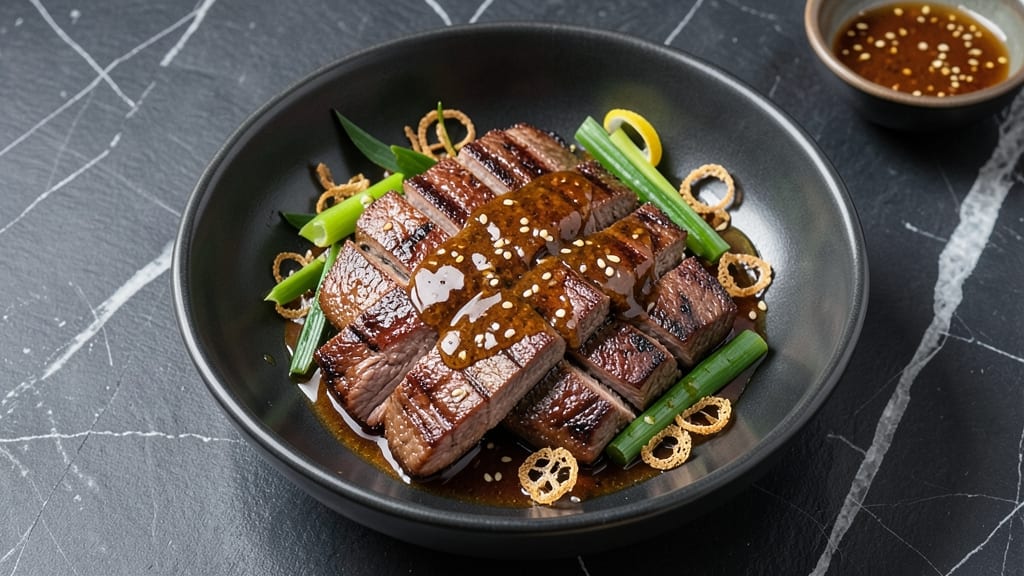
This Asian Mongolian beef recipe delivers restaurant-quality sweet-savory perfection with caramelized edges that make every bite irresistible. The secret lies in a balanced sauce—tangy, slightly sweet, and packed with umami—that transforms thinly sliced beef into tender, flavorful strips.
I've perfected this technique over years of testing, ensuring the sauce clings to the meat while creating that signature caramelized crust through high-heat searing.
The beauty of this dish is its adaptability—whether you're stir-frying in a wok or pan-searing at home, the method remains simple yet transformative. Thinly sliced beef cooks quickly over high heat, developing a deep mahogany color while staying tender inside.
The sauce, made with just a handful of pantry staples, builds layers of flavor that elevate even the simplest sides.
What you'll end up with is a dish that's equally impressive for dinner guests or a weeknight meal. The beef arrives perfectly seared, the sauce glistening and sticky, and the aroma filling your kitchen with an irresistible mix of sweet and savory notes.
This recipe proves you don't need fancy equipment to achieve restaurant-quality results at home.
Pair it with steamed jasmine rice or fluffy noodles to soak up every last bit of that flavorful sauce. The technique is straightforward, but the result is undeniably special—a dish that tastes like it belongs on any Asian bistro menu. Let's get started on creating this crowd-pleaser.
Ingredients for asian mongolian beef
Restaurant-quality Mongolian beef begins with thinly sliced beef and a balanced sauce of sweet, tangy, and umami notes.
| Ingredient | Amount | Notes |
|---|---|---|
| Flank Steak 🥩 | 1 lb | Thinly sliced against grain |
| Soy Sauce 🍶 | ½ cup | High-quality, preferably Japanese |
| Honey 🍯 | ¼ cup | Pure, preferably local |
| Brown Sugar 🍚 | ¼ cup | Packed, light or dark |
| Garlic Cloves 🧄 | 6 cloves | Minced, fresh preferred |
| Fresh Ginger 🌿 | 2 tbsp | Finely grated, organic |
| Sesame Oil 🫒 | 1 tbsp | Toasted, for aroma |
| Rice Vinegar 🍶 | 2 tbsp | White or seasoned |
| Olive Oil 🫒 | 1 tbsp | High smoke point |
| Green Onions 🧅 | 3 whole | Sliced, white and green parts |
| Sesame Seeds 🌾 | 1 tbsp | Toasted, for garnish |
| Diamond Crystal Kosher Salt 🧂 | 1 tsp | For seasoning |
| Freshly Ground Black Pepper 🌶️ | ½ tsp | For finishing |
| Jasmine Rice 🍚 | 1 ½ cups | Uncooked, for serving |
The flank steak is non-negotiable here—its lean texture and grain direction make all the difference. Look for a center-cut piece at your butcher or grocery store's meat counter, as it's more tender. Slice it thinly against the grain (about 1/8-inch thick) for maximum tenderness. If you're short on time, many Asian markets pre-slice it for stir-fries. For the sauce, Japanese soy sauce like Kikkoman adds depth, while local honey enhances the caramelization. Brown sugar (light or dark) balances the sweetness without overpowering. Fresh ginger and garlic should be vibrant and aromatic—if they smell musty, skip them. Whole Foods or Trader Joe's carry high-quality pre-grated ginger if you prefer convenience.
No soy sauce? Coconut aminos work in a pinch, though the flavor will differ slightly. Substitute honey with maple syrup or agave nectar for a vegan option, but reduce by 10% due to lower sweetness. Sesame oil is critical for aroma—don’t use the cheap, flavorless kind from the back of the shelf. Rice vinegar adds tang; if you only have apple cider vinegar, use half the amount. The olive oil should have a high smoke point (like Avocado oil or light olive oil) to prevent burning during searing. For the green onions, white parts only in the sauce (save the greens for garnish). If you're missing sesame seeds, toasted peanuts add a similar crunch.
Prep the beef last—it oxidizes quickly. Store it in the fridge in an airtight container with a paper towel to absorb moisture. The sauce can be made 1 day ahead and stored in a sealed jar in the fridge; stir before using. Jasmine rice should be cooked just before serving to maintain its texture. For leftovers, refrigerate the beef and sauce separately (they reheat better that way). This dish reheats beautifully—2-3 minutes in a hot skillet restores that caramelized crust. Garnish with toasted sesame seeds and extra green onions right before serving for maximum freshness.
Why You'll Love This Recipe
- One-Pan Magic: I swear by this recipe when I’m too tired to wash dishes—just sear the steak, toss in the sauce (soy, honey, brown sugar, garlic), and let it caramelize. That’s it. No extra pots, no fuss.
- Sweet-Savory Balance: The honey and brown sugar give it this irresistible gloss while the soy and garlic keep it bold. It’s the kind of dish where every bite has that perfect contrast—sticky, tangy, and just a little sweet.
- Meal Prep MVP: Between us, this is my go-to for busy weeks. Cook a big batch, and it reheats beautifully—whether it’s lunch the next day or a quick dinner when you’re running late. (Yes, even on a Tuesday night.)
- Budget-Friendly Feast: Flank steak stretches further than you’d think, and the sauce costs pennies. Honestly, it’s one of those recipes where you get restaurant-quality flavor without breaking the bank. My wallet thanks me every time.
Step-by-step instructions for Asian Mongolian beef with caramelized edges
Master this technique for perfectly seared beef with a glossy, sweet-savory glaze that caramelizes beautifully.
Prepare the Marinade and Rice
In a medium bowl, whisk together the 0.5 cup soy sauce, 0.25 cup honey, 0.25 cup brown sugar, 6 cloves minced garlic, 2 tablespoons finely grated ginger, 2 tablespoons rice vinegar, and 1 tablespoon sesame oil. This marinade should be smooth and well combined—no sugar granules should remain undissolved. Taste and adjust seasoning with 1 teaspoon kosher salt and 0.5 teaspoon black pepper if needed.
While the marinade rests, rinse the 1.5 cups jasmine rice under cold water to remove excess starch. In a small pot, combine the rice with 2 cups water and bring to a boil. Once boiling, reduce heat to low, cover, and simmer for 15 minutes or until the water is fully absorbed. Remove from heat and let the rice steam, covered, for an additional 5 minutes. Fluff with a fork and keep warm.
Slice and Marinate the Flank Steak
Using a sharp knife, slice the 1 lb flank steak thinly against the grain into ¼-inch thick strips. This ensures tender, bite-sized pieces that cook quickly and evenly. Place the sliced steak in a large bowl and pour the marinade over it, ensuring each piece is well coated. Cover and refrigerate for at least 30 minutes, or up to 2 hours for deeper flavor penetration.
I recommend marinating for the full 2 hours if possible—this allows the sweet-savory flavors to fully infuse the beef, creating a more complex taste profile. The longer the marinade sits, the more tender the steak becomes, especially important for tougher cuts like flank.
Sear the Beef for Maximum Flavor
Heat a large skillet or wok over high heat until it's smoking hot. Add 1 tablespoon olive oil and swirl to coat the bottom evenly. Working in batches to avoid overcrowding, add the marinated beef strips to the pan, spreading them out in a single layer. Let them sear undisturbed for 1-2 minutes per side until they develop a deep golden-brown crust.
This high-heat searing is critical—it locks in juices and creates that signature caramelized edge. If the pan isn't hot enough, the beef will steam instead of sear. Once all the beef is browned, transfer it to a plate and set aside. The residual heat will carry the cooking process to completion.
Reduce the Sauce to Glossy Perfection
Return the seared beef to the skillet and reduce heat to medium. Pour any remaining marinade from the bowl into the pan, scraping up all the browned bits from the bottom with a wooden spoon. These bits are packed with flavor—don't skip this step. Let the sauce simmer for 3-4 minutes, stirring occasionally, until it thickens slightly and coats the back of a spoon.
If the sauce becomes too thick before the beef is fully coated, add 1-2 tablespoons water to loosen it. The goal is a glossy, syrupy consistency that clings beautifully to each piece of beef. Taste and adjust seasoning one final time, adding a pinch more salt or pepper if needed.
Finish and Serve with Garnishes
Stir in the 3 whole sliced green onions and 1 tablespoon toasted sesame seeds, tossing gently to distribute evenly. The green onions add a fresh contrast to the rich, caramelized beef, while the sesame seeds contribute a nutty crunch. Serve the Mongolian beef immediately over the 1.5 cups jasmine rice, spooning the glossy sauce generously over each serving.
For best results, serve with additional sliced green onions and extra sesame seeds on the side. The beef should be tender with slightly crisp edges, and the sauce should be perfectly balanced—sweet from the honey and brown sugar, savory from the soy sauce, and aromatic from the garlic and ginger.
Pro Tips For Making Asian Mongolian Beef
- Slice Against the Grain: Flank steak’s tough fibers run diagonally—cutting perpendicular to those lines shortens each bite and makes it tender enough to eat with chopsticks. (Yes, even if you’re impatient like me, take the 5 minutes to do this properly.)
- Marinate Overnight, Not 30 Minutes: I used to toss the steak in sauce and expect miracles. The real magic happens when the soy, honey, and garlic break down the meat’s structure overnight. If you’re short on time, at least let it sit for 4 hours—it’ll still be better than fresh.
- Use a Meat Thermometer: Flank steak’s safe zone is 130–135°F—any hotter, and it turns chewy. I learned this after overcooking a batch and wondering why my "perfect" sear hid a rubbery center. (Pro move: Pull it 5°F early and let it rest.)
- Deglaze with Cold Water: After searing the garlic and sugar, I used to rush the deglaze with hot water, which just thinned the sauce. Now I add ¼ cup cold water first—it loosens the browned bits better and keeps the sauce glossy. (Sounds weird, but it works.)
Pro cooking tips for perfect results
High-Heat Searing
Get your pan screaming hot before adding the beef—this is non-negotiable for that signature caramelized crust. I use a 12-inch cast-iron skillet (like my Lodge Pre-Seasoned) because it retains heat beautifully. Add just 1 tablespoon olive oil and let it shimmer for 30 seconds before adding the beef.
Overcrowding the pan will steam the meat instead of sear it—work in batches if needed. 🔥
Marinade Timing
Don’t rush the marinade—2 hours minimum is ideal for maximum flavor penetration. The sweet components (honey and brown sugar) need time to break down the beef fibers, making it tender. I like to marinate in the fridge, but if you're short on time, 30 minutes will still work.
Just be prepared for slightly less tender results. Pro tip: Use a glass bowl for marinating so you can see the beef is fully coated.
Sauce Reduction
The key to a glossy sauce is patience during reduction. After searing, pour in the marinade and let it simmer on medium heat for 3-4 minutes, stirring constantly. This builds depth of flavor by concentrating the sugars and caramelizing any browned bits.
If the sauce thickens too quickly, add 1 tablespoon water to maintain that perfect syrupy consistency. 💫
Batch Cooking
Cook the beef in two batches if needed—this ensures even browning and prevents overcrowding. The first batch should be fully browned and removed before adding the second.
I like to transfer the first batch to a plate and tent it loosely with foil to keep warm while the second batch cooks. This two-stage approach maintains perfect doneness throughout all the beef.
Garnish Like a Pro
Fresh green onions and toasted sesame seeds aren’t just for looks—they add critical texture and brightness. Slice the green onions diagonally for a more elegant presentation. Toast the sesame seeds in a dry skillet over medium heat for 1-2 minutes until golden—this amplifies their nutty aroma.
Sprinkle them over the beef right before serving for maximum crunch. ✨
Equipment Shortcuts
No cast-iron skillet? A heavy stainless steel pan (like All-Clad) works just as well. For high heat, I’ve even used a griddle on my outdoor grill—just preheat it to 450°F before adding the beef.
The important thing is maintaining that high-heat sear regardless of the pan. A meat thermometer isn’t strictly necessary, but I use one to confirm the beef reaches 145°F internally for perfect doneness.
Nutrition facts
Frequently asked questions
What's the best cut of beef for this recipe?
Use flank steak or sirloin tip—both are lean, flavorful cuts that slice thinly against the grain for maximum tenderness. Avoid tougher cuts like chuck roast, as they won't become tender enough in this quick-cooking method. Ask your butcher for "stir-fry steak" if you want pre-sliced convenience.
Can I make this with frozen beef?
Not ideal—frozen beef releases too much moisture when seared, preventing proper caramelization. If using frozen, thaw completely in the fridge overnight first. For best results, always start with fresh beef at room temperature for even cooking.
How do I adjust the sweetness level?
Start with the recipe as written, then taste the sauce before serving. For less sweetness, reduce honey and brown sugar by 1 tablespoon each. For more depth, add 1 teaspoon molasses or 1 tablespoon oyster sauce—both add caramel notes without overpowering. The soy sauce already provides enough umami balance.
What if my sauce isn't caramelizing?
Caramelization needs medium-high heat and time. If your sauce stays pale, reduce heat slightly and simmer uncovered for 5-7 minutes, stirring constantly. Scrape up any browned bits from the pan—these are packed with flavor! For extra richness, add 1 teaspoon butter at the end for a glossy finish.
Can I make this gluten-free?
Yes! Replace soy sauce with tamari (gluten-free soy sauce) or coconut aminos. For extra umami, add 1 teaspoon fish sauce or 1 tablespoon gluten-free Worcestershire sauce**. Keep all other ingredients the same—the sauce will still develop that signature caramelized depth.