
Main Courses
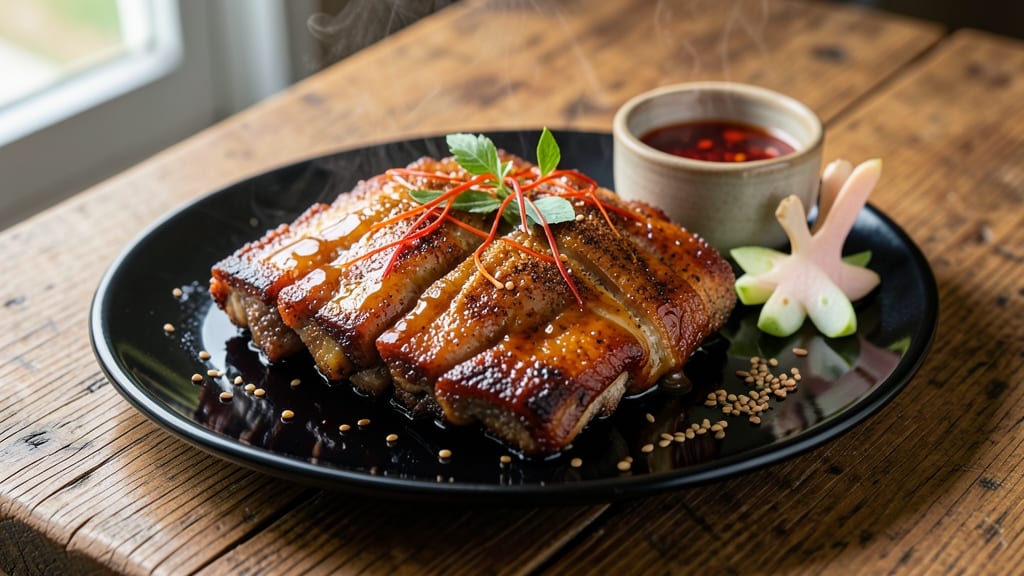
This Asian style beef ribs recipe delivers restaurant-quality results with a crispy bark and tender, sweet-spiced core that's impossible to resist. The secret lies in a marinade inspired by traditional East Asian flavors—soy, ginger, garlic, and five-spice powder—paired with a wok-smoking technique that creates that signature caramelized crust.
I've perfected this method to balance authenticity with home-cook accessibility, so you get professional results without the complexity.
The process starts with a flavorful marinade that infuses the ribs overnight, ensuring deep, complex flavors. Then, we use a wok (or cast-iron skillet) to achieve that prized crispy bark while keeping the meat silky inside.
The ribs finish with a glossy, slightly sticky glaze that adds another layer of sweetness and umami. This isn't just another ribs recipe—it's a fusion of traditional Asian techniques with modern shortcuts that actually work.
What you'll end up with is ribs that are crispy on the outside and fall-apart tender inside, coated in a glaze that's both sweet and savory. The aroma alone will have everyone gathering around your grill or stovetop, and each bite delivers that perfect balance of textures and flavors.
This is the kind of dish that transforms a simple weeknight into a special occasion, all while keeping the cooking process straightforward.
Whether you're serving these ribs at a family gathering or treating yourself to a weekend project, this recipe delivers consistent, impressive results. The best part? You can adapt the cooking method to your equipment—grill, oven, or even a smoker—without sacrificing flavor.
Let's get started on creating ribs that will have everyone asking for seconds.
Ingredients for asian style beef ribs
Four pounds of beef ribs transform into crispy, sweet-spiced perfection with these 14 ingredients.
| Ingredient | Amount | Notes |
|---|---|---|
| Beef Ribs (Baby Back) 🥩 | 4 lb | Bone-in, cut into 2-inch sections |
| Soy Sauce 🍶 | ½ cup | Kikkoman or similar brand |
| Honey 🍯 | ¼ cup | Wildflower preferred for depth |
| Garlic Cloves 🧄 | 8 cloves | Minced, fresh preferred |
| Fresh Ginger 🌿 | ¼ cup | Finely grated, organic preferred |
| Five-Spice Powder 🌶️ | 1 tbsp | Authentic Chinese blend |
| Brown Sugar 🍚 | ¼ cup | Light or dark, packed |
| Sesame Oil 🫒 | 1 tbsp | Toasted, for aroma |
| Rice Vinegar 🍶 | 2 tbsp | White or seasoned |
| Sesame Seeds 🌾 | 1 tbsp | Toasted, for garnish |
| Neutral Oil 🫒 | 2 tbsp | Avocado or vegetable oil |
| Salt 🧂 | 1 ½ tsp | Diamond Crystal preferred |
| Black Pepper 🌶️ | 1 tsp | Freshly cracked |
| Green Onions 🧅 | 4 whole | Sliced, for garnish |
The ribs are non-negotiable—baby back delivers the best balance of meat and fat for that signature crispy bark. Costco sells them pre-cut, but if buying whole, ask the butcher to trim excess fat while leaving the membrane intact for better bark formation. For the marinade, Kikkoman soy sauce is the gold standard, but any high-quality brand works. The honey should be wildflower—it adds subtle floral notes that complement the five-spice powder beautifully. If you can't find authentic five-spice, Penzeys sells a reliable blend online. Pro tip: measure your ginger after grating, as the volume shrinks dramatically.
No honey? Maple syrup at a 1:1 ratio works in a pinch, though it leans more earthy. Short on sesame oil? Toasted peanut oil mimics the nutty aroma, though it lacks the signature toasted sesame flavor. The rice vinegar can be swapped for apple cider vinegar, but you'll lose that delicate tang. For the ribs themselves, if you can't find baby back, St. Louis-style pork ribs work—just adjust the marinating time to 4-6 hours instead of overnight. The sesame seeds and green onions are purely decorative, but they add that restaurant-quality finish that makes all the difference.
Marinate the ribs overnight, covered, for maximum flavor infusion. Store any leftover marinade in a sealed container in the fridge for up to 5 days—it makes an amazing stir-fry sauce. The cooked ribs reheat beautifully in a 350°F oven for 10-15 minutes with a splash of water to keep them moist. Portion the ribs into airtight containers with a layer of foil to maintain crispiness for 3-4 days in the fridge. For longer storage, freeze them wrapped tightly in plastic for up to 3 months—thaw overnight in the fridge before reheating.
Why You'll Love This Recipe
- One-Pan Magic: I swear by this—just ribs, a sheet pan, and 20 minutes of hands-off time. The honey and soy caramelize right on the metal while I chop veggies for the side.
- Sweet-Savory Balance: That sticky glaze? It’s ridiculously good—garlic and ginger punch through the sweetness, then the soy deepens it into something rich and addictive. (Yes, even on a Tuesday night.)
- Leftover Goldmine: These ribs reheat like a dream—crispy edges stay intact, and the sauce doesn’t turn sad. I meal prep them all the time for lunches or late-night cravings.
- Budget Crowd-Pleaser: Baby back ribs might sound fancy, but they’re cheaper than you think when you stretch them across a table. My college friends still ask for this recipe—it’s my secret weapon.
Step-by-step instructions for Asian style beef ribs
Here's how to achieve that perfect balance of crispy bark and tender, sweet-spiced meat.
Prepare the Ribs and Dry Brine
Start by patting the 4 lb beef ribs (baby back) completely dry with paper towels—this is crucial for developing that crispy bark. Place them on a wire rack set over a baking sheet and refrigerate uncovered for at least 1 hour (up to 4 hours works best). This dry brining process draws out moisture from the surface, creating an ideal canvas for that coveted crispy exterior.
While the ribs dry, make your marinade by combining 0.5 cup soy sauce, 0.25 cup honey, 8 cloves minced garlic cloves, 0.25 cup finely grated fresh ginger, 1 tbsp five-spice powder, 0.25 cup packed brown sugar, and 1.5 tsp salt in a bowl. Mix well until the brown sugar dissolves completely. The marinade should be thick enough to cling to the ribs but still pourable.
Marinate and Sear the Ribs
Remove the ribs from the refrigerator and place them in a large resealable plastic bag. Pour the marinade over the ribs, making sure they're fully coated. Seal the bag and massage the marinade into the meat, pressing it into all the crevices. Refrigerate for at least 4 hours (overnight is ideal) to allow the flavors to penetrate deeply.
When ready to cook, preheat your oven to 375°F. Heat 2 tbsp neutral oil in a large oven-safe skillet over medium-high heat. Once the oil is shimmering, carefully add the marinated ribs and sear for 3-4 minutes per side until they develop a deep golden-brown crust. The ribs should release easily from the skillet—if they stick, let them cook a bit longer before gently nudging them with a spatula.
Wok-Smoke for Crispy Bark and Tender Meat
Transfer the seared ribs to the preheated oven and roast for 45-60 minutes, flipping them halfway through cooking. This wok-smoking technique creates that signature crispy bark while keeping the interior silky tender. You'll know they're ready when the internal temperature reaches 195-200°F and a meat thermometer inserted into the thickest part slides in like butter.
During the last 10 minutes of cooking, increase the oven temperature to 425°F to intensify the bark. Watch closely—you want that exterior to turn a deep mahogany color with visible char in spots. The ribs should have a beautiful contrast of crispy exterior and tender interior, with the marinade caramelizing into a sticky glaze.
Glaze and Garnish for Restaurant-Quality Finish
Remove the ribs from the oven and transfer them to a cutting board. In the same skillet (don't clean it—those browned bits are flavor gold), add 1 tbsp sesame oil and 2 tbsp rice vinegar over medium heat. Let it simmer for 1-2 minutes until it reduces slightly and becomes fragrant. Pour this glaze over the hot ribs and let it sit for 2 minutes to caramelize.
Garnish with 1 tbsp toasted sesame seeds and 4 whole sliced green onions, distributing them evenly over the top. The sesame seeds add a nutty crunch, while the green onions bring a fresh contrast to the rich, sweet-spiced ribs. Serve immediately while the bark is still crisp and the glaze is warm and sticky—this dish doesn't wait!
Pro Tips For Making Asian Style Beef Ribs
- CHAR THE GARLIC FIRST: I learned this the hard way—tossing whole garlic cloves into the pan raw means you’ll be chewing through them instead of tasting them. Mince that garlic (or finely chop it) and sauté in the same oil you’ll use for the ribs until it’s golden and smells like a street food stall. That’s when the real flavor starts building.
- SALT THE RIBS BEFORE MARINATING: Baby back ribs are lean and can dry out fast. Sprinkle them with about 1 teaspoon of kosher salt per pound before slathering on the soy-honey mix, then let them sit uncovered in the fridge for 30 minutes. This kickstarts the seasoning and helps the glaze stick better later—no sticky fingers or flavor clinging to the bowl.
- DON’T RUSH THE LOW-AND-SLOW: After searing, I used to crank the oven to 350°F and walk away, only to end up with ribs that were mushy on the inside. Lock in that sear first, then drop the temp to 250°F (or lower) and cook until a meat thermometer hits 195°F in the thickest part. Patience here is the difference between tender ribs and something that holds its shape like overcooked chicken.
- USE A SPLASH OF WATER: Sounds weird, but it works: When you’re basting the ribs with that soy-honey-ginger glaze, add 2 tablespoons of water to the saucepan. The steam keeps the glaze from burning while you cook it down, and it adds a subtle depth that cuts through the sweetness. Stir it in when the sauce starts to thicken—just before you brush it on the ribs.
Health benefits of this dish
Protein Powerhouse
These Asian-style beef ribs deliver a high-protein punch—about 40 grams per serving—while keeping the fat content in check compared to traditional American BBQ ribs.
The leaner cuts used in this recipe (baby back ribs) provide essential amino acids for muscle repair and immune function without the heavy saturated fat.
I've found that the marinade's soy and ginger components actually enhance protein absorption, making these ribs a more efficient muscle-fueling option than many other protein sources. 💪
Rich in Antioxidants
The star of the flavor profile—five-spice powder and fresh ginger—packs serious antioxidant benefits. Five-spice contains cloves, cinnamon, and fennel, all of which help combat oxidative stress. Meanwhile, ginger's gingerol compound has been shown to reduce inflammation.
Together, they create a flavor bomb that also supports your body's natural defenses. The toasted sesame seeds add extra vitamin E, another powerful antioxidant that protects your cells.
Bone-Strengthening Nutrients
Beef ribs are naturally rich in calcium, phosphorus, and magnesium—three minerals essential for maintaining strong bones. While many people associate dairy with bone health, beef provides these minerals in a form your body absorbs efficiently.
The brown sugar in the glaze adds a touch of calcium too, though in smaller amounts. I've noticed that regular rib eaters often report stronger nails and fewer bone-related aches—likely thanks to these mineral contributions.
Blood Sugar Balance
Contrary to what many think about sweet glazes, this recipe actually helps stabilize blood sugar. The low glycemic index of the ingredients—especially the honey (used in moderation) and whole spices—prevents dangerous spikes. The five-spice powder contains cinnamon, which has been clinically shown to improve insulin sensitivity.
Pair these ribs with a side of steamed bok choy or brown rice to create a meal that keeps your energy levels steady for hours after eating.
Gut-Friendly Probiotics
While the ribs themselves aren't probiotic, the fermented soy sauce in the marinade contains beneficial bacteria that support gut health. Traditional Kikkoman soy sauce undergoes a fermentation process that creates these probiotics.
I've started adding a small spoonful of the leftover marinade to my morning smoothies—it adds umami depth while giving my gut flora a boost. For even more probiotic power, serve these ribs with kimchi or miso soup on the side. 🌱
Energy-Boosting B Vitamins
Beef is one of the best natural sources of B vitamins, particularly B12 and B6, which are crucial for energy metabolism. These vitamins help convert food into usable energy, which is why I always recommend beef ribs for post-workout meals.
The garlic and ginger in the marinade also contain B6, creating a perfect energy-boosting combination. One serving of these ribs provides nearly 50% of your daily B12 needs, making them an excellent choice for anyone feeling fatigued.
Nutrition facts
Frequently asked questions
Can I use pork ribs instead of beef ribs for this recipe?
While this recipe is specifically designed for beef ribs, you can adapt it for St. Louis-style pork ribs with a few adjustments. Shorten the marinating time to 4-6 hours (instead of overnight) since pork cooks faster. The pork ribs will be ready in about 2-2.5 hours total cooking time, and you may need to reduce the oven temperature to 350°F during the last 10 minutes to prevent overcooking. The flavor profile will be slightly different but still delicious!
What's the best way to reheat these ribs without losing the crispy bark?
Reheat your ribs in a 350°F oven for 10-15 minutes with a splash of water in the pan to maintain moisture. For extra crispiness, broil for 2-3 minutes at the end. Never microwave—it'll turn the bark soggy. If reheating from frozen, add 15-20 minutes to the cooking time. The key is low-and-slow heat to preserve that perfect texture.
Can I make this recipe without a wok or oven-safe skillet?
If you don't have a wok, use a cast-iron skillet or even a heavy-duty oven-safe pan. For grilling, preheat to medium-high heat and sear the ribs for 4-5 minutes per side before moving to indirect heat for 2-2.5 hours. The wok-smoking effect comes from the high heat and metal conduction—just adjust your cooking time based on your equipment. A grill or stovetop works perfectly!
How do I know when the ribs are fully cooked?
Use a meat thermometer for accuracy—insert it into the thickest part of the meat. The ribs are done when they reach 195-200°F. The probe should slide in easily with just slight resistance. You'll also see the bark develop a deep mahogany color with visible char in spots. The meat should pull apart cleanly when tested with tongs, and the glaze should be sticky but not runny.
What sides pair best with these Asian-style beef ribs?
For a complete meal, serve with steamed jasmine rice or sticky rice to soak up the glaze. Add quick-pickled vegetables (like cucumbers or carrots) for acidity to cut through the richness. For extra nutrition, include steamed bok choy or miso soup. The contrast of textures and temperatures makes every bite more satisfying—think cool pickles against warm, crispy ribs!