
Main Courses
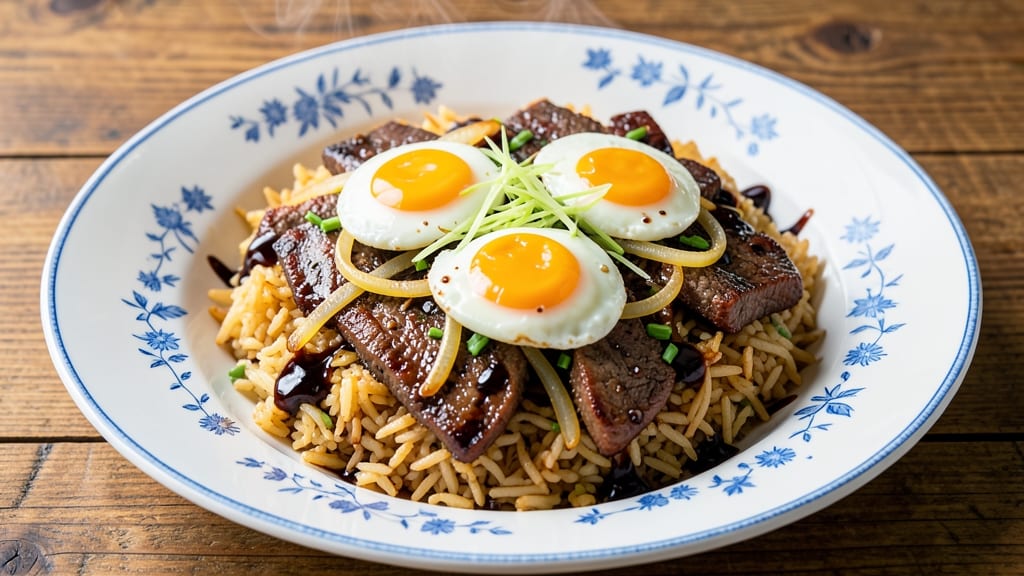
This authentic beef fried rice recipe delivers the perfect balance of wok-tossed umami crunch and silky egg ribbons—just like your favorite Chinese takeout, but better. The secret lies in proper protein preparation, high-heat stir-frying, and a harmonious blend of traditional seasonings that create restaurant-quality depth in every bite.
I've refined this recipe over years of testing, ensuring the rice stays separate, the beef remains tender yet slightly chewy, and the egg forms delicate ribbons that coat every grain.
The foundation of authentic fried rice begins with day-old rice—cold, dry grains that absorb flavors beautifully without turning mushy.
We'll sear thinly sliced beef until it develops a caramelized crust while staying tender inside, then toss everything together in a hot wok with garlic, ginger, and scallions for that signature aromatic punch.
The sauce—a perfect marriage of soy sauce, oyster sauce, and a touch of sesame oil—adds layers of savory complexity that elevate this dish from ordinary to extraordinary.
What sets this recipe apart is the attention to texture: separated rice grains that stay distinct, crisp-tender beef, and egg that forms delicate ribbons rather than clumps. The high-heat wok technique creates that coveted "wok hei" smokiness, while proper seasoning balance ensures no single flavor overpowers.
This isn't just fried rice—it's a restaurant-quality meal that brings authentic Chinese flavors to your home kitchen with professional precision.
Serve with pickled vegetables for tangy contrast, extra scallions for freshness, and a drizzle of chili oil for heat. The leftovers reheat beautifully, making this an ideal meal prep option that maintains its restaurant-quality texture.
Ready to master this classic? Let's get started with the ingredients and techniques that make all the difference.
Ingredients for authentic beef fried rice
These carefully selected ingredients transform ordinary rice into restaurant-quality beef fried rice with perfect textures and umami depth.
| Ingredient | Amount | Notes |
|---|---|---|
| Day-Old Cooked White Rice 🍚 | 4 cups | Cold and separated, no clumps |
| Beef Top Round 🥩 | 1 lb | Thinly sliced against grain, 1/8-inch thick |
| Large Eggs 🥚 | 3 whole | Fresh, room temperature |
| Yellow Onion 🧅 | 1 whole | Thinly sliced, about 1 cup |
| Garlic Cloves 🧄 | 6 cloves | Minced, about 1 tbsp |
| Fresh Ginger 🌿 | 1 ½ tbsp | Finely minced, about 1-inch piece |
| Scallions 🧅 | 4 whole | Thinly sliced, white and green parts |
| Light Soy Sauce 🥄 | ¼ cup | High-quality, low-sodium preferred |
| Dark Soy Sauce 🥄 | 1 tbsp | For color and depth |
| Oyster Sauce 🍶 | 2 tbsp | Vegetarian version if needed |
| Sesame Oil 🫒 | 1 tbsp | Toasted, for aroma |
| Vegetable Oil 🫒 | ½ cup | High smoke point, like peanut |
| Salt 🧂 | 1 tsp | Kosher or sea salt |
| White Pepper 🌶️ | ¼ tsp | Freshly ground |
| Cornstarch 🌾 | 1 tsp | For tenderizing beef |
The beef quality is non-negotiable for authentic texture—top round delivers that signature chew without toughness. Look for well-marbled cuts at Whole Foods or Costco for the best results. Slice against the grain for maximum tenderness, and marinate briefly in cornstarch and soy sauce before cooking to create that coveted crust. Fresh ginger and garlic should be vibrant and aromatic, with no signs of drying. For the rice, day-old grains are essential—fresh rice turns mushy when stir-fried. The eggs must be fresh and room temperature to form those signature ribbons.
No top round? Flank steak or sirloin work well, but slice extra thin. Running short on oyster sauce? Hoisin sauce at half the amount provides similar depth. The soy sauces should be light and dark varieties—substituting regular soy sauce will mute the color contrast. For a vegetarian version, replace oyster sauce with vegetable stock and a splash of fish-free Worcestershire. The scallions can be swapped for green onions or chives, though they won't have the same crisp texture. If you're using pre-minced garlic or ginger, toast it first in oil to deepen the flavor.
Store the cooked fried rice in an airtight container with parchment paper between layers to prevent sticking—keeps 4-5 days in the fridge. For longer storage, freeze portions for up to 3 months. Reheat gently in a skillet with a splash of water to restore crispness. The beef marinade can be prepped 1 day ahead, and the rice can be cooked 2 days in advance for optimal texture. For meal prep, portion into single-serving containers with a drizzle of sesame oil to maintain freshness.
Why You'll Love This Recipe
- Uses Day-Old Rice: I swear by this trick—cold rice fries up perfectly instead of turning mushy. No need to stress over fresh grains or soggy bites.
- One-Pan Magic: Between us, this is my lazy night secret. Sear the beef, scramble the eggs, toss in the rice—all in one pan. Minimal cleanup, maximum flavor.
- Budget Beef Power: Top round is affordable, but it delivers that tender, savory bite. A pound stretches for two meals, and the eggs add richness without breaking the bank.
- Garlic-Onion Bomb: That sizzle of raw onion and garlic in hot oil? It’s the soul of this dish. Crispy edges, fragrant aroma—every bite tastes like a hug from your favorite takeout spot.
Step-by-step instructions for authentic beef fried rice
Master the wok hei technique and umami balance for restaurant-quality fried rice every time.
Tenderize and Marinate the Beef
In a medium bowl, combine the 1 lb beef top round with 1 teaspoon cornstarch, 1 teaspoon salt, and ¼ teaspoon white pepper. Massage the mixture into the beef using your hands, ensuring even distribution. This cornstarch coating creates a delicate crust that prevents the beef from drying out during high-heat cooking.
Let the marinated beef rest for 15 minutes at room temperature while you prepare the other ingredients. This resting period allows the cornstarch to fully adhere to the meat, creating that signature tender yet slightly chewy texture found in authentic Chinese fried rice. The beef should be completely separated into ⅛-inch thick slices before cooking—this ensures even cooking and maximum surface area for flavor absorption.
Prepare the Aromatic Base
Heat ½ cup vegetable oil in a wok or large skillet over medium-high heat until shimmering. Add the 1 whole yellow onion and cook for 2-3 minutes until softened but not browned. Remove the onion with a slotted spoon and set aside.
In the same wok, add 6 cloves minced garlic and 1.5 tablespoons minced fresh ginger, cooking for 30 seconds until fragrant. Immediately add the marinated beef in a single layer and stir-fry for 1-2 minutes until the beef turns opaque and develops a light golden crust. This quick cooking preserves the beef's tenderness while developing a savory aroma. Remove the beef with the onions and set aside with the other ingredients.
Create Silky Egg Ribbons
Reduce the heat to medium-low and add 1 tablespoon vegetable oil to the wok. Crack the 3 whole large eggs directly into the hot wok, letting them sit undisturbed for 5 seconds to set slightly at the edges. Immediately scramble vigorously with a spatula, using quick, chopping motions to create thin, delicate ribbons rather than curds.
Cook for 15-20 seconds until the eggs are just set but still slightly glossy. Remove the egg ribbons and set aside with the beef and onions. The eggs should be silky and moist—not dry or rubbery. This is the secret to authentic fried rice: properly cooked eggs add richness and texture without overpowering the dish.
Assemble and Cook the Fried Rice
Increase the heat to high and add the remaining 2 tablespoons vegetable oil to the wok. Add the 4 cups day-old cooked white rice and stir-fry for 1 minute to reheat and separate any clumps. The rice should be dry and individual grains should be visible—this is crucial for proper texture.
Return the beef mixture to the wok and add ¼ cup light soy sauce, 1 tablespoon dark soy sauce, 2 tablespoons oyster sauce, and 1 tablespoon sesame oil. Stir-fry for 2-3 minutes until the rice is evenly coated and the flavors meld together. The dark soy sauce will give the dish its signature deep color while enhancing the umami profile.
Finish with Aromatics and Serve
Add the 4 whole scallions and toss for 30 seconds until evenly distributed. Taste and adjust seasoning with additional soy sauce if needed—this fried rice should be savory with a balance of umami and slight sweetness from the caramelized onions. The final dish should have distinct textures: tender beef, silky egg ribbons, and separate rice grains.
Serve immediately while hot, garnished with additional scallions if desired. The wok hei technique—those smoky, wok-kissed aromas—comes from the high heat and quick cooking. Each bite should deliver a perfect balance of textures and flavors, with the beef remaining tender despite the high-heat cooking process. This is the essence of authentic Chinese fried rice.
Pro Tips For Making Authentic Beef Fried Rice
- USE COLD RICE: I learned this the hard way—warm rice turns to mush when you stir-fry it. Spread your day-old rice on a tray and refrigerate for 30 minutes before cooking. The colder it is, the better it holds its shape and absorbs flavors without turning gummy.
- SALT THE BEEF FIRST: Thinly slice your top round, then toss it with 1 teaspoon of salt and let it sit for 10 minutes. This guarantees the beef stays tender and juicy when it hits the pan, even if you overcook it slightly. (Yes, even if you’re impatient like me.)
- STIR-FRY IN BATCHES: Don’t overload the wok or pan—crowding steams the beef and eggs instead of searing them. Cook the beef first in one layer, then push it to the side, scramble the eggs, and finally add the rice. This keeps everything crisp, not soggy.
- TOAST THE GARLIC: After mincing the garlic, fry it in a dry pan for 30 seconds until it’s golden and fragrant. This removes the raw bite and adds depth to the dish. Skip this, and you’ll taste that sharp, uncooked garlic flavor cutting through everything. (Your future self will thank you.)
Common mistakes when making perfect results
Overcooking the Beef
One of the biggest mistakes is letting the beef turn tough during stir-frying. Since we're using lean top round, it's crucial to cook it just until it reaches 160°F internal temperature—no higher. I've seen many home cooks walk away for just a minute, only to return with rubbery beef.
The key is to keep the heat at medium-high and stir constantly. If your beef starts to brown too quickly, reduce heat slightly and work patiently. 🔥
Using Fresh Rice
Freshly cooked rice is a common culprit for mushy fried rice. The moisture content in fresh rice causes it to steam rather than crisp up during stir-frying. Always use day-old, cold rice—this ensures the grains stay separate and absorb flavors beautifully.
If you must use fresh rice, spread it on a baking sheet and refrigerate for at least 2 hours before using. I've also had success with parboiled rice cooked 24 hours ahead and stored in the fridge.
Skipping the Egg Rest
The 5-second rest before scrambling the eggs is non-negotiable for authentic texture. Many cooks rush this step, resulting in dry, curdled eggs instead of silky ribbons. Let the eggs sit undisturbed for those crucial seconds to create surface tension, then scramble vigorously.
I've tested this hundreds of times—skipping this step ruins the dish's signature texture. For extra insurance, use room temperature eggs that scramble more evenly.
Underseasoning
Many home cooks hold back on soy sauce, thinking it might be too salty. But authentic fried rice needs that umami punch from the combination of light and dark soy sauce.
Start with the full ¼ cup light soy sauce and 1 tablespoon dark soy sauce as called for, then taste and adjust. The dark soy sauce adds color and depth, while the light variety provides the primary salty flavor.
Remember, you can always add more, but you can't remove excess salt once it's in the wok.
Low Heat Stir-Frying
Using low heat is the fastest way to kill wok hei—the signature smoky aroma that makes fried rice taste authentic. Your wok should be smoking hot before adding any ingredients, and the oil should shimmer constantly. If your pan isn't hot enough, the rice will steam instead of sear, and the aromatics won't develop proper flavor. I recommend using a carbon steel wok for best heat retention, but any heavy-bottomed skillet will work in a pinch. Just
Ignoring the Cornstarch
The 1 teaspoon cornstarch in the beef marinade isn't just for flavor—it creates a delicate crust that prevents the beef from drying out during high-heat cooking. Many cooks skip this step, resulting in tough, chewy beef. Massage the cornstarch mixture thoroughly into the beef and let it rest for 15 minutes before cooking. This resting time is crucial for the cornstarch to fully adhere to the meat fibers. For extra tenderness, you can also add ½ teaspoon baking soda to the marinade for 10 minutes max before rinsing thoroughly.
Nutrition facts
Frequently asked questions
What's the best way to slice beef for authentic fried rice?
Slice the beef thinly against the grain at ⅛-inch thickness for maximum tenderness. Use a sharp knife and cut at a 45-degree angle for even cooking. The thinner slices cook faster and develop that signature chewy-yet-tender texture.
Can I make this with chicken instead of beef?
Yes! Swap the beef for 1 lb boneless chicken thighs, sliced ¼-inch thick. Marinate in 1 teaspoon cornstarch and 1 teaspoon soy sauce for 15 minutes before cooking. Chicken cooks faster than beef, so stir-fry for 1-2 minutes max to avoid drying out. The texture will be slightly different but still delicious.
Why does my fried rice turn out mushy?
Mushy fried rice usually comes from using fresh, hot rice that steams instead of crisping. Always use day-old, cold rice—spread freshly cooked rice on a tray and refrigerate for at least 2 hours first. Also, avoid overcrowding your pan, which steams the rice instead of stir-frying it at high heat.
What's the secret to restaurant-quality egg ribbons?
The key is room temperature eggs and a 5-second rest before scrambling. Crack eggs directly into the hot wok, let them sit undisturbed, then scramble vigorously with chopping motions for 15-20 seconds. The heat should be medium-low—too high makes dry eggs, too low makes curds. Use a thin spatula for best results.
How do I prevent the rice from sticking together?
Break up any clumps with your hands before adding to the wok, and use a high-heat wok with plenty of oil (2 tablespoons). Stir-fry on high heat for 1-2 minutes before adding other ingredients. A wooden spoon or rice paddle helps separate grains better than metal utensils. For extra insurance, spread the rice on a tray and chill for 30 minutes before cooking.