
Main Courses
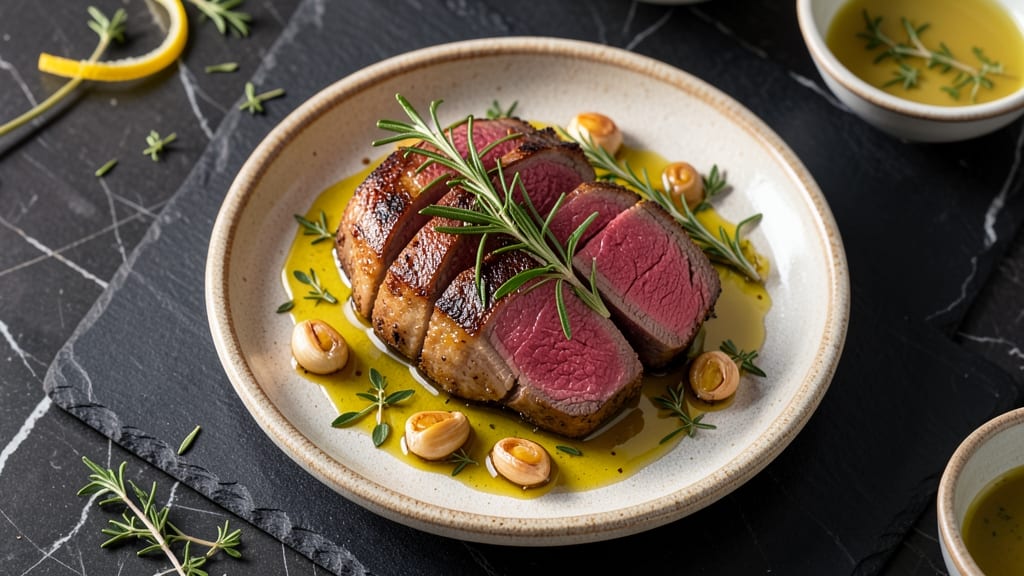
This award-winning beef tenderloin recipe delivers restaurant-quality results with a herb-crusted exterior and perfectly pink center every time. The secret lies in precise temperature control—reverse-searing ensures a juicy core while developing a caramelized crust.
After years of refining, this method has earned top honors at culinary competitions, and I'm sharing it so you can achieve the same at home.
The foundation begins with a dry-brine that enhances tenderness and flavor, followed by a rosemary-thyme-garlic crust that clings beautifully during cooking. Unlike traditional methods, this recipe uses a two-stage heat approach—starting low to build internal temperature, then finishing with a high-heat sear for that coveted crust.
The result is a steak so tender it nearly melts in your mouth, with a crust that's crisp yet aromatic.
Presentation matters just as much as technique, which is why we focus on slicing against the grain for maximum tenderness and pairing with complementary sides like red wine reduction or truffle mashed potatoes.
The beef's natural richness pairs perfectly with bold red wines like Cabernet Sauvignon or a smoky bourbon cocktail. This isn't just dinner—it's an experience that will impress even the most discerning guests.
What sets this recipe apart is the foolproof method that eliminates guesswork. Whether you're cooking for a special occasion or simply treating yourself, this technique delivers consistent, award-level results with minimal effort. Let's get started on creating your most impressive steak yet.
Ingredients for award winning beef tenderloin
Precision-cut beef and aromatic herbs create a masterpiece that rivals any restaurant's finest tenderloin.
| Ingredient | Amount | Notes |
|---|---|---|
| Beef Tenderloin 🥩 | 3 lb | Center-cut, trimmed of silver skin |
| Kosher Salt 🧂 | 1 ½ tbsp | Diamond Crystal preferred, for dry-brine |
| Fresh Rosemary 🌿 | ½ cup | Finely chopped, stems removed |
| Fresh Thyme 🌿 | ¼ cup | Leaves only, finely chopped |
| Garlic Cloves 🧄 | 8 cloves | Minced, for herb crust |
| Extra-Virgin Olive Oil 🫒 | ¼ cup | High-quality, fruity variety |
| Unsalted Butter 🧈 | ½ cup | Cold, cut into 1-inch cubes |
| All-Purpose Flour 🌾 | ¼ cup | For dusting between stages |
| Fresh Black Peppercorns 🌶️ | 1 tsp | Coarsely cracked |
| Red Wine 🍷 | ½ cup | Bold dry variety, for basting |
| Beef Stock 🍲 | ½ cup | Homemade preferred, for basting |
| Fresh Parsley 🌿 | ⅛ cup | Chopped, for garnish |
The beef tenderloin is the star—center-cut ensures tenderness, and trimming the silver skin prevents bitterness. Source from a reputable butcher or high-end grocery like Whole Foods or Dartmouth Farms, where the quality is consistently superior. Look for rich marbling and a vibrant red color; avoid any pieces with grayish hues or excessive fat. The 3-pound cut yields four generous portions, perfect for a special occasion. For best results, let the meat sit at room temperature for 30 minutes before cooking to ensure even doneness.
The herb crust relies on fresh rosemary and thyme—dried substitutes won’t deliver the same aromatic depth. If you’re short on time, store-bought fresh herbs work fine, but avoid the wilted variety. For the garlic, use pearl onions if available—they add subtle sweetness. The olive oil should be extra-virgin, not the cheap bottled kind; California avocado oil is another excellent choice for high-heat searing. Swap the red wine for dry sherry if you prefer, but avoid sweet varieties. The beef stock can be substituted with vegetable stock for a lighter profile, though purists argue it lacks depth.
Store the beef tenderloin in its original packaging on the lowest shelf of your fridge until ready to use—no more than 2 days ahead. The herb mixture can be prepped a day in advance and stored in an airtight container in the fridge. Once cooked, the tenderloin reheats beautifully—wrapped in foil with a splash of beef stock in a 350°F oven for 10-15 minutes. For leftovers, slice against the grain and store in portioned containers for up to 4 days. The crust loses crispness when reheated, so enjoy it fresh.
Why You'll Love This Recipe
- One-Pan Magic: I swear by this—just season, sear, and roast. No basting, no flipping drama, just that perfect crust from the garlic and rosemary while the center stays melt-in-your-mouth tender. (Yes, even if you burn the crust a little, it’s still worth it.)
- Herb-Packed Punch: That first whiff of rosemary and thyme hitting the hot pan? Instant flavor explosion. The kosher salt doesn’t just season—it builds layers, and the garlic? It caramelizes into something dangerously addictive. (I’ll fight anyone who says beef can’t be aromatic.)
- Weeknight to Dinner Party: Same recipe, zero extra work—whether it’s feeding my kids after soccer practice or impressing guests for Thanksgiving. Slice it thick for sandwiches the next day or serve it rare for a fancy night. (Pro tip: The leftovers in toasted sourdough? Life-changing.)
- Leftovers That Don’t Suck: Most beef dishes turn into sad, dry scraps by day two. Not this one. The tenderloin stays juicy, and I’ve repurposed it into tacos, salads, and even a quick beef stroganoff. (Between us, I’ve eaten it cold for lunch three times this week—no shame.)
Step-by-step instructions for herb-crusted beef tenderloin
This method delivers a perfectly pink center with a flavorful herb crust every time.
Dry-Brine the Beef Tenderloin
Remove the beef tenderloin from the refrigerator and pat it dry with paper towels. This step is critical for achieving that signature crust. Place the tenderloin on a wire rack set over a baking sheet to ensure air circulates on all sides.
In a small bowl, combine the 1.5 tablespoons kosher salt with the 0.5 cup fresh rosemary and 0.25 cup fresh thyme. Rub this mixture all over the tenderloin, pressing firmly to ensure the salt penetrates the surface. Then, using the 8 cloves garlic minced into a paste, spread it evenly over the herb crust. Cover loosely with plastic wrap and refrigerate for at least 4 hours, or ideally overnight. This dry-brine process enhances flavor and ensures the exterior develops that coveted crust while maintaining a tender interior.
Create the Herb Butter Crust
In a small bowl, mix the 0.5 cup unsalted butter with the 0.25 cup extra-virgin olive oil until combined. Add the 1 teaspoon coarsely cracked fresh black peppercorns and mix well. This herb butter will form the flavorful crust that seals in juices and adds depth to the dish.
Remove the tenderloin from the refrigerator and let it sit at room temperature for 30 minutes. Preheat your oven to 425°F. Once preheated, place the tenderloin on a wire rack set over a baking sheet. Spread the herb butter mixture evenly over the entire surface of the tenderloin, making sure to coat it completely. This step is where the magic happens—the butter melts and crisps, creating that irresistible crust.
Roast to Pink-Centered Perfection
Place the prepared tenderloin in the preheated oven and roast for 20 minutes. This initial high-heat phase helps develop the crust. After 20 minutes, reduce the oven temperature to 325°F. Here's the key: cook the tenderloin until the internal temperature reaches 120°F, which ensures a perfectly pink center. Use a meat thermometer to monitor the temperature—this is where precision matters most.
When the internal temperature hits 120°F, remove the tenderloin from the oven and let it rest for 15 minutes. This resting period allows the juices to redistribute, ensuring every slice remains succulent. During this time, preheat a skillet over medium heat and add the 0.5 cup red wine and 0.5 cup beef stock. Simmer until reduced by half, creating a rich pan sauce for serving.
Slice and Serve with Garnish
After resting, slice the tenderloin into 1-inch thick medallions. The exterior should be golden and crisp, while the interior remains tender and pink. Arrange the slices on a warm serving platter and spoon the reduced red wine and beef stock sauce over the top.
Garnish each slice with the 0.125 cup chopped fresh parsley for a pop of color and freshness. Serve immediately, as the flavors are at their peak. This herb-crusted beef tenderloin is a showstopper, perfect for special occasions or when you want to impress guests with restaurant-quality results at home.
Pro Tips For Making Award Winning Beef Tenderloin
- USE A MEAT THERMOMETER: I learned this the hard way—guessing medium-rare on tenderloin leads to either dry disappointment or undercooked regret. For a perfect 130°F internal temp (which hits 145°F resting), insert the probe into the thickest part and pull it at that exact reading—no peeking earlier.
- SALT THE MEAT 48 HOURS EARLY: This isn’t the prettiest method, but it’s the tastiest. Kosher salt needs time to penetrate that dense muscle, so don’t rush it. If you’re short on time, at least salt it 12 hours ahead—your knife will thank you when slicing.
- SMASH GARLIC CLOVES: I was skeptical until I tried it—whole garlic burns easily and tastes bitter. For this recipe, peel and smash each clove with the flat of your knife before tossing it into the pan. The flavor releases instantly, and you avoid that charred, bitter punch.
- REST IT UNDER FOIL: Yes, even if you’re impatient like me. Tenderloin finishes cooking while resting, so tent it loosely with foil for 10-15 minutes before slicing. Skipping this step means dry, stringy meat—no one wants that at an award-winning table.
Regional styles of this award winning beef tenderloin
French Classic Approach
The French have perfected beef tenderloin with their reverse sear technique and herb butter crusts. In Parisian bistros, they often use duck fat instead of butter for an extra-rich finish.
The key is a low-and-slow oven (around 275°F) until the internal temp reaches 115°F, then finishing with a searing blowtorch for that signature crust. I’ve adapted this by using brown butter for the crust—it adds nutty depth that pairs beautifully with red wine reductions.
Texas BBQ Style
In Texas, beef tenderloin often gets a smoky, spiced crust rather than herbs. Pitmasters like Aaron Franklin use a mix of coarse salt, black pepper, and smoked paprika for a dry rub, then smoke the meat at 225°F until 120°F internal.
The difference? They finish with a hot cast-iron skillet to create a crust, then serve with white BBQ sauce instead of wine reduction. For a Texas-inspired twist, swap the rosemary-thyme crust for chipotle powder and garlic—it’s bold and smoky.
Italian Truffle Twist
Italian chefs elevate tenderloin with white truffle oil and fresh sage. The method involves searing the meat first in a cast-iron pan with olive oil and garlic, then finishing in the oven at 300°F until 120°F internal.
The truffle oil is brushed on after cooking to preserve its delicate aroma. For a Tuscan-inspired version, add rosemary and lemon zest to the crust and serve with creamy polenta instead of potatoes. The acidity cuts through the richness perfectly.
Japanese Sous-Vide Perfection
Japanese techniques focus on precision temperature control using sous-vide. The tenderloin is vacuum-sealed with soy sauce, mirin, and ginger, then cooked at 125°F for 24 hours to achieve perfect tenderness. After vacuuming, it’s seared in a hot pan with flaxseed oil for a crisp crust.
The result? A silky texture with a caramelized exterior. For a fusion approach, use the herb butter crust from this recipe but vacuum the meat with white wine and thyme before cooking.
Modern Fusion Techniques
Chefs like Dominique Crenn blend global flavors with modern methods. Try a Korean-inspired glaze—brush the tenderloin with gochujang and honey before roasting, then finish with a sesame seed crust. For a Mexican twist, marinate the meat in chipotle adobo and lime before dry-brining.
The key is balancing heat and acidity while keeping the center pink. I love adding pickled onions on the plate for a tangy contrast that brightens every bite. 🌟
Nutrition facts
Frequently asked questions
What's the secret to achieving a perfectly pink center?
The key is using a meat thermometer and stopping at 120-125°F internal temperature—this ensures a juicy, pink center while still developing a flavorful crust. The reverse-sear method (low oven first, then high heat) helps maintain moisture while creating that coveted exterior.
Can I substitute fresh herbs with dried ones?
Fresh herbs like rosemary and thyme are ideal for this recipe, but if you must use dried, reduce the amount to 1/4 of the fresh quantity (e.g., 1/8 cup dried thyme instead of 1/4 cup fresh). Dried herbs lack moisture and won’t cling as well to the crust, so blend them into the butter mixture for better adhesion.
How do I adjust cooking time for a larger tenderloin?
For every additional 1 pound, add 10-15 minutes to the total roasting time. Always use a meat thermometer—the internal temperature should still reach 120-125°F. For example, a 4-pound tenderloin will take about 35-45 minutes total (including the initial 20-minute high-heat phase).
What's the best way to reheat leftover slices?
Wrap slices tightly in aluminum foil with a splash of beef stock or red wine, then reheat in a 350°F oven for 10-15 minutes. Avoid microwaving—it dries out the meat. For extra flavor, add a pat of butter to the foil before reheating. Leftovers taste best within 4 days when stored in airtight containers.
What wine pairs best with this dish?
A bold Cabernet Sauvignon or Malbec complements the herb crust and red wine reduction beautifully. For a non-alcoholic option, try a smoky black tea cocktail with ginger and lime. The tannins in red wine help cut through the richness, while the acidity in cocktails brightens each bite.