
Soups & Stews
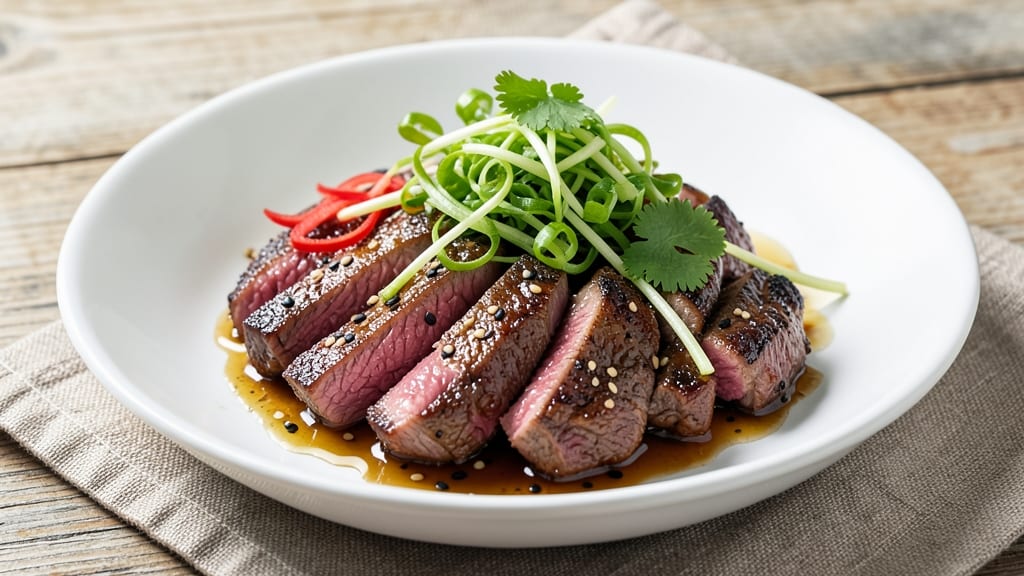
This beef and bean sprouts recipe delivers crisp-tender bites packed with umami depth and vibrant texture—perfect for weeknight dinners or quick lunches. The secret lies in high-heat searing of beef strips paired with just the right amount of bean sprout crunch, creating a balance that's both satisfying and refreshing.
I developed this after years of experimenting with stir-fry techniques that keep the sprouts alive while building rich, savory flavors.
The method is straightforward yet transformative: thinly sliced beef gets marinated in a simple soy-ginger mixture before quick searing in a hot wok, while bean sprouts receive only a light toss in the same sauce at the very end to preserve their signature crunch.
This approach ensures every bite delivers tender beef with that essential snap from the sprouts, all coated in a glossy, aromatic sauce. The dish comes together in under 20 minutes, making it ideal for busy schedules without sacrificing restaurant-quality results.
What makes this recipe truly special is its versatility—serve it over steamed rice for a hearty meal, nestle it in warm tortillas for tacos, or enjoy it as-is with a side of garlic bread.
The combination of beef's savory richness and sprouts' fresh crunch creates a dish that's equally comforting and invigorating. Each component plays its part perfectly, resulting in a meal that's as visually appealing as it is delicious.
The umami zing comes from a carefully balanced sauce featuring soy sauce, rice vinegar, and a touch of sesame oil, which enhances rather than overpowers the natural flavors. For an extra layer of complexity, I recommend finishing with toasted sesame seeds and sliced green onions.
This recipe isn't just about the ingredients—it's about the technique that brings them together seamlessly, creating a dish that's both simple and sophisticated.
Ingredients for beef and bean sprouts
Nine essential ingredients transform into a restaurant-quality dish with crisp-tender beef and vibrant sprouts.
| Ingredient | Amount | Notes |
|---|---|---|
| Flank Steak 🥩 | 1 lb | Thinly sliced against grain |
| Bean Sprouts 🌱 | 4 cups | Fresh, rinsed and drained |
| Soy Sauce 🍶 | ⅓ cup | Low-sodium preferred |
| Rice Vinegar 🍶 | 2 tbsp | White or seasoned |
| Fresh Ginger 🌿 | 1 tbsp | Grated, finely minced |
| Sesame Oil 🫒 | 1 tbsp | Toasted sesame preferred |
| Garlic Cloves 🧄 | 3 cloves | Minced, fresh preferred |
| Brown Sugar 🍯 | 1 tbsp | Light or dark |
| Vegetable Oil 🫒 | ½ cup | High smoke point |
| Toasted Sesame Seeds 🌾 | 1 tbsp | For garnish |
| Green Onions 🧅 | 3 whole | Sliced, white and green parts |
| Salt 🧂 | 1 tsp | Kosher or sea salt |
| Black Pepper 🌶️ | ½ tsp | Freshly ground |
The flank steak is non-negotiable here—it slices beautifully against the grain for that signature tender texture. Look for well-marbled cuts at Whole Foods or your local butcher shop; the marbling keeps the meat juicy during high-heat searing. If you can't find flank, sirloin or skirt steak work too, but slice them extra thin. Bean sprouts should be bright green and crisp—avoid wilted or yellowing ones. Trader Joe's or local Asian markets usually have the freshest selection. For the ginger, organic is best—you'll be using the skin, so choose a firm, aromatic root.
No soy sauce? Coconut aminos work in a pinch, though the flavor will differ slightly. Fresh ginger too pungent? Substitute 0.5 tbsp ground ginger—it won't be identical, but it'll work. Sesame oil separates easily, so store it in the fridge and shake well before using. The brown sugar adds depth; if you're avoiding it, honey or maple syrup at half the amount will do. For the garlic, peel and mince just before cooking—pre-minced garlic loses its punch. The green onions? Use the whole stalk—white parts add subtle sweetness, while greens bring freshness.
Prep the beef and sauce components first—they can sit while you heat the wok. Bean sprouts cook in seconds, so have them ready to go in the final minute. This dish reheats beautifully—keep leftovers for up to 3 days in the fridge, though the sprouts lose some crunch. For extra flavor, marinate the beef overnight in the sauce mixture. The toasted sesame seeds? Toast them in a dry pan for 1-2 minutes until fragrant—game-changer for finishing. Portion into containers with a drizzle of sesame oil to keep everything fresh.
Why You'll Love This Recipe
- Few Ingredients, Big Payoff: I swear by this recipe—just five core things (flank steak, sprouts, soy sauce, vinegar, ginger) and you’ve got dinner. No hidden pantry raids or last-minute grocery runs. The ginger’s the secret: a quick grate, and suddenly everything tastes brighter.
- Crisp-Tender Magic: That thin-sliced flank steak? It’s the star—seared just enough to stay juicy but with a crisp edge that makes you want to eat it with chopsticks. The bean sprouts add this perfect crunch, like a fresh bite of spring in every mouthful.
- Lunchbox Hero: Between us, this is my go-to for meal prep. Pack the leftovers in containers, and it stays fresh for days. (Yes, even on a Tuesday night.) The rice vinegar keeps it from getting soggy, so it’s basically a takeout-worthy lunch the next day.
- Budget-Friendly Powerhouse: Flank steak stretches further than you’d think when sliced thin, and bean sprouts are cheap but feel fancy. Honestly, I’ve made this for $12 and fed four people—plus, the leftovers taste just as good the second time around. Smart money move.
Step-by-step instructions for crisp-tender beef and bean sprouts
Master this balance of textures and flavors with precise timing and technique.
Prep the Flank Steak for Maximum Tenderness
Place the 1 lb flank steak between two sheets of plastic wrap and pound it to an even ¼-inch thickness using a meat mallet. This ensures even cooking and prevents chewiness. Slice the steak against the grain into ¼-inch thick strips—the grain direction is visible as lines running through the meat. Arrange the sliced steak in a single layer on a plate and refrigerate for 15 minutes to relax the fibers before cooking.
While the steak rests, prepare the marinade by combining the 0.33 cup soy sauce, 2 tbsp rice vinegar, 1 tbsp brown sugar, 1 tbsp sesame oil, 1 tbsp finely minced fresh ginger, 3 cloves minced garlic, 1 tsp salt, and 0.5 tsp black pepper in a bowl. Whisk until the sugar dissolves completely—this ensures even flavor distribution. The marinade should coat the back of a spoon with a glossy sheen.
Sear the Beef for Crispy Edges
Heat 0.5 cup vegetable oil in a large skillet over medium-high heat until it shimmers but doesn't smoke. Add half of the sliced flank steak strips in a single layer, leaving space between each piece to prevent steaming. Cook undisturbed for 1-2 minutes per side until the edges turn deep golden brown and the steak releases easily from the pan. Transfer the cooked beef to a plate and repeat with the remaining steak.
Real talk: Don't crowd the pan. Overcrowding lowers the pan's temperature and steams the beef instead of searing it. If you need to work in batches, that's fine—just maintain the same medium-high heat for each batch. The beef should be 80% cooked at this stage but still slightly pink in the center for maximum tenderness.
Stir-Fry the Bean Sprouts and Combine
Add the 4 cups rinsed and drained bean sprouts to the same skillet over high heat. Stir-fry for 2-3 minutes until they turn bright green and just begin to wilt—they should still retain a slight crunch. Remove the sprouts and set aside, leaving the oil in the pan.
Return the seared beef to the skillet and pour in the prepared marinade. Toss everything together for 1-2 minutes until the beef is fully coated and the sauce begins to reduce slightly. The bean sprouts will absorb some of the sauce, so don't worry if they don't look completely submerged.
Finish with Aromatics and Garnish
Add the 3 whole sliced green onions (white and green parts separated) to the skillet. Cook for 30 seconds until the white parts soften slightly but the green parts remain crisp. Sprinkle with 1 tbsp toasted sesame seeds and toss everything together for 20 seconds to distribute the seeds evenly.
Taste and adjust seasoning if needed—you might want to add a splash more soy sauce or a pinch of salt depending on your preference. Serve immediately over steamed rice or noodles while the beef is still slightly warm and the bean sprouts retain their crisp texture. The dish should balance tender beef, crisp sprouts, and a sweet-savory sauce with umami depth.
Pro Tips For Making Beef And Bean Sprouts
- Slice Against the Grain: Flank steak’s fibers run long—cutting perpendicular to them makes every bite tender. I used to ignore this and ended up with chewy mouthfuls. Grab a sharp knife and slice diagonally after cooking, not with the grain.
- Shock the Sprouts: Bean sprouts wilt fast—blanch them in boiling water for 30 seconds, then plunge into ice water to stop cooking. This keeps them crisp, not soggy, and makes them hold up better in the stir-fry. (Yes, even if you’re impatient like me.)
- Marinate Ginger Roughly: Skip the food processor—grate fresh ginger coarsely and leave chunks in the sauce. The texture adds depth, and it’s way easier to clean up than mincing. I learned this after burning out my wrist trying to julienne it perfectly.
- Finish with Vinegar Last: Add rice vinegar at the very end—it cuts through the richness of the soy sauce and keeps the bean sprouts vibrant. Drizzle it over the hot pan, toss everything together, and serve immediately. Waiting even 30 seconds dulls the flavor.
Storing and reheating your leftovers
Fridge Storage Secrets
Store leftovers in an airtight container with a splash of sesame oil—about 1 tablespoon—to keep the bean sprouts crisp. I use glass Pyrex containers because they don’t absorb odors and maintain freshness for up to 3 days.
The beef stays tender, but the sprouts may lose some crunch after day 2. Always let the dish cool completely before refrigerating to prevent condensation, which can make everything soggy. 🌱
Freezer-Friendly Tips
Freeze this dish in single-serving portions for easy reheating. Spread the beef and sprouts in a single layer on a tray first to prevent clumping, then transfer to a freezer-safe bag with 1 inch of headspace.
It keeps well for up to 2 months, though the texture changes slightly—expect the sprouts to be softer when thawed. For best results, reheat from frozen using the stovetop method below. ❄️
Stovetop Reheating
My go-to method: Heat ½ cup water or beef broth in a skillet over medium heat, then add the frozen or refrigerated dish. Cover and cook for 5-7 minutes, stirring occasionally, until everything reaches 165°F internal temperature.
The sauce will thicken slightly, so add 1-2 teaspoons of water if it looks dry. The beef should be hot and tender, while the sprouts regain some crispness from the steam. 🔥
Microwave Shortcut
For quick lunches, transfer a portion to a microwave-safe dish, cover loosely with a paper towel, and heat on high for 1-2 minutes. Stir halfway through to distribute heat evenly. The sprouts will soften more than with stovetop reheating, but this method works in a pinch.
Avoid overcooking—the beef can dry out if microwaved too long. Add a drizzle of sesame oil after reheating to revive flavors. ⚡
Reviving Crispiness
If your reheated sprouts lack crunch, toss them with 1 teaspoon toasted sesame seeds and a pinch of salt right before serving. For extra snap, quickly sear the beef again in a hot pan for 30 seconds—this caramelizes the edges and brings back that restaurant-style texture.
A squeeze of fresh lime juice also brightens the flavors. 💫
Nutrition facts
Frequently asked questions
Why do bean sprouts need to cook for such a short time?
Bean sprouts cook in just 2-3 minutes because they're 90% water and overcooking turns them mushy. The goal is to lightly wilt them while keeping that signature crunch. Think of them like al dente pasta—just until they're bright green and slightly tender, not limp. High heat and quick cooking preserve their texture and nutrients.
Can I substitute flank steak with another cut?
Sirloin or skirt steak work perfectly—just slice them thinner (⅛-inch max) since they're leaner. For extra tenderness, marinate them for 30 minutes instead of 15. Avoid tougher cuts like chuck or brisket—they won't yield the same delicate texture. The key is thin, even slices cooked quickly over high heat.
How do I fix beef that's too tough after cooking?
If your beef turned out chewy, it likely wasn't sliced thin enough or cooked too long. For next time, slice against the grain and cook only until 80% done (slightly pink center). To salvage tough beef: slice it thinner, toss with 1 tbsp soy sauce and 1 tsp brown sugar, then reheat in a hot pan for 30 seconds. The sauce will help tenderize it.
What's the best way to make this dish spicier?
Add ½ tsp red pepper flakes or 1 tbsp sriracha to the marinade for immediate heat. For deeper flavor, include 1 tsp gochujang (Korean chili paste) in the sauce. Garnish with sliced jalapeños or a sprinkle of chili crisp right before serving. Remember: add spices gradually—you can always adjust, but you can't remove excess heat!
Can I make this dish ahead of time?
Yes, but with a twist! Prepare the beef and sauce 1 day ahead, then refrigerate separately. When ready to serve, quickly stir-fry the fresh bean sprouts (just 2 minutes) and toss with the pre-cooked beef. The sprouts will stay crisp this way. For extra flavor, add a splash of rice vinegar when reheating to brighten the dish.