
Soups & Stews
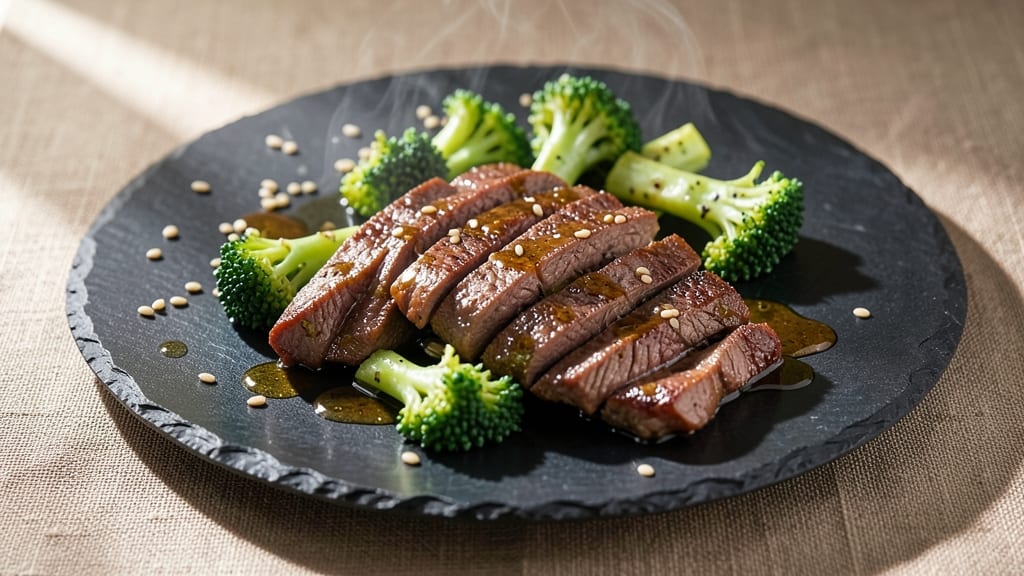
This beef and broccoli copycat recipe delivers restaurant-quality wok-sizzled umami in just 20 minutes, with tender beef, crisp-tender broccoli, and a glossy sauce that's dangerously addictive. I've recreated the perfect balance of sweet, salty, and tangy flavors that make this dish a takeout staple, using simple pantry ingredients and a few professional techniques anyone can master.
The secret lies in proper beef prep—thinly sliced against the grain for maximum tenderness—and a two-step cooking process that ensures the beef stays juicy while the broccoli achieves that signature crisp-tender texture.
We'll build the sauce from scratch using soy sauce, brown sugar, and a splash of vinegar for that authentic tang, then finish everything with a quick wok toss that locks in all the flavors.
What you'll end up with is a dish that looks and tastes exactly like your favorite takeout—golden-brown beef, vibrant green broccoli, and a sauce that's both glossy and perfectly balanced.
The aroma alone will have everyone gathering around the table, and the first bite delivers that perfect combination of sweet, savory, and slightly spicy that keeps people coming back for seconds.
Serve it over steamed rice for the full experience, or enjoy it as-is for a quick weeknight dinner that feels like a restaurant meal. This copycat version stays true to the original while making it easy to recreate at home—no takeout required.
Ingredients for beef and broccoli copycat
Simple pantry staples plus a few fresh ingredients for restaurant-style beef and broccoli.
| Ingredient | Amount | Notes |
|---|---|---|
| Flank Steak 🥩 | 1 lb | Thinly sliced against grain |
| Broccoli Florets 🥦 | 2 cups | Fresh, cut into bite-sized pieces |
| Soy Sauce 🥄 | ½ cup | Low-sodium preferred for balance |
| Brown Sugar 🍯 | 3 tbsp | Light or dark variety works |
| Rice Vinegar 🍶 | 2 tbsp | White or seasoned vinegar |
| Sesame Oil 🫒 | 1 tbsp | Toasted sesame oil for aroma |
| Garlic Cloves 🧄 | 4 cloves | Minced finely for depth |
| Ginger Root 🌿 | 1 tbsp | Freshly grated, not powdered |
| Vegetable Oil 🫒 | 2 tbsp | High smoke point preferred |
| Cornstarch 🌾 | 1 tbsp | For sauce thickening |
| Water 💧 | 2 tbsp | Room temperature |
| Salt 🧂 | 1 tsp | Kosher or sea salt |
| Black Pepper 🌶️ | ½ tsp | Freshly ground preferred |
| Green Onions 🧅 | 3 whole | Sliced thin for garnish |
| Sesame Seeds 🌰 | 1 tbsp | Toasted for crunch |
The beef makes or breaks this dish. Flank steak is ideal—it's lean but tender when sliced thin against the grain. If your butcher doesn't slice it for you, grab a sharp knife and slice it yourself (it's worth the effort). Costco or Whole Foods usually have pre-sliced versions if you're short on time. Look for good marbling—it means more flavor. Fresh broccoli is non-negotiable here; frozen gets mushy when wok-tossed. Trader Joe's often has pre-cut florets that save time without sacrificing quality.
No soy sauce? Coconut aminos is a 1:1 swap, though it's slightly sweeter. Running low on brown sugar? Honey or maple syrup works in a pinch (use half the amount). The rice vinegar adds that signature tang—substitute apple cider vinegar if needed. For the sesame oil, any brand works, but the toasted kind has way more aroma. If you can't find toasted sesame seeds, regular seeds toasted in a dry pan for 30 seconds work fine. The cornstarch is key for that glossy sauce—don't skip it!
Prep the beef and broccoli ahead of time, but don't marinate the beef (the acid in the sauce will make it tough). Store the sliced beef in the fridge for up to 2 hours before cooking. Broccoli keeps best in the fridge in a sealed container for 3-4 days. The sauce can be made ahead and reheated—just add a splash of water to thin it out. This dish reheats beautifully, but broccoli gets soggy, so enjoy it fresh or make a double batch for leftovers.
Why You'll Love This Recipe
- One-Pan Magic: I swear by this—just sear the flank steak, toss in the broccoli, and let the soy-browned crust melt into the sauce. No chopping, no fuss, no extra pans. That first bite of caramelized beef with tender florets? It’s the kind of meal that makes you forget you cooked it.
- Sweet-Savory Balance: Honestly, the brown sugar and rice vinegar combo is what makes this dish sing. The steak stays juicy while the broccoli gets a subtle gloss—no overpowering flavors, just that perfect harmony of salty, sweet, and tangy. It’s the kind of taste that lingers.
- Weeknight to Date Night: Between us, this recipe works everywhere. Toss it together for a lazy Tuesday or plate it pretty for company—same effort, different vibes. The steak slices beautifully, and the sauce clings like it’s been simmering for hours. (Spoiler: It hasn’t.)
- Budget-Friendly Leftovers: Flank steak stretches far, and the broccoli? It’s one of the cheapest veggies out there. Make a double batch, and you’ll have lunch for days. My freezer’s full of these leftovers, reheated in seconds with a splash of water—still just as good.
Step-by-step instructions for wok-sizzled beef and broccoli
Here's how to recreate that iconic restaurant flavor at home—crispy beef, tender broccoli, and a glossy sauce that sticks to every bite.
Prep the Flank Steak for Maximum Tenderness
Slice the 1 lb flank steak thinly against the grain using a sharp knife. I like to make cuts about ¼-inch thick—this ensures the meat stays tender despite the quick cooking. Arrange the slices on a plate and season both sides generously with 1 tsp salt and ½ tsp black pepper. The salt helps break down the proteins for better texture, while the pepper adds depth.
Let the seasoned steak sit at room temperature for 15-20 minutes while you prep the rest. This step is crucial—cold meat releases moisture when it hits the hot wok, which can steam instead of sear. You'll know it's ready when the steak feels slightly soft to the touch, like a warm piece of bread.
Build the Sauce Base
In a small bowl, whisk together ½ cup soy sauce, 3 tbsp brown sugar, 2 tbsp rice vinegar, and 1 tbsp sesame oil. The brown sugar will dissolve completely, creating a smooth foundation for the sauce. Set this mixture aside—it'll infuse the beef with that signature umami-sweet balance.
In another small bowl, combine 1 tbsp cornstarch and 2 tbsp water to make a slurry. This will thicken the sauce at the perfect moment, giving it that glossy, restaurant-quality finish. I like to mix it well and let it sit for 2 minutes so the cornstarch fully hydrates—this prevents clumping when it hits the hot wok.
Sear the Beef to Perfection
Heat a wok or large skillet over high heat until it's smoking hot. Add 2 tbsp vegetable oil and swirl to coat the surface evenly. Add the sliced steak in a single layer, being careful not to overcrowd the pan. Let it sear undisturbed for 1-2 minutes until the edges turn deep golden brown—this creates that beautiful caramelized crust we're after.
Once the bottoms are browned, stir the steak and cook for another 1-2 minutes until it's 80% cooked through. Remove the beef and set it aside on a plate. Don't walk away—this is the moment that matters. The beef should still have a slight pink center; it'll finish cooking when we add it back to the wok later.
Stir-Fry the Broccoli and Aromatics
In the same wok, add 2 cups broccoli florets and spread them out evenly. Cook for 2-3 minutes until the edges turn bright green and just begin to soften. Don't overcrowd the pan—this ensures the broccoli gets that perfect wok-hei, or "breath of the wok," that makes home cooking taste like takeout.
Add 4 minced garlic cloves and 1 tbsp freshly grated ginger root, stirring constantly for 30 seconds until fragrant. The garlic should sizzle and turn golden around the edges—this is when it releases its full flavor. Pour in the sauce mixture and bring it to a gentle boil, letting it simmer for 1 minute to meld the flavors.
Finish with the Beef and Garnish
Return the seared beef to the wok and toss everything together for 1-2 minutes until the sauce thickens slightly and coats the beef and broccoli evenly. Add the cornstarch slurry and stir vigorously for 30 seconds until the sauce becomes glossy and clings to everything. Taste and adjust seasoning if needed—you might want to add a splash more soy sauce or a pinch of sugar to balance the flavors.
Remove from heat and stir in 3 sliced green onions and 1 tbsp toasted sesame seeds. These final touches add freshness and crunch, cutting through the richness of the dish. Serve immediately over steamed rice—this is where the magic happens. The sauce should be sticky, the beef tender yet slightly chewy, and the broccoli vibrant green with a satisfying crunch.
Pro Tips For Making Beef And Broccoli Copycat
- Slice Against the Grain: The flank steak’s tough fibers run in one direction—cut them perpendicular to that grain after cooking, or you’ll end up with chewy, rubbery bites. I used to ignore this and wondered why my beef felt like shoe leather. A sharp knife and a steady hand make all the difference.
- Blanch Broccoli First: Toss broccoli florets in boiling water for 30 seconds before stir-frying—this softens them just enough to absorb the sauce without turning to mush. Skip this, and you’ll end up with overcooked, sad-looking broccoli that tastes like it’s been steamed for an hour.
- Use Cornstarch Slurry: Mix 1 tablespoon cornstarch with 2 tablespoons water and add it to the sauce after the beef is cooked. This thickens the sauce properly without making it gluey or clumping. I learned this the hard way when my sauce ended up looking like wallpaper paste.
- Balance the Sauce: The brown sugar and soy sauce can easily overpower the dish—add a splash of rice vinegar (about 1 tablespoon) at the end to brighten the flavors. Sounds simple, but this step keeps the sauce from tasting flat or overly sweet. Trust me, your taste buds will notice.
Wine and beer pairings for these flavors
Asian-Inspired White Wine
For this dish, I reach for a crisp, dry Riesling or Pinot Grigio—both complement the umami depth of the beef and broccoli without overpowering it.
A German Riesling with its bright acidity cuts through the richness, while an Italian Pinot Grigio from Alto Adige adds a subtle mineral note that enhances the dish's savory-sweet balance. Serve slightly chilled to let the wine's crispness refresh your palate between bites. 🍷
Light-Bodied Red Options
If you prefer red wine, go for a light Pinot Noir—specifically a New Zealand Sauvignon Blanc-blended version or a California Pinot Noir from Sonoma. These wines have enough acidity to stand up to the soy sauce while offering red fruit notes that harmonize with the dish's caramelized beef.
Avoid heavy Cabernets or Syrahs, as their tannins will clash with the delicate sauce. 🍇
Session Beer Pairings
A Japanese lager like Asahi Super Dry or Sapporo is my go-to beer pairing—its clean, crisp profile lets the dish's flavors shine. For something with a little more character, try a Belgian Witbier like Hoegaarden or Stella Artois (yes, it counts!).
The citrusy notes in these beers mirror the rice vinegar in the sauce, creating a refreshing contrast. 🍺
Craft Beer Alternatives
Craft beer lovers can opt for a light American IPA with low bitterness (under 30 IBUs), like Green Flash Hop Head or Stone Delicious IPA. The subtle hop aroma adds a bright finish that complements the dish's umami.
Avoid heavy IPAs or stouts—they'll overpower the delicate balance of flavors in this takeout-style meal. 🍻
Non-Alcoholic Options
For a non-alcoholic pairing, I recommend sparkling yuzu soda—its citrusy, effervescent notes echo the rice vinegar in the sauce. Alternatively, a ginger beer like Feather's adds warmth that balances the dish's sweet and savory elements. Both options feel celebratory without competing with the meal's flavors. 🥤
Pro Tip: Temperature Matters
Whether wine or beer, serve it at the right temperature: white wines and beers at 45-50°F, reds at 55-60°F. A quick ice bath for whites or a well-stocked beer fridge ensures the perfect sip.
Chilling the wine too much? Let it sit for 10-15 minutes before serving to open up its aromas. Trust me, this small step makes a huge difference! ❄️
Nutrition facts
Frequently asked questions
Can I substitute flank steak with another cut?
Yes! Sirloin or ribeye work well—just slice them ¼-inch thick against the grain for tenderness. Skirt steak is another great option, though it's slightly fattier. Avoid tougher cuts like chuck or round; they won't become tender enough during the quick stir-fry.
How do I get the broccoli crisp-tender instead of mushy?
Cook it in one layer over high heat for 2-3 minutes max—it should stay bright green with just a slight softening at the edges. Overcrowding steams the broccoli instead of searing it. For extra crunch, blanch broccoli florets in boiling water for 30 seconds before stir-frying.
Can I make this dish ahead of time?
Yes, but with a few adjustments. Prep the sauce and marinate the beef separately (up to 2 hours in the fridge), then cook everything fresh for best texture. For leftovers, store components separately—reheat beef and broccoli separately, then toss with warmed sauce. The sauce can be made a day ahead and reheated with a splash of water.
Why does my sauce turn out too thin?
Most likely, your wok wasn't hot enough when adding the cornstarch slurry. Heat the wok until it's smoking hot before adding the slurry, and stir constantly for 30 seconds until it thickens. If it's still too thin, mix ½ tsp cornstarch with 1 tsp water and stir in. Never add cold sauce to thicken—it needs the heat to activate.
What's the best way to serve this dish?
Traditionally over steamed jasmine rice—it soaks up the glossy sauce perfectly. For extra authenticity, serve with chopsticks and a side of hot mustard (like Chinese hot mustard) for dipping. Garnish with extra sesame seeds and green onions right before serving to keep everything fresh.