
Soups & Stews
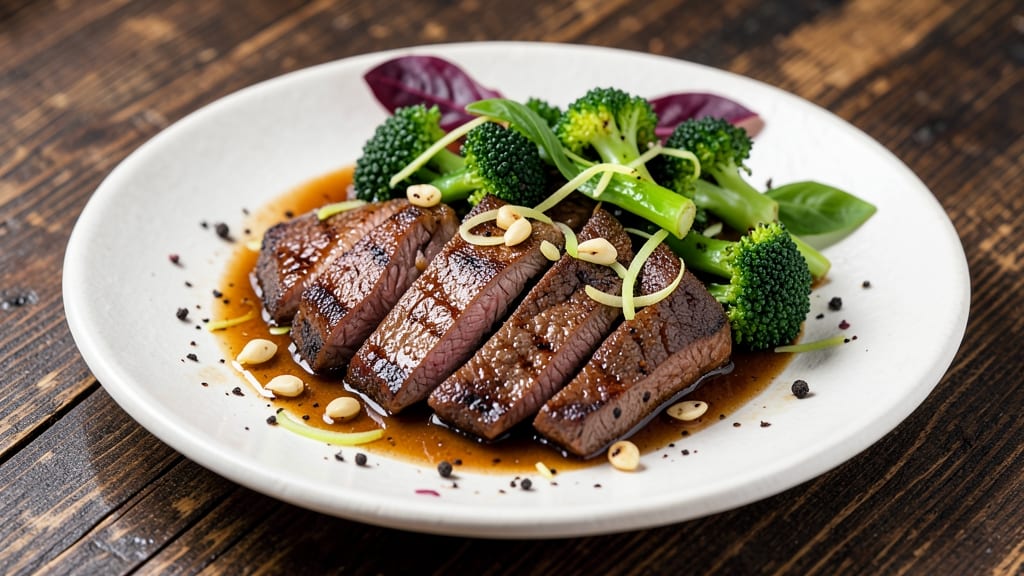
This Filipino beef and broccoli recipe delivers bold, savory-sweet flavors that transform simple ingredients into a restaurant-worthy dish. The secret lies in a soy-ginger sauce infused with garlic and black peppercorns, creating a sticky glaze that clings to tender beef and crisp-tender broccoli.
I developed this dish after craving the rich, umami depth of Filipino comfort food—without the hours of simmering. The technique combines quick searing for caramelized beef with a one-pan stir-fry that develops deep flavors in just 20 minutes.
Fresh ginger, soy sauce, and a touch of vinegar create the signature balance between sweet, salty, and tangy. Unlike traditional versions, this recipe skips heavy cream for a lighter yet equally satisfying sauce.
By the end, you’ll have golden-brown beef slices with perfectly blistered edges and bright green broccoli coated in that addictive sauce. The aroma alone will have everyone asking for seconds. Serve it over steamed rice or with a side of atchara for the full Filipino experience.
Ready to master this dish? The ingredients are simple, but the flavor is anything but ordinary. Let’s get cooking!
Ingredients for beef and broccoli filipino
Simple yet transformative ingredients create this restaurant-worthy Filipino beef and broccoli masterpiece.
| Ingredient | Amount | Notes |
|---|---|---|
| Flank Steak 🥩 | 1 ¼ lb | Thinly sliced against the grain |
| Broccoli Florets 🥦 | 1 ½ lbs | Medium-sized, cut into bite-sized pieces |
| Fresh Ginger 🌿 | 2 tbsp | Finely grated, aromatic |
| Garlic Cloves 🧄 | 6 cloves | Minced, fresh preferred |
| Black Peppercorns 🌶️ | 1 tsp | Crushed, not ground |
| Soy Sauce 🍶 | ½ cup | High-quality, preferably Japanese |
| Rice Vinegar 🍶 | 2 tbsp | White or seasoned variety |
| Sesame Oil 🫒 | 1 tbsp | Toasted, for aroma |
| Brown Sugar 🍚 | 1 tbsp | Light or dark, packed |
| Vegetable Oil 🫒 | 2 tbsp | High smoke point, like avocado |
| Green Onions 🧅 | 3 whole | Sliced thin, white and green parts |
| Diamond Crystal Kosher Salt 🧂 | ½ tsp | For seasoning, not salted soy |
| Cornstarch 🌾 | 1 tbsp | For thickening sauce |
| Jasmine Rice 🍚 | 2 cups | Uncooked, for serving |
The flank steak is non-negotiable here—its lean texture and grain direction are key. Look for high-quality cuts at your local butcher or specialty market like Whole Foods or Costco. Thinly slicing against the grain ensures tenderness. For broccoli, freshness matters—choose bright green florets with tight buds. If using frozen, thaw completely and pat dry. Fresh ginger should smell vibrant; if it’s musty, it’s past its prime. Penzeys Spices carries excellent whole ginger if you prefer to grate it yourself. The garlic? Fresh is essential—jarred minced lacks the aromatic depth this dish demands.
No fresh ginger? Substitute with 1 tbsp ginger powder, but it won’t have the same complexity. Running out of soy sauce? Coconut aminos work in a pinch, though the flavor will differ slightly. For a less sweet sauce, reduce the brown sugar to 1 tsp. The cornstarch slurry (cornstarch + 2 tbsp water) is critical for that signature sticky glaze—don’t skip it. Sesame oil adds aroma, but if you’re sensitive to its flavor, reduce to ½ tbsp. The green onions should be fresh; if wilted, skip the white parts. Rice vinegar balances the sweetness—substitute with apple cider vinegar if needed, though the tang will be milder.
Prep the beef and broccoli ahead to save time—store separately in airtight containers for up to 2 days. The sauce keeps well for 3 days in the fridge, though it’s best used fresh. Freeze extras in ice cube trays for future meals. For the rice, cook it separately—this dish is all about the sauce and beef. Leftovers reheat beautifully; just add a splash of water to loosen the sauce. Serve immediately for peak texture and flavor—broccoli loses its crispness when left sitting.
Why You'll Love This Recipe
- One-Pan Magic: I swear by this—just slice the flank steak thin, toss in the broccoli florets, and let the garlic and ginger work their magic in one skillet. No extra pots, no fuss, and the broccoli stays crisp-tender while the beef gets that perfect caramelized bite.
- Umami Bomb: That combo of fresh ginger and black peppercorns? It’s the secret weapon here. The ginger adds a bright, zesty kick, while the peppercorns give it a subtle depth that makes every bite feel like a little flavor explosion—no soy sauce overload needed.
- Lunchbox Hero: Between us, this is my go-to for meal prep. The beef stays tender for days, and the broccoli reheats beautifully. Pack it in bento boxes or toss it over rice—it’s equally great cold or warmed up, and honestly? My kids fight over who gets the leftovers.
- Budget Flex: Flank steak is affordable, and a single cut feeds four. The ginger and garlic are pantry staples, and broccoli’s one of those veggies that’s always on sale. I’ve made this for under $12 for a full meal, and it still tastes like a restaurant dish—no guilt, just satisfaction.
Step-by-step instructions for beef and broccoli Filipino-style
Master this technique and you'll create a restaurant-quality soy-ginger sauce that clings to every strand of beef and floret.
Prepare the Flank Steak and Broccoli
Slice the 1.25 lb flank steak thinly against the grain using a sharp knife—this ensures tender bites. Arrange the slices on a plate and season immediately with 0.5 tsp Diamond Crystal kosher salt and 1 tsp crushed black peppercorns. Let them sit at room temperature for 15 minutes while you prep the remaining ingredients.
Cut the 1.5 lbs broccoli florets into bite-sized pieces, ensuring each piece has a small stem attached for better texture. Set aside. The key here is uniformity—consistent-sized florets will cook evenly in the sauce. I like to trim any overly thick stems to prevent them from becoming rubbery.
Build the Soy-Ginger Sauce Base
Heat 2 tbsp vegetable oil in a large wok or deep skillet over medium-high heat until shimmering. Add the 6 minced garlic cloves and 2 tbsp finely grated fresh ginger, cooking for 30 seconds until fragrant—don't let them brown. Immediately add the seasoned flank steak in a single layer and sear for 2-3 minutes without stirring, until deep golden brown on all sides.
Remove the beef and set aside. In the same pan, add 1 tbsp brown sugar and cook for 30 seconds until it melts and turns a light caramel color. Pour in 0.5 cup soy sauce and 2 tbsp rice vinegar, scraping up any browned bits from the bottom. Let this mixture simmer for 2 minutes to develop the sauce's depth of flavor.
Thicken and Finish the Sauce
Return the beef to the pan and add the 1.5 lbs broccoli florets, tossing gently to coat in the sauce. Stir in 1 tbsp cornstarch mixed with 1 tbsp sesame oil—this creates a glossy finish while thickening the sauce. Cook for 3-4 minutes until the broccoli is bright green and tender-crisp, not mushy.
Taste the sauce and adjust seasoning if needed—you might want to add a pinch more salt or a splash of rice vinegar for brightness. The sauce should be slightly thick but still cling to the beef and broccoli without being gloppy. If it's too thin, simmer uncovered for an additional 1-2 minutes to reduce.
Plate and Serve with Jasmine Rice
Transfer the beef and broccoli to a serving platter. Drizzle with any remaining sauce from the pan, then garnish with 3 thinly sliced green onions (white and green parts separated). The white parts should be sprinkled on top while the green sections can be used as a garnish on the side for color contrast.
Serve immediately over 2 cups cooked jasmine rice, ensuring each portion has equal amounts of beef, broccoli, and sauce. The rice should be light and fluffy, not sticky, to properly absorb the soy-ginger flavors. The beef should be tender yet slightly chewy, with a glossy sauce that clings to every bite.
Pro Tips For Making Beef And Broccoli Filipino
- SEAR THE STEAK FIRST: Flip the flank steak only twice—once per side—and let it develop a deep crust before pulling it out. I used to rush this, and the beef ended up tough; now I wait until the pan is screaming hot and the edges are caramelized before even thinking about the sauce.
- PEEL GINGER LIKE A PRO: Use a spoon to scrape off the skin in one long strip, then slice thinly against the grain. Thick chunks of ginger just sit there like decorative rocks—this way, it actually melts into the sauce and adds real heat.
- DON’T BOIL THE BROCCOLI: Shock the florets in ice water after blanching for 30 seconds, then drain well. Overcooking turns them mushy, and soggy broccoli ruins the whole dish—crisp-tender is the goal, not sad, limp stems.
- SALT THE GARLIC: Toss the minced garlic with a pinch of salt before frying—it prevents burning and makes the flavor pop. I was skeptical until I tried it; now I swear by it, especially when stir-frying with oil.
Troubleshooting this dish
Sauce Too Thin?
If your sauce isn't thick enough, don't panic—simmer it uncovered for 1-2 minutes to reduce. I've found that using a non-stick wok with high sides helps concentrate the sauce better.
For an extra boost, mix 1 tsp cornstarch with 1 tbsp water, stir into the sauce, and cook for 30 seconds until it thickens. 🔥
Broccoli Turning Mushy
Broccoli loses its texture when overcooked in the sauce. To prevent this, add it to the pan only after the beef has been seared and removed. Cook it for just 3-4 minutes—it should be bright green and tender-crisp, not soft.
If using frozen broccoli, thaw and pat it completely dry first to avoid excess moisture. 🥦
Beef Too Tough
Tough beef usually means it wasn't sliced thinly enough or wasn't rested properly. Always slice against the grain and let the meat rest for 15 minutes at room temperature before cooking.
For extra tenderness, marinate the beef for 30 minutes in 2 tbsp soy sauce and 1 tbsp rice vinegar before cooking. 💪
Flavor Too Sweet
If the dish tastes too sweet, balance it with more rice vinegar (add 1 tbsp at a time) or a pinch of black peppercorns. The vinegar adds brightness, while the peppercorns bring out the umami.
For a deeper savory note, add ½ tsp fish sauce (a common Filipino ingredient) to the sauce. 🌶️
Oil Burning or Smoking
If your oil starts smoking, reduce the heat to medium and let it stabilize. Use a high-smoke-point oil like avocado or vegetable oil. If the oil is already smoking, remove the pan from heat for 30 seconds to let it cool slightly before continuing.
A thermometer can help—keep oil at 350°F for safe cooking. ⚡
Sauce Too Salty
If the sauce is too salty, dilute it with 1-2 tbsp water and let it simmer for 1 minute to balance the flavor. You can also add a splash of rice vinegar or a pinch of brown sugar** to round out the taste.
Avoid adding more beef or broccoli—it won't dilute the saltiness enough. 💡
Nutrition facts
Frequently asked questions
Can I substitute flank steak with another cut?
Yes, but choose lean cuts that slice thinly against the grain. Sirloin or ribeye work well, while chuck roast (sliced thinly) adds extra tenderness. Avoid fatty cuts like ribeye—trim excess fat to prevent greasy sauce. For best results, marinate for 30 minutes in soy sauce and rice vinegar before cooking.
How do I make this dish spicier?
Add ½ tsp chili flakes or 1 tbsp sriracha to the sauce for heat. For a Filipino kick, include 1 tbsp siling labuyo (bird's eye chili), minced, with the garlic and ginger. Adjust to taste—start with less and add more gradually. Pair with siling haba (long green chili) slices as garnish for extra flavor.
What sides pair best with this dish?
Serve with steamed jasmine rice to soak up the sauce. For a full Filipino meal, add atchara (pickled papaya) for tangy contrast or garlic fried rice as a side. A simple mixed green salad with calamansi dressing cuts through the richness. Avoid heavy sides—the focus should be on the beef and broccoli.
Can I make this dish ahead of time?
Cook the beef and sauce up to 1 day ahead, then refrigerate. Reheat gently in a skillet with 1 tbsp water to prevent drying. Add broccoli fresh to maintain crispness. For longer storage, freeze the sauce separately and reheat with fresh broccoli. Never freeze the beef with sauce—it absorbs moisture and becomes soggy.
Why is my sauce not sticky?
The cornstarch slurry is key for thickness. Ensure you mix 1 tbsp cornstarch with 1 tbsp water thoroughly before adding to the pan. Simmer uncovered for 1-2 minutes to reduce excess liquid. If still thin, add another ½ tsp cornstarch mixed with 1 tsp water. Avoid overcrowding the pan—cook in batches if needed.