
Soups & Stews
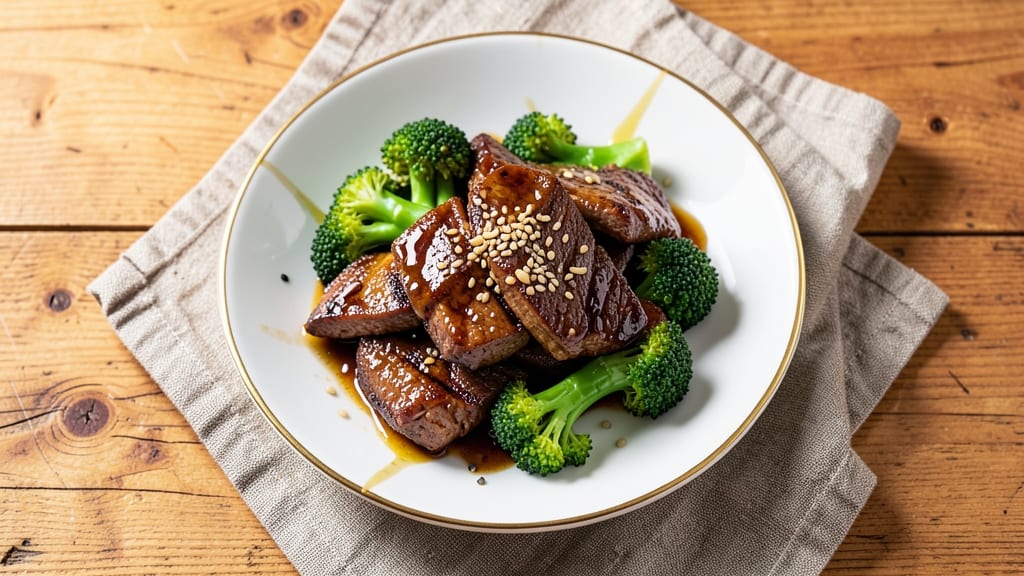
This no-sugar beef and broccoli recipe delivers restaurant-quality flavor without the sweetness, using bold soy-ginger notes that cut through the richness of perfectly seared beef and crisp-tender broccoli.
The secret lies in balancing umami from reduced soy sauce with bright ginger and garlic, creating a sauce that's savory, aromatic, and completely sugar-free while still satisfying that craving for depth.
What sets this version apart is the two-step cooking process: first searing the beef to develop a deep, caramelized crust, then stir-frying everything together with just the right amount of liquid to create a glossy, clinging sauce.
No added sugars mean the natural flavors shine—salty, tangy, and slightly spicy from a touch of red pepper flakes—while the texture remains perfectly crisp-tender.
The result is a dish that's hearty enough for a weeknight dinner but elegant enough for company, with each bite offering a perfect harmony of textures and flavors.
The beef stays juicy and tender, the broccoli maintains its satisfying crunch, and the sauce coats everything in a velvety, savory glaze that's impossible to resist.
This recipe works equally well over steamed rice or as a standalone dish, making it versatile for any meal. The technique is straightforward but delivers professional-level results—no shortcuts, just balanced, flavorful perfection. Let's get started on creating this savory masterpiece.
Ingredients for beef and broccoli recipe no sugar
Restaurant-quality beef and broccoli without sugar relies on these carefully balanced ingredients for bold soy-ginger flavor.
| Ingredient | Amount | Notes |
|---|---|---|
| Flank Steak 🥩 | 1 ½ lb | Thinly sliced against the grain |
| Broccoli Florets 🥦 | 2 cups | Fresh, cut into bite-sized pieces |
| Low-Sodium Soy Sauce 🍶 | ½ cup | Reduced to 1/4 cup for sauce |
| Fresh Ginger 🌿 | 2 tbsp | Finely grated, aromatic |
| Garlic Cloves 🧄 | 4 cloves | Minced, fresh preferred |
| Sesame Oil 🫒 | 1 tbsp | Toasted, for aroma |
| Cornstarch 🌾 | 1 tbsp | For tenderizing beef |
| Red Pepper Flakes 🌶️ | ½ tsp | Adjust for heat preference |
| Green Onions 🧅 | 3 whole | Sliced, for garnish |
| Vegetable Oil 🫒 | 2 tbsp | High smoke point |
| Sesame Seeds 🌰 | 1 tsp | Toasted, for garnish |
| Kosher Salt 🧂 | 1 tsp | Diamond Crystal preferred |
| Black Pepper 🌶️ | ½ tsp | Freshly ground |
| Jasmine Rice 🍚 | 1 ½ cups | Uncooked, for serving |
The flank steak is non-negotiable here—its lean texture and grain make it perfect for quick searing. Look for USDA Choice or Prime cuts at your local butcher or grocery store's meat department. Costco or Whole Foods often carry high-quality flank steaks pre-sliced, but if you're buying whole, ask for it to be sliced thinly against the grain—this ensures tenderness. The broccoli should be vibrant green with tight florets; avoid any with yellowing stems, as it indicates age. For the soy sauce, Kikkoman low-sodium is a reliable choice, but Lee Kum Kee delivers an even deeper umami profile if you're willing to splurge. Fresh ginger and garlic are essential—Penzeys Spices or your local Asian market will have the freshest roots.
No low-sodium soy sauce? Regular soy sauce reduced by half works, but taste as you go—you want concentrated flavor without excess salt. Substituting fresh ginger with powdered ginger at half the amount is possible, but the texture and aroma won't be the same. For the cornstarch, Bob's Red Mill is a trusted brand, but any high-quality cornstarch will do. If you're avoiding sesame oil entirely, avocado oil can replace it, though it lacks the nutty depth. The red pepper flakes can be swapped for cayenne pepper at half the amount, but adjust to taste—this dish relies on that subtle heat to balance the richness. For the rice, jasmine or basmati are ideal, but any long-grain white rice will work if you're in a pinch.
The beef and broccoli should be cooked fresh for optimal texture, but the sauce can be prepped ahead and stored in an airtight container in the fridge for up to 3 days. If you're prepping for a crowd, double the sauce ingredients and reduce them down to a thicker consistency—this keeps beautifully in the fridge for 5 days or freezes for 3 months. For the rice, cook it just before serving to avoid sogginess. Garnish with toasted sesame seeds right before eating to preserve their crunch. Leftovers reheat well in a skillet with a splash of water or broth to maintain moisture.
Why You'll Love This Recipe
- One-Pan Magic: Honestly, I swear by this recipe because it’s that simple—just a sheet pan, a few ingredients, and 20 minutes. The steak slices itself thin, the broccoli roasts while you prep, and the sauce comes together in one bowl. No chopping mountains of veggies, no fussing with multiple pans.
- Umami Bomb: Between us, that low-sodium soy sauce and fresh ginger combo is chef’s kiss—deep, savory, but not overpowering. The garlic cloves? Smashed and seared until they’re golden and fragrant. It’s the kind of flavor that makes you go back for seconds without even trying.
- Lunchbox Hero: Here’s what sold me—this dish is ridiculously meal-prep friendly. Pack the leftovers in containers, and you’ve got a protein-packed lunch for three days. My daughter picks out the broccoli first (she’s weird like that), but she still asks for it in her lunchbox.
- Budget Win: Flank steak stretches further than you’d think when sliced thin, and broccoli florets are the most affordable veggie out there. I’ve made this for date nights, family dinners, and even a last-minute work potluck—always a hit, always wallet-friendly.
Step-by-step instructions for savory soy-ginger crunch beef and broccoli
Master this technique and you'll achieve perfectly tender beef with crisp-tender broccoli and a rich, umami-packed sauce.
Prep and Marinate the Flank Steak
Slice the 1.5 lb flank steak thinly against the grain into ¼-inch thick strips. The grain runs lengthwise, so look for the muscle fibers and cut perpendicular to them for maximum tenderness. Transfer the sliced steak to a bowl and add the 1 tbsp cornstarch, 1 tsp kosher salt, and ½ tsp black pepper. Toss gently to coat evenly, then let it sit for 15 minutes at room temperature.
This marinade step is crucial—it creates a protective crust that prevents the beef from drying out during cooking. The cornstarch also helps tenderize the meat while providing a slight crunch. Don't skip this step; it makes all the difference in texture. While the steak marinates, prepare the remaining ingredients so everything is ready to go when you're ready to cook.
Cook the Jasmine Rice to Perfection
Rinse the 1.5 cups jasmine rice thoroughly under cold water until the water runs clear. This removes excess starch that would make the rice gummy. In a medium saucepan, combine the rice with 2 cups water and bring to a boil over high heat. Once boiling, reduce heat to low, cover tightly with a lid, and simmer for 15 minutes without lifting the lid.
The rice is done when all the water has been absorbed and the grains are tender but still slightly firm to the bite. This 1:1.33 rice-to-water ratio ensures perfectly fluffy grains. If you prefer your rice slightly more al dente, check at the 12-minute mark. Let the rice sit covered for 5 minutes after cooking, then fluff gently with a fork before serving. The residual heat will finish cooking the rice to ideal texture.
Sear the Beef in Stages
Heat 2 tbsp vegetable oil in a large skillet or wok over high heat until shimmering. Working in batches (don't overcrowd the pan), add the marinated steak and sear for 1-2 minutes per side until deep golden brown and cooked to medium-rare (internal temperature 130-135°F). Transfer the cooked beef to a plate and tent loosely with foil to keep warm.
High heat is essential here—it creates that beautiful caramelized crust while keeping the interior juicy. If your pan isn't hot enough, the steak will steam instead of sear. The beef should release easily from the pan when ready to flip. This two-stage cooking method (marinating then searing) ensures maximum flavor development without toughness. Keep the rendered beef juices in the pan—they're the foundation for your sauce.
Build the Savory Soy-Ginger Sauce
In the same skillet (no need to clean it—the beef juices are flavor gold), reduce the heat to medium and add 2 tbsp finely grated fresh ginger and 4 cloves minced garlic. Sauté for 30 seconds until fragrant but not browned. Add ½ cup low-sodium soy sauce and ½ tsp red pepper flakes, stirring to combine. Let the mixture simmer for 2 minutes to allow the flavors to meld.
Here's where the magic happens: the soy sauce reduces slightly, concentrating its umami flavor while the ginger and garlic deepen their aroma. The red pepper flakes add just enough heat to complement the dish without overpowering. If you prefer more heat, add an extra ¼ tsp now. The sauce should coat the back of a spoon but still be slightly thin—it will thicken as it absorbs the beef juices.
Finish with Broccoli and Aromatics
Add the 2 cups broccoli florets to the skillet and stir-fry for 3-4 minutes until bright green and just tender-crisp (they should still have a slight bite). Pour in 1 tbsp toasted sesame oil and toss everything together. Return the beef to the skillet and coat everything evenly with the sauce. Cook for an additional 1 minute to heat through.
The broccoli should maintain its vibrant color and crisp texture—overcooking turns it mushy. This final step combines all the elements: the tender beef, crisp broccoli, and rich sauce. Garnish with 3 sliced green onions and 1 tsp toasted sesame seeds for freshness and crunch. Serve immediately over the prepared jasmine rice, ensuring each bite delivers a perfect balance of textures and flavors.
Pro Tips For Making Beef And Broccoli Recipe No Sugar
- SEAR THE STEAK FIRST: High heat for 2-3 minutes per side—don’t rush this. I used to walk away too soon, and the steak ended up gray inside. Let those Maillard reactions work their magic before you even think about adding sauce.
- SLICE AGAINST THE GRAIN: Cut the flank steak thin and perpendicular to the grain—no wider than ¼-inch strips. Thick slices stay chewy, and you’ll regret it later. A sharp knife and steady hand make this easier than it looks.
- BLANCH THE BROCCOLI: Drop florets in boiling water for 30 seconds, then shock in ice water. This keeps them bright green and prevents mushiness when they hit the pan later. Skip this, and you’ll end up with sad, limp broccoli.
- MAKE THE SAUCE LAST: Reduce the soy-ginger-garlic mixture by half before tossing with the beef. Too much liquid makes the dish watery, and no one wants soggy broccoli. Simmer it down until it’s syrupy enough to coat a spoon.
Dietary considerations for beef and broccoli recipe no sugar
Low-Sodium Focus
This recipe uses low-sodium soy sauce to control salt intake while maintaining rich umami flavor. Start with ½ cup of low-sodium soy sauce (like Kikkoman) reduced to concentrate its flavor—this cuts sodium by 50% compared to regular soy sauce.
For extra control, reduce it by half again (to ¼ cup) if you need even less sodium. The key is balancing with fresh ginger and garlic, which add depth without relying on salt. 💡
Natural Sweetness Substitutes
Skip sugar entirely by enhancing natural sweetness from ingredients like garlic and ginger. The 4 cloves minced garlic and 2 tbsp grated fresh ginger provide subtle sweetness when caramelized slightly during cooking. For a touch of brightness, add 1 tsp rice vinegar to the sauce—it adds complexity without sugar.
If you prefer a hint of sweetness, try 1 tsp monk fruit sweetener dissolved in the soy sauce, but it’s optional here. The beef’s natural caramelization during searing adds depth without sweetness. 🌿
Gluten-Free Adaptation
For a gluten-free version, replace the soy sauce with ½ cup gluten-free tamari (like San-J Tamari). Tamari has a deeper flavor and works perfectly in this recipe. Ensure your cornstarch is certified gluten-free (like Bob’s Red Mill) to avoid cross-contamination.
The rest of the ingredients are naturally gluten-free, so this swap keeps the dish safe for gluten-sensitive diners without sacrificing flavor. 🌾
Dairy-Free and Vegetarian Options
To make this dish vegetarian, replace the beef with extra-firm tofu (pressed and cubed) or mushrooms (like shiitake or oyster). Marinate the tofu in the same cornstarch and soy sauce mixture for 15 minutes before cooking.
For mushrooms, sauté them separately until golden before adding to the sauce. The broccoli and sauce remain unchanged, ensuring the dish stays cohesive and flavorful. 🍄
Meal Prep and Storage
Store leftovers in an airtight container in the fridge for up to 4 days. The sauce thickens slightly when chilled, so reheat with 1 tbsp water or broth to restore its glossy texture.
For freezer storage, portion the dish into single-serving containers and freeze for up to 3 months. Thaw overnight in the fridge and reheat gently in a skillet to preserve the broccoli’s crunch. Avoid microwaving—it turns the broccoli soggy. ❄️
Nutrition facts
Frequently asked questions
Can I use regular soy sauce instead of low-sodium?
You can, but reduce the amount by half to avoid excess saltiness. Start with ¼ cup regular soy sauce instead of ½ cup low-sodium, then adjust to taste. The key is balancing with fresh ginger and garlic—they add depth without relying on salt.
How do I keep the broccoli crisp-tender?
Cook it for only 3-4 minutes over high heat until bright green with a slight bite. Overcrowding the pan steams the broccoli instead of stir-frying, so work in batches if needed. Finish cooking just before serving to preserve its crunch.
What's the best cut of beef for this recipe?
Flank steak is ideal—it's lean, flavorful, and slices thinly against the grain for tenderness. Other good choices include sirloin or ribeye, but avoid tougher cuts like chuck. Always slice perpendicular to the grain for maximum tenderness.
Can I make this dish ahead of time?
Store cooked components separately in an airtight container for up to 4 days. Reheat the beef and sauce gently in a skillet, then add fresh broccoli for 2-3 minutes to maintain its crunch. Never microwave—it turns broccoli mushy.
Why does my sauce taste flat?
Flat sauce usually means insufficient reduction or missing aromatics. Always reduce the soy sauce until it coats the back of a spoon, and don't skip the ginger and garlic sauté step. For extra depth, add 1 tsp rice vinegar or a pinch of white pepper to brighten flavors.