
Main Courses
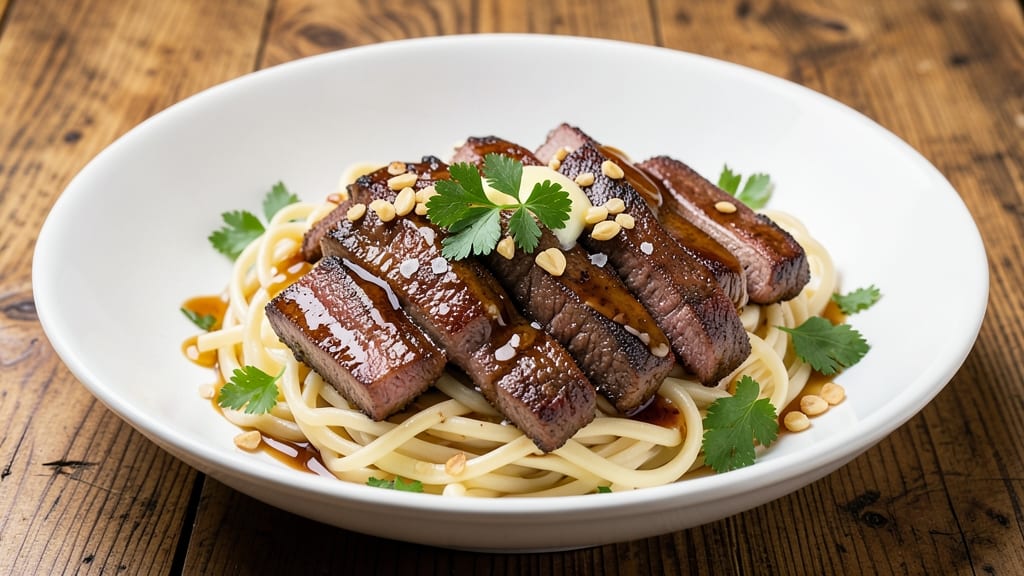
This beef and butter noodles recipe delivers restaurant-quality comfort in under 30 minutes—tender beef, silky noodles, and a rich, velvety butter sauce that ties everything together.
The secret lies in properly searing the beef for caramelized flavor while keeping the noodles perfectly al dente, all finished with a sauce that's creamy yet light.
I developed this dish after years of perfecting the balance between rich butter and bold beef, ensuring every bite is satisfying without being heavy.
The foundation starts with thinly sliced beef—flank steak works best—quickly seared to develop a deep, savory crust before being finished in a gentle butter sauce. Fresh egg noodles or ramen absorb the sauce beautifully, creating that signature silky texture.
What sets this recipe apart is the sauce: a harmonious blend of butter, garlic, and a touch of soy sauce that coats the noodles and beef without overpowering them.
By the time you plate this dish, you'll have golden-brown beef bites resting on a bed of buttery, silky noodles, all drizzled with extra sauce for that restaurant-worthy finish. The aroma alone will have everyone at the table anticipating the first bite—rich, savory, and perfectly balanced.
Serve with steamed greens or a simple salad to round out the meal.
This recipe is designed for weeknight dinners but feels special enough for company—minimal prep, maximum flavor. The technique is straightforward, but the result is anything but basic. Let's get cooking!
Ingredients for beef and butter noodles
Restaurant-quality beef and butter noodles start with these 13 essential ingredients.
| Ingredient | Amount | Notes |
|---|---|---|
| Flank Steak 🥩 | 1 lb | Thinly sliced against the grain |
| Fresh Egg Noodles 🍜 | 12 oz | Or ramen noodles, uncooked |
| Unsalted Butter 🧈 | ¾ cup | Cold, cut into pieces |
| Garlic Cloves 🧄 | 4 cloves | Minced, fresh preferred |
| Low-Sodium Soy Sauce 🥢 | 2 tbsp | For depth, not saltiness |
| Dry Sherry 🍷 | 1 tbsp | Or substitute with dry white wine |
| Sesame Oil 🫒 | 1 tsp | For aroma, not cooking |
| Neutral Oil 🫒 | 1 tbsp | Vegetable or canola |
| Green Onions 🧅 | 3 whole | Sliced, white and green parts |
| Kosher Salt 🧂 | 1 ½ tsp | Diamond Crystal preferred |
| Ground Black Pepper 🌶️ | ½ tsp | Freshly ground |
| Cornstarch 🌾 | 1 tsp | For sauce thickening |
| Sesame Seeds 🌱 | 1 tsp | Toasted, for garnish |
The flank steak is non-negotiable here—its lean texture slices beautifully when cut against the grain. Look for center-cut at Whole Foods or your butcher shop, where the meat is most tender. If you can't find flank, sirloin works in a pinch, but slice it thinner. Fresh egg noodles or ramen are ideal, but any dried noodle will work if soaked in hot water for 2-3 minutes. The butter should be cold when you start—this helps create that rich, velvety sauce later. For the garlic, fresh is non-negotiable—jarred minced garlic lacks the bright flavor needed here.
No sherry? Dry white wine or extra soy sauce works in a bind, but sherry adds that subtle depth. Sesame oil is purely for aroma—add it at the very end. If you're avoiding gluten, swap the egg noodles for rice noodles and use tamari instead of soy sauce. The cornstarch is key for thickening, but if you're out, 1 tbsp all-purpose flour works too. For the green onions, freeze the white parts—they're perfect for future soups and stir-fries. The beef should be sliced paper-thin** against the grain for maximum tenderness.
Store the raw beef in an airtight container with a paper towel underneath to absorb moisture—use within 2 days for best quality. Cooked noodles reheat beautifully, but add a splash of water to prevent drying out. The sauce keeps for 3 days in the fridge, and the beef can be pre-cooked and frozen for 2 months. For meal prep, cook the beef and sauce separately, then toss with noodles when ready to serve. Garnish with toasted sesame seeds right before eating—they add crunch and visual appeal.
Why You'll Love This Recipe
- One-Pan Magic: I swear by this trick—just one skillet handles everything. Sear the flank steak, toss in the garlic and butter, then add the noodles. No chopping, no fuss, no extra dishes. The butter pools up like liquid gold, coating everything as it cooks.
- Umami Bomb: That low-sodium soy sauce and garlic? It’s the secret weapon. The beef stays tender but packs a punch, while the butter turns the noodles into something rich and satisfying. Honestly, the first bite makes me forget about takeout.
- Lunchbox Hero: Between us, this is my go-to for meal prep. Double the batch, pack it in containers, and reheat with a splash of water—still tastes like you just made it. My kids (who usually reject leftovers) devour it cold or warm.
- Budget Flex: Flank steak is affordable, and butter stretches further than you’d think. I’ve made this for $12 and fed four people. Plus, the leftovers? Even better the next day when the flavors meld. Not the prettiest, but the taste makes up for it.
Step-by-step instructions for beef and butter noodles
Create rich, velvety noodles with perfectly caramelized beef using this precise technique.
🔪 Step 1: Prep and Sear the Flank Steak
Slice the 1 lb flank steak thinly against the grain into ¼-inch strips. Pat them dry with paper towels—this ensures a good sear. Season both sides generously with 1.5 tsp kosher salt and 0.5 tsp ground black pepper. Let them sit at room temperature for 10 minutes while you prepare the pan.
Heat 1 tbsp neutral oil in a large skillet over high heat until shimmering. Add half the steak strips in a single layer and sear undisturbed for 1-2 minutes until deeply browned on one side. Flip and cook another 1-2 minutes until cooked through but still tender. Remove and set aside on a plate. Repeat with remaining strips, adding more oil if needed. The beef should be caramelized with a deep mahogany crust—this builds the dish's rich flavor foundation.
🍳 Step 2: Build the Butter-Garlic Sauce
Reduce heat to medium and add the 0.75 cup cold unsalted butter to the same skillet. Let it melt completely, then add the 4 cloves minced garlic and cook for 30 seconds until fragrant but not browned. Pour in 2 tbsp low-sodium soy sauce and 1 tbsp dry sherry, scraping up any browned bits from the pan. Simmer for 2 minutes until slightly reduced.
In a small bowl, whisk together 1 tsp cornstarch with 1 tbsp cold water to create a slurry. Slowly drizzle this into the sauce while stirring constantly. The sauce should thicken to a velvety consistency within 1-2 minutes. Remove from heat and stir in 1 tsp sesame oil—this adds depth without overpowering. Keep warm while you cook the noodles.
🍲 Step 3: Cook the Fresh Egg Noodles
Bring a large pot of water to a rolling boil and add 12 oz fresh egg noodles. Cook according to package instructions until al dente—usually 3-4 minutes. Reserve ½ cup pasta water before draining, then return the noodles to the pot. Immediately pour the butter-garlic sauce over them and toss vigorously to coat. Add the reserved pasta water 1 tablespoon at a time until the noodles reach a silky, glossy texture. The sauce should cling beautifully to each strand.
Gently fold in the seared beef strips and 3 sliced green onions, distributing them evenly. Taste and adjust seasoning with additional soy sauce or salt if needed. The noodles should be tender yet firm, with a rich, buttery sauce that coats every bite. If the sauce appears too thick, add more reserved pasta water to reach your desired consistency.
🍽️ Step 4: Finish and Serve
Transfer the beef and noodles to a warmed serving platter. Garnish with 1 tsp toasted sesame seeds and the remaining green onion slices. Serve immediately while the noodles are still hot and the butter sauce is at its peak silky texture. Each bite should deliver a perfect balance of tender beef, rich butter sauce, and al dente noodles. For extra presentation, drizzle with a final touch of sesame oil before serving.
This dish is best enjoyed fresh—waiting even 10 minutes will let the noodles absorb the sauce and lose their ideal texture. Pair with a crisp green salad or steamed vegetables to balance the richness. The caramelized beef and velvety butter sauce make this a standout comfort dish that's surprisingly simple to prepare.
Pro Tips For Making Beef And Butter Noodles
- Slice Thin, Sear Fast: Flank steak fights back when overworked—cut it against the grain into ¼-inch strips, then sear in batches over screaming-high heat for 2-3 minutes. Crowd the pan, and you’ll end up with gray, rubbery beef instead of caramelized perfection.
- Salt the Butter First: Unsalted butter needs flavor too—melt it in the pan, then toss in a pinch of salt (about ¼ teaspoon) before adding garlic. This balances the soy sauce’s saltiness and lets the butter’s richness shine without overpowering the dish.
- Don’t Boil the Noodles: Fresh egg noodles turn mushy fast—cook them al dente (1-2 minutes less than the package says), then finish them in the beef-butter sauce. The residual heat will soften them perfectly while soaking up all that buttery goodness.
- Rest the Steak Before Slicing: Raw flank steak is tough as a boot—let it sit at room temp for 15 minutes before cooking, then rest it again for 5 minutes after searing. This keeps it juicy and makes slicing clean strips a breeze (no more fighting with a knife).
Best sauces and condiments for this beef and butter noodles
Classic Butter Sauce
The star of this dish is the velvety butter-garlic sauce, where ½ cup cold unsalted butter melts into a silky base. I always use European-style butter (like Plugrá) because it has a higher fat content that creates a richer finish.
The key is to melt the butter slowly over medium heat while adding minced garlic just until fragrant—never let it brown, or it'll turn bitter. A splash of dry sherry (or white wine) adds depth, while 1 tsp cornstarch slurry thickens it to coat the noodles perfectly. 🧈
Spicy Sesame Sauce
For a kick, swap the sherry for 1 tbsp chili crisp or 1 tsp gochujang in the sauce, then finish with ½ tsp toasted sesame oil and ¼ tsp red pepper flakes. The heat cuts through the richness while keeping the buttery texture.
I love adding 1 tsp grated ginger to the garlic for extra zing. This version pairs beautifully with udon noodles for a Japanese-inspired twist.
Creamy Mushroom Sauce
Sauté ½ cup sliced shiitake mushrooms in the same skillet after searing the beef, then deglaze with 2 tbsp beef broth before adding the butter. Stir in ¼ cup heavy cream at the end for a luxurious texture.
The earthy mushrooms complement the beef while adding umami depth. This sauce works especially well with fettuccine or pappardelle for an Italian-inspired version.
Garlic-Herb Butter
Infuse the butter with 1 tbsp chopped fresh thyme and 1 tbsp chopped parsley while melting it, then strain out the herbs before proceeding. Add 1 tsp lemon zest at the end for brightness.
This lighter sauce pairs perfectly with whole wheat noodles or zucchini noodles for a healthier take. The herbs add freshness that balances the richness of the beef.
Sweet and Tangy Sauce
Replace the sherry with 1 tbsp honey and 1 tsp rice vinegar for a sweet-tangy contrast. The honey caramelizes slightly, creating pockets of sweetness that cut through the savory beef.
I also add ½ tsp grated ginger for warmth. This version works beautifully with rice noodles and is a crowd-pleaser for those who prefer less saltiness.
Extra Cheesy Twist
Stir in ¼ cup grated parmesan cheese at the very end while keeping the sauce warm. The cheese melts into the butter, creating a creamy, cheesy sauce that clings to the noodles.
For extra decadence, add 1 oz cream cheese to the slurry for a thicker, more luxurious texture. This version feels indulgent but still balanced with the beef's richness. ✨
Nutrition facts
Frequently asked questions
Can I use ground beef instead of flank steak?
Yes, but the texture will differ. Ground beef works well if you brown it thoroughly first to develop flavor. Use 1 lb lean ground beef (85/15 ratio) and break it into small crumbles before cooking. For extra richness, finish with a splash of beef broth while making the sauce. The result will be heartier but slightly less tender than sliced flank steak.
How do I prevent the butter sauce from separating?
The key is temperature control! Keep the heat at medium-low when melting butter, and never let it boil. For extra insurance, whisk in the cornstarch slurry gradually while stirring constantly. If the sauce starts to look oily, remove it from heat immediately and whisk vigorously. The sauce should be silky and glossy, not greasy.
What's the best way to reheat leftovers?
Reheat gently in a skillet over low heat with 1 tbsp butter and 1 tbsp water to restore moisture. Stir frequently to prevent sticking. For microwave reheating, cover with a damp paper towel and heat in 30-second intervals, stirring between each. Add a splash of water or broth if the noodles seem dry.
Can I make this dish gluten-free?
Swap the egg noodles for rice noodles or chickpea pasta, and use tamari instead of soy sauce. For extra richness, add 1 tbsp coconut aminos to the sauce. The beef and butter sauce will still shine while keeping the dish gluten-free. Just note that rice noodles absorb sauce differently—cook them slightly less than package instructions suggest.
Why did my beef turn out chewy instead of tender?
This usually happens when beef isn't sliced thinly against the grain or is overcooked. For perfect tenderness, slice ¼-inch thick strips perpendicular to the grain, and cook just until 145°F internal temperature (about 1-2 minutes per side). Rest the beef for 5 minutes after cooking before adding to noodles—this helps redistribute juices.