
Soups & Stews
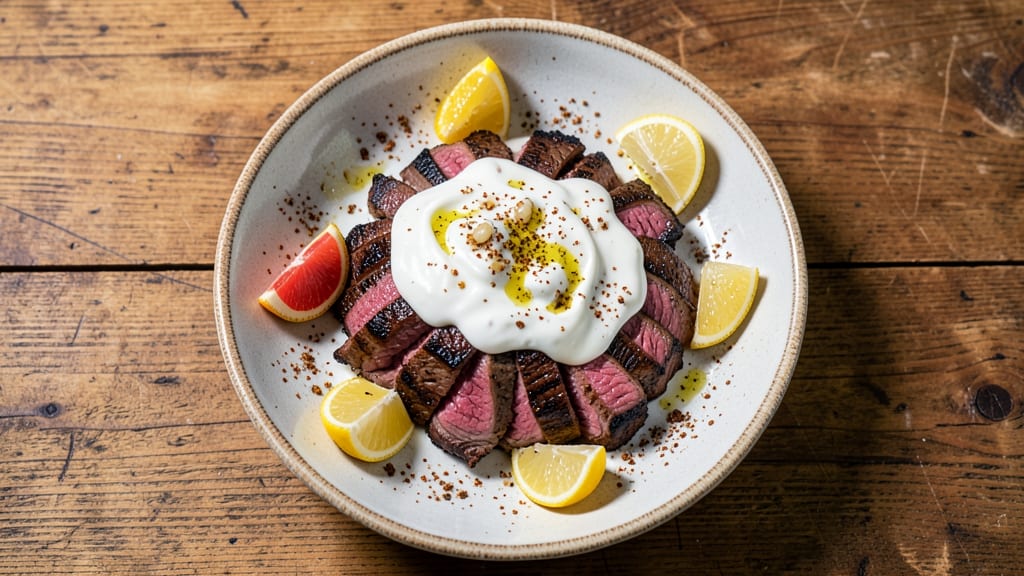
This beef and Greek yogurt recipe transforms ordinary steak into a restaurant-worthy dish with tender, silky texture and bright, tangy depth. The secret lies in a marinade where Greek yogurt tenderizes the meat while adding a creamy, slightly acidic contrast to rich beef flavors.
I developed this technique after years of experimenting with yogurt-based marinades—it never fails to impress, even with tougher cuts like flank or sirloin.
The process begins with a simple yet effective marinade of Greek yogurt, garlic, lemon juice, and warm spices that work together to break down muscle fibers. After a few hours, the beef becomes incredibly tender, with a surface that sears beautifully on the grill or skillet.
The yogurt also creates a natural basting sauce during cooking, locking in juices and adding a velvety finish. This method delivers results that feel luxurious without requiring special ingredients or techniques.
What you’ll end up with is perfectly balanced beef—juicy, flavorful, and coated in a subtle yogurt glaze that adds complexity. The tanginess cuts through the richness, creating a harmony that’s both satisfying and elegant.
Serve with a simple side of roasted vegetables or a fresh salad to let the beef shine as the star. The technique is straightforward, but the outcome feels like a special occasion meal every time.
Whether you’re grilling for summer or cooking indoors during cooler months, this recipe adapts effortlessly. The marinade can be prepped ahead, and the cooking process is quick once you’re ready.
For an extra touch, finish the dish with a sprinkle of fresh herbs or a drizzle of olive oil. Here’s how to bring it together perfectly.
Ingredients for beef and greek yogurt
Greek yogurt and warm spices transform tough cuts into silky, restaurant-quality beef.
| Ingredient | Amount | Notes |
|---|---|---|
| Beef (Flank or Sirloin Steak) 🥩 | 1 ½ lb | Thinly sliced against grain |
| Plain Greek Yogurt 🧀 | 1 cup | Full-fat for richness |
| Garlic Cloves 🧄 | 6 cloves | Minced for marinade |
| Lemon Juice 🍋 | ¼ cup | Freshly squeezed |
| Ground Cumin 🌿 | 1 tsp | Toasted for depth |
| Ground Coriander 🌶️ | 1 tsp | For earthy warmth |
| Paprika 🌶️ | 1 tsp | Smoked variety preferred |
| Salt 🧂 | 1 ½ tsp | Kosher or sea salt |
| Black Pepper 🌶️ | ½ tsp | Freshly ground |
| Olive Oil 🫒 | 2 tbsp | Extra-virgin for richness |
| Fresh Parsley 🌿 | ¼ cup | Chopped for garnish |
The beef cut matters here—flank or sirloin are ideal for their tenderness when sliced thin. Trader Joe's or Whole Foods carry pre-sliced versions, but buying a whole cut and slicing against the grain yourself ensures maximum tenderness. Look for beef with good marbling; it adds flavor and juiciness. For Greek yogurt, full-fat plain is non-negotiable—it delivers the creamy texture and richness that non-fat versions lack. Fage or Siggi's are reliable brands, but any plain Greek yogurt will work if it's full-fat. The spices should be fresh; if your cumin or coriander smells stale, toast them lightly in a dry pan to revive their aroma.
No Greek yogurt? Sour cream or vegan yogurt can substitute, though texture will differ slightly. Fresh garlic is best, but if you're short on time, jarred minced garlic works in a pinch—just use half the amount. The lemon juice can be bottled, but freshly squeezed adds a brighter tang. For the spices, ground cumin and coriander are essential; they balance the yogurt's creaminess with earthy warmth. If you're missing paprika, a pinch of cayenne adds heat, but smoked paprika's depth is hard to replicate. The olive oil should be high-quality—extra-virgin adds fruity notes that complement the marinade. For garnish, parsley brightens the dish, but fresh cilantro or dill work equally well if you prefer.
Marinate the beef for at least 4 hours, but overnight is ideal for maximum tenderness. Store the marinade and beef in an airtight container in the fridge. The marinade itself keeps for 3 days if you want to prep ahead. Cooked beef reheats beautifully—sear the steak just before serving for the best texture. Leftovers keep for 3-4 days in the fridge, though the flavor is best enjoyed fresh. For meal prep, slice the cooked beef thinly and store it with a drizzle of olive oil to keep it moist. The yogurt marinade also makes an excellent sauce—simply reduce it on the stove for a quick glaze.
Why You'll Love This Recipe
- One-Pan Magic: I swear by this for nights when I’m too tired to scrub pots—just sear the beef, toss in the yogurt sauce, and let the oven do the work. The cumin and lemon cut through the richness while the yogurt keeps it light, and honestly? I’ve never had a dish this simple taste so satisfying.
- Tangy Twist: That yogurt sauce isn’t just creamy—it’s bright, thanks to the lemon and garlic. The beef stays juicy while the sauce clings like a dream, and the cumin adds this warm, earthy kick that makes it taste like you slaved over it. (Between us, it’s my go-to when I want restaurant flavors without the fuss.)
- Leftover Hero: This recipe actually improves the next day—yes, really. The beef gets even more tender, and the yogurt sauce thickens just enough to coat every bite. I pack it for lunches or reheat it for dinner, and my kids still beg for seconds. (Not the prettiest, but the taste makes up for it.)
- Budget Boost: Flank steak stretches further than you’d think when sliced thin, and Greek yogurt is cheaper than sour cream. A few cloves of garlic and a splash of lemon juice turn basic ingredients into something special—no fancy marinades or expensive sauces needed. My wallet and taste buds thank me every time.
Step-by-step instructions for tangy-marinated steak with Greek yogurt
Here's how to transform simple ingredients into restaurant-quality beef with a velvety, tangy finish.
Prepare the Marinade with Exact Measurements
In a medium bowl, combine the 1 cup plain Greek yogurt, 2 tablespoons olive oil, 6 minced garlic cloves, 0.25 cup lemon juice, 1 teaspoon ground cumin, 1 teaspoon ground coriander, 1 teaspoon paprika, 1.5 teaspoons salt, and 0.5 teaspoon black pepper. Use a whisk to blend until completely smooth—no lumps should remain. The marinade should have a thick, creamy consistency that will cling perfectly to the beef.
I like to press the garlic through a garlic press for even distribution, but mincing works too. The yogurt's acidity will tenderize the beef while the spices add depth. Let the marinade sit at room temperature for 5 minutes before using—this allows the flavors to meld slightly and prevents temperature shock when applied to the meat.
Slice and Marinate the Beef for Optimal Texture
Using a sharp knife, slice the 1.5 lb beef (flank or sirloin steak) thinly against the grain into ¼-inch thick strips. This step is crucial—thin slices cook quickly and remain tender. Arrange the beef strips in a single layer in a shallow dish or resealable plastic bag.
Pour the prepared marinade over the beef, ensuring each piece is fully coated. I recommend massaging the marinade into the beef with clean hands for 2-3 minutes—this helps it penetrate deeply. Cover the dish or seal the bag and refrigerate for at least 2 hours, or up to 8 hours for maximum flavor development. The longer it marinates, the more tender and flavorful the beef becomes.
Cook the Beef to Perfect Doneness
Heat a large skillet over medium-high heat until hot but not smoking. Add the marinated beef in a single layer, leaving space between pieces to prevent steaming. Cook undisturbed for 2-3 minutes until the bottoms develop a golden crust. Flip carefully and cook for another 1-2 minutes until the internal temperature reaches 145°F for medium-rare (use an instant-read thermometer for accuracy).
Remove the beef from the skillet and let it rest on a plate for 5 minutes—this allows the juices to redistribute, ensuring each bite is moist and flavorful. Real talk: Don't skip this resting step. The beef will continue cooking slightly from residual heat, and skipping it leads to dry, tough slices.
Finish with Fresh Herbs and Garnish
While the beef rests, return the skillet to medium heat and pour in any accumulated marinade juices. Let it simmer for 1-2 minutes until slightly thickened. Stir in the 0.25 cup chopped fresh parsley and cook for an additional 30 seconds to infuse the herbs' bright flavor into the sauce.
Slice the rested beef against the grain into ¼-inch strips (if not already sliced) and toss gently with the parsley-infused marinade. Serve immediately over couscous, in wraps, or with crusty bread to soak up every last drop of that tangy, herby sauce. The contrast of the silky yogurt-marinated beef against warm grains or fresh bread is what makes this dish truly special.
Pro Tips For Making Beef And Greek Yogurt
- Sear the Beef First: High heat for 2 minutes per side before adding yogurt—this locks in flavor and prevents the sauce from turning into a watery mess. I learned this the hard way when my first batch looked like a sad, gray stew instead of a rich, caramelized dish.
- Strain the Yogurt: Thick, clumpy yogurt makes the sauce heavy and unappetizing. Strain it through a clean towel or cheesecloth for 10 minutes before using—this gives you a silky, velvety base that clings to the beef instead of pooling.
- Don’t Skip the Rest: Pull the beef off heat at 155°F (medium-rare) and tent it with foil for 5 minutes. Cutting into it too soon turns tender meat into dry, chewy disappointment—trust the thermometer, not your guesswork.
- Toast the Cumin: Bloom the ground cumin in oil for 30 seconds before adding garlic—this wakes up its earthy aroma and prevents it from tasting raw. Skip this, and your dish will smell underwhelming, no matter how good the rest of the ingredients are.
Essential equipment for beef and greek yogurt
Skillet Essentials
Start with a heavy-bottomed cast-iron skillet—I swear by my Lodge 10.25-inch—because it distributes heat evenly and retains it perfectly for searing. The thick base prevents hot spots that can burn your yogurt-marinated beef while keeping the center juicy.
If you don’t own cast iron, a stainless steel skillet like All-Clad works too, though it requires more attention to heat control. Preheat your skillet over medium-high heat until it’s hot enough to sizzle the beef immediately upon contact. 🔥
Marinating Tools
For marinating, a resealable plastic bag with a zip-top is my go-to—it maximizes surface area contact and prevents spills. If you prefer glass, use a shallow glass dish with a tight-fitting lid.
For massaging the marinade into the beef, wear latex or nitrile gloves (they’re easier to clean than bare hands). A sharp chef’s knife with a 10-inch blade is non-negotiable for slicing the beef against the grain—my Wüsthof Classic does the job flawlessly. 💪
Temperature Control
An instant-read thermometer is your best friend here—ThermoWorks Thermapen is my top pick because it’s fast and accurate. You’ll need it to check the beef’s internal temperature (145°F for medium-rare) and to monitor skillet heat.
If you’re grilling instead of pan-searing, a two-zone fire setup (indirect heat for cooking, direct for searing) ensures even cooking. For indoor cooking, a digital meat thermometer with a probe keeps things foolproof. ⏰
Optional Upgrades
For extra convenience, a garlic press saves time when mincing cloves—just press 6 cloves directly into the marinade. A microplane is useful for zesting lemon if you want to add brightness. If you’re making this a weekly staple, a food processor can quickly chop ¼ cup parsley for garnish.
For presentation, a slate serving board or wooden cutting board adds rustic charm to your finished dish. 💫
Budget-Friendly Basics
No fancy tools? No problem. A large nonstick skillet works in a pinch for searing, though cast iron is still ideal. Use a meat mallet (or even a rolling pin) to tenderize the beef if you’re skipping the marinade step.
A basic kitchen scale ensures precise measurements for the marinade—OXO Good Grips is affordable and reliable. For temperature checks, a candy thermometer (like Thermoworks One) doubles as a beef thermometer. The key is consistency, not cost. 💡
Nutrition facts
Frequently asked questions
Can I use Greek yogurt with this recipe if I'm lactose intolerant?
Yes! Opt for a lactose-free Greek yogurt or a vegan coconut yogurt instead. The tangy acidity remains similar, though the texture may be slightly thinner. Brands like Silk or Forager offer great vegan alternatives that work beautifully in this marinade. Just ensure it's full-fat for the best results.
What's the best way to slice beef against the grain for maximum tenderness?
First, identify the grain by looking for the muscle fibers' natural direction. Then, slice perpendicular to those fibers using a sharp knife and steady pressure. For flank steak, cut at a 45-degree angle to create thin, tender strips. A meat slicer or mandoline helps if you're not confident with freehand slicing.
Can I make this recipe with ground beef instead of steak?
Use 80/20 ground beef (80% lean, 20% fat) for juiciness, and brown it in the skillet until it reaches 160°F. The yogurt marinade works perfectly with ground beef, adding moisture and flavor. Just reduce cooking time to 3-4 minutes total—ground beef cooks much faster than sliced steak.
What if the marinade separates or looks curdled?
This happens when the yogurt reacts to acidic ingredients like lemon juice. Whisk vigorously to re-emulsify, then proceed with the recipe. For extra insurance, mix 1 teaspoon cornstarch into the marinade to stabilize it. If it's already separated in the fridge, simply whisk before using—it won't affect the flavor or texture of the beef.
How can I use leftover yogurt-marinated beef?
Leftover beef works perfectly in wraps with hummus and greens, grain bowls with quinoa and roasted veggies, or stuffed peppers. Reheat gently in a skillet with 1 tablespoon olive oil over low heat for 2-3 minutes to restore moisture. Store leftovers in an airtight container for up to 4 days.