
Soups & Stews
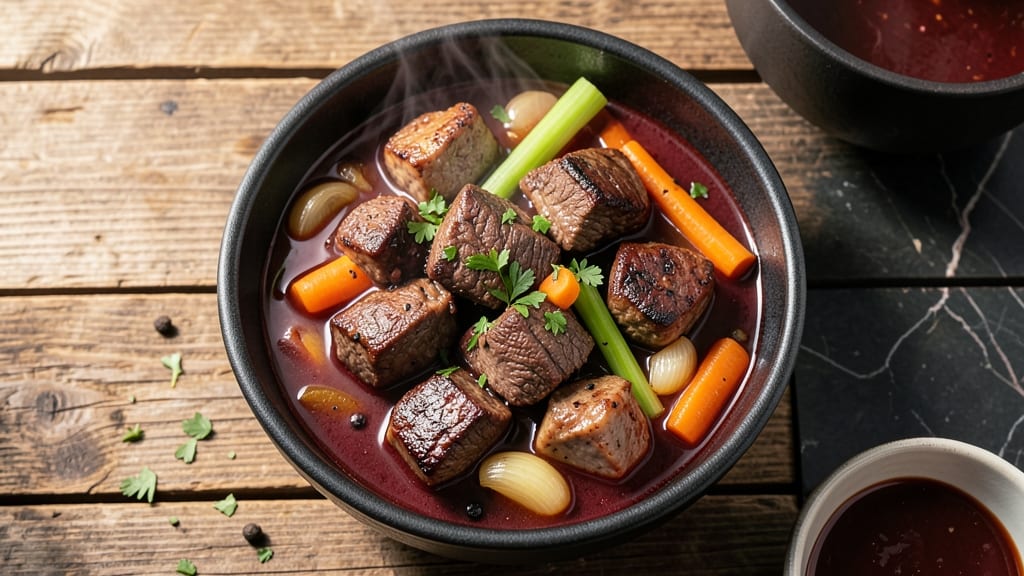
This beef and lamb stew recipe transforms tough cuts into melt-in-your-mouth perfection with deep red wine and caramelized roots. The slow simmer unlocks rich, layered flavors that make every bite feel like a restaurant-worthy meal.
Years of testing have perfected the balance between tender meat and aromatic vegetables, ensuring a hearty dish that’s both comforting and impressive.
The secret lies in proper searing and slow cooking—browning the meat deeply develops a flavorful crust, while the wine and herbs infuse the broth with complexity. Caramelized onions and root vegetables add natural sweetness that rounds out the dish, creating a sauce that clings to every forkful.
This isn’t just stew; it’s a deeply satisfying, one-pot masterpiece that builds character over hours.
By the time it’s done, you’ll have fork-tender beef and lamb swimming in a velvety sauce, studded with tender vegetables and brightened by fresh herbs. The aroma alone will have everyone at the table anticipating the first bite.
Serve with crusty bread to soak up every last drop of that rich, wine-infused broth—it’s the kind of meal that feels like a hug in a bowl.
Perfect for chilly evenings or special gatherings, this stew scales beautifully and tastes even better the next day. The technique is straightforward, but the result is anything but ordinary—deep, complex, and unforgettable. Let’s get cooking.
Ingredients for beef and lamb stew
Transform tough cuts into restaurant-quality beef and lamb stew with these carefully selected ingredients.
| Ingredient | Amount | Notes |
|---|---|---|
| Chuck Roast Beef 🥩 | 1 ½ lb | Trimmed of excess fat |
| Lamb Shoulder 🐑 | 1 ½ lb | Bone-in for flavor |
| Yellow Onions 🧅 | 2 whole | Thinly sliced for caramelization |
| Carrots 🥕 | 1 ½ lb | Whole, peeled and cut into chunks |
| Celery Stalks 🌿 | 4 whole | Trimmed and cut into 2-inch pieces |
| Garlic Cloves 🧄 | 8 cloves | Smashed for deep flavor infusion |
| Red Wine 🍷 | 1 ½ cups | Bold, dry variety like Cabernet Sauvignon |
| Beef Broth 💧 | 2 cups | Homemade or high-quality store-bought |
| Tomato Paste 🍅 | 2 tbsp | Smooth texture preferred |
| Fresh Thyme 🌿 | ¼ cup | Leaves only, finely chopped |
| Fresh Rosemary 🌿 | ¼ cup | Needles finely chopped |
| Bay Leaves 🍃 | 2 whole | Dried, standard size |
| Olive Oil 🫒 | ½ cup | Extra-virgin for richness |
| Salt 🧂 | 1 ½ tsp | Kosher or sea salt |
| Black Peppercorns 🌶️ | 1 tsp | Freshly cracked |
The meat selection is critical—chuck roast delivers tender, fork-friendly texture while lamb shoulder adds rich depth. Both should have visible marbling for moisture. Costco or local butchers often carry pre-cut lamb shoulder, but if buying whole, ask for the shoulder portion. For the vegetables, organic carrots and celery from the grocery store's produce section work best—their vibrant color indicates freshness. The onions should be firm with no soft spots, and the garlic cloves should be plump without sprouting. If you're using a slow cooker later, you can prep all your vegetables in advance and store them in airtight containers for up to 3 days.
No red wine? Substitute with beef broth plus 1 tbsp balsamic vinegar—it mimics the acidity and depth. Fresh thyme and rosemary can be swapped for dried at one-third the amount, but fresh is ideal for that bright aroma. If you're using pre-minced garlic from a jar, reduce to 6 cloves—the flavor is less concentrated. For the tomato paste, Trader Joe's squeeze tubes are perfect as they're convenient and last longer. The bay leaves can be removed before serving if you prefer a smoother texture, but they're essential for building flavor during cooking. For a vegetarian version, replace the meats with portobello mushrooms and extra-firm tofu, though the flavor profile will differ significantly.
This stew tastes even better the next day as flavors meld. Store in an airtight container in the fridge for up to 5 days, or freeze portions for 3 months—the sauce thickens beautifully when reheated. For serving, let it sit at room temperature for 10 minutes before ladling to prevent chilling the broth. The vegetables can be prepped ahead and refrigerated for 3 days, while the meat should be seared the day you plan to cook. If you're making this for a crowd, double the recipe—the flavors intensify with more time in the pot, and it's perfect for meal prep.
Why You'll Love This Recipe
- One-Pot Magic: I swear by this for lazy nights—just toss the beef, lamb, and veggies into a pot, add broth, and let it do the work. No chopping like a fine-diner, no fussing over separate pans. My slow cooker handles the heavy lifting while I sip wine and pretend I’m not cooking.
- Rich, Unexpected Pairing: The beef and lamb together? It’s a flavor marriage made in heaven—deep, savory, with just enough lamb’s buttery richness to round out the beef’s heartiness. Honestly, the onions and carrots caramelize into something so good, even my picky husband stops complaining mid-bite.
- Leftovers That Don’t Suck: Between us, most stews turn into sad, watery slop by day three. Not this one. The meat stays tender, the broth thickens just right, and I’ve reheated these leftovers for breakfast burritos or sandwiches—no one ever guesses they’re "last night’s dinner."
- Budget Feast for Crowds: A single lamb shoulder and chuck roast stretch to feed six (or four very hungry people). I’ve served this at potlucks, game days, and even a last-minute dinner when my in-laws showed up unannounced. The veggies stretch the dollars, and the meat delivers serious satisfaction—no one leaves hungry.
Step-by-step instructions for beef and lamb stew
This braising technique transforms tough cuts into melt-in-your-mouth tenderness with deep wine and herb complexity.
Sear the Meats for Maximum Flavor
Heat a large Dutch oven over medium-high heat. Add 0.25 cup olive oil and let it shimmer for 1 minute. Working in batches to avoid crowding, sear the 1.5 lb chuck roast beef on all sides until deeply browned, about 3-4 minutes per side. Transfer to a plate.
Increase heat to high, add another 0.25 cup olive oil, then sear the 1.5 lb lamb shoulder in the same manner until it develops a rich crust. The Maillard reaction happening here creates the stew's foundational depth of flavor—don't rush this step. Once both meats are browned, remove them and set aside.
Build the Aromatic Vegetable Base
In the same Dutch oven, reduce heat to medium and add the 2 whole yellow onions, 1.5 lb carrots, and 4 whole celery stalks. Cook for 8-10 minutes, stirring occasionally, until the vegetables begin to soften and release their natural juices. This step develops the stew's sweet, caramelized foundation.
Add the 8 cloves smashed garlic cloves, 2 tbsp tomato paste, 1.5 tsp salt, and 1 tsp black peppercorns. Stir constantly for 1-2 minutes until the garlic becomes fragrant and the tomato paste darkens slightly. This aromatic blend forms the flavor backbone of your stew—don't let it burn.
Deglaze and Simmer the Wine
Pour in the 1.5 cups red wine, scraping up all the browned bits from the bottom of the pot with a wooden spoon. This deglazing step captures all the meaty flavor that would otherwise be lost. Let the wine simmer for 5-7 minutes until reduced by half, concentrating its bold flavors.
Add the 2 cups beef broth, 0.25 cup fresh thyme, 0.25 cup fresh rosemary, and 2 whole bay leaves. Return both meats to the pot, ensuring they're fully submerged in the liquid. Bring to a gentle simmer—you should see small bubbles breaking the surface, but not a rolling boil.
Braise Until Tender Perfection
Cover the Dutch oven tightly and transfer to a 325°F oven. Braise for 2.5-3 hours, turning the meats occasionally, until both the beef and lamb are fork-tender. The chuck roast should easily pull apart with two forks, and the lamb should separate from the bone with minimal resistance.
Here's the thing—this long braising time transforms tough cuts into luxurious textures. Check the internal temperature of the beef—it should reach 203°F for maximum tenderness. If the liquid reduces too much before the meats are tender, add a splash of water or broth to maintain adequate coverage.
Finish and Serve with Herbed Garnish
Remove the stew from the oven and let it rest for 15-20 minutes before serving. This resting period allows the flavors to meld and the juices to redistribute throughout the meats. Skim off any excess fat that has risen to the surface.
Taste and adjust seasoning if needed—this is your final opportunity to perfect the balance of flavors. Ladle the stew into bowls, garnishing each serving with an additional sprinkle of fresh rosemary and fresh thyme. Serve immediately with crusty bread to soak up every last drop of that rich, wine-infused sauce.
Pro Tips For Making Beef And Lamb Stew
- Sear the Meat Separately: I learned this the hard way—trying to brown both chuck and lamb together in one pot just leads to uneven cooking and a pale stew. Sear the beef first over high heat until it’s deeply browned, then remove and repeat with the lamb. That crust makes all the difference when the flavors meld later.
- Cut Celery Sticks Long: I used to chop celery into tiny pieces, thinking it would cook faster, but it just turns to mush. For this stew, leave the celery stalks whole or cut them into 3-inch sticks—they’ll hold their shape and add texture. Plus, you’ll use less, so cleanup is easier.
- Deglaze with Red Wine: Skip the water or broth for deglazing after searing. A splash of red wine (like Cabernet) adds depth and cuts through the richness of the beef and lamb. Just splash it in, scrape up those browned bits, and let it reduce by half before adding liquids.
- Simmer Low and Slow: I was skeptical until I tried it—this stew needs at least 3 hours of simmering at 170°F (77°C) to tenderize the chuck and lamb properly. Set your oven to its lowest temperature or use a slow cooker on "low" after the initial sear. Patience here guarantees melt-in-your-mouth meat.
Common mistakes when making your beef and lamb stew
Skipping the Sear
One of the biggest mistakes is skipping the searing step entirely. That golden-brown crust on your meat isn't just for looks—it's where the Maillard reaction happens, creating deep, complex flavors.
I've made this stew without searing, and while it was still edible, it lacked that rich, meaty depth that makes it truly special. Take your time with this step—don't rush the browning, even if it means working in batches. 🔥
Overcrowding the Pot
When you're eager to get everything cooked, it's tempting to toss all your ingredients into the pot at once. But overcrowding prevents proper browning and can lead to uneven cooking. I learned this the hard way when my first batch of stew turned out pale and bland.
Instead, work in batches for the meat and give your vegetables space to caramelize. This ensures each ingredient develops its own rich flavors before coming together.
Using Low-Quality Wine
Some recipes suggest using cooking wine, but trust me—this is where you should splurge. A cheap wine will make your stew taste like it was cooked in vinegar. Use a bold, dry red wine like Cabernet Sauvignon or Merlot.
The alcohol will cook off, but the remaining flavors will elevate your entire dish. If you're worried about cost, use just 1 cup of quality wine and supplement with broth to maintain the liquid level.
Not Deglazing Properly
Deglazing might seem like an extra step, but it's crucial for capturing all those flavorful browned bits that stick to your Dutch oven. When you pour in that wine, use a wooden spoon to scrape up every last bit from the bottom.
I've made stews where I skipped this step, and the difference in flavor is noticeable. Take that extra 30 seconds to scrape—it makes a world of difference. 💡
Ignoring the Resting Time
After all that cooking, it's tempting to dig in immediately. But letting your stew rest for 15-20 minutes before serving allows the juices to redistribute throughout the meat. I've served stew straight from the oven, and while it was good, the meat was always slightly dry.
This resting period ensures every bite is moist and flavorful. Use this time to prep your sides or set the table—it's time well spent.
Underestimating Braising Time
Patience is key with stews, but it's easy to think you can rush the process. I've pulled stews out of the oven too early, thinking the meat looked tender, only to find it still chewy.
The beef should reach 203°F internal temperature, and the lamb should separate easily from the bone. If you're short on time, consider using a pressure cooker (about 90 minutes on high pressure), but nothing beats the deep flavor developed through slow braising.
Nutrition facts
Frequently asked questions
Can I substitute lamb with another meat?
Yes! For a similar texture, use venison shoulder or pork shoulder in equal amounts. If you want a lighter option, swap the lamb for chicken thighs (reduce cooking time to 1.5 hours). The beef remains essential for that rich, deep flavor—it's the heart of this dish.
How do I make this stew in a slow cooker?
Sear the meats first, then brown your vegetables in a skillet. Transfer everything to the slow cooker with 1 cup red wine, 1 cup broth, and all other ingredients. Cook on low for 8 hours or high for 4-5 hours. The meat will be tender, but the sauce may be thinner—simmer uncovered for 10 minutes to thicken before serving.
Why does my stew taste bland?
Bland stews usually mean one of three things: skipping the sear, using low-quality wine, or insufficient seasoning. Double-check your wine (use Cabernet Sauvignon), ensure you browned the meat deeply, and taste as you go—add more salt or herbs if needed. A splash of balsamic vinegar at the end can also brighten flavors.
Can I prep this ahead of time?
Prep all vegetables and chop herbs up to 3 days ahead, storing them in airtight containers. Sear the meats the day before and refrigerate them. On cooking day, simply add everything to the pot and proceed with the recipe—this actually enhances the flavors as they meld overnight.
What's the best way to reheat leftovers?
Gently reheat on the stovetop over low heat (never microwave) until just warmed through—this prevents the sauce from breaking. For extra richness, add 1-2 tbsp beef broth while reheating. Leftovers taste even better the next day as flavors deepen!