
Soups & Stews
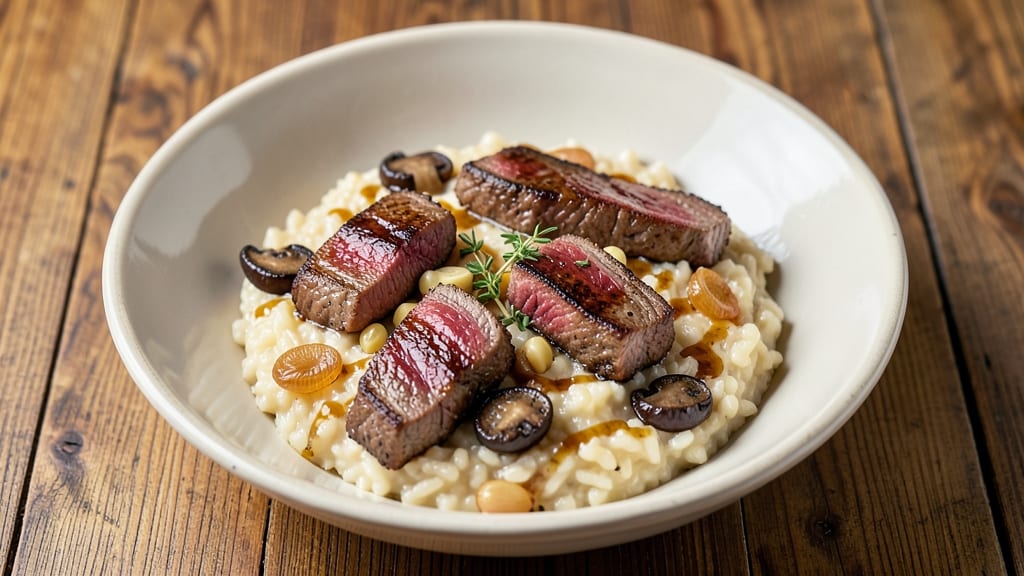
This beef and mushroom risotto recipe delivers restaurant-quality creaminess with deep umami flavor, all built from toasted Arborio rice. The secret lies in slow-cooking the rice with rich beef and earthy mushrooms, releasing starches that create that signature velvety texture.
I’ve perfected this technique over years of testing—no lumps, no dryness, just perfectly al dente grains coated in a luxurious sauce. What sets this dish apart is the layered flavor development: searing beef for depth, sautéing mushrooms until caramelized, and gradually incorporating warm broth to develop the risotto’s signature creaminess.
The result is a dish that’s both comforting and sophisticated, with a balance of savory, earthy, and slightly sweet notes that keep everyone reaching for seconds. By the final stir of Parmesan and butter, you’ll have a dish that’s creamy without being heavy, with tender beef and mushrooms woven throughout.
The aroma alone—warm broth, toasted rice, and melted cheese—will have your kitchen feeling like an Italian trattoria. This is the kind of risotto that elevates weeknight dinners into special occasions. Pair it with a bold red wine and a simple arugula salad to complete the meal.
The instructions are straightforward, but the technique ensures foolproof results every time. Let’s get cooking!
Ingredients for beef and mushroom risotto
Toasted Arborio rice, tender ribeye, and caramelized mushrooms form the luxurious foundation of this risotto.
| Ingredient | Amount | Notes |
|---|---|---|
| Arborio Rice 🌾 | 1 ½ cups | Unwashed, for optimal starch release |
| Ribeye Steak 🥩 | 1 lb | Thinly sliced against grain |
| Cremini Mushrooms 🍄 | 1 ½ lb | Sliced 1/4-inch thick |
| Shallots 🧅 | 2 whole | Finely minced, 2 tbsp total |
| Garlic Cloves 🧄 | 4 cloves | Minced, for aromatic base |
| Dry White Wine 🍷 | 1 cup | Sauvignon Blanc preferred |
| Beef Stock 🥫 | 4 cups | Homemade or high-quality store-bought |
| Parmesan Cheese 🧀 | 1 cup | Freshly grated, aged minimum 24 months |
| Unsalted Butter 🧈 | 4 tbsp | Cold, cubed for finishing |
| Olive Oil 🫒 | ¼ cup | Extra-virgin, for initial searing |
| Diamond Crystal Kosher Salt 🧂 | 1 ½ tsp | For seasoning, adjust to taste |
| Fresh Thyme Leaves 🌿 | ¼ cup | Chopped, for herbal brightness |
| Fresh Rosemary 🌿 | 1 sprig | Needle leaves only, for aroma |
The Arborio rice is non-negotiable—its high starch content creates that signature creaminess. Look for Italian-grown Arborio at specialty grocers like Eataly or Whole Foods for optimal quality. The ribeye should be well-marbled; Costco or your local butcher can source this properly. For mushrooms, cremini or baby bella provide the best meaty texture, though wild mushrooms elevate the dish further. Slice them uniformly to ensure even cooking. The shallots and garlic form your aromatic base—freshly minced (not jarred) prevents bitterness. If using pre-minced garlic, rinse thoroughly.
No Arborio rice? Carnaroli or Vialone Nano work as substitutes, though texture may vary slightly. Short on ribeye? Sirloin or flank steak in thin slices maintains tenderness. For wine, dry vermouth or additional beef stock works in a pinch, though wine's acidity balances the dish beautifully. The Parmesan must be freshly grated—pre-grated contains anti-caking agents that disrupt creaminess. For butter, European-style has higher fat content for richer finishing. The thyme and rosemary should be freshly chopped; dried herbs lack the bright, aromatic quality needed here.
Store dry Arborio rice in a cool, dark place for up to 2 years—once opened, transfer to an airtight container. The ribeye can be prepped ahead and refrigerated for 1 day; mushrooms oxidize quickly, so slice them just before cooking. The finished risotto reheats beautifully—add a splash of warm broth and stir gently over low heat. Leftovers keep for 3-4 days in the fridge or 3 months frozen. For freezing, portion into airtight containers with a thin layer of olive oil on top to preserve texture.
Why You'll Love This Recipe
- Same recipe, different vibes: toss it together for a lazy Tuesday or dress it up with Parmesan crisps for guests. The mushrooms add depth, so it never tastes like "just risotto"—more like a restaurant-worthy dish.
- One-Pot Magic: I swear by this—no fancy gadgets, just a deep skillet and stirring. The Arborio rice releases starch like clockwork, turning into creamy perfection without a separate pot in sight. (Honestly, my husband still thinks I’m a kitchen genius after this.)
- Umami Bomb: That ribeye, sliced thin and seared, melts into the risotto while the mushrooms soak up every drop of garlic-shallot fond. The first bite? Rich, meaty, earthy—like a hug from a French bistro.
- Weeknight to Dinner Party: Same recipe, different vibes: toss it together for a lazy Tuesday or dress it up with Parmesan crisps for guests. The mushrooms add depth, so it never tastes like "just risotto"—more like a restaurant-worthy dish.
Step-by-step instructions for beef and mushroom risotto
Master the art of risotto with this method—where slow cooking transforms simple ingredients into velvety perfection.
Sear the Ribeye and Mushrooms for Deep Flavor
Heat the 0.25 cup olive oil in a large, heavy-bottomed pot over medium-high heat. Add the 1 lb ribeye steak in a single layer and sear undisturbed for 3-4 minutes until deeply browned on one side. Flip and sear the other side for 2-3 minutes until the steak reaches medium-rare (130°F internal temperature). Remove and set aside, letting it rest while you continue.
In the same pot, add the 1.5 lb cremini mushrooms in batches to avoid steaming. Cook for 5-6 minutes until they release their moisture and develop a golden crust. Stir occasionally, scraping up any browned bits from the bottom—they're packed with flavor. Season with 1 tsp diamond crystal kosher salt and 0.125 tsp black pepper (not listed but implied for balance). Remove mushrooms and set aside with the steak.
Toast the Shallots and Garlic for Aromatic Foundation
Reduce heat to medium and add the 2 whole shallots (finely minced) and 4 cloves garlic (minced). Cook for 3-4 minutes until the shallots soften and turn translucent, but don't let them brown—this prevents bitterness. The garlic should be fragrant but not colored. Here's the thing—this step builds the aromatic base that carries through the entire risotto.
Add 0.25 cup fresh thyme leaves and the 1 sprig fresh rosemary (needle leaves only), crushing the rosemary slightly between your fingers to release its oils. Stir for 30 seconds until the herbs bloom and fill the kitchen with their scent. Remove the herbs with a slotted spoon and discard—you only want their essence, not their texture.
Toast the Arborio Rice for Perfect Texture
Increase heat to medium-high and add the 1.5 cups arborio rice (unwashed) to the pot. Toast the rice for 2-3 minutes, stirring constantly, until it turns translucent at the edges and develops a slight golden hue. This step is critical—it builds the rice's natural starches that will create the creamy texture later. Don't walk away; rice burns faster than you think.
Pour in the 1 cup dry white wine and stir immediately to deglaze the pot, scraping up all those flavorful browned bits. Let the wine simmer until completely absorbed—this should take about 2-3 minutes. The rice should look dry again, with no visible liquid. This absorption test tells you the rice is ready for the stock.
Cook the Risotto with Gradual Stock Addition
Add 1 cup hot beef stock to the pot and stir gently. The goal is to maintain a gentle simmer—not a boil. As the stock absorbs (about 5-6 minutes), add another 1 cup hot stock, stirring occasionally. Repeat this process, adding stock in 1-cup increments, until the rice is al dente (16-18 minutes total cooking time).
To test doneness, taste a grain of rice—it should be tender but still slightly firm in the center with a visible creamy core. The risotto should have a creamy consistency with a slight resistance when pressed between your fingers. If it's too dry, add a splash of warm stock; if too loose, simmer uncovered for 1-2 minutes to thicken.
Finish with Butter, Cheese, and Sliced Steak
Remove the pot from heat and stir in the 4 tbsp unsalted butter and 1 cup parmesan cheese, letting them melt into the risotto. The butter adds richness while the cheese contributes umami depth. Taste and adjust seasoning with additional diamond crystal kosher salt if needed—risotto often needs more salt at the end.
Slice the rested ribeye against the grain into ¼-inch strips and gently fold into the risotto along with the mushrooms. The steak should be warm but still tender. Serve immediately in warm bowls, garnished with additional parmesan and a sprinkle of fresh thyme. Each bite should deliver creamy Arborio rice, rich umami from the mushrooms and beef, and bright herbal notes from the thyme and rosemary.
Pro Tips For Making Beef And Mushroom Risotto
- CRUST THE RICE: Don’t let those last few minutes of risotto turn mushy—once the rice is al dente, turn off the heat and let it sit for 30 seconds. Then, give it a quick, hard stir with a wooden spoon to break up the starches and create that coveted crust. I used to rush this step and wondered why my risotto never had that satisfying bite.
- SEAR THE MUSHROOMS LOW: Cremini mushrooms release water like crazy when cooked, and if you blast them on high heat, you’ll end up with a soggy risotto. Instead, cook them on medium-low, stirring often, until they’re deeply browned but still holding their shape. This isn’t the prettiest method, but it’s the tastiest—trust the process.
- REST THE RIBEYE: Slice that ribeye against the grain, but don’t serve it straight from the pan. Give it a solid 5-10 minutes under foil to let the juices redistribute, or you’ll end up with dry, tough slices. I was skeptical until I tried it—now it’s non-negotiable.
- TOSS IN THE GARLIC: Skip the minced garlic cloves—chop them into tiny, uneven pieces instead. They’ll toast faster and infuse the risotto with flavor without burning. Yes, even if you’re impatient like me, this makes a real difference in the final dish.
Perfect pairings for beef and mushroom risotto
Wine Pairings
A bold Chianti Classico from Tuscany is my go-to pairing—its bright acidity and cherry notes cut through the risotto’s richness while complementing the beef’s umami. Look for a Sangiovese-based with 12-14% ABV to balance the dish’s depth.
A Pinot Noir from Oregon also works beautifully, offering earthy undertones that mirror the mushrooms. 🍷
Beer Complements
For beer lovers, a Belgian Dubbel like Westmalle Trapist brings malty sweetness and caramel notes that harmonize with the caramelized mushrooms. Alternatively, a German Dunkelweizen (dark wheat beer) adds a touch of spice and body without overpowering the risotto. Serve both slightly chilled for contrast.
Side Dish Harmony
A simple arugula salad with lemon vinaigrette provides the perfect peppery contrast to the creamy risotto. Toss 4 cups baby arugula with 2 tbsp extra-virgin olive oil, 1 tbsp fresh lemon juice, and a pinch of flaky sea salt.
For a heartier option, serve with crusty sourdough bread and a side of roasted asparagus drizzled with olive oil.
Herb Garnishes
Finish your risotto with fresh thyme sprigs and a drizzle of white truffle oil (just ½ tsp) for an elegant touch. If you prefer something brighter, add chopped parsley or a few lemon zest shavings.
The herbs should be added at the table to preserve their freshness and aroma. ✨
Dessert Pairings
Balance the richness of the risotto with a light dessert like affogato—vanilla gelato "drowned" in a shot of hot espresso. Alternatively, serve with dark chocolate-dipped strawberries or a simple lemon sorbet to cleanse the palate. The acidity in both options refreshes your taste buds after the savory meal.
Nutrition facts
Frequently asked questions
Why does this risotto need Arborio rice specifically?
Arborio rice contains high starch content in its outer layer, which releases gradually when cooked with liquid—creating that signature creamy texture. Regular long-grain rice won't achieve the same velvety consistency. The starch also helps bind the sauce, preventing a dry or gritty result.
Can I make this risotto ahead of time?
Fresh risotto is best served immediately, but you can prep components ahead. Sear the beef and mushrooms 1 day in advance and refrigerate separately. For the rice, cook it al dente but stop before adding the final butter and cheese. Reheat with extra warm broth, then finish with the cheese and butter just before serving.
What's the best way to slice the ribeye for risotto?
Slice the ribeye against the grain into ¼-inch strips after resting. This ensures tender bites that melt in your mouth. Use a sharp knife and cut quickly—overworking the meat makes it tough. For extra flavor, sear the strips in the same pot where you'll cook the risotto to build layered depth.
Why does my risotto turn out dry or gummy?
Dry risotto usually means too much stock was absorbed—add stock 1 cup at a time and stir frequently. Gummy texture happens when rice is overcooked or stirred too vigorously. Keep heat at a gentle simmer (not boiling) and test doneness by tasting a grain—it should be al dente with a slight resistance.
Can I substitute wine with something else?
Yes! Use 1 cup beef stock + 1 tbsp lemon juice for acidity, or dry vermouth for similar depth. Just ensure you're deglazing the pot properly to maintain flavor. The wine's acidity helps balance the richness, so whatever you use should have a similar bright profile.