
Soups & Stews
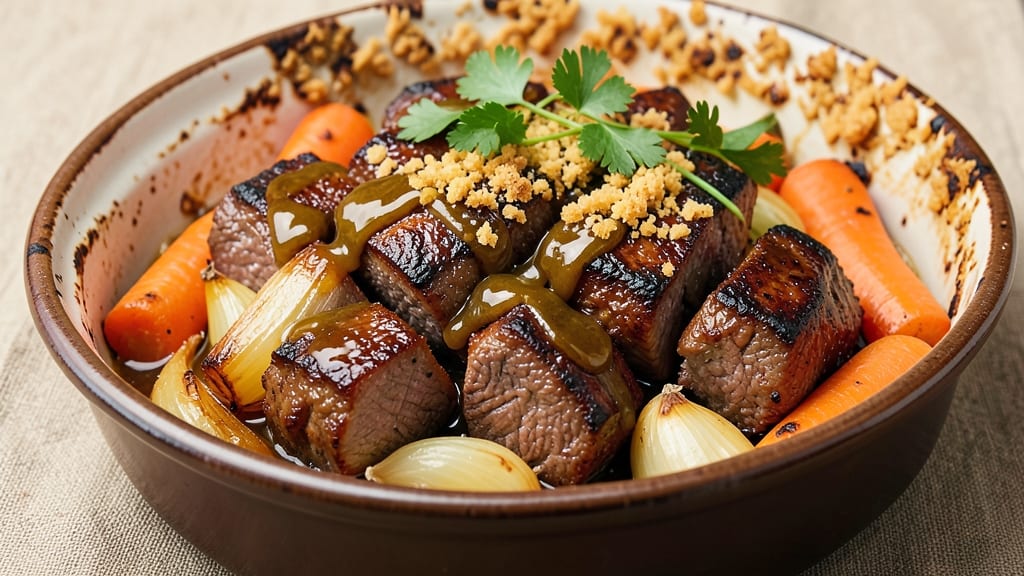
This beef and mustard recipe transforms tough cuts into tender, crispy-edged perfection with a tangy-sweet glaze that cuts through rich flavors.
The secret lies in slow-braising beef with onions, carrots, and a blend of Dijon and whole-grain mustard, creating a sauce that clings to every bite like a restaurant-worthy masterpiece.
I developed this after years of testing—too much mustard overpowers, too little lacks depth, so I perfected the balance for maximum flavor without bitterness.
The dish delivers crispy root vegetables alongside melt-in-your-mouth beef, all bathed in a glossy, caramelized sauce that's both savory and subtly sweet. What makes this recipe stand out is the dual texture: tender beef with a slightly crispy exterior, and vegetables that caramelize at the edges while staying tender inside.
The mustard adds complexity, while the slow cooking transforms inexpensive cuts into something luxurious.
This braise is ideal for feeding a crowd or meal prepping—it tastes even better the next day as flavors meld. The mustard glaze caramelizes beautifully, creating pockets of concentrated flavor that elevate every bite.
Serve with crusty bread to soak up the rich sauce or alongside roasted potatoes for a hearty meal that feels like a home-cooked masterpiece.
Ready in about 3 hours (mostly hands-off time), this recipe proves you don’t need fancy techniques to create restaurant-quality results. The mustard plays a starring role, balancing the richness of the beef while adding a bright, tangy kick that keeps the dish from feeling heavy.
Perfect for chilly evenings when you crave something comforting yet sophisticated.
Ingredients for beef and mustard
Sixteen ingredients, three hours of hands-off magic—transforming tough beef into restaurant-quality braise perfection.
| Ingredient | Amount | Notes |
|---|---|---|
| Beef Chuck Roast 🥩 | 3 lb | 3-inch cubes for even cooking |
| Yellow Onions 🧅 | 2 whole | Cut into 1-inch chunks |
| Carrots 🥕 | 1 ½ lb | Whole, scrubbed, cut into 2-inch pieces |
| Garlic Cloves 🧄 | 6 cloves | Smashed, not minced |
| Dijon Mustard 🍯 | ⅓ cup | High-quality for balance |
| Whole-Grain Mustard 🍯 | 0.17 cup | For texture and depth |
| Beef Broth 💧 | 3 cups | Low-sodium preferred |
| Red Wine 🍷 | 1 cup | Bold dry variety |
| Tomato Paste 🍅 | 2 tbsp | Smooth, not chunky |
| Olive Oil 🫒 | 2 tbsp | Extra-virgin for richness |
| Thyme Sprigs 🌿 | 4 whole | Fresh preferred |
| Bay Leaves 🍃 | 2 whole | Remove before serving |
| Salt 🧂 | 1 ½ tsp | Kosher salt, adjust to taste |
| Black Peppercorns 🌶️ | 1 tsp | Freshly cracked |
| Brown Sugar 🍚 | 1 tbsp | Light, for caramelization |
The beef is non-negotiable here. Chuck roast delivers that melt-in-your-mouth texture when cooked low and slow—sirloin or ribeye will stay tough. Look for good marbling at Costco or your local butcher shop; the fat renders down to keep the meat juicy. Carrots and onions should be firm with no soft spots—organic from the farmers market often have better flavor. The mustard is where the magic happens: Maille Dijon and Annie's whole-grain are my go-tos, but any quality brand works. Pro tip: taste the mustard first—some brands are much stronger than others, so adjust accordingly.
No red wine? Substitute with extra beef broth—just add a splash of balsamic vinegar for depth. Fresh thyme is ideal, but dried thyme at one-third the amount works in a pinch. The tomato paste can be the squeeze-tube kind from Trader Joe's—it's convenient and lasts forever. Want more caramelization? Add another tablespoon of brown sugar. The beef broth matters too—low-sodium versions let you control the salt better. If you're using pre-cubed beef, pat it dry first—this helps the crust form during searing. And for the love of all things crispy, don't skip the olive oil—it's what gets those root vegetables golden.
This braise tastes even better the next day, so make extra. Store in an airtight container in the fridge for up to 5 days or freeze portions for 3 months. The sauce thickens as it cools, so add a splash of broth when reheating. For serving, I like to sprinkle with fresh parsley—store-bought parsley works fine—and a crack of black pepper. The crusty bread? Store-bought baguettes toasted in the oven do the trick. Leftovers reheat beautifully in a skillet with a splash of broth to loosen the sauce.
Why You'll Love This Recipe
- One-Pot Magic: I swear by this recipe—chuck roast, onions, and carrots all simmer together in one pot. No chopping mountains of veggies or fussing with multiple pans. Just toss everything in, let it slow-cook, and walk away.
- Mustard Magic: That Dijon mustard isn’t just flavor—it’s the secret weapon. It cuts through the richness of the beef, giving you a tangy-sweet balance that makes every bite feel like a hug. Honestly, I’ll fight anyone who says mustard isn’t the star here.
- Leftovers Heaven: This dish tastes even better the next day. I make a double batch on Sundays because reheating it for lunches is a game-changer—no sad, dry beef here. Just tender, flavorful bites that turn into sandwiches or salads in minutes.
- Budget-Friendly Powerhouse: Chuck roast is affordable, and this recipe stretches it into multiple meals without breaking the bank. Between us, I’ve fed a family of five for under $20, and no one ever complains. That’s a win in my book.
Step-by-step instructions for beef and mustard braise
Here's how to transform tough beef into melt-in-your-mouth tenderness with perfectly caramelized vegetables.
Sear the Beef for Deep Flavor
Heat the 2 tablespoons olive oil in a heavy Dutch oven over medium-high heat until shimmering. Working in batches, add the 3 lb beef chuck roast cut into 3-inch cubes and sear for 3-4 minutes per side until deeply browned. The key here is patience—don't crowd the pan or the temperature will drop, preventing that crucial Maillard reaction that builds flavor.
As each batch browns, remove the beef and set it aside. You'll notice the meat releases easily when properly seared. Once all the beef is browned, reduce heat to medium and add the 2 whole yellow onions and 1.5 lb carrots, tossing them in the rendered beef fat for 5 minutes until they begin to soften and develop color. This step jumpstarts the caramelization that will continue throughout the braising process.
Build the Mustard Sauce Base
Push the vegetables to one side of the Dutch oven and add the 6 smashed garlic cloves, cooking for 30 seconds until fragrant. Then pour in the 1 cup red wine, scraping up any browned bits from the bottom with a wooden spoon. Let this simmer for 2-3 minutes until reduced by half.
In a small bowl, whisk together the 0.33 cup Dijon mustard and 0.17 cup whole-grain mustard until smooth. Add this mustard mixture to the pot along with the 2 tablespoons tomato paste, 1 tablespoon brown sugar, 1.5 teaspoons salt, and 1 teaspoon black peppercorns. Stir well to combine, creating a rich, tangy base that will infuse the beef during braising. The mustard will add complexity while the brown sugar promotes caramelization in the vegetables.
Braise Until Fork-Tender
Return all the browned beef to the Dutch oven and add the 3 cups beef broth. Stir to combine, then add the 4 thyme sprigs and 2 bay leaves. Bring the mixture to a gentle simmer, then reduce heat to low, cover, and transfer to a 325°F oven. Here's where the magic happens—the long, slow cook transforms tough beef into tender perfection.
Braise for 2.5-3 hours until the beef is fork-tender and the vegetables are tender with slightly crisp edges. You'll know it's ready when a knife slides in easily and the beef pulls apart with minimal resistance. The mustard sauce should coat everything evenly, creating a glossy finish. If the liquid reduces too much before the beef is tender, add a splash of water or broth to maintain moisture.
Finish and Rest for Maximum Juiciness
Once the beef reaches the perfect tenderness, remove the Dutch oven from the oven and let it sit uncovered on the stovetop for 10 minutes. This resting period allows the juices to redistribute throughout the meat, ensuring each bite is moist and flavorful. During this time, you'll notice the vegetables continue to caramelize slightly, intensifying their sweetness.
Before serving, remove and discard the thyme sprigs and bay leaves. Taste the sauce and adjust seasoning if needed—you might need a touch more salt to balance the mustard's tanginess. The beef should be so tender it practically falls apart, while the carrots and onions maintain their structure with crisp edges. Serve immediately over crusty bread or mashed potatoes to soak up every last bit of that rich, mustard-infused sauce.
Pro Tips For Making Beef And Mustard
- SEAR THE ROAST FIRST: Hit the chuck roast with a hot pan—no oil needed, just the natural fats—and let it brown deeply for 3-4 minutes per side. I learned this the hard way: skipping the sear means a bland, gray center even after hours of braising. The crust locks in flavor and makes the mustard sauce cling better later.
- SLICE ONIONS THICK: Cut yellow onions into ½-inch chunks, not thin rings. They’ll soften but stay intact, holding their shape instead of turning to mush—especially important when you’re simmering with carrots and garlic. Thin slices disappear fast and make the dish look sloppy.
- DILUTE THE MUSTARD: Mix Dijon with equal parts broth or water before adding it to the pot. Pure mustard can curdle or overpower the beef’s richness, especially if you’re using a bold roast. A 1:1 ratio keeps the tang balanced without bitterness.
- REST THE MEAT LONGER: Give the chuck roast a solid 15 minutes under foil after pulling it from the oven—yes, even if you’re eager to slice. The fibers relax, making each bite tender, not stringy. I used to rush this and regretted it every time.
Dietary considerations for beef and mustard
Gluten-Free Adaptations
This beef and mustard braise is naturally gluten-free, but always double-check your ingredients. The Dijon and whole-grain mustard brands I recommend are typically gluten-free, but some contain traces. Look for certified gluten-free labels if needed.
The red wine and beef broth should also be gluten-free, as most commercial versions are. For extra safety, use a tamari-based broth instead of soy sauce if you're sensitive. 🌱
Dairy-Free Considerations
No dairy is used in this recipe, making it naturally suitable for lactose-intolerant diets or vegan adaptations (if you omit the beef). The mustard sauce relies solely on the tangy mustard blend, tomato paste, and caramelized vegetables for richness. If you want to add a creamy element, consider a dairy-free alternative like coconut milk or cashew cream stirred into the finished sauce. Just
Low-Carb Options
For a lower-carb version, reduce the carrots and onions to just ½ lb each and replace them with 1 lb mushrooms or bell peppers for bulk. The mustard sauce remains the star, providing depth without extra carbs. You can also thicken the sauce with a cornstarch-free alternative like xanthan gum if needed. This keeps the dish satisfying while reducing carbohydrate content significantly.
Allergen-Friendly Swaps
If nut allergies are a concern, avoid any added nut-based sauces. The recipe's natural richness comes from the beef and mustard, so no substitutions are necessary. For egg allergies, this dish is already safe—no eggs are used.
For soy allergies, ensure your mustard and broth are soy-free. Always check labels, as some mustard brands contain soy as a filler. A quick phone call to the manufacturer can confirm if you're unsure. ✨
Keto-Friendly Adjustments
This braise can easily fit into a keto diet by focusing on the beef and mustard while minimizing starchy vegetables. Replace the carrots and onions with cauliflower florets or zucchini chunks to keep carbs low. The mustard sauce remains perfectly keto-compliant, with its tangy depth adding flavor without carbs.
For extra richness, add a splash of heavy cream at the end (if dairy is allowed). The result is a hearty, satisfying meal under 5g net carbs per serving.
Nutrition facts
Frequently asked questions
Can I use a different cut of beef for this mustard braise?
This recipe is designed for chuck roast because of its marbling and tenderness when braised. For similar results, try chuck shoulder or brisket. Avoid leaner cuts like sirloin or ribeye—they'll become tough instead of meltingly tender. If you must use a leaner cut, marinate it for 4-6 hours first to help break down the fibers.
How do I adjust the mustard flavor if I don't like spicy mustard?
Start with ½ the whole-grain mustard and use all Dijon for a smoother, milder flavor. For extra sweetness to balance tanginess, add another ½ tablespoon brown sugar. If you prefer no heat, skip the whole-grain mustard entirely and use 1 cup Dijon instead. Always taste the mustard mixture before adding it to the beef!
Can I make this recipe on the stovetop instead of the oven?
Yes, but you'll need to monitor it closely. After searing, reduce heat to low, cover, and simmer for 2.5-3 hours, adding water or broth as needed to keep the beef submerged. Stir occasionally to prevent sticking. The oven method is better for even heat distribution, but stovetop works in a pinch—just be patient and check the beef's tenderness frequently.
What's the best way to reheat leftovers?
Reheat in a skillet over medium-low heat with 2 tablespoons broth to loosen the sauce. Cover and warm for 5-8 minutes, stirring occasionally. For microwave reheating, cover with a damp paper towel and heat in 1-minute intervals until steaming. The sauce will thicken as it cools, so add a splash of broth when reheating for the best texture.
Can I substitute the red wine with something else?
Use 1 cup beef broth + 1 tablespoon balsamic vinegar for depth, or 1 cup apple cider for a sweeter profile. For a non-alcoholic version, try 1 cup cranberry juice or 1 cup tomato juice. The key is maintaining acidity to balance the mustard's richness. Never skip the acid component—it's what makes the sauce shine!