
Soups & Stews
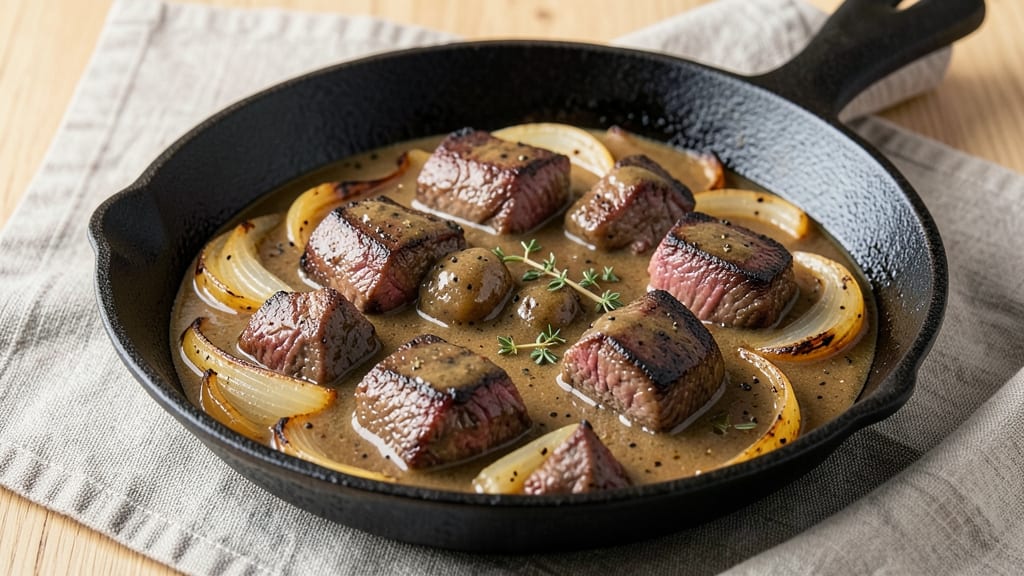
This beef and onion gravy recipe transforms simple ingredients into a rich, velvety sauce that elevates stews, mashed potatoes, and roasted meats.
The secret lies in developing deep, caramelized flavors through slow cooking—browning the beef and onions until they're dark and aromatic creates a foundation that's impossible to replicate with instant mixes. This isn't just a sauce; it's a flavor multiplier that turns ordinary meals into restaurant-quality experiences.
The process begins with a classic roux—equal parts butter and flour cooked until golden—to create the perfect thickening base. As the beef and onions cook low and slow, they release their natural juices, which reduce into a concentrated, savory broth.
The result is a gravy that's thick enough to cling to every bite but still silky smooth, with layers of meaty depth and subtle sweetness from the caramelized onions. For those who prefer extra richness, a splash of red wine or beef stock can deepen the flavor profile further.
What makes this gravy truly special is its versatility—it freezes beautifully for future use and reheats without losing its velvety texture.
Whether you're drizzling it over creamy mashed potatoes, spooning it alongside roasted beef, or using it as a base for hearty stews, this recipe delivers consistent, professional-quality results every time. The best part? It requires just 30 minutes of active time but rewards you with hours of flavor development.
For added complexity, consider finishing with fresh herbs like thyme or parsley, or a sprinkle of smoked paprika for warmth. The gravy will keep in the refrigerator for up to 5 days or can be frozen for up to 3 months, making it the perfect make-ahead solution for busy weeknights.
Here's how to create this deeply flavorful sauce that will become a staple in your cooking routine.
Ingredients for beef and onion gravy
Simple ingredients that build restaurant-quality depth in your gravy—just 10 staples for velvety perfection.
| Ingredient | Amount | Notes |
|---|---|---|
| Unsalted Butter 🧈 | ½ cup | Cold for roux, unsalted preferred |
| All-Purpose Flour 🌾 | ½ cup | White flour for classic roux |
| Yellow Onions 🧅 | 2 large | Yellow or red preferred |
| Beef Chuck Roast 🥩 | 1 lb | Pre-cubed or chopped small |
| Beef Broth 💧 | 2 cups | Homemade or quality store-bought |
| Red Wine 🍷 | ½ cup | Dry red like Cabernet or Merlot |
| Fresh Thyme 🌿 | 1 tbsp | Leaves only, chopped fine |
| Salt 🧂 | 1 tsp | Kosher or sea salt preferred |
| Black Pepper 🌶️ | ½ tsp | Freshly ground for best flavor |
| Smoked Paprika 🌶️ | ¼ tsp | For finishing touch of warmth |
The beef and onions are where all the magic happens. Chuck roast gives you that meaty depth without being gamey—sirloin works too but lacks richness. Look for onions with crisp edges at Trader Joe's or your local market; they caramelize better than store-brand bags. The butter needs to be cold for that perfect roux—European-style butter has more fat and makes a richer base. If you're in a rush, butter-flavored olive oil works in a pinch, though purists will notice the difference.
No red wine? Beef broth with a splash of balsamic gets you 90% there—just add 2 tbsp balsamic to the 2 cups broth. Fresh thyme is ideal but dried at one-third the amount works fine. The flour should be all-purpose; bread flour makes it too thick. For extra richness, add 1 tbsp of cold butter at the end—it melts into a silky finish. The smoked paprika is optional but adds that smoky depth you'd get in a restaurant gravy. If you're vegetarian, swap the beef for mushrooms or lentils—just increase the broth by 1 cup.
This gravy tastes even better the next day as flavors meld. Keeps 5 days in the fridge, 3 months frozen—freeze in ice cube trays for perfect single servings. For reheating, stir over medium-low heat with a splash of broth or water to loosen it up. Make a double batch; you'll want it for everything from mashed potatoes to roasted chicken. The leftovers reheat beautifully, so portion into containers for easy weeknight dinners.
Why You'll Love This Recipe
- Here’s what sold me: that first spoonful of velvety gravy, thickened by just butter and flour, with beef chunks melting in your mouth. It’s the kind of flavor that makes you pause mid-bite.
- Pantry Magic: I swear by this recipe when I forget to shop for fresh herbs. The caramelized onions and beef broth create a depth that makes up for anything missing—no fancy ingredients needed.
- Rich Without Effort: Here’s what sold me: that first spoonful of velvety gravy, thickened by just butter and flour, with beef chunks melting in your mouth. It’s the kind of flavor that makes you pause mid-bite.
- Leftovers That Shine: This gravy actually improves the next day. I’ll make a big batch on Sunday, then reheat portions over mashed potatoes or roasted veggies all week—no one ever guesses it’s reheated.
Step-by-step instructions for beef and onion gravy
This rich gravy starts with a deep-roasted beef base—here's how to build layers of flavor.
Roast the Beef and Onions for Deep Flavor
Preheat your oven to 400°F. Cut the 1 lb beef chuck roast into 1-inch cubes and place them in a large oven-safe skillet. Add the 2 large yellow onions, sliced into thick wedges, around the beef. Drizzle everything with the 0.5 cup unsalted butter and sprinkle with 1 tsp salt, 0.5 tsp black pepper, and 1 tbsp fresh thyme.
Roast uncovered for 30-35 minutes, stirring halfway through, until the beef is deeply browned and the onions are caramelized. You'll smell that incredible meaty aroma—this is the foundation of your gravy. The onions should be soft but still holding their shape, and the beef should have a rich, brown crust.
Build the Roux for Thickening Power
While the beef and onions roast, reduce the oven temperature to 350°F (we'll use it again later). In a separate medium saucepan over medium heat, melt the remaining 0.5 cup unsalted butter until it foams. Gradually whisk in the 0.5 cup all-purpose flour to form a smooth roux.
Cook the roux for 2-3 minutes, stirring constantly, until it turns a light golden color and smells nutty. This step is crucial—if you let it darken too much, it'll taste bitter. The roux should coat the back of a spoon and hold its shape when pressed between your fingers. Keep it at a gentle simmer until you're ready to combine it with the roasted beef.
Deglaze and Simmer the Gravy
Once the beef is roasted, transfer the skillet to the stovetop over medium heat. Pour in the 0.5 cup red wine, scraping up all the browned bits from the bottom of the pan with a wooden spoon. Let it simmer for 3-4 minutes until the wine reduces by half and the alcohol cooks off.
Gradually whisk in the cooked roux, then pour in the 2 cups beef broth. Stir well to combine, then return the skillet to the oven and bake at 350°F for 20 minutes. This slow cooking allows the flavors to meld beautifully. Stir occasionally to prevent sticking, and if the gravy thickens too much, whisk in a splash of water or broth to reach your desired consistency.
Finish and Season to Perfection
Remove the gravy from the oven and return it to the stovetop. Let it simmer uncovered over low heat for 5-7 minutes to reduce slightly and intensify the flavor. Taste and adjust the seasoning with more salt, pepper, or a pinch of 0.25 tsp smoked paprika if needed.
For the final touch, strain the gravy through a fine-mesh sieve to remove any large pieces of beef or onion if you prefer a smooth texture. Serve immediately over mashed potatoes, steak, or roasted vegetables. The gravy should be rich, velvety, and packed with deep, savory notes from the roasted beef and caramelized onions—this is the kind of gravy that makes every bite unforgettable.
Pro Tips For Making Beef And Onion Gravy
- Brown the Onions First: I used to toss raw onions into the pot after browning the beef, and the gravy always tasted flat. Instead, cook the onions in the same pan until they’re deep golden—almost caramelized—before adding broth. That sweetness builds the flavor base, and it takes just 10 minutes longer. (Yes, even if you’re impatient like me.)
- Use Cold Butter for Roux: Plopping softened butter into the hot pan makes it splatter like a scene from a disaster movie. Cut the butter into small cubes and let it sit in the fridge for 10 minutes before adding it to the flour. The cold butter creates a smoother roux that won’t burn, and the gravy thickens more evenly.
- Deglaze with Broth, Not Water: After browning the beef, I used to grab whatever liquid was handy—usually water—and wondered why my gravy tasted thin. Beef broth has dissolved collagen and meaty depth that water can’t replicate. Use at least 2 cups of broth for deglazing, and scrape every last bit from the pan. (Your future self will notice the difference.)
- Simmer Low and Long: Skipping the slow simmer is how I ended up with lumpy, gluey gravy more times than I’d admit. Once the roux is formed and the broth is added, reduce heat to a bare simmer and let it cook uncovered for 15–20 minutes. This breaks down the flour’s raw taste and thickens the gravy naturally—no need to rush. (Does it look weird? Yes. Does it work? Every single time.)
Creative variations of this dish
Herb-Infused Twist
Swap the thyme for 1 tbsp fresh rosemary or 1 tsp dried tarragon to add an aromatic complexity. I love adding 2 sprigs fresh rosemary during the roasting phase—they infuse the onions with piney notes that elevate the gravy's depth.
For a French bistro vibe, finish with 1 tsp chopped parsley and a pinch of herbes de Provence instead of smoked paprika.
Mushroom Umami Boost
Add 8 oz sliced cremini mushrooms to the roasting pan with the beef and onions. Their earthy flavor deepens the gravy's richness while adding texture. For extra umami, stir in 1 tsp soy sauce or 1 tsp Worcestershire sauce during the simmering phase.
This vegetarian-friendly variation works beautifully with mushroom-based stews.
Spicy Kick
For heat lovers, add 1 tsp cayenne pepper or ½ tsp chili flakes to the roasting pan alongside the thyme. Finish with 1 tbsp hot honey or a splash of chipotle-infused olive oil before serving. The heat cuts through the richness while adding a smoky-sweet contrast that's addictive.
Creamy Velvety Version
After simmering the gravy, stir in ½ cup heavy cream or ½ cup whole milk for a luscious, restaurant-style finish. For extra decadence, add 2 tbsp crème fraîche at the end.
This works beautifully over creamy mashed potatoes or as a drizzle for roasted chicken. The cream adds a luxurious mouthfeel without overpowering the beef's depth.
Slow-Cooker Adaptation
For hands-off cooking, brown the beef and onions in a skillet first, then transfer everything to a 6-quart slow cooker. Add the roux, wine, and broth, then cook on low for 4-5 hours or high for 2-3 hours until thickened.
This method develops even deeper flavors while requiring minimal attention—perfect for busy weeknights.
Global Flavors
Transform this gravy into a French-style demi-glace by adding 1 tbsp tomato paste and 1 tsp Dijon mustard during the simmer. For a Mexican-inspired version, stir in 1 tsp cumin and ½ tsp oregano after roasting, then finish with lime zest.
These adaptations turn your gravy into a versatile global sauce for any dish.
Nutrition facts
Frequently asked questions
Can I make this gravy without red wine?
Replace the 0.5 cup red wine with 0.5 cup beef broth or a mix of 0.25 cup broth + 0.25 cup water. For extra depth, add 1 tbsp balsamic vinegar or 1 tsp Worcestershire sauce to mimic the wine's acidity and umami. The flavor will still be rich and savory, just with a slightly different profile.
How do I fix gravy that's too thick or too thin?
For thick gravy, whisk in 1 tbsp cold water or broth at a time until smooth. For thin gravy, simmer uncovered over medium heat for 5-10 minutes to reduce, or stir in 1 tbsp cornstarch mixed with 2 tbsp cold water. Always stir constantly to prevent lumps—this is a common mistake that creates clumpy textures!
Can I use ground beef instead of cubed roast?
Yes, but the flavor will be less rich. Use 1 lb ground beef (80/20 fat ratio) and brown it thoroughly in the skillet before adding onions. For extra depth, add 1 tsp beef bouillon powder to the broth. The texture will be smoother, but you'll lose some of the meaty complexity from the roasted chunks.
How long can I store homemade gravy?
Store gravy in an airtight container in the fridge for up to 5 days, or freeze for 3 months. For freezing, portion into ice cube trays first—this makes it easy to thaw just what you need. Reheat gently over low heat, stirring occasionally, and add a splash of broth if it thickens too much.
What's the secret to making gravy taste restaurant-quality?
The key is developing deep flavors: roast the beef and onions until caramelized, use a proper roux (not instant mixes), and let it simmer slowly. For that final touch, finish with 1 tbsp cold butter or 1 tsp fresh herbs—this adds richness and freshness that separates homemade from store-bought.