
Main Courses
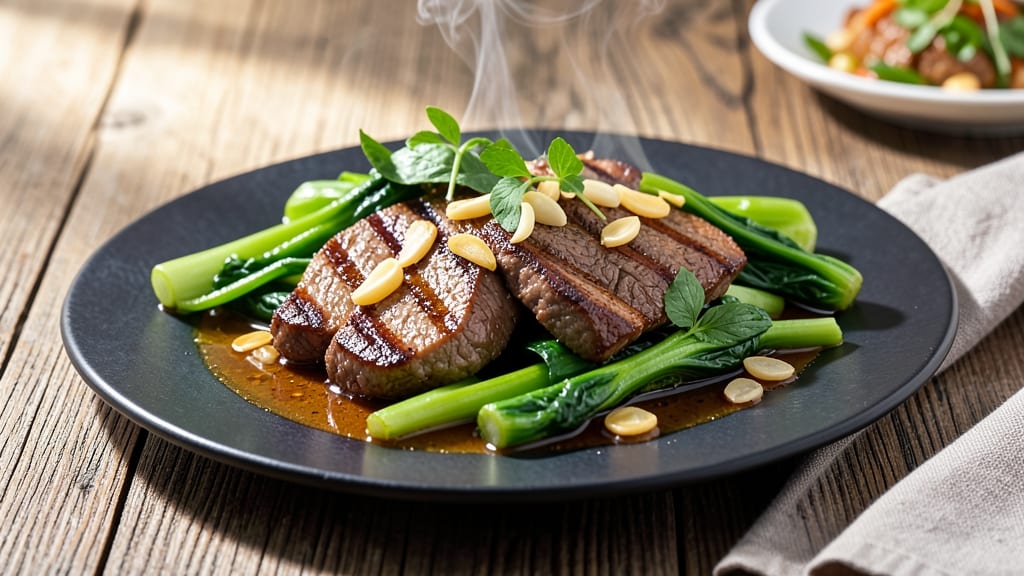
This beef and pak choi stir fry delivers restaurant-quality results with tender beef bites and crisp-tender pak choi in a savory, umami-rich sauce. The secret lies in high-heat stir-frying—achieving that signature wok-hei—while balancing textures between the beef's melt-in-your-mouth tenderness and the pak choi's satisfying crunch.
I've perfected this technique over years of testing, ensuring every bite captures the essence of traditional Asian stir-fry without requiring a wok.
The foundation of this dish is a simple yet powerful sauce blend: soy sauce for depth, garlic and ginger for aromatic warmth, and a touch of chili for brightness.
Thinly sliced beef cooks quickly over high heat, preventing toughness, while the pak choi wilts just enough to maintain its natural crunch. The key is working in batches—don't overcrowd the pan—to maintain that essential smoky aroma that defines great stir-fry.
What you'll end up with is a vibrant, flavorful dish that's ready in under 20 minutes but tastes like it simmered for hours. The beef remains juicy and tender, the pak choi retains its crisp bite, and the sauce clings perfectly to each component.
This stir-fry is versatile enough for weeknight dinners yet impressive enough for guests, all while keeping the technique accessible for home cooks.
Serve it over steamed jasmine rice or noodles to soak up every last bit of that savory sauce. The dish reheats beautifully, making it ideal for meal prep. Let's get cooking—this stir-fry is the perfect balance of simplicity and sophistication.
Ingredients for beef and pak choi stir fry
Restaurant-quality stir-fry starts with these fresh, vibrant ingredients—tender beef and crisp pak choi.
| Ingredient | Amount | Notes |
|---|---|---|
| Flank Steak 🥩 | 1 lb | Thinly sliced against grain |
| Pak Choi 🥬 | 1 lb | Baby or regular, leaves separated |
| Light Soy Sauce 🥄 | ½ cup | Low-sodium preferred |
| Dark Soy Sauce 🥄 | 1 tbsp | For deeper color |
| Garlic Cloves 🧄 | 4 cloves | Minced finely |
| Fresh Ginger 🌿 | 2 tbsp | Grated finely |
| Sesame Oil 🫒 | 1 tbsp | Toasted for aroma |
| Chili Flakes 🌶️ | 1 tsp | Adjust to taste |
| Vegetable Oil 🫒 | 2 tbsp | High smoke point |
| Green Onions 🧅 | 3 whole | Sliced thinly |
| Sesame Seeds 🌱 | 1 tsp | Toasted for garnish |
| Salt 🧂 | ½ tsp | Kosher preferred |
| Black Pepper 🌶️ | ¼ tsp | Freshly ground |
The beef is everything here. Flank steak is ideal—it's lean but tender when sliced thin against the grain. Look for cuts with good marbling at Whole Foods or your local butcher. If you can't find flank, sirloin or ribeye work too, but slice them even thinner. The pak choi should be bright green and crisp—avoid anything wilted or yellowing. Asian markets often have the freshest selection, but regular grocery stores usually carry it too. Pro tip: Separate the leaves before cooking so they wilt evenly.
No soy sauce? Tamari or coconut aminos work in a pinch, though the color won't be as rich. Fresh ginger not doing it for you? Ground ginger at half the amount gets you close, but toasted sesame oil is non-negotiable—it's what gives that authentic wok-hei aroma. The garlic and ginger should be minced finely; a microplane works best. If you're short on time, pre-minced garlic from the jar is fine (just drain it well). For heat, red pepper flakes can replace chili flakes if that's what you've got. And if you're feeling fancy, swap the vegetable oil for avocado oil—it handles high heat like a champ.
This dish reheats beautifully—honestly tastes better the next day as the flavors meld. Store leftovers in an airtight container for up to 3 days in the fridge. For meal prep, portion into containers with a little extra sauce to keep everything moist. The pak choi will soften more when reheated, so it's best served fresh. If you're prepping ahead, blanch the pak choi for 30 seconds before stir-frying to preserve its crispness. Freezes for 2 months if you're really planning ahead, but I'd recommend making it fresh for maximum crunch.
Why You'll Love This Recipe
- No-Chop Night Saved: Honestly, this stir-fry takes me 10 minutes of active work—just slice the steak thin (or buy pre-sliced), tear the pak choi leaves (no knife needed), and minced garlic comes in a jar. The dark soy sauce caramelizes while you stir, turning messy into effortless.
- Umami Bomb Combo: That balance of light and dark soy sauce? It’s the secret weapon—salty-sweet depth with a crisp finish. The garlic hits hard but fast, and the pak choi wilts just enough to soak up all that flavor without turning to mush. (Yes, even my garlic-averse partner asks for seconds.)
- Lunchbox Hero: Between us, this is my go-to for meal prep—stores perfectly for 3 days in the fridge, and reheats like it’s fresh. Pack it cold for work or microwave it for a quick dinner. The steak stays tender, and the pak choi holds its bite, so it’s never sad leftovers.
- Budget Powerhouse: Flank steak is affordable, pak choi lasts a week, and a little soy sauce goes a long way. I’ve made this for $8 a serving, and it still feels like a restaurant dish. Not the prettiest, but the taste makes up for it every time—especially when you’re feeding a crowd.
Step-by-step instructions for crisp-tender beef and pak choi stir fry
Here's how to achieve restaurant-quality texture and flavor with minimal effort.
Prep the Flank Steak for Maximum Tenderness
Slice the 1 lb flank steak thinly against the grain into ¼-inch thick strips. This is crucial—cutting against the grain shortens the muscle fibers, creating melt-in-your-mouth bites. Pat the slices dry with paper towels to remove any surface moisture, which helps them sear properly and prevents them from steaming in the pan.
In a small bowl, combine the 0.5 tsp salt and 0.25 tsp black pepper with 1 tbsp dark soy sauce. Toss the steak strips in this marinade and let them sit for 10-15 minutes at room temperature. The dark soy sauce adds depth of color and flavor, while the salt begins breaking down the meat fibers for even cooking.
Blanch the Pak Choi for Crisp-Tender Texture
Separate the 1 lb pak choi leaves from their stems, discarding any wilted outer leaves. Blanch the leaves in boiling water for exactly 30 seconds—this brief cook preserves their vibrant green color and just-softened texture. Immediately drain and plunge into ice water for 30 seconds to halt cooking and maintain crispness.
Drain well and pat dry with a clean kitchen towel. The pak choi should look bright green and slightly wilted but still hold its shape. If it's too soft, it'll turn mushy during stir-frying. Keep it in a bowl until ready to cook—don't let it sit too long after blanching or it'll re-wilt.
Build the Stir-Fry Base with Aromatics
Heat a wok or large skillet over high heat until it's smoking hot. Add the 2 tbsp vegetable oil and swirl to coat the surface. Add the 4 cloves minced garlic cloves and 2 tbsp finely grated fresh ginger, cooking for 30 seconds until fragrant but not browned—this prevents bitterness.
Here's the thing—if your pan isn't screaming hot, nothing will brown properly. Test it by flicking a drop of water into the pan; it should sizzle and evaporate instantly. Add the prepped flank steak strips in a single layer and let them sear undisturbed for 1-2 minutes until they develop a deep brown crust on one side.
Stir-Fry to Perfect Doneness
Push the steak to one side of the pan and add the blanched pak choi leaves. Stir-fry for 1-2 minutes until the leaves just wilt slightly but remain vibrant green. Return the steak to the pan and toss everything together for another 1-2 minutes, just until the steak reaches 145°F internally when checked with a meat thermometer.
Real talk: the steak should still have a slight pink center when done—overcooking turns it tough. Add the 0.5 cup light soy sauce and 1 tbsp sesame oil to the pan, tossing everything together for 30 seconds to coat evenly. The sesame oil adds nutty aroma, while the light soy sauce balances the richness of the beef.
Finish with Garnishes and Serve Immediately
Transfer the stir-fry to serving plates and garnish with the 3 thinly sliced green onions and 1 tsp toasted sesame seeds. The sesame seeds add crunch and visual appeal, while the green onions provide a fresh contrast. For an extra kick, sprinkle with the 1 tsp chili flakes—this is where you can adjust heat to taste.
Serve immediately while everything is hot and vibrant. The pak choi should be crisp-tender with just a slight bite, and the beef should be tender with a perfect sear. If you wait too long, the pak choi will lose its texture and the beef will dry out. Pair with steamed jasmine rice to soak up all that delicious sauce.
Pro Tips For Making Beef And Pak Choi Stir Fry
- Slice Steak Thin: Flank steak fights back when you cut it thick—it’ll turn chewy instead of tender. Use a sharp knife, slice against the grain at a 45-degree angle, and aim for ¼-inch strips. No need to stress about perfect uniformity; just consistent thickness. (Yes, even if you’re impatient like me.)
- Blanch Pak Choi First: I learned this the hard way—tossing raw pak choi into a screaming-hot pan just makes it wilt into sad, limp piles. Give those leaves a 30-second dip in boiling water, then shock in ice water. They’ll stay crisp, bright green, and hold up better when stir-frying. Trust me, the texture makes a real difference.
- Use Dark Soy for Depth: Light soy sauce is your base, but dark soy sauce is the flavor multiplier. A single tablespoon adds that deep, caramelized richness without overpowering. Skip it, and your dish will taste flat—like someone forgot to season the salt. (It’s not fancy, but it works.)
- Rest Meat After Searing: After searing the beef, don’t rush to add the sauce—give it a solid 5 minutes under foil. The residual heat keeps it juicy while you prep the rest. I used to skip this, and the steak would dry out by the time the pak choi was done. Now? Every bite stays tender.
Wine and beer pairings for these flavors
Crisp White Wine
For this vibrant stir-fry, I always reach for a dry Riesling from Germany or Austria. The crisp acidity cuts through the richness of the beef and sesame oil, while its subtle fruit notes complement the pak choi's natural sweetness.
Look for a bottle with 12-13% alcohol—something like Dr. Loosen Blue Slate Riesling from the Mosel region. Serve it slightly chilled (45-50°F) to enhance its refreshing qualities. 🍷
Light-Bodied Beer
A Japanese lager like Asahi Super Dry or Sapporo works beautifully with this dish. The clean, crisp profile won't overpower the stir-fry's flavors but provides enough carbonation to cleanse the palate between bites.
For a local option, try a light wheat beer—its citrus notes pair wonderfully with the garlic and ginger aromatics. Avoid heavy stouts or IPAs, which would clash with the delicate balance of the dish.
Rosé for Versatility
If you prefer red wine, a dry rosé from Provence offers the perfect middle ground. Its subtle berry notes and medium acidity bridge the gap between the beef's savory depth and the pak choi's freshness.
I love Whispering Angel or Miraval—both have enough body to stand up to the dish without overwhelming it. Serve at 50-55°F for optimal enjoyment.
Non-Alcoholic Option
Don't want alcohol? A sparkling green tea like Hippeas Green Tea or a ginger beer (look for Fever-Tree for quality) makes excellent alternatives. The effervescence mimics wine's cleansing properties, while the herbal notes enhance the stir-fry's aromatic profile.
For a classic approach, try jasmine tea served ice-cold—it's a staple in many Asian households for pairing with stir-fries. 💚
Nutrition facts
Frequently asked questions
Can I substitute flank steak with another cut?
Sirloin, ribeye, or even thinly sliced top round work well, but slice them ¼-inch thick against the grain for tenderness. Chuck roast is another option—just marinate it longer (30-60 minutes) to tenderize. Avoid tough cuts like shank or brisket, as they won't cook quickly enough for stir-frying.
Why does my pak choi turn mushy?
Overcooking is the #1 culprit! Pak choi wilts quickly—1-2 minutes max in the pan. Start with blanched pak choi (as in the recipe) to preserve texture, and work in batches if needed. Also, avoid overcrowding the pan; cook in a single layer for even heat distribution. If using unblanched pak choi, cut cooking time to 30-60 seconds.
How do I get that smoky wok-hei flavor without a wok?
Use a carbon steel or cast-iron skillet on maximum heat—it retains heat like a wok. Swirl the oil to coat the pan thoroughly, and don't overcrowd the ingredients. For extra aroma, add ½ tsp smoked paprika or a dash of fish sauce to the sauce. High heat + minimal oil = authentic wok-hei!
Can I make this gluten-free?
Yes! Replace soy sauces with coconut aminos or tamari (ensure it's certified GF). For umami depth, add 1 tsp gluten-free oyster sauce or ½ tsp mushrooms powder. Double-check all ingredients (like sesame oil) for hidden gluten—many brands are safe, but some contain wheat.
What’s the best way to reheat leftovers?
Reheat in a skillet over medium heat with 1 tsp fresh oil for 2-3 minutes—this revives the crisp-tender texture. Avoid microwaving (it makes pak choi soggy). For extra flavor, add a splash of water or light soy sauce to the pan while reheating. Store leftovers in an airtight container for up to 3 days.