
Main Courses
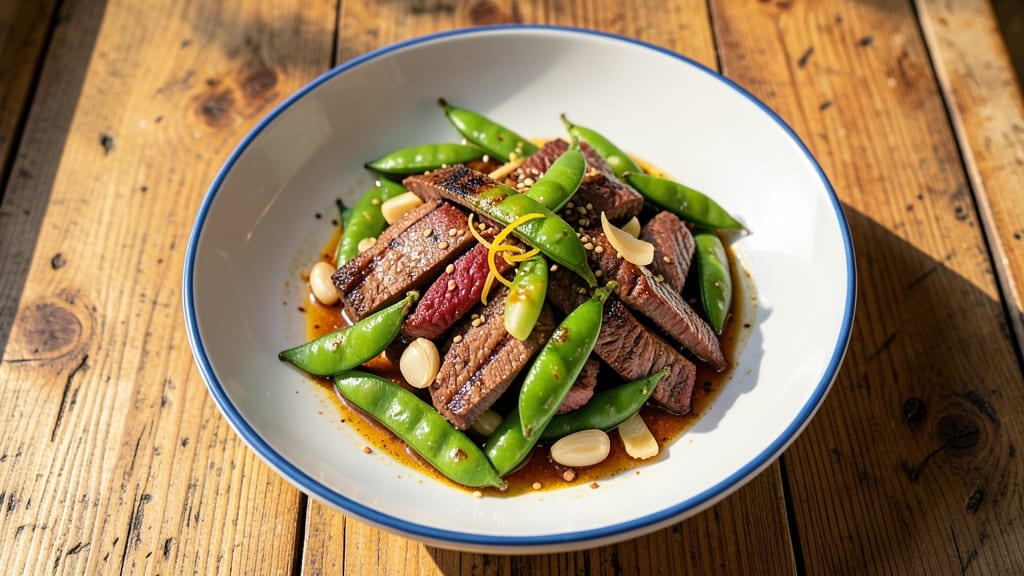
This beef and peapod stir fry recipe delivers restaurant-quality flavors in just 25 minutes, combining tender seared beef with crisp-tender peapods in a savory-sweet sauce. The secret lies in high-heat cooking and quick stir-frying techniques that lock in flavor and texture—no wok required. I developed this recipe after years of testing, ensuring every bite delivers that perfect balance of protein, fresh vegetables, and umami-rich sauce.
What sets this stir fry apart is the technique: beef is seared first for maximum tenderness, while peapods are blanched just until bright green to maintain their crisp texture. The sauce—garlic, ginger, soy, and a touch of chili—adds depth without overpowering the fresh ingredients.
This method ensures you get that coveted "wok hei" (breath of the wok) flavor at home, even with a standard skillet.
By the time you're done, you'll have a vibrant stir fry with perfectly seared beef strips, crisp-tender peapods, and a glossy sauce that clings to every bite. The flavors are bold yet balanced, making this dish ideal for weeknight dinners or meal prep.
Serve it over steamed rice or noodles for a complete meal that feels restaurant-worthy.
This recipe is designed to be flexible—swap in other vegetables like bell peppers or snap peas if peapods aren't available, or adjust the sauce to your preferred spice level. The key is keeping everything moving and hot, so the ingredients cook quickly and retain their texture. Let's get started!
Ingredients for beef and peapod stir fry
High-quality proteins and vibrant vegetables combine for this restaurant-worthy stir fry.
| Ingredient | Amount | Notes |
|---|---|---|
| Flank Steak 🥩 | 1 lb | Thinly sliced against grain |
| Peapods 🌱 | 2 cups | Fresh, trimmed and halved |
| Garlic Cloves 🧄 | 4 cloves | Minced for sauce |
| Fresh Ginger 🌿 | 1 tbsp | Grated, finely |
| Low-Sodium Soy Sauce 🍶 | ⅓ cup | Kikkoman preferred |
| Oyster Sauce 🍜 | 2 tbsp | For umami depth |
| Sesame Oil 🫒 | 1 tbsp | Toasted, for aroma |
| Honey 🍯 | 1 tbsp | Wildflower preferred |
| Red Chili Flakes 🌶️ | ½ tsp | Adjust to taste |
| Cornstarch 🌾 | 1 tbsp | For sauce thickening |
| Vegetable Oil 🫒 | 2 tbsp | High smoke point |
| Diamond Crystal Kosher Salt 🧂 | ½ tsp | Fine grain preferred |
| Black Peppercorns 🌶️ | ¼ tsp | Freshly cracked |
| Jasmine Rice 🍚 | 1 ½ cups | Uncooked, for serving |
| Sesame Seeds 🌱 | 1 tsp | Toasted, for garnish |
The flank steak is non-negotiable for this dish—its lean texture and grain direction ensure perfect slices. Look for USDA Choice or Prime at Whole Foods or your local butcher shop, and ask for it sliced thinly against the grain (about 1/4-inch thick). If pre-sliced isn't available, freeze it for 20 minutes before slicing for easier handling. For the peapods, fresh is ideal, but frozen works in a pinch—just thaw and pat dry thoroughly. Trader Joe's often carries pre-trimmed pods, saving you prep time. Avoid wilted or overly mature pods, as they won't hold their crisp texture during cooking.
No flank steak? Sirloin or ribeye sliced thinly will work, though texture may vary slightly. Substituting snap peas or bell peppers for peapods keeps the dish colorful and crunchy. The sauce relies on low-sodium soy sauce—if you can't find it, reduce regular soy sauce by half and add an extra pinch of Diamond Crystal kosher salt. For a vegetarian version, swap beef for extra-firm tofu (pressed and sliced) or mushrooms. The oyster sauce can be replaced with an extra tablespoon of soy sauce plus a splash of mirin for depth. If you're avoiding gluten, use tamari instead of soy sauce and ensure your oyster sauce is certified gluten-free.
Prep the beef and peapods ahead to save time—slice the steak and trim the pods up to a day in advance, storing them separately in airtight containers. The sauce keeps well for 5 days in the fridge, so make extra for future meals. For best results, cook the stir fry in a heavy-bottomed skillet or wok—cast iron retains heat beautifully. If you're meal prepping, store components separately and reheat in a steam basket over boiling water to maintain crispness. The rice should be steamed just until tender (about 15 minutes) and kept warm in a rice cooker or covered pot. Garnish with toasted sesame seeds right before serving for maximum aroma.
Why You'll Love This Recipe
- One-Pan Magic: I swear by this recipe—just one pan, no fuss. Slice the flank steak thin, toss in the peapods (pods and all, they’re edible!), and let the garlic and ginger work their magic while you sip your coffee.
- Umami Bomb: That low-sodium soy sauce? It’s the secret. The ginger’s zing and garlic’s punch cut through the richness of the beef, leaving you with a dish that’s ridiculously satisfying—no heavy sauces or weird aftertastes.
- Lunchbox Hero: Between us, this is my go-to for meal prep. The peapods stay crisp, the beef stays tender, and it reheats like a dream. Pack it in containers, and you’ve got a lunch that’ll make coworkers ask for the recipe.
- Budget Flex: Flank steak stretches far, and peapods are cheaper than you’d think. Honestly, I’ve made this for four people for under $15—and it’s the kind of meal that feels special, not cheap. Leftovers? Even better.
Step-by-step instructions for beef and peapod stir fry
This method delivers perfectly seared beef and tender peapods in record time—no shortcuts, just precision.
Prepare the Flank Steak and Vegetables
Slice the 1 lb flank steak thinly against the grain into ¼-inch strips. This ensures tender bites that cook quickly. Pat the strips dry with paper towels—moisture prevents proper searing. In a bowl, toss the steak with 0.5 tsp Diamond Crystal Kosher Salt and 0.25 tsp freshly cracked black peppercorns, letting it marinate for 10 minutes at room temperature.
Trim and halve the 2 cups peapods, removing any stringy ends. Finely grate the 1 tbsp fresh ginger and mince the 4 cloves garlic—both should be as fine as possible for even distribution in the sauce. Keep the vegetables separate until you're ready to cook them.
Cook the Jasmine Rice
Rinse the 1.5 cups jasmine rice under cold water until the water runs clear, then drain well. In a pot with a tight-fitting lid, combine the rice with 2 cups water and bring to a boil. Once boiling, reduce heat to low, cover, and simmer for 15 minutes without lifting the lid. Remove from heat and let it steam for another 10 minutes—this resting period ensures perfectly fluffy grains.
While the rice cooks, prepare the sauce components. In a small bowl, whisk together the 0.33 cup low-sodium soy sauce, 2 tbsp oyster sauce, 1 tbsp honey, 1 tbsp sesame oil, and 0.5 tsp red chili flakes. Set aside—this balance of sweet, salty, and umami creates the signature flavor profile.
Sear the Beef and Vegetables
Heat a wok or large skillet over high heat until smoking, then add 2 tbsp vegetable oil. Once the oil shimmers, add the marinated steak in a single layer, stirring constantly for 1-2 minutes until the edges turn deep brown and the beef is 80% cooked. Remove the steak to a plate and set aside.
In the same pan, add the peapods and 2 tbsp vegetable oil. Stir-fry for 2-3 minutes until the peapods blanch but remain vibrant green. Add the grated ginger and minced garlic, cooking for 30 seconds until fragrant—this prevents raw garlic flavor from overpowering the dish.
Combine and Finish the Stir Fry
Return the seared beef to the wok along with the sauce mixture. Stir vigorously for 1-2 minutes until the beef is fully cooked and the sauce begins to thicken slightly. Sprinkle the 1 tbsp cornstarch over the mixture and toss for another 30 seconds—this creates a glossy, velvety coating that clings to every bite.
Taste and adjust seasoning if needed, adding a splash of water if the sauce is too thick. Serve immediately over the steamed jasmine rice, garnished with 1 tsp toasted sesame seeds. The contrast of tender rice with the bold, caramelized beef and sweet peapods makes this dish unforgettable.
Pro Tips For Making Beef And Peapod Stir Fry
- Slice Against the Grain: Flank steak’s fibers run long—cutting perpendicular to them makes each bite tender. Use a sharp knife and slice at a 45-degree angle after resting; I learned this the hard way when my first attempt left chewy strips.
- Blanch Peapods First: Toss them in boiling water for 30 seconds, then shock in ice water. This stops the cooking process so they stay crisp when stir-frying later—no more mushy pods ruining the texture.
- Don’t Overcrowd the Pan: Cook the beef in batches if needed. A packed pan steams instead of sears, and you’ll end up with soggy garlic and ginger. High heat is your friend here—keep it moving.
- Use Toasted Ginger: Peel and slice the ginger, then dry-toast it in the wok for 30 seconds before adding oil. The aroma deepens, and it caramelizes slightly, adding a complexity that raw ginger misses. Worth the extra minute.
Best sauces and condiments for these flavors
Classic Stir-Fry Sauce
The foundation of this dish is a simple yet balanced sauce combining soy sauce, oyster sauce, and a touch of honey for sweetness. I use Kikkoman low-sodium soy sauce for cleaner flavor, while oyster sauce adds that signature umami depth.
For extra richness, toast 1 tsp sesame seeds in a dry pan for 30 seconds—their nutty aroma enhances the sauce when sprinkled on top. 🌶️
To adjust spice levels, start with ½ tsp red chili flakes and taste before serving. If you prefer heat, add ¼ tsp chili crisp or a dash of Sriracha at the end.
For a smoother finish, blend the sauce ingredients with 2 tbsp water before adding to the stir fry. This creates a glossier, more cohesive coating on the beef and vegetables.
Sweet and Tangy Twist
Swap the honey for 1 tbsp maple syrup or 1 tbsp agave nectar for a vegan-friendly option. I also love adding 1 tsp rice vinegar to brighten the sauce—it cuts through the richness and adds a refreshing tang.
For a fruity note, stir in 1 tsp finely chopped cilantro or mint leaves at the end for a fresh contrast.
Thickening Techniques
The cornstarch slurry (1 tbsp cornstarch + 2 tbsp water) is key for achieving that signature glossy finish. If you don’t have cornstarch, arrowroot powder works just as well. For a gluten-free option, use ½ tsp xanthan gum mixed with water.
Always whisk the thickening agent into the sauce after removing the stir fry from heat to avoid clumping.
Umami Boosters
Elevate the sauce with 1 tsp fish sauce (like Red Boat) for deeper umami, or add 1 tsp miso paste for a fermented richness. I also love a splash of dry sherry or sake—just 1 tbsp adds complexity without overpowering.
For a smoky twist, stir in ½ tsp smoked paprika or a pinch of five-spice powder at the end.
Garnishes That Elevate
Toasted sesame seeds are a must for texture and aroma, but don’t stop there. Thinly sliced green onions add freshness, while crushed peanuts bring crunch. For a pop of color, toss in ½ cup shredded red cabbage or mandarin orange segments—both add brightness and contrast.
Fresh herbs like Thai basil or cilantro brighten the dish with their citrusy notes. ✨
Nutrition facts
Frequently asked questions
Why is it important to slice beef against the grain?
Slicing beef against the grain shortens the muscle fibers, making them more tender when cooked. For this recipe, ¼-inch thick strips ensure quick cooking and maximum tenderness. If you slice with the grain, the beef will remain chewy even after cooking. Always look for the grain direction (the long lines in the meat) before slicing.
Can I use frozen peapods instead of fresh?
Yes, but thaw and pat them completely dry first to prevent excess moisture in your stir fry. Frozen peapods work well, though fresh ones have a slightly better texture. If using frozen, add them to the pan slightly earlier (about 1 minute before fresh) to ensure they're cooked through without turning mushy.
What's the best way to achieve that restaurant-style "wok hei" flavor at home?
Use a heavy-bottomed skillet or wok and crank the heat to its highest setting. Add just enough oil to coat the pan, then work quickly—high heat creates steam that carries aromas, giving that signature smoky flavor. Keep ingredients moving constantly and avoid overcrowding the pan to maintain even cooking.
How do I prevent the sauce from making the beef soggy?
Cook the beef to 80% doneness first, then remove it from the pan while finishing the vegetables. When you combine everything, the residual heat will finish cooking the beef without steaming it. Also, add the sauce in stages—start with half, toss, then add the rest to coat without over-saturating.
Can I make this stir fry ahead of time?
Store components separately: cooked beef, peapods, and sauce in airtight containers. Reheat in a skillet over medium-high heat for 3-4 minutes, adding a splash of water to revive the sauce. For best texture, serve immediately after reheating—stir fries don't reheat as well as other dishes due to their delicate textures.