
Soups & Stews
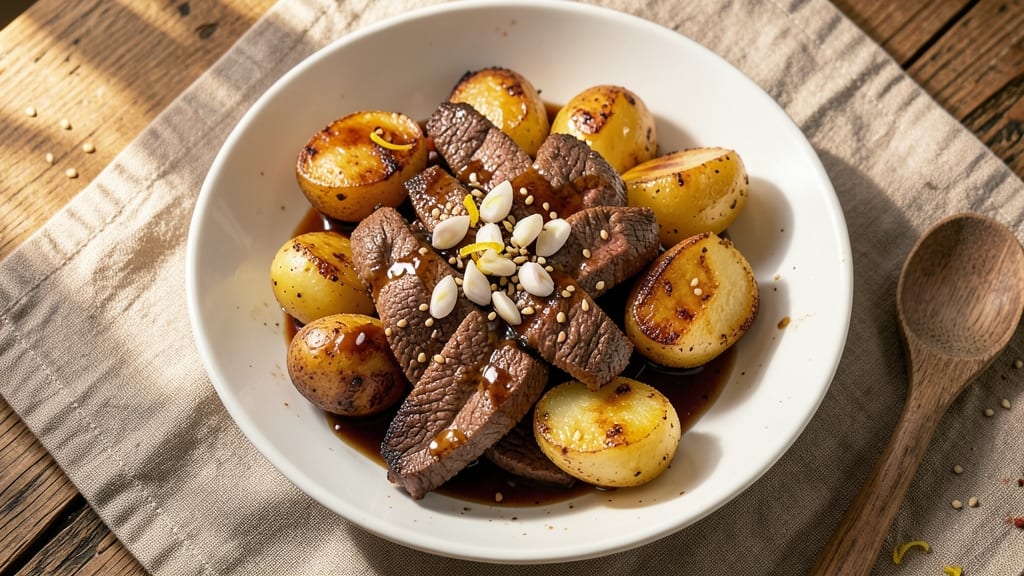
This beef and potato Chinese recipe delivers the perfect harmony of wok-tossed crunch and silky soy depth that defines classic Chinese home cooking.
The secret lies in high-heat stir-frying that locks in beef tenderness while developing a caramelized crust, all balanced by the earthy sweetness of potatoes and aromatic soy sauce. I developed this recipe after years of perfecting stir-fry techniques in my kitchen, ensuring every bite delivers that restaurant-quality texture and flavor.
The beauty of this dish is in its simplicity—just a handful of ingredients transform into a complete meal. Thinly sliced beef cooks quickly over high heat, while potatoes break down into tender, flavorful chunks that soak up the savory sauce.
The addition of garlic, ginger, and scallions adds layers of aromatic complexity that elevate this dish from ordinary to extraordinary. What you'll end up with is a perfectly balanced meal that's rich, satisfying, and packed with authentic Chinese flavors.
This recipe serves four and comes together in under 30 minutes, making it ideal for weeknight dinners or weekend family meals. The beef remains juicy and tender, while the potatoes develop a satisfying crispness at the edges.
The sauce, a perfect balance of soy, sesame oil, and a touch of sugar, coats every ingredient, creating a dish that's both hearty and elegant. Serve it over steamed rice to soak up every last drop of that flavorful sauce.
The best part? This dish is incredibly versatile—swap in bell peppers or mushrooms for extra vegetables, or adjust the spice level to your preference. It's the kind of recipe that gets better with each reheat, making it perfect for meal prep.
Let's get cooking and bring the flavors of China to your dinner table tonight.
Ingredients for beef and potato chinese
Just 14 ingredients transform into that perfect wok-tossed crunch and silky soy harmony you crave.
| Ingredient | Amount | Notes |
|---|---|---|
| Flank Steak 🥩 | 1 ¼ lb | Thinly sliced against grain |
| Yukon Gold Potatoes 🥔 | 1 ½ lb | Cut into 1-inch chunks |
| Light Soy Sauce 🍶 | ⅓ cup | High-quality brand preferred |
| Dark Soy Sauce 🍶 | 1 tbsp | For depth of flavor |
| Sesame Oil 🫒 | 1 tbsp | Toasted, for aroma |
| Garlic Cloves 🧄 | 6 cloves | Minced, fresh preferred |
| Fresh Ginger 🌿 | 1 ½ tbsp | Grated, peeled |
| Scallions 🧅 | 4 whole | White and green parts, sliced |
| Neutral Oil 🫒 | 2 tbsp | Vegetable or peanut oil |
| Granulated Sugar 🍚 | 1 tbsp | Balances flavors |
| Cornstarch 🌾 | 1 tbsp | For tenderizing beef |
| White Wine Vinegar 🍷 | 1 tbsp | Brightens the sauce |
| Salt 🧂 | 1 ½ tsp | Kosher or sea salt |
| Black Pepper 🌶️ | ½ tsp | Freshly ground |
The beef is everything here—flank steak is my go-to because it's lean but flavorful. Slice it thinly against the grain (about 1/8-inch thick) using a sharp knife or meat slicer. Costco or Whole Foods usually carry pre-sliced flank steak, which saves time, but if you're slicing yourself, let it sit out for 20 minutes first. The potatoes? Yukon Golds are ideal—they hold their shape but still get tender. Cut them into even chunks so they cook uniformly. Pro tip: Soak the potatoes in cold water for 10 minutes before cooking to remove excess starch, which helps them crisp up better in the wok.
No light soy sauce? Substitute with regular soy sauce plus a pinch of sugar—it won't be identical, but it'll work. Dark soy sauce is non-negotiable for that deep, caramelized color, though. Kikkoman or Lee Kum Kee are my trusted brands. Short on sesame oil? A splash of toasted sesame seeds (but they won't have the same aroma). The cornstarch is key for tenderizing the beef—don't skip it. If you're using pre-sliced potatoes, pat them dry before adding to the wok. And if you're feeling adventurous, swap in shitake mushrooms or bell peppers for extra veggies. The sauce ratio is perfect as written, but if you prefer less salt, reduce the soy sauces by 1 tbsp and add a splash of water.
This dish reheats like a dream—honestly, it tastes even better the next day as the flavors meld. Store leftovers in an airtight container in the fridge for up to 4 days, or freeze for 3 months. I always make a double batch because it's perfect for meal prep. Serve it over steamed jasmine rice (about 1 cup per person) to soak up all that delicious sauce. The wok gets hot—use a splatter screen or lid to keep the mess contained. And trust me, the last few bites are always the best when you've got that crispy potato crust at the bottom.
Why You'll Love This Recipe
- One-Pan Magic: I swear by this for lazy nights—the potatoes and steak cook together, no flipping between pans. Just slice, sear, and let the soy sauce work its magic while you chop veggies for the side.
- Umami Bomb: That combo of light and dark soy sauce? Chef’s kiss. The dark sauce caramelizes into a glossy glaze, while the light keeps it bright—plus, a drizzle of sesame oil at the end makes it taste like a restaurant dish.
- Leftover Hero: Between us, this tastes better the next day. The steak gets more tender, the potatoes soak up all the flavors, and it reheats like a dream. Pack it for lunch? Yes, please.
- Budget Feast: Flank steak stretches further than you’d think when sliced thin, and Yukon Golds are cheaper than fingerlings. Honestly, it’s the kind of meal that makes grocery day feel like a win.
Step-by-step instructions for wok-tossed beef and potatoes
This dish delivers restaurant-quality texture contrast—crispy potatoes meet tender beef in a glossy, umami-rich sauce.
Prep and Marinate the Flank Steak
Slice the 1.25 lb flank steak thinly against the grain into ¼-inch strips. Place in a bowl and add 1 tbsp cornstarch, 1 tbsp light soy sauce, and 1 tbsp sesame oil. Toss with your hands until evenly coated—this creates a silky texture when cooked. Let marinate for 15 minutes while you prep the potatoes.
Here's the thing—marinating helps tenderize the beef and gives it that signature glossy finish. Don't skip this step, even if it seems short. The cornstarch also creates a light crust that prevents the beef from drying out during the quick wok toss.
Parboil and Crisp the Potatoes
Boil the 1.5 lb Yukon Gold potatoes (cut into 1-inch chunks) in salted water for 8-10 minutes until just tender but still firm to the bite. Drain and immediately toss with 2 tbsp neutral oil, 1 tbsp granulated sugar, 1.5 tsp salt, and 0.5 tsp black pepper. Spread on a baking sheet and roast at 425°F for 20-25 minutes until edges are deep golden brown and crispy.
The sugar helps caramelize the edges while balancing the saltiness. You want them crispy on the outside but still tender inside—think of them like little potato croutons. If they start browning too quickly, tent with foil to prevent burning.
Build the Flavor Base
Heat 1 tbsp neutral oil in a wok or large skillet over high heat until shimmering. Add the 6 minced garlic cloves and 1.5 tbsp grated fresh ginger, stirring constantly for 30 seconds until fragrant but not browned. Add the 4 sliced scallions and cook for 1 minute until softened.
This is where the magic happens—the aromatics should sizzle but not burn. If they darken too quickly, reduce heat slightly. The high heat releases their natural oils, which form the flavor foundation for your sauce. Don't walk away; constant stirring prevents burning.
Cook the Beef and Combine Ingredients
Add the marinated beef in a single layer and stir-fry for 2-3 minutes until just cooked through but still slightly pink in the center. Remove beef and set aside. In the same pan, add 1 tbsp dark soy sauce, 1 tbsp white wine vinegar, and 0.33 cup light soy sauce. Stir for 1 minute until slightly reduced.
The beef should cook quickly—overcooking makes it tough. The dark soy sauce adds that signature deep color and rich flavor. If the sauce looks too thick, add 1-2 tablespoons water to loosen it slightly. Return the beef to the pan and toss to coat.
Finish and Serve with Crispy Potatoes
Add the crispy potatoes to the wok and toss everything together for 1-2 minutes until heated through. Drizzle with 1 tbsp toasted sesame oil and toss again. Taste and adjust seasoning—you might want to add a splash more soy sauce or a pinch of sugar if needed.
Serve immediately while the potatoes are still crispy and the beef is piping hot. The contrast of textures—crunchy potatoes, silky beef, glossy sauce—is what makes this dish so addictive. Garnish with extra scallions if you like, but honestly, it's already perfect as is.
Pro Tips For Making Beef And Potato Chinese
- Slice Thin, Cook Fast: Flank steak’s tough when it fights you—cut it against the grain into ¼-inch strips before cooking. High heat and quick searing (2-3 minutes max) keeps it tender, not chewy. I used to overcook it and wondered why it was rubbery.
- Parboil Potatoes Right: Toss Yukon Golds in boiling water for exactly 5 minutes—just until they’re fork-tender but still hold shape. Drain and toss with a pinch of salt while hot; this prevents mushiness later. My grandmother swore by this, and she was right: cold potatoes turn to glue.
- Balance Soy Sauces: Dark soy sauce adds color, light keeps flavor bright—use twice as much light (1 tbsp dark to 2 tbsp light) for depth without overpowering. Skip the dark if you’re lazy, but the dish loses that classic wok-fried richness.
- Save the Sesame Oil: Add sesame oil last, just before serving—drizzle it over the finished dish, not during cooking. Heat destroys its nutty aroma, and that’s the flavor people notice first. I was skeptical until I tried it: the difference is immediate.
Flavor customization for this beef and potato chinese
Spicy Sichuan Twist
Transform this dish into a fiery Sichuan sensation by adding 1 tbsp Sichuan peppercorns (toasted and ground) and 1 tsp chili bean paste to the flavor base. The numbing heat of Sichuan peppercorns pairs perfectly with the beef's richness.
For extra depth, stir in 1 tsp doubanjiang (fermented chili bean paste) after cooking the aromatics but before adding the beef. Serve with extra chili oil for dipping. 🌶️
Sweet and Tangy Glaze
Create a caramelized glaze by adding 2 tbsp honey and 1 tbsp rice vinegar to the sauce at the end. Simmer for 2 minutes until the sauce thickens slightly and develops a glossy sheen.
This sweet-tangy variation works especially well with the crispy potatoes, balancing their saltiness. For a deeper flavor, reduce the soy sauce by 1 tbsp and replace with 1 tbsp hoisin sauce.
Umami Bomb Boost
Add a 1-ounce piece of dried shiitake mushrooms (soaked in warm water for 20 minutes) to the flavor base. The mushrooms dissolve into the sauce, infusing it with deep umami richness.
For extra intensity, add 1 tsp fish sauce or ½ tsp MSG to the sauce after the beef is cooked. This works especially well if you're serving the dish to guests who love bold flavors. 💪
Herb-Infused Freshness
Brighten the dish with fresh herbs by adding 2 tbsp chopped cilantro and 1 tbsp chopped Thai basil at the very end. The cilantro adds a citrusy freshness, while the Thai basil contributes a slightly peppery note.
For a more aromatic twist, stir in 1 tsp chopped mint or ½ tsp lemongrass (finely minced). These herbs pair beautifully with the crispy potatoes and tender beef. ✨
Smoky Charred Potatoes
For a smoky twist, grill the potatoes instead of roasting them. Toss the parboiled potatoes with oil and seasonings, then grill over medium-high heat for 10-12 minutes, turning occasionally, until charred in spots.
The smoky flavor adds a whole new dimension to the dish. If you don't have a grill, broil the potatoes for 5-7 minutes on high, watching closely to avoid burning. 🔥
Creamy Coconut Variation
Add a tropical twist by stirring in ¼ cup coconut milk and 1 tsp curry powder to the sauce after the beef is cooked. This creates a creamy, slightly sweet variation that pairs wonderfully with the crispy potatoes.
For extra richness, top with toasted coconut flakes before serving. This version works especially well if you're serving it with jasmine rice or over noodles. 🥥
Nutrition facts
Frequently asked questions
Can I substitute flank steak with another cut?
Use sirloin or ribeye for similar tenderness, but slice against the grain. For leaner options, try top round (marinate for 30 minutes to prevent toughness). Avoid fatty cuts like ribeye—too much fat can make the dish greasy.
Why do the potatoes need to be parboiled?
Parboiling ensures the potatoes cook through evenly while keeping their shape. Without it, the outer edges would burn before the centers softened. The crispy texture comes from roasting after parboiling—this two-step method guarantees both tender insides and satisfying crunch.
How do I adjust the heat level?
For milder flavor, reduce the dark soy sauce to ½ tbsp and add ½ tsp sugar to balance. For spicier versions, add ½ tsp chili flakes or 1 tsp gochujang to the sauce. Always taste before serving—Chinese flavors build gradually, so small adjustments work best.
Can I make this in a regular skillet?
Yes, but use a 12-inch cast iron or stainless steel skillet for best results. Heat it until smoking hot before adding oil. Stir-fry in batches if needed—crowding steams the beef instead of searing it. A wok gives better heat distribution, but high heat is more important than the pan shape.
What's the best way to reheat leftovers?
Reheat in a non-stick skillet over medium heat with 1 tbsp water to prevent drying. Add back ½ tsp sesame oil for fresh aroma. Microwaving works but kills the crispy texture—always reheat quickly over direct heat for best results. Leftovers taste even better the next day!