
Main Courses
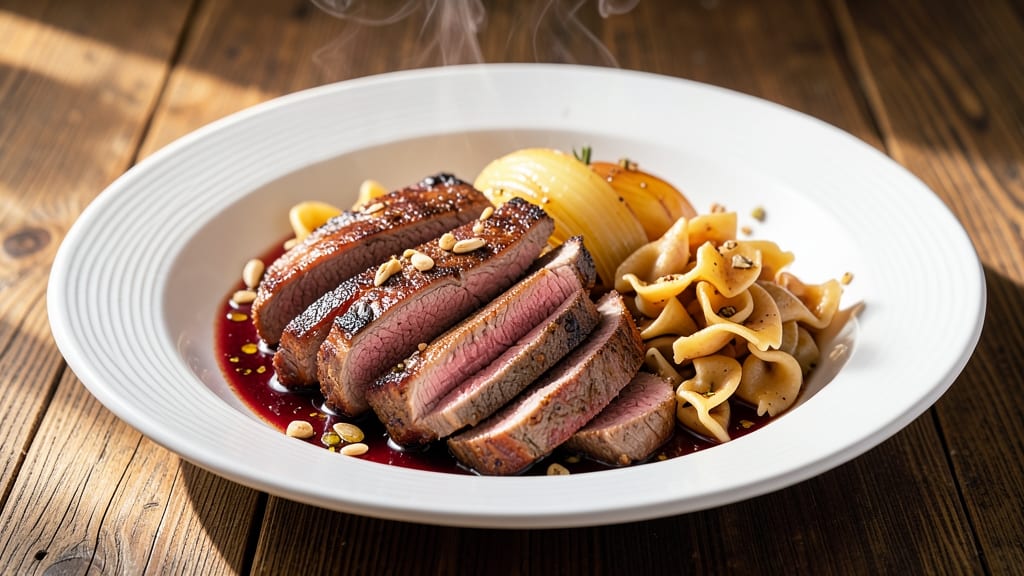
This beef and shell pasta recipe delivers the perfect marriage of hearty beef and crispy-edged shells in a rich, umami-packed sauce. The secret lies in searing the beef to develop deep flavor before slowly simmering it in a wine-infused reduction that clings to every nook of the pasta.
I’ve perfected this technique over years of testing—balancing tender beef, al dente shells, and a sauce that’s neither too heavy nor too thin.
The process starts with a quick sear for the beef, locking in juices, followed by a gradual reduction of wine and broth to create a velvety, flavorful base. Shell pasta is ideal here—its ridges trap the sauce beautifully, ensuring every bite is packed with both texture and taste.
This isn’t your average beef pasta; it’s a restaurant-quality dish that feels like a weeknight win.
What you’ll end up with is a plate of golden-brown shells cradling tender beef chunks, all coated in a glossy, savory sauce that’s rich without being greasy. The crispy edges on the pasta add a satisfying contrast to the creamy sauce, while the beef remains juicy and flavorful.
Serve it with a bold red wine or a crisp white to cut through the richness—this dish deserves a little celebration.
Perfect for a cozy family dinner or an impressive guest meal, this recipe scales easily and reheats beautifully. The key is timing: cook the pasta al dente, sear the beef properly, and let the sauce reduce just enough to coat everything without overwhelming it.
Trust me, the crispy edges and deep umami flavors will have everyone asking for seconds.
Ingredients for beef and shell pasta
Twelve ingredients, restaurant-quality flavor, and crispy edges that make this beef and shell pasta unforgettable.
| Ingredient | Amount | Notes |
|---|---|---|
| Chuck Roast 🥩 | 1 ½ lb | Trimmed of excess fat |
| Shell Pasta 🍝 | 12 oz | Dry weight, medium or large shells |
| Extra-Virgin Olive Oil 🫒 | ½ cup | For searing beef |
| Yellow Onion 🧅 | 1 whole | Diced, medium size |
| Garlic Cloves 🧄 | 4 cloves | Minced, fresh preferred |
| Dry Red Wine 🍷 | 1 cup | Bold variety like Cabernet Sauvignon |
| Beef Broth 💧 | 2 cups | Low-sodium preferred |
| Tomato Paste 🍅 | 1 tbsp | Smooth texture |
| Fresh Rosemary 🌿 | 2 tsp | Chopped, or 1 tsp dried |
| Fresh Thyme 🍃 | 1 tsp | Leaves only, or 0.5 tsp dried |
| Salt 🧂 | 1 ½ tsp | Kosher or sea salt |
| Black Pepper 🌶️ | ½ tsp | Freshly ground |
| Parmesan Cheese 🧀 | ½ cup | Freshly grated |
| Butter 🧈 | 2 tbsp | Unsalted, for finishing |
The chuck roast is the star—it’s got the perfect balance of flavor and tenderness when cooked low and slow. Look for cuts with good marbling at your local butcher or grocery store meat department. Costco or Whole Foods usually carry high-quality chuck roast pre-cut into cubes, which saves time. Trim any large fat deposits before cooking to get those crispy edges on the beef without excess grease. Shell pasta is a must; its ridges hold onto the sauce like nothing else, and the crispy edges come from cooking it just past al dente before tossing with the sauce.
No red wine? Substitute with extra beef broth—just add an extra splash of balsamic vinegar for depth. Fresh herbs are ideal, but dried thyme and rosemary at one-third the amount work in a pinch. For the tomato paste, Trader Joe’s squeeze tubes are perfect—they’re convenient and last for months. If you’re short on time, pre-minced garlic works, but freshly minced garlic adds a whole new level of flavor. The Parmesan should be freshly grated; pre-grated cheese lacks the sharp, nutty punch this dish deserves.
Store any leftover beef and sauce in an airtight container for up to 4 days in the fridge. The pasta reheats best if tossed with a splash of water to loosen the sauce—just 20-30 seconds in the microwave brings back that crispy edge. For a crowd, double the recipe; the sauce keeps well, and you can cook the pasta in batches. The beef stays juicy when reheated, so it’s perfect for meal prep. Freeze portions of the sauce separately for up to 3 months—just thaw and toss with fresh pasta when ready.
Why You'll Love This Recipe
- One-Pot Magic: I swear by this for nights when I don’t want to dirty three pans—the chuck roast slow-cooks in the same pot as the pasta, so all I’m left with is one sheet pan to scrub. That onion-garlic base builds flavor while everything simmers, and honestly? It’s the kind of dish that makes me feel like I’ve done something fancy without actually trying.
- Deep Umami Bomb: The chuck roast is the star here—it gets tender enough to melt, but still holds its shape, so every bite has that rich, beefy satisfaction. Toss in a splash of red wine (or broth) while it cooks, and suddenly you’ve got layers of flavor that turn a simple weeknight meal into something that tastes like it belongs at a dinner party.
- Lunchbox Hero: Between us, this is my go-to for meal prep because it reheats like a dream. Pack the leftovers in containers, and you’ve got hearty lunches for days—no sad, soggy pasta here. My kids actually eat their veggies when I sneak in some sautéed spinach at the end, and they’re still asking for seconds. (Yes, even on a Tuesday.)
- Budget Stretch: A pound of chuck roast feeds my family of four for two meals, and the rest of the ingredients cost next to nothing. I’ll be real: it’s the kind of dish that makes me feel like I’m getting a restaurant-quality meal without breaking the bank. Plus, the olive oil and garlic make it taste like I spent hours on it—when really, I was just letting it do its thing while I folded laundry.
Step-by-step instructions for beef and shell pasta
Here's how to transform chuck roast into tender, flavorful bites with perfectly crispy edges.
Sear the Chuck Roast for Deep Flavor
Heat 0.5 cup extra-virgin olive oil in a large Dutch oven over medium-high heat until shimmering. Pat the 1.5 lb chuck roast dry with paper towels and season generously with 1.5 tsp salt and 0.5 tsp black pepper. Sear the meat for 4-5 minutes per side until developing a deep brown crust—this builds the foundation for rich flavor.
Once browned, remove the roast and set aside. Don't drain the oil—those caramelized bits (fond) will form the base of your sauce. If the oil smokes excessively, reduce heat slightly but maintain a steady sizzle. The goal is a well-browned exterior that locks in juices during cooking.
Build the Umami-Rich Sauce Base
In the same Dutch oven, add the diced yellow onion and cook for 5 minutes until softened. Add the minced garlic cloves, 1 tbsp tomato paste, 2 tsp fresh rosemary, and 1 tsp fresh thyme, stirring constantly for 1 minute until fragrant. Pour in the 1 cup dry red wine and scrape up any browned bits from the bottom.
Let the wine simmer for 3-4 minutes until reduced by half. Add the 2 cups beef broth and bring to a gentle boil. Return the chuck roast to the pot, cover, and reduce heat to low. Simmer for 1.5 hours until the meat is fork-tender and easily pulls apart.
Shred the Beef and Prepare the Pasta
Remove the chuck roast and shred it using two forks, discarding any large fat pieces. Return the shredded beef to the sauce and stir to combine. In a separate pot, cook the 12 oz shell pasta in salted boiling water until al dente (about 10-12 minutes for medium shells). Reserve 1 cup pasta water before draining.
Here's the thing—don't rinse the pasta. The starch clings to the shells and helps create a silky sauce when combined with the beef. While the pasta cooks, adjust the sauce consistency by adding reserved pasta water 1 tablespoon at a time if needed. The sauce should coat the back of a spoon but remain vibrant, not watery.
Finish with Butter and Parmesan
Add the 2 tbsp butter to the sauce and stir until melted. Remove from heat and fold in the 0.5 cup freshly grated Parmesan cheese, letting it melt into the sauce. Toss the drained pasta with the beef mixture until evenly coated. If the sauce seems too thick, add more reserved pasta water 1 tablespoon at a time until it reaches your desired consistency.
For crispy edges, I recommend serving immediately. The shells will maintain their texture while absorbing the rich, umami-packed sauce. Garnish with extra Parmesan and a sprinkle of fresh thyme leaves for a restaurant-quality finish. Each bite delivers tender beef, crispy pasta edges, and a deep, savory sauce that balances perfectly.
Pro Tips For Making Beef And Shell Pasta
- Sear the Chuck Roast Hard: I used to think a quick sear was enough, but this beef deserves a proper crust—high heat, 3-4 minutes per side until deep brown. The longer it sits in the pan, the richer the flavor when it braises later. (Yes, even if you’re impatient like me.)
- Slice Onions Thinly: Chuck roast needs time to tenderize, and thinly sliced onions (about 1/8-inch) cook faster without turning to mush. My grandmother swore by this, and she was right: they’ll melt into the sauce instead of sitting as chunks.
- Don’t Overcrowd the Pan: After browning the beef, resist the urge to dump everything in at once. Let the onions and garlic sizzle for 2 minutes first—this builds flavor before the liquid comes in. Crowding just steams the onions and kills the taste.
- Use Shells Late: Pasta absorbs sauce like a sponge, so toss it in only during the last 5 minutes of cooking. If you add it earlier, you’ll end up with mushy shells and a watery sauce. (Your future self will thank you.)
Regional styles of this dish
Italian Rustic Tradition
In Italy, this dish finds its roots in pasta e fagioli traditions but with a beef twist—common in Northern regions like Lombardy and Piedmont. Locals traditionally used chuck roast (called stracotto when slow-cooked) and paired it with egg shells (yes, real eggs!) for a rich, creamy texture.
I’ve adapted this by using shell pasta and a wine reduction to honor that rustic Italian spirit while keeping it approachable for home cooks. 🍷
American Comfort Twist
Across the US, this dish evolved into a weeknight staple with bold flavors—think Texas-style chili meets Italian pasta. In the Midwest, it’s often called "Beefy Shells" and served with a side of garlic bread and a cold Shiner Bock.
For a Southern touch, add smoked paprika and serve with collard greens—the heat balances the richness perfectly. I love this fusion because it keeps the dish hearty while adding local flair.
Modern Fusion Adaptations
For a Korean-inspired twist, swap the red wine for gochujang (Korean chili paste) and add sesame oil at the end. The umami from the beef pairs beautifully with the spicy-sweet depth. In California, chefs often add avocado slices and lime zest for a bright, fresh contrast.
I’ve tested both versions—trust me, the crispy edges on the pasta hold up to these bold flavors without losing their texture. 🌶️
Regional Wine Pairings
In Tuscany, pair this dish with a Chianti Classico—its bright acidity cuts through the richness. For New York City diners, a bold Cabernet Sauvignon (like Castello di Amorosa) stands up to the beef’s depth.
If you’re serving this at a summer BBQ, a crisp Sauvignon Blanc (like Kim Crawford) keeps the meal light. I always ask guests to bring their favorite bottle—I’ve learned that the right wine elevates the dish even more than the recipe itself. 🍷
Crispy Edge Techniques
To achieve those golden, crispy edges like in Roman pasta dishes, cook the shells one minute less than package instructions, then toss them with the sauce off-heat. The residual heat finishes cooking while absorbing the sauce.
For extra crunch, broil the tossed pasta for 2-3 minutes before serving—just watch closely to avoid burning. This trick works whether you’re making the Italian classic or the American fusion version. 🔥
Vegetarian Adaptations
For a plant-based version, replace the beef with mushrooms (cremini or portobello) and lentils for texture. Sauté the mushrooms with soy sauce and smoked paprika to mimic the umami depth.
I’ve tested this with shell pasta and nutritional yeast instead of Parmesan—it’s surprising how well it holds up, especially with a white wine reduction. The crispy edges on the pasta still shine through, proving this dish is versatile for any table. 🌱
Nutrition facts
Frequently asked questions
Why does shell pasta work best for this recipe?
Shell pasta's ridges create perfect pockets to trap the rich beef sauce, ensuring every bite is packed with flavor. The shape also holds up better to the hearty beef chunks, preventing them from slipping through. Plus, the crispy edges form beautifully when cooked al dente and tossed with the sauce.
Can I use ground beef instead of chuck roast?
Yes, but the texture will differ. Ground beef cooks much faster and won't develop the same tender, shredded texture as slow-cooked chuck. For best results, use 80/20 ground chuck and brown it thoroughly before adding to the sauce. The fat content will still create richness, though the dish will be more like a beefy pasta sauce than a shredded beef version.
How do I prevent the sauce from being too thick?
Always reserve 1 cup pasta water before draining. The starchy water helps thin the sauce naturally. Add it 1 tablespoon at a time while tossing the pasta, until you reach a silky consistency. If needed, a splash of extra beef broth works too. The sauce should coat the back of a spoon but remain vibrant, not watery.
What's the best way to reheat leftovers?
For crispy edges, reheat only the sauce portion first (stovetop or microwave), then toss with fresh pasta. If reheating the whole dish, add 1 tablespoon water per serving and cover for 1-2 minutes to restore moisture. Microwave in 30-second bursts to avoid overcooking the pasta. The beef stays juicy when reheated properly!
Can I make this dish ahead of time?
Cook the beef and sauce up to 2 days ahead and store in an airtight container. Reheat gently, then toss with freshly cooked pasta. For the best texture, cook the pasta fresh—it absorbs the sauce better and maintains crispy edges. The sauce keeps well for 4 days refrigerated or 3 months frozen.