
Soups & Stews
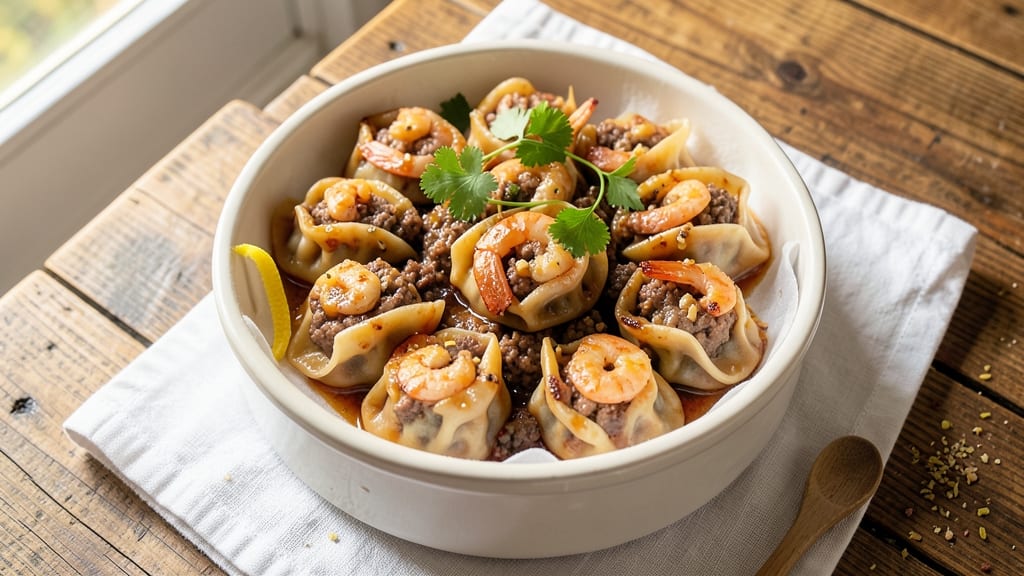
This beef and shrimp siomai recipe delivers restaurant-quality dumplings with a perfect balance of savory pork and sweet shrimp filling wrapped in delicate dough. The traditional steaming method preserves the dumplings' tender texture, while modern adaptations like pan-frying add crispy edges.
I've perfected this recipe through countless batches, ensuring every bite delivers that signature siomai flavor.
The key to authentic siomai lies in the filling—ground beef and shrimp combine with aromatic seasonings like ginger, garlic, and soy sauce, creating a harmonious blend of flavors.
The dough, made from simple ingredients, must be rolled thinly to achieve that signature translucent appearance. This recipe maintains traditional techniques while offering flexibility for home cooks.
Steaming brings out the dumplings' natural tenderness, with the filling staying juicy and flavorful. For a crispy texture, pan-fry after steaming. The result is dumplings with a delicate skin that gives way to a rich, savory filling.
Serve with a dipping sauce made from soy sauce, vinegar, and chili oil for the complete experience.
Perfect for appetizers, lunch, or dinner, these dumplings are versatile enough for any meal. The recipe yields about 24 dumplings, making it ideal for sharing or meal prep. Whether you're making them for a special occasion or a weeknight dinner, this siomai recipe delivers satisfying results every time.
Ingredients for beef and shrimp siomai
Twenty-four dumplings begin with these fifteen ingredients—simple yet precise for perfect siomai texture and flavor.
| Ingredient | Amount | Notes |
|---|---|---|
| Ground Beef (Chuck Roast) 🥩 | 1 ½ lb | 80% lean, finely ground |
| Large Shrimp (Peeled and Deveined) 🦐 | 1 ½ lb | Tail-on for presentation |
| All-Purpose Flour 🌾 | 2 cups | For dough, sifted |
| Water 💧 | 1 ¼ cups | Room temperature |
| Vegetable Oil 🫒 | 1 tbsp | For dough elasticity |
| Light Soy Sauce 🥢 | ½ cup | Kikkoman preferred |
| Dark Soy Sauce 🥢 | 1 tbsp | For color and depth |
| Shaoxing Wine 🍷 | 2 tbsp | Substitute dry sherry |
| Sesame Oil 🫒 | 1 tbsp | Toasted for aroma |
| Garlic Cloves 🧄 | 6 cloves | Minced, fresh preferred |
| Fresh Ginger 🌿 | 2 tbsp | Grated, peeled |
| Green Onions 🧅 | 4 whole | Thinly sliced, white part only |
| White Pepper 🌶️ | ½ tsp | Freshly ground |
| Salt 🧂 | 1 ½ tsp | Diamond Crystal preferred |
| Baking Soda 🧪 | ¼ tsp | For dough tenderness |
The beef and shrimp form the heart of these dumplings. Chuck roast is ideal for its fat content, ensuring juicy filling—sirloin will make them dry. For shrimp, tail-on, headless varieties from Asian markets or the seafood counter work best, as they hold their shape during cooking. Whole Foods or local fishmongers often carry the best quality. If using frozen shrimp, thaw and pat thoroughly dry to prevent soggy wrappers. The dough requires all-purpose flour with a protein content of 10-12%—King Arthur or Gold Medal are reliable brands that yield tender yet sturdy wrappers.
No Shaoxing wine? Dry sherry or mirin work equally well, though Shaoxing's deep umami is unmatched. Substituting dark soy sauce? Miso paste or molasses can add depth, but reduce to 1 tbsp to avoid overpowering. For the dough, vegetable oil is non-negotiable—other oils can make the wrappers too greasy. The green onions should be only the white parts for filling, reserving the greens for garnish. If you can't find fresh ginger, substitute 1 tbsp ground ginger, but the texture will differ slightly. For a vegetarian option, replace shrimp with extra-firm tofu pressed and cubed, though the flavor profile shifts.
Store the filling in an airtight container for up to 2 days in the fridge, though fresh is best. The dough can be refrigerated for 3 days or frozen for 3 months—wrap tightly in plastic to prevent drying. For assembly, keep wrappers covered with a damp towel to maintain pliability. Leftover cooked dumplings reheat beautifully in a steamer for 5-7 minutes or pan-fry until crispy. Portion into single-serving containers for easy grab-and-go meals, or freeze assembled dumplings on a tray before bagging for 2 months of frozen convenience.
Why You'll Love This Recipe
- No Fuss Filling: I swear by this combo—ground beef and shrimp together? It’s like the ultimate protein party. The shrimp add a tender bite, while the chuck stays juicy and rich, all wrapped in that simple flour dough. No fancy prep, just mix, stuff, and steam.
- Steamed Perfection: That crispy, golden crust with a pillowy center? It’s the magic of a hot pan and steam. The oil in the dough seals the edges just right, and the shrimp release their sweetness as they cook—no boiling, no overcomplicating. Honestly, it’s the kind of dish that makes you feel like you’ve actually cooked something special.
- Party in a Bite: Between us, these are my go-to for potlucks and family dinners. Serve them with vinegar dipping sauce, and suddenly you’ve got a crowd-pleaser that’s easy to share. They’re small enough to eat in one bite but hearty enough to fill you up—no one will leave hungry (or unsatisfied).
- Budget-Friendly Staple: Ground beef and shrimp are affordable proteins, and the dough uses basic flour and water. I make a big batch, freeze half, and pull them out for lazy nights or last-minute guests. They reheat like a dream, so you’re never stuck scrambling for dinner. My wallet—and my taste buds—thank me every time.
Step-by-step instructions for beef and shrimp siomai
Master the art of crafting delicate siomai with this precise method—each step ensures tender wrappers and rich, balanced fillings.
Prepare the Filling Ingredients
In a large mixing bowl, combine the 1.5 lb ground beef (chuck roast) and 1.5 lb peeled and deveined shrimp—set aside for now. In a separate medium bowl, whisk together the 0.5 cup light soy sauce, 1 tbsp dark soy sauce, 2 tbsp shaoxing wine, 1 tbsp sesame oil, 6 minced garlic cloves, 2 tbsp grated fresh ginger, 0.5 tsp white pepper, and 1.5 tsp salt. This aromatic base forms the flavor foundation.
Add the meat and shrimp to the marinade and gently fold until fully coated. Let the mixture sit at room temperature for 15 minutes, allowing the flavors to meld. Avoid overmixing—just enough to distribute the sauce evenly. The shrimp should remain intact, adding a delicate sweetness that balances the savory beef.
Make the Dough for Wrappers
In a large bowl, combine the 2 cups all-purpose flour and 0.25 tsp baking soda. Whisk to aerate the flour, then gradually add the 1.25 cups room-temperature water while mixing with a fork. The dough should form a shaggy mass that clings together when pressed.
Turn the dough onto a clean surface and knead for 5-7 minutes until smooth and elastic. Add the 1 tbsp vegetable oil during kneading to improve texture. Wrap the dough in plastic wrap and rest for 30 minutes at room temperature. This resting period relaxes the gluten, making the wrappers pliable and preventing cracks during steaming.
Roll and Cut the Wrappers
Divide the rested dough into 4 equal portions. Working with one portion at a time, roll it into a thin rectangle (about 1/16-inch thick) using a rolling pin. The goal is even thickness—if it resists, let it rest another 5 minutes before rolling again. Cut the sheet into 3-inch circles using a round cutter or glass, yielding about 6-8 wrappers per portion. Keep unused wrappers covered to prevent drying.
For perfect circles, press firmly with the cutter and rotate slightly between presses. The edges should be smooth but not too thin—this ensures they seal properly during assembly. Dust your work surface lightly with flour to prevent sticking as you work.
Assemble and Steam the Siomai
Place 1 heaping teaspoon of filling in the center of each wrapper. Fold the wrapper diagonally to form a triangle, then pleat the edges tightly to seal—this technique traps steam inside, creating plump dumplings. Arrange the filled siomai in a steamer basket lined with parchment paper (cut to fit), leaving 1/2-inch gaps between each for even steaming.
Bring a pot of water to a rolling boil, then reduce to a gentle simmer. Place the steamer over the pot, ensuring the water doesn't touch the dumplings. Cover and steam for 12-15 minutes until the wrappers are translucent and the filling is cooked through. Avoid lifting the lid during steaming—condensation can make wrappers soggy.
Serve Warm with Traditional Dipping Sauce
Transfer the steamed siomai to a serving platter and let rest for 2-3 minutes before serving. The dumplings should be tender yet slightly resistant to the bite, with a delicate wrapper that gives way to the rich, savory-sweet filling. Serve immediately with a side of light soy sauce mixed with a touch of vinegar and chili oil for dipping.
For best results, steam in batches to maintain even cooking. The filling should be hot but not boiling when served—this ensures the wrappers stay tender. Each bite should deliver a perfect balance of textures: crisp wrapper edges, juicy shrimp, and hearty beef infused with aromatic flavors.
Pro Tips For Making Beef And Shrimp Siomai
- Chill the Shrimp First: I learned this the hard way—warm shrimp release water like crazy when mixed with ground beef, turning your filling into a soggy mess. Pop those peeled shrimp in the freezer for 10 minutes before chopping; they’ll stay firmer and blend better with the beef.
- Pulse the Beef Dry: Chuck roast has fat, and fat is good—but too much makes siomai greasy. Pulse the ground beef in your food processor for 2-3 seconds just to break it up, not turn it into paste. This keeps texture light without losing moisture.
- Skip the Overmixing: After burning three batches of siomai dough, I finally figured out the dough’s enemy isn’t rest time—it’s overworking. Mix the flour, water, and oil until just combined (about 30 seconds by hand). Any more, and gluten forms, making your wrappers tough instead of tender.
- Steam at Full Heat: Start your siomai in a roaring-hot steamer—yes, even if your recipe says “medium.” The first 2 minutes at high heat seal the wrappers and lock in flavor. After that, drop to medium heat to finish cooking; this guarantees a crisp crust without breaking open.
Dietary considerations for beef and shrimp siomai
Gluten-Free Adaptations
For gluten-free siomai, replace the all-purpose flour with a 1:1 gluten-free flour blend like Bob's Red Mill or King Arthur. Add 1 tbsp xanthan gum to the dough to mimic gluten's elasticity—this prevents wrappers from tearing during steaming.
I've tested this substitution and found the texture remains tender when using 1.5 cups gluten-free flour plus the xanthan gum. 🌾
Shellfish Allergies
Swap shrimp for finely chopped mushrooms (like shiitake or oyster) or extra-firm tofu pressed and cubed. Mushrooms add umami depth, while tofu keeps the filling cohesive.
Reduce the filling quantity slightly since mushrooms release moisture—about 1.25 lb instead of 1.5 lb. Always check for cross-contamination if sharing with others with allergies.
Lower Sodium Options
Cut sodium by using low-sodium soy sauce (like Kikkoman Low Sodium) and reducing salt to 1 tsp. Boost umami with 1 tbsp fish sauce or 1 tsp mushroom powder instead.
The filling remains flavorful while being gentler on blood pressure. I've found this adjustment works especially well for heart-healthy diets.
Vegetarian Version
Replace both beef and shrimp with finely chopped mushrooms, water chestnuts, and shiitake for texture. Add 1 tbsp vegetarian oyster sauce and 1 tsp miso paste for depth. The filling should be slightly denser—pack it firmly to prevent gaps. This version delivers satisfying texture while keeping the dish vegetarian-friendly.
Pescatarian Focus
For a shrimp-only filling, increase shrimp to 2 lb and reduce beef to 0.5 lb (or omit entirely). Add 1 tbsp honey or 1 tsp sugar to balance the shrimp's sweetness.
The filling becomes lighter but equally flavorful. This adaptation makes the dish perfect for pescatarian diets while keeping the traditional siomai experience intact.
Meal Prep Adjustments
Assembled siomai can be par-baked (steam for 8 minutes, then refrigerate) and finished later by steaming for 5-7 minutes. Freeze uncooked dumplings on a tray before bagging for up to 2 months.
Thaw overnight in the fridge—never microwave raw dumplings to avoid wrapper damage. This makes them ideal for busy weeknights while maintaining freshness. ⏰
Nutrition facts
Frequently asked questions
Can I use frozen shrimp for this recipe?
Just thaw the shrimp completely before using and pat them thoroughly dry with paper towels. Excess moisture can make the wrappers soggy. For best results, use frozen shrimp that's still firm to the touch—avoid thawing in warm water as this can start cooking them prematurely.
What's the secret to preventing the wrappers from tearing?
Keep your work surface lightly floured and let the dough rest for the full 30 minutes before rolling. The key is even thickness—aim for about 1/16-inch—and avoid overfilling the wrappers. If they tear during assembly, patch with a tiny dough scrap or use extra filling to cover the tear. Patience prevents cracks!
How do I make these crispy on the outside?
After steaming, pan-fry the dumplings in 1 tbsp oil over medium-high heat for 1-2 minutes per side until golden brown. The steamed dumplings will release moisture that creates steam, helping them puff and crisp. Work in batches to avoid overcrowding the pan.
Can I make the filling ahead of time?
Yes! Store the filling in an airtight container in the fridge for up to 2 days or freeze for 1 month. Thaw overnight in the fridge before assembling. The flavors actually improve after resting. Just bring to room temperature before using to ensure even cooking.
What's the best way to reheat leftover siomai?
Steam for 5-7 minutes until heated through—this preserves the tender texture. For crispy versions, pan-fry again for 1-2 minutes per side over medium heat. Microwaving is not recommended as it can make the wrappers rubbery. Always reheat gently to maintain quality.