
Soups & Stews
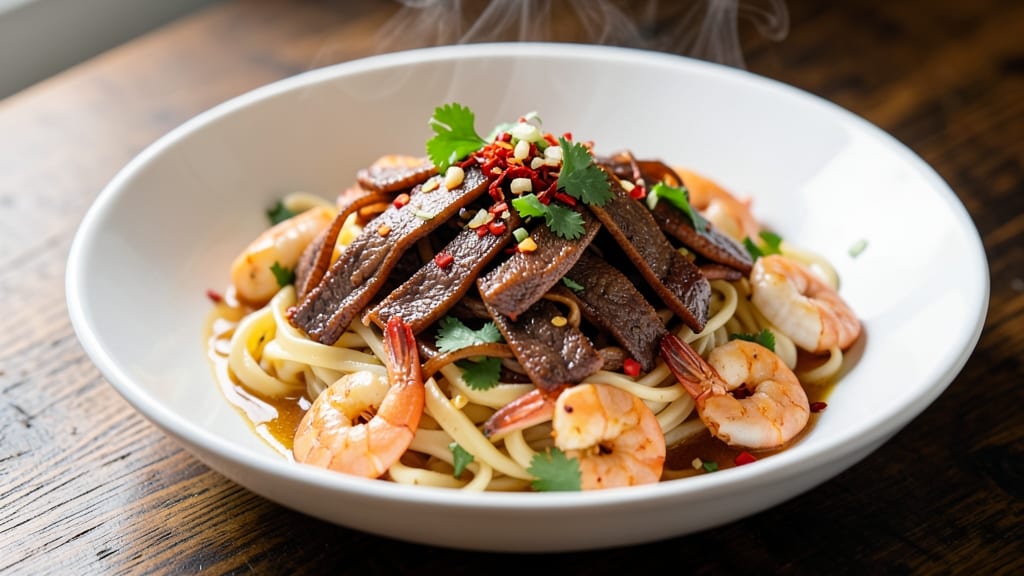
This beef and shrimp yakamein recipe delivers the perfect harmony of tender proteins, silky noodles, and a bold, umami-packed sauce that's both restaurant-worthy and surprisingly simple to recreate at home.
The secret lies in high-heat wok tossing, which creates that signature crisp-tender texture while infusing every bite with smoky, spicy depth. I've perfected this version over countless weeknight dinners—it's become my go-to when craving something flavorful yet quick to prepare.
The dish balances three essential elements: marinated beef and shrimp that develop rich flavors, chewy yet tender noodles, and a sauce that's complex without being overpowering. We'll use a blend of traditional yakamein spices—ginger, garlic, and chili—along with soy sauce and oyster sauce for that signature umami crunch.
The key technique is cooking the proteins separately before tossing everything together at the end, ensuring they stay perfectly tender while the noodles absorb the flavorful sauce.
What you'll end up with is a vibrant, aromatic dish where each component plays its part—crispy edges on the beef and shrimp, perfectly cooked noodles that cling to the sauce, and a balance of heat that's customizable to your preference.
The aroma alone will have everyone gathered around the table, and the first bite delivers that satisfying contrast of textures and flavors. This recipe serves four and comes together in under 30 minutes, making it ideal for busy weeknights or weekend gatherings.
The beauty of yakamein lies in its adaptability—you can adjust the heat level by adding more chili flakes or reducing them entirely for a milder version.
Garnish with fresh cilantro and lime wedges to brighten the dish and serve with extra chili oil on the side for those who crave more heat. Let's get started on creating this restaurant-quality meal at home.
Ingredients for beef and shrimp yakamein
Quick grocery run for beef, shrimp, and noodles—everything else is probably in your pantry.
| Ingredient | Amount | Notes |
|---|---|---|
| Flank Steak 🥩 | 1 lb | Thinly sliced against grain |
| Large Shrimp 🦐 | 1 lb | Peeled, deveined, tails on |
| Egg Noodles 🍜 | 8 oz | Fresh or dried, wide-cut |
| Fresh Ginger 🌿 | 1 tbsp | Finely minced, peeled |
| Garlic Cloves 🧄 | 6 cloves | Minced, fresh preferred |
| Red Chili Flakes 🌶️ | 1 tbsp | Adjust for heat preference |
| Light Soy Sauce 🥄 | ½ cup | Kikkoman preferred |
| Oyster Sauce 🍜 | 2 tbsp | High-quality, dark color |
| Sesame Oil 🫒 | 1 tbsp | Toasted, for aroma |
| Vegetable Oil 🫒 | 2 tbsp | High smoke point |
| Fresh Cilantro 🌿 | ¼ cup | Chopped, for garnish |
| Lime Wedges 🍋 | 2 whole | For serving |
| Salt 🧂 | 1 tsp | Kosher or sea salt |
| Black Pepper 🌶️ | ½ tsp | Freshly ground |
The proteins make or break this dish. Flank steak needs to be thinly sliced against the grain—Costco or Whole Foods usually carry pre-sliced packages, but if not, ask the butcher to slice it thin for stir-fry. Shrimp should be large (31/40 count)—smaller ones overcook fast. Look for fresh, not frozen, at the seafood counter. The noodles? Fresh egg noodles are ideal, but dried works too if you can't find them. Just cook them al dente—this sauce finishes them perfectly.
No soy sauce? Coconut aminos work in a pinch, though the flavor won't be identical. Short on oyster sauce? Mushroom sauce or extra soy sauce gets you close. Chili flakes too spicy? Swap for sichuan peppercorns (toasted and crushed) for a numbing heat instead. The ginger and garlic can be pre-minced from jars, but fresh is worth the extra minute—it makes all the difference. Sesame oil? Just a whiff—don't overdo it or your dish will taste soapy. If you're missing it entirely, toasted sesame seeds sprinkled on top add the same nutty aroma.
Prep everything ahead—this dish comes together in minutes. The proteins marinate in the sauce for 10 minutes before cooking, so no last-minute stress. Store leftovers in an airtight container for up to 3 days—reheat gently with a splash of water to keep the noodles from drying out. Freezes beautifully for 2 months if you make a double batch. Garnish with cilantro and lime right before serving—those bright flavors fade fast once cut.
Why You'll Love This Recipe
- One-Pan Magic: I swear by this recipe when I’m too tired to scrub pots—just sear the flank steak and shrimp in the same pan, toss in the noodles, and let the ginger and garlic work their sauce magic. The wok’s residual heat does half the cooking for you.
- Umami Bomb: That first bite of tender flank steak and plump shrimp with the noodles soaking up the sticky-sweet ginger-garlic sauce? It’s the kind of flavor combo that makes you pause mid-chew. Honestly, the shrimp’s natural sweetness and the beef’s deep savoriness play off each other like a dream team.
- Lunchbox Hero: Between us, this is my go-to for meal prep—it reheats like a champ, and the noodles stay al dente even after two days. Pack it cold for work or freeze portions; the flavors only get better as the sauce melds. (Yes, even on a Tuesday night.)
- Budget Flex: Flank steak and shrimp might sound fancy, but they stretch far when paired with egg noodles. I’ll buy them in bulk, freeze what I don’t use, and still have leftovers that taste like a restaurant dish. Not the prettiest, but the taste makes up for it every time.
Step-by-step instructions for beef and shrimp yakamein
Let's create a restaurant-quality stir-fry with tender beef, plump shrimp, and silky noodles.
Prep All Ingredients for Quick Cooking
Start by slicing the 1 lb flank steak thinly against the grain into ¼-inch strips—this ensures tender bites. Pat the shrimp dry with paper towels and make a small slit on the back of each to remove the vein if not already done. Finely mince the 1 tbsp fresh ginger and 6 cloves garlic using a microplane or sharp knife. Chop the 0.25 cup fresh cilantro and set aside for garnish.
Measure out the 0.5 cup light soy sauce, 2 tbsp oyster sauce, 1 tbsp sesame oil, 1 tbsp red chili flakes, 1 tsp salt, and 0.5 tsp black pepper in separate small bowls. Keep the 2 whole lime wedges ready for serving. Having everything prepped and measured ensures a smooth, fast cook—this dish should take less than 20 minutes from start to finish.
Cook the Beef and Shrimp Separately
Heat 1 tbsp vegetable oil in a wok or large skillet over high heat until shimmering. Add the sliced flank steak in a single layer and sear undisturbed for 1-2 minutes until the edges turn golden brown. Stir-fry for another 1-2 minutes until just cooked through—the beef should still be slightly pink in the center for tenderness. Remove and set aside.
In the same wok, add another 1 tbsp vegetable oil and heat again over high heat. Add the shrimp in a single layer and cook for 1-2 minutes per side until they turn pink and opaque. They should curl slightly and release easily from the pan. Remove and set aside with the beef, keeping both warm.
Stir-Fry the Aromatics and Sauce
In the same wok, reduce heat to medium-high and add the minced ginger and garlic. Stir-fry for 30 seconds until fragrant—you should smell a bright, pungent aroma. Add the red chili flakes and stir for another 10 seconds to toast them lightly.
Pour in the 0.5 cup light soy sauce, 2 tbsp oyster sauce, and 1 tbsp sesame oil. Stir well to combine, scraping up any browned bits from the bottom of the wok. Let the sauce simmer for 1-2 minutes until it thickens slightly and coats the back of a spoon. This step builds the umami-rich foundation of the dish.
Combine Noodles and Protein
Add the 8 oz egg noodles to the wok and toss to coat them evenly in the sauce. Cook for 1-2 minutes until the noodles are heated through and begin to soften. Add the cooked beef and shrimp back into the wok, tossing everything together for 1-2 minutes until well combined and heated through.
Taste and adjust the seasoning if needed—you might want to add a splash of water or a pinch more salt to balance the flavors. The noodles should be tender but still have a slight bite, and the sauce should cling to everything without being too watery.
Serve with Fresh Garnishes
Transfer the yakamein to serving bowls and garnish immediately with the chopped cilantro and serve with the lime wedges on the side. The bright acidity of the lime cuts through the richness of the dish, balancing all the flavors beautifully.
This dish is best served right away while everything is hot and the noodles are silky. The combination of tender beef, plump shrimp, and chewy noodles in a savory-sweet sauce makes for a satisfying meal that’s quick to prepare but feels special. Enjoy the smoky, umami-packed flavors of this classic stir-fry!
Pro Tips For Making Beef And Shrimp Yakamein
- CUT STEAK THIN AGAINST THE GRAIN: Flank steak’s fibers run long—slicing perpendicular makes every bite tender. Use a sharp knife and freeze the meat for 20 minutes first; it’ll slice cleaner. (I used to overcook it trying to compensate, and it turned chewy.)
- PEEL SHRIMP LAST MINUTE: Shrimp turn rubbery fast. Keep them peeled but leave the tail on until you’re ready to toss them in—just 30 seconds before the final stir. The tail locks in juices, and you won’t have to fight soggy shrimp.
- SAUTÉ GINGER AND GARLIC TO BROWN: Don’t just chop—cook the ginger and garlic until they’re deep golden, not pale. High heat for 30 seconds cracks their oils, adding nutty depth. I learned this the hard way when my yakamein tasted flat.
- USE COLD NOODLES FOR CRISP-TENDER BITE: Rinse egg noodles under cold water, drain, and let them sit in the fridge for 10 minutes before cooking. The shock prevents mushiness, and they’ll hold up better when tossed with the sauce. (Yes, even if you’re impatient like me.)
Make-ahead tips for this dish
Protein Prep Ahead
Slice the 1 lb flank steak into ¼-inch strips against the grain and marinate in 2 tbsp soy sauce, 1 tbsp oyster sauce, and ½ tsp black pepper for up to 4 hours in the fridge.
Store in an airtight container to keep flavors concentrated. For shrimp, peel and devein them, then store in the fridge for up to 2 days—just add a pinch of salt to prevent browning. 🥩
Sauce Base Prep
Combine all sauce ingredients—0.5 cup soy sauce, 2 tbsp oyster sauce, 1 tbsp sesame oil, 1 tbsp red chili flakes, 1 tbsp minced ginger, and 6 minced garlic cloves—in a bowl and refrigerate for up to 24 hours.
This lets the flavors meld beautifully. Keep the cilantro and lime wedges separate until serving. ✨
Noodle Prep Shortcut
Cook the 8 oz egg noodles just 1 minute less than package instructions (they'll finish cooking in the wok). Drain, rinse with cold water, and toss with 1 tsp vegetable oil to prevent sticking.
Store in an airtight container for up to 2 days—reheat in boiling water for 30 seconds before tossing with the sauce. 🍜
Reheating Like a Pro
To reheat, combine all components in a wok over medium-high heat with 1 tbsp water to restore moisture. Toss for 2-3 minutes until everything is heated through. Add a splash of lime juice to brighten flavors. Avoid microwaving—it makes noodles mushy and sauce watery. 🔥
Freezer-Friendly Hack
Portion the yakamein into single-serving airtight containers with a thin layer of sauce on top to prevent freezer burn. Freeze for up to 2 months. Thaw overnight in the fridge, then reheat using the wok method above. Garnish with fresh cilantro and lime wedges right before serving. ❄️
Nutrition facts
Frequently asked questions
Can I substitute chicken for the beef in this yakamein?
Use 1 lb boneless chicken thighs or breasts, sliced into ½-inch strips. Chicken cooks faster than beef, so reduce cooking time to 2-3 minutes until just done. The texture will be slightly different but still delicious.
How do I adjust the heat level in this dish?
For milder heat, reduce the red chili flakes to ½ tbsp or swap them for 1 tsp toasted Sichuan peppercorns (crushed) for a numbing heat instead. For extra spice, add 1 tbsp chili garlic sauce or a dash of sriracha at the end. Always taste before serving!
What's the best way to store leftovers?
Store in an airtight container in the fridge for up to 3 days. Reheat in a wok with 1 tbsp water over medium-high heat for 2-3 minutes to restore texture. Avoid microwaving—it makes noodles soggy. Garnish with fresh cilantro and lime after reheating.
Can I make this dish gluten-free?
Yes! Use tamari or coconut aminos instead of soy sauce, and ensure your oyster sauce is gluten-free. For noodles, opt for rice noodles or gluten-free egg noodles. Double-check all ingredients, especially sauces, as some contain hidden gluten.
Why does my yakamein sauce turn watery?
This usually happens from overcooking the noodles or adding too much liquid. Cook noodles 1 minute less than package instructions, and reduce sauce simmering time to 1 minute. Toss everything together quickly over high heat to thicken the sauce.