
Soups & Stews
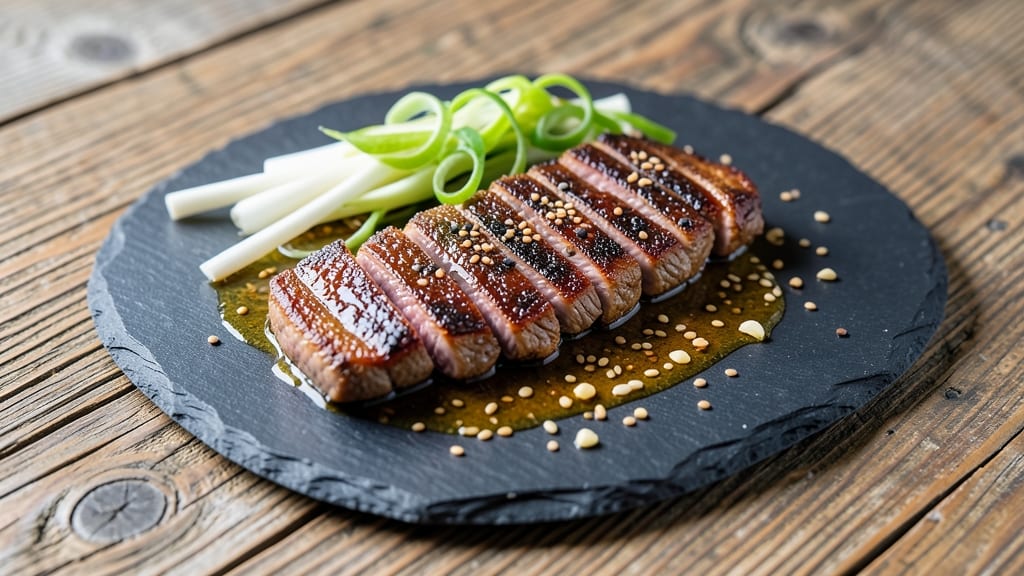
This beef and spring onions recipe delivers restaurant-quality wok-sizzled beef with crispy edges and a velvety sauce that clings to every bite. The secret lies in high-heat searing followed by a quick deglaze that transforms simple ingredients into something extraordinary. I've perfected this technique over countless weeknight dinners, and it never fails to impress.
The magic happens in the wok, where thinly sliced beef develops a caramelized crust while spring onions add fresh, sharp contrast. A simple soy-ginger sauce ties everything together, creating a balance of savory, umami, and brightness that's impossible to resist.
The dish comes together in under 30 minutes, making it perfect for busy weeknights.
What you'll end up with is perfectly browned beef with tender centers, crisp spring onions that add texture, and a sauce so rich it coats every forkful. The aroma alone will have everyone gathering around the table, and the first bite delivers that satisfying combination of crispy, tender, and saucy.
Serve with steamed jasmine rice to soak up every last drop of that delicious sauce, or pair with crusty bread for a more substantial meal. The versatility of this dish makes it ideal for both weeknight dinners and special occasions.
Ingredients for beef and spring onion
High-quality beef and fresh spring onions transform into restaurant-style wok sizzle with crispy edges and velvety sauce.
| Ingredient | Amount | Notes |
|---|---|---|
| Flank Steak 🥩 | 1 ½ lb | Thinly sliced against grain |
| Spring Onions 🧅 | 1 lb | Whole, trimmed and cut into 2-inch pieces |
| Soy Sauce 🍶 | ½ cup | High-quality, preferably Japanese |
| Ginger Root 🌿 | 2 tbsp | Freshly grated, aromatic |
| Garlic Cloves 🧄 | 4 cloves | Minced, aromatic |
| Sesame Oil 🫒 | 1 tbsp | Toasted, for aroma |
| Cornstarch 🌾 | 1 tbsp | For sauce thickening |
| Neutral Oil 🫒 | 2 tbsp | Peanut or vegetable oil |
| Brown Sugar 🍯 | 1 tbsp | Light, for balance |
| Green Onions 🧅 | 4 whole | Thinly sliced, for garnish |
| Sesame Seeds 🌾 | 1 tbsp | Toasted, for garnish |
| Kosher Salt 🧂 | 1 ½ tsp | Diamond Crystal preferred |
| Black Pepper 🌶️ | ½ tsp | Freshly ground |
| Jasmine Rice 🍚 | 1 ½ cups | Uncooked, for serving |
The flank steak is non-negotiable here—its lean yet tender texture becomes melt-in-your-mouth when sliced against the grain. Ask your butcher to slice it thinly (about 1/8-inch thick) or do it yourself with a sharp knife. For the spring onions, look for vibrant green tops and crisp white bulbs—avoid any that feel rubbery or wilted. I always buy mine from Whole Foods or high-end Asian markets where the produce is fresher. If you can't find spring onions, substitute with regular green onions, but the texture won't be as crisp. The soy sauce should be Japanese-style (like Kikkoman) for that authentic umami depth—American brands can taste overly salty or thin.
No sesame oil? Toasted peanut oil works in a pinch, though it lacks the nutty aroma. Substitute fresh ginger with 1 tbsp ground ginger, but the flavor won't be as bright. For the cornstarch, arrowroot powder is a 1:1 substitute—just mix it with a splash of cold water first. The brown sugar can be swapped for white sugar or honey (though honey adds moisture). If you're short on time, pre-minced garlic from a jar (like Garlic 5 brand) saves steps, but fresh is always better. The key to that perfect caramelized crust? High heat and a crowded wok—don’t overcrowd the beef, or it’ll steam instead of sear.
Store leftover beef in an airtight container for up to 3 days in the fridge, though it reheats best when saucy. The spring onions keep for 5-7 days if wrapped in damp paper towels in a plastic bag. For the sauce, it thickens as it cools—stir in a splash of water if it gets too stiff. This dish freezes beautifully for 2 months (sauce may separate slightly, so stir well before reheating). Serve over steamed jasmine rice to soak up every last drop of that velvety sauce—double the rice portion if you're serving with bread, as the sauce is generous.
Why You'll Love This Recipe
- Foolproof Slice: I swear by this—just sear the flank steak until it’s browned, slice it thin, and toss it in the pan with the spring onions. No fancy knife skills needed, and the onions caramelize in minutes while you’re still chopping.
- Umami Bomb: That combo of soy sauce, ginger, and garlic? It’s like a flavor grenade. The steak soaks up the sauce so well, every bite has this perfect balance of salty, spicy, and sweet—no heavy sauces or complicated spice blends.
- Lunchbox Hero: Between us, this is my go-to for work lunches. Pack the leftovers in a container with rice or noodles, and it stays fresh for days. Honestly, my coworkers started asking for the recipe after I brought it three times.
- Budget Powerhouse: Flank steak is affordable, and spring onions last forever in the fridge. A single pan, five ingredients, and you’ve got a meal that feeds four for under $15. Plus, the leftovers taste just as good reheated as they do fresh.
Step-by-step instructions for wok-sizzled beef and spring onions
Master this technique for restaurant-quality texture—crispy edges on the beef and a glossy, balanced sauce.
Prepare the Flank Steak for Maximum Tenderness
Slice the 1.5 lb flank steak thinly against the grain into ¼-inch thick strips. This is crucial—thin slices ensure quick cooking and melt-in-your-mouth tenderness. Arrange the slices on a plate and season generously with 1.5 tsp kosher salt and 0.5 tsp black pepper. Let them sit at room temperature for 15 minutes while you prep the rest. This step prevents cold spots in the meat and ensures even cooking.
While the steak rests, trim the 1 lb spring onions, cutting them into 2-inch pieces and reserving the green tops for garnish. The white and light green parts will caramelize beautifully in the wok. Grate the 2 tbsp ginger root using a fine grater or microplane—you want a smooth paste, not coarse chunks. Mince the 4 garlic cloves finely; they should almost disappear when stirred into the sauce.
Build the Flavor Base in the Wok
Heat a 14-inch wok or large skillet over high heat until it's screaming hot. Add 2 tbsp neutral oil and swirl to coat the surface. Once the oil shimmers, add the spring onion whites and cook for 2-3 minutes until they begin to soften and release their natural sweetness. This is where the foundation of your dish starts to develop.
Add the grated ginger and minced garlic, stirring constantly for 30 seconds until fragrant. The garlic should sizzle but not burn—watch closely. Immediately add 0.5 cup soy sauce and 1 tbsp brown sugar, stirring to combine. Let this mixture cook for 1 minute until the soy sauce reduces slightly and the aromatics deepen in color. This step creates the umami backbone of your sauce.
Cook the Beef to Crispy Perfection
Working in batches to avoid overcrowding, add the seasoned flank steak strips to the wok. Let them sear undisturbed for 1-2 minutes until they develop a deep golden-brown crust on one side. This crust is your reward—it traps juices and adds texture. Use tongs to flip the beef and cook for another 1-2 minutes until fully cooked through. Remove the beef to a plate and tent with foil to keep warm.
Real talk: If the beef releases easily from the wok, it's not ready. You want that crispy edge that tells you it's properly seared. The sauce should coat the beef lightly but not turn it into a soggy mess. Once all batches are cooked, return the beef to the wok along with any accumulated juices.
Thicken the Sauce and Finish
Reduce heat to medium and stir in 1 tbsp cornstarch mixed with 1 tbsp sesame oil. Cook for 1-2 minutes until the sauce thickens to a glossy consistency that lightly coats the back of a spoon. If it thickens too quickly, add 1-2 tablespoons of water to adjust. The sauce should cling to the beef without being gluey.
Drizzle in 1 tbsp toasted sesame oil and toss everything together. The oil adds a nutty aroma that elevates the dish. Taste and adjust seasoning—you might need a pinch more salt or a splash of soy sauce to balance flavors. Garnish with sliced green onions and toasted sesame seeds for color and texture contrast.
Serve Over Jasmine Rice
Cook 1.5 cups jasmine rice according to package instructions—it should be fluffy and slightly sticky. Divide the rice among plates and top with the beef and spring onion mixture. The rice acts as a neutral canvas that lets the beef and sauce shine. For presentation, arrange the beef in a circular pattern on top of the rice, with spring onions fanned out around it.
Serve immediately while the beef is still sizzling hot. Each bite should deliver a perfect balance: crispy edges on the beef, tender meat, and a glossy sauce that coats every strand of spring onion. The contrast between the textures and flavors makes this dish unforgettable. If you're feeling adventurous, drizzle a little extra sesame oil over the top just before serving for an aromatic finish.
Pro Tips For Making Beef And Spring Onion
- Slice Against the Grain: Flank steak’s tough fibers run diagonally—cutting against them turns chewy meat into tender strips. Use a sharp knife and angle it 45 degrees for clean slices that melt in your mouth.
- Blanch Spring Onions First: Toss whole spring onions in boiling water for 30 seconds, then shock in ice water. This softens them just enough to caramelize properly without turning to mush—no more sad, limp greens in your dish.
- Salt the Steak Twice: Pat the flank steak dry, then season generously with salt and let it sit for 30 minutes before cooking. After searing, hit it with another light coat of salt—this guarantees a crusty exterior while keeping the inside juicy.
- Low and Slow for Soy: Reduce the heat to medium-low once the beef hits the pan with soy sauce. High heat burns the sauce before it can mingle with the meat, leaving you with bitter bits instead of glossy, flavorful glaze.
Serving suggestions for beef and spring onion
Rice Pairings
Steamed jasmine rice is my go-to base for this dish—its delicate floral aroma complements the beef's richness without overpowering it. Cook 1.5 cups uncooked rice (about 3 cups cooked) using a 1:1.5 rice-to-water ratio. For extra fluffiness, spread the rice on a tray after cooking to prevent clumping. 🍚
Bread Sides
Crusty baguette slices or mantou (steamed buns) make fantastic sides to soak up the sauce. Toast the baguette until golden and cut into thick slices, or serve warm mantou with a sprinkle of toasted sesame seeds. I love pairing these with the dish for a satisfying contrast of textures.
Vegetable Additions
Add shredded bok choy or thinly sliced bell peppers to the wok during the final 2 minutes of cooking for extra crunch and color. The vegetables absorb the sauce beautifully while adding freshness. For a heartier dish, stir in 1 cup shredded cabbage with the spring onions.
Garnish Upgrades
Elevate your presentation with quick-pickled red onions—slice ½ red onion thinly and soak in 2 tbsp rice vinegar + 1 tsp sugar for 10 minutes. Drizzle with 1 tsp sesame oil before serving. For heat lovers, add chili crisp—just 1 tsp brings a smoky kick without overpowering.
Dessert Pairings
Balance the savory richness with a light dessert like mango sorbet or lychee jelly. The tropical sweetness cuts through the dish's umami depth perfectly. For a traditional touch, serve black sesame mochi—its nutty flavor ties back to the sesame in the main course.
Drink Recommendations
A crisp green tea (like Sencha) or jasmine tea enhances the dish's delicate flavors without competing. For alcohol lovers, a chilled dry Riesling or Sake (like Junmai Ginjo) complements the soy-ginger notes beautifully.
I often reach for a cold Tsingtiao beer—its light, citrusy profile cleanses the palate between bites. 🍶
Nutrition facts
Frequently asked questions
Can I use flank steak substitutes like sirloin or ribeye?
For sirloin, slice against the grain and cook slightly longer (2-3 minutes per side) to ensure tenderness. Ribeye works too but has more fat—trim excess before cooking. The key is thin, even slices for quick cooking and crispy edges.
What if I don't have a wok? Can I use a skillet?
Yes, a 12-inch cast-iron skillet or heavy stainless steel pan works perfectly. Just make sure it's hot enough to create that wok hei (breath of the wok) effect. If your pan isn't wide enough, cook in batches to avoid overcrowding the beef.
How do I prevent the beef from getting chewy?
Slice thinly against the grain (1/8-inch thick) and cook over high heat for 1-2 minutes per side max. Overcooking is the enemy—remove beef when it's lightly pink inside (145°F internal temp). Let it rest 5 minutes before serving to redistribute juices.
Can I make this recipe with ground beef instead of flank steak?
Yes, but the texture will differ. Use 1 lb lean ground beef (85/15 fat ratio) and cook until browned (3-4 minutes). For extra flavor, add 1 tsp oyster sauce to the sauce mixture. The dish will be more hearty but lose the crispy edges of sliced beef.
How can I make this dish spicier?
Add 1 tsp chili flakes or ½ tsp red pepper flakes to the sauce mixture. For heat lovers, stir in 1 tbsp chili crisp or 1 tsp gochujang during the final 2 minutes of cooking. Taste and adjust—start with less and add more as needed!