
Soups & Stews
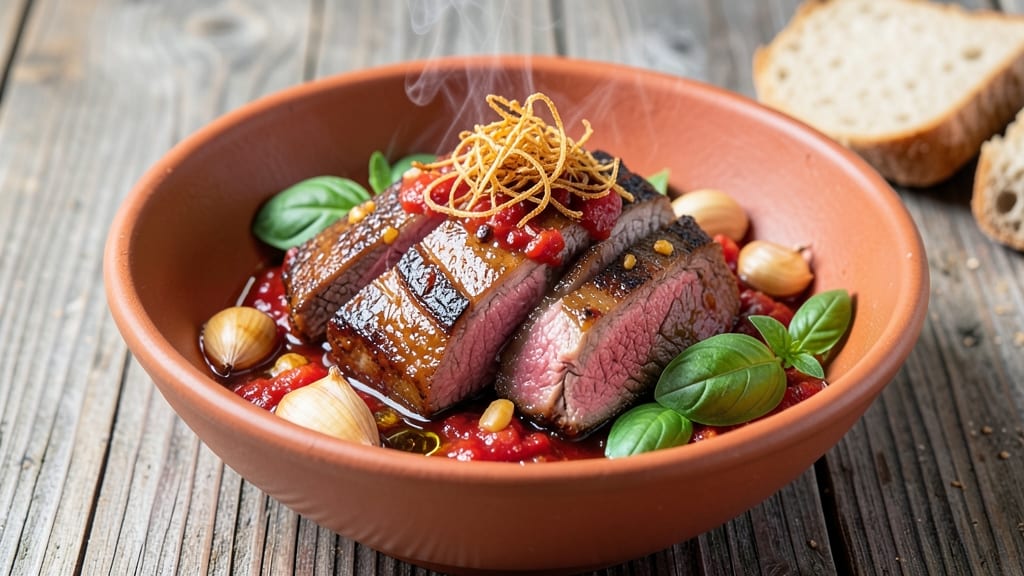
This beef arrabiata recipe delivers the bold, garlicky heat of Italian tradition with tender beef braised in a spicy tomato sauce. The secret lies in slow-cooked depth—rich, smoky flavors that transform tough cuts into melt-in-your-mouth perfection.
I’ve perfected this dish over years of testing, balancing heat and acidity for a sauce that clings to every bite of al dente pasta.
The process is straightforward yet rewarding: sear the beef until deeply browned, then simmer in a vibrant blend of tomatoes, garlic, and chili flakes until the sauce thickens into a velvety, aromatic embrace.
The result is a dish that feels both rustic and refined, with layers of flavor that build with each spoonful. This isn’t just a stew—it’s a flavor explosion.
What sets this recipe apart is the garlicky heat that lingers on your palate, courtesy of fresh garlic and red chili flakes. The beef becomes fork-tender, absorbing the sauce’s intensity, while the pasta—whether spaghetti or rigatoni—soaks up every last drop.
Serve it with crusty bread to mop up the sauce or pair it with a simple arugula salad for balance.
Perfect for a cozy weeknight dinner or an impressive weekend meal, this beef arrabiata is a testament to Italian comfort food done right. The technique is foolproof, the flavors are unforgettable, and the results will have everyone asking for seconds. Let’s get cooking.
Ingredients for beef arrabiata
The foundation of bold Italian flavors starts with these carefully selected ingredients.
| Ingredient | Amount | Notes |
|---|---|---|
| Chuck Roast 🥩 | 2 lb | Cut into 1.5-inch cubes for even cooking |
| Extra-Virgin Olive Oil 🫒 | ½ cup | High-quality, fruity variety for richness |
| Garlic Cloves 🧄 | 8 cloves | Freshly minced for maximum aromatic impact |
| San Marzano Tomatoes 🍅 | 28 oz | Crushed by hand for authentic texture |
| Red Chili Flakes 🌶️ | 2 tbsp | Adjust for desired heat intensity |
| Dried Oregano 🍃 | 1 tbsp | Italian or Mediterranean blend preferred |
| Dried Basil 🌿 | 1 tbsp | Crushed between fingers for aroma release |
| Red Wine 🍷 | 1 cup | Bold, dry variety like Chianti or Sangiovese |
| Beef Broth 💧 | 1 ½ cups | Homemade or high-quality store-bought |
| Tomato Paste 🍅 | 2 tbsp | Smooth, no-sugar-added preferred |
| Balsamic Vinegar 🍶 | 1 tbsp | Aged for depth of flavor |
| Kosher Salt 🧂 | 1 ½ tsp | Diamond Crystal preferred for accurate measurement |
| Freshly Ground Black Pepper 🌶️ | ½ tsp | Cracked peppercorns for robust flavor |
| Pasta 🍝 | 12 oz | Spaghetti or rigatoni for sauce absorption |
| Fresh Basil Leaves 🌿 | ¼ cup | For garnish and final aroma infusion |
The chuck roast is non-negotiable for this dish—its marbled fat renders during searing and simmers into the sauce, creating a rich, velvety texture. Look for cuts with good marbling at your local butcher or specialty markets like Whole Foods or Eataly, where they often carry Italian imports. If you're using a pre-cut roast, aim for 1.5-inch cubes to ensure even cooking. The San Marzano tomatoes are worth the investment; their natural sweetness balances the acidity perfectly. For the garlic, peel and mince just before cooking to preserve its volatile oils and maximize flavor. If you're short on time, frozen garlic works in a pinch, but fresh is always superior.
No red wine on hand? Substitute with additional beef broth and a splash of balsamic vinegar—it mimics the acidity and depth. The dried herbs can be swapped for fresh at a 1:3 ratio, but Italian seasoning blends from brands like Penzeys are a reliable shortcut. For those avoiding alcohol, grape juice or apple cider works surprisingly well. The tomato paste can be omitted if you're using high-quality crushed tomatoes, but it adds that concentrated umami punch that elevates the dish. If you're sensitive to acidity, reduce the balsamic vinegar to 1 teaspoon and add a pinch of sugar to balance.
This sauce develops even better the next day, so make it a day ahead if your schedule allows. Store in an airtight container in the refrigerator for up to 5 days, or freeze portions for 3 months in a sealed container. When reheating, add a splash of water or broth to prevent thickening. The pasta should be cooked al dente and tossed with the sauce just before serving—this prevents the noodles from becoming mushy. For a restaurant-quality finish, garnish with fresh basil leaves and a drizzle of high-quality olive oil right before serving.
Why You'll Love This Recipe
- One-Pot Magic: The chuck roast practically cooks itself—just brown it, toss in the garlic and tomatoes, and let the oven do the work. No chopping, no fussing, just hands-off richness that smells like dinner’s already on the table.
- Tomato-Garlic Obsession: That burst of San Marzano tomatoes and garlic? It’s the kind of flavor that makes you pause mid-bite. The chili flakes add just enough heat to wake up every spoonful—simple ingredients, but they sing together.
- Weeknight to Weekend: I make this for tired Tuesday nights, but it’s just as happy at a Sunday dinner. Serve it over pasta for a quick meal or let it simmer longer for a hearty stew—same recipe, different vibes.
- Budget Hero: Chuck roast is cheap, but it tastes luxurious. A single pan of this feeds four for under $15, and the leftovers? Even better the next day. Honestly, it’s the kind of meal that makes grocery day feel like a win.
Step-by-step instructions for beef arrabiata with garlicky heat
This method delivers restaurant-quality braised beef with deep, spicy tomato flavor and tender meat every time.
🍳 Step 1: Sear the Chuck Roast for Deep Flavor
Heat the 0.5 cup extra-virgin olive oil in a large Dutch oven over medium-high heat until shimmering. Cut the 2 lb chuck roast into 1.5-inch cubes as specified, then pat them dry with paper towels—this ensures a perfect sear. Working in batches to avoid crowding, brown the beef on all sides for 3-4 minutes per side until deeply golden and caramelized.
Don't rush this step—proper browning creates the Maillard reaction that forms the flavor foundation. If the oil smokes excessively, reduce heat slightly. Once all pieces are browned, remove them from the pot and set aside on a plate. You'll notice the beef releases easily when properly seared—this is your signal to move to the next step.
🍳 Step 2: Build the Aromatic Base
In the same Dutch oven, reduce heat to medium and add the 8 cloves minced garlic cloves. Sauté for 30 seconds until fragrant but not browned—garlic burns quickly, so watch carefully. Stir in the 2 tbsp red chili flakes, 1 tbsp dried oregano, and 1 tbsp dried basil, toasting for 1 minute until the spices release their aroma and the oil becomes perfumed.
Add the 2 tbsp tomato paste and cook for 2 minutes, stirring constantly, until it darkens slightly. This step develops the sauce's depth and prevents a raw tomato flavor. Pour in the 1 cup red wine, scraping up any browned bits from the bottom of the pot—this deglazing captures all the flavor you've built so far.
🥘 Step 3: Simmer the Tomato-Braised Beef
Return the seared beef to the pot. Add the 28 oz San Marzano tomatoes, 1.5 cups beef broth, 1 tbsp balsamic vinegar, 1.5 tsp kosher salt, and 0.5 tsp freshly ground black pepper. Bring to a gentle simmer, then reduce heat to low, cover partially, and let it cook for 2 hours until the beef is fork-tender and the sauce has thickened to a rich consistency.
Check occasionally and add ½ cup water if the sauce becomes too thick before the beef is tender. The sauce should coat the back of a spoon but still be saucy enough to cling to the beef. You'll know it's ready when the beef easily pulls apart with minimal resistance and the sauce has developed a deep, concentrated flavor.
🍳 Step 4: Finish and Serve with Fresh Basil
Increase heat to medium-high and simmer uncovered for 5-7 minutes to reduce the sauce further and intensify the flavors. Taste and adjust seasoning—you may need a touch more salt or pepper depending on your tomatoes. Stir in the 0.25 cup fresh basil leaves just before serving to add freshness and brighten the dish.
While the beef finishes, cook the 12 oz pasta in salted boiling water until al dente (1 minute less than package instructions). Drain, reserving ½ cup pasta water, then toss with the beef arrabiata and a splash of pasta water if needed to loosen the sauce. Serve immediately, garnished with additional fresh basil if desired, for the perfect balance of spicy, garlicky, and rich tomato flavors.
Pro Tips For Making Beef Arrabiata
- Sear the Chuck Roast First: I learned this the hard way—skipping the sear means a bland, gray slab of beef instead of rich, caramelized flavor. Get your pan screaming hot with olive oil, pat the chuck bone-dry, and let it develop that crust for 5-6 minutes per side before even thinking about garlic or tomatoes.
- Crush Garlic Like You Mean It: Whole garlic cloves in arrabiata? That’s how you end up with bitter, almond-y chunks instead of mellow, sweet garlic flavor. Use a flat side of your knife or a garlic press to smash the cloves into a paste—this releases their oils and blends seamlessly into the sauce.
- Simmer Tomatoes Low and Slow: After burning three batches of tomatoes, I finally figured out: high heat turns them into a sad, watery mess. Once the garlic’s cooked, add the San Marzanos, reduce heat to a bare simmer (just a few bubbles), and let them break down for at least 20 minutes—no peeking or stirring constantly.
- Deglaze with a Splash of Red Wine: Yes, even if you’re impatient like me, this makes a real difference. After searing the beef, hit the pan with ½ cup of dry red wine (or sub with broth) and let it bubble for 2 minutes—this scrapes up all the browned bits (fond) that hold the deep, meaty flavor you’re after.
Perfect pairings for beef arrabiata
Crusty Bread Pairing
There’s nothing better than serving beef arrabiata with warm, crusty bread to soak up every last drop of that garlicky tomato sauce. I love using a freshly baked baguette or a ciabatta loaf from my local bakery—Duke’s or Panera—because their crispy crusts hold up perfectly.
For extra flavor, brush the bread with olive oil and sprinkle with flaky sea salt before serving. 🥖
Simple Arugula Salad
A bright, peppery arugula salad cuts through the richness of the beef arrabiata beautifully. Toss 4 cups baby arugula with 2 tbsp lemon vinaigrette (mix 1 tbsp olive oil, 1 tbsp lemon juice, ½ tsp Dijon mustard, and ¼ tsp salt).
Top with ¼ cup shaved Parmesan and 2 tbsp toasted pine nuts for crunch. The acidity balances the sauce’s heat while adding freshness. 🥗
Wine Pairings
For a classic Italian pairing, reach for a bold Chianti or Sangiovese—their earthy notes complement the tomato and garlic beautifully. If you prefer white wine, a dry Vermentino or Pinot Grigio offers crisp acidity that cleanses the palate.
For a non-alcoholic option, try sparkling blood orange soda—it mirrors the wine’s brightness while adding a refreshing twist. 🍷
Cheesy Polenta
Creamy polenta adds a comforting contrast to the spicy beef. Cook 1 cup polenta in 4 cups simmering water or broth until thick, then stir in 2 tbsp butter and ¼ cup grated Parmesan.
Serve warm alongside the arrabiata for a hearty, satisfying meal. The mild polenta soaks up the sauce without overpowering its flavors. 🧀
Roasted Vegetable Medley
Add a seasonal touch with roasted vegetables like zucchini, bell peppers, and cherry tomatoes. Toss them in 1 tbsp olive oil, ½ tsp dried oregano, and ¼ tsp red pepper flakes, then roast at 400°F for 20 minutes.
Their caramelized sweetness pairs perfectly with the beef’s savory depth. 🍆
Finishing Garnishes
Elevate the dish with a few finishing touches. Sprinkle with fresh basil leaves just before serving, or add a drizzle of high-quality olive oil for extra richness. For heat lovers, a pinch of crushed red pepper flakes or a few drops of hot honey takes it to the next level.
These small details make all the difference! 🌿
Nutrition facts
Frequently asked questions
Can I use ground beef instead of chuck roast?
While chuck roast is ideal for its marbling and tenderness, you can substitute 1 lb ground beef (80/20 fat ratio) for a quicker version. Brown the meat thoroughly first, then proceed with the recipe. The texture will be different—ground beef won't be as fork-tender—but it works well for a faster weeknight meal.
How do I adjust the heat level?
The recipe uses 2 tbsp red chili flakes for moderate heat. For milder flavor, reduce to 1 tbsp or omit completely. For extra spice, add ½ tsp cayenne pepper or a pinch of crushed red pepper flakes when serving. Always taste before adjusting—garlic and tomatoes naturally add depth without excessive heat.
Can I make this in a slow cooker?
Yes! Sear the beef as directed, then transfer everything (including browned bits) to a 6-quart slow cooker. Cook on low for 6-8 hours or high for 3-4 hours until beef is tender. The sauce will be thinner—reduce it on the stovetop later or add 1 tbsp cornstarch slurry to thicken before serving.
What's the best pasta shape for this dish?
Rigatoni or penne work best—their ridges hold the rich sauce. Spaghetti is classic but may not cling as well. For extra sauce absorption, try farfalle or fusilli. Cook pasta 1 minute less than package instructions to ensure it's al dente when tossed with the sauce.
Why does my sauce taste too acidic?
Acidity comes from tomatoes, balsamic vinegar, and red wine. Balance it by adding 1 tsp sugar or ½ tsp honey while simmering. For a deeper flavor, stir in 1 tbsp tomato paste to thicken and mellow the acidity. Let the sauce reduce longer—10-15 minutes uncovered—to concentrate the flavors.