
Soups & Stews
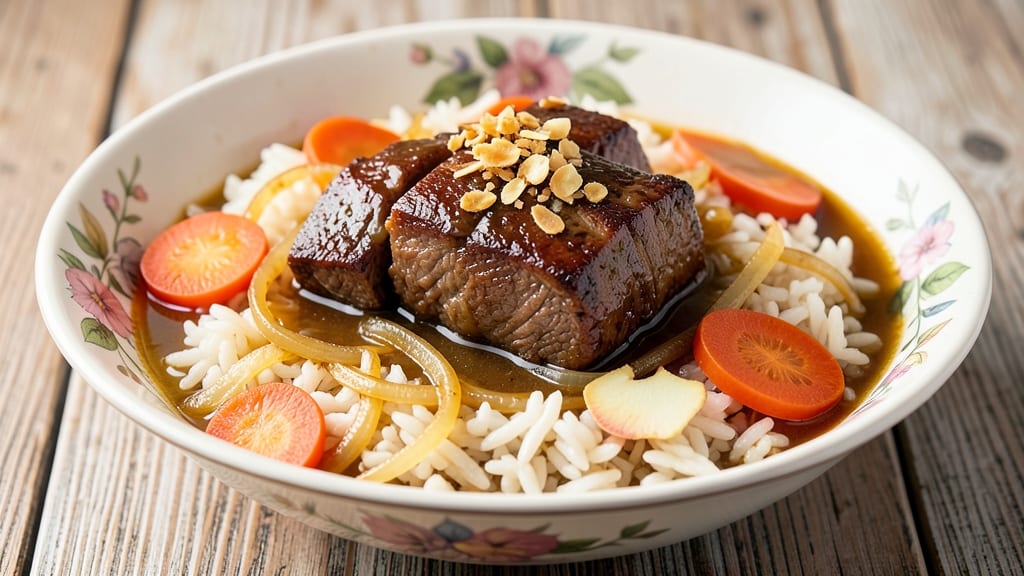
This Filipino beef arroz caldo recipe delivers the ultimate one-pot comfort dish, where tender beef and fragrant rice simmer together in a savory, aromatic broth. The secret lies in long, slow cooking that transforms tough cuts into melt-in-your-mouth perfection while infusing every grain of rice with deep, umami-rich flavors.
I developed this recipe after years of perfecting the balance between rich broth and tender ingredients—each bite is a taste of home.
The beauty of arroz caldo is its simplicity: just a few key ingredients—beef, rice, ginger, and garlic—work together to create a dish that's both hearty and comforting.
Traditional techniques like browning the beef and simmering the broth low and slow ensure maximum flavor extraction, while the addition of vegetables adds freshness and texture. What makes this recipe special is how it transforms basic ingredients into something truly extraordinary.
By the end, you'll have a steaming pot of beef arroz caldo with perfectly cooked rice, tender beef slices, and a broth so flavorful it'll have everyone asking for seconds. The aroma alone—warm, spiced, and deeply satisfying—makes this dish ideal for family gatherings or cozy weeknight dinners.
The best part? It's all made in one pot, minimizing cleanup while maximizing flavor.
Serve it with a sprinkle of fresh ginger, green onions, or a squeeze of calamansi for brightness. This recipe is designed to be both authentic and approachable, ensuring you achieve restaurant-quality results at home. Let's get cooking!
Ingredients for beef arroz caldo
Filipino comfort begins with these core ingredients—beef, rice, and aromatic roots—simmered into one-pot perfection.
| Ingredient | Amount | Notes |
|---|---|---|
| Beef Chuck Roast 🥩 | 1 ½ lb | Cut into 1-inch cubes |
| Long-Grain White Rice 🍚 | 1 cup | Uncooked, rinsed thoroughly |
| Fresh Ginger Root 🧄 | 2 tbsp | Finely grated, peel removed |
| Garlic Cloves 🧄 | 6 cloves | Minced, skin removed |
| Yellow Onion 🧅 | 1 whole | Thinly sliced, medium size |
| Carrots 🥕 | 2 medium | Peeled, cut into 1-inch pieces |
| Potatoes 🥔 | 2 medium | Peeled, cut into 1-inch chunks |
| Beef Bone Broth 💧 | 4 cups | Homemade or high-quality store-bought |
| Vegetable Oil 🫒 | 2 tbsp | For browning beef |
| Salt 🧂 | 1 ½ tsp | Diamond Crystal preferred |
| Ground Black Pepper 🌶️ | ½ tsp | Freshly ground |
| Bay Leaves 🌿 | 2 whole | Dried, for infusion |
| Green Onions 🧅 | 3 whole | Sliced, for garnish |
| Calamansi Juice 🍋 | 1 tbsp | Or substitute lime juice |
The beef selection is critical for authentic texture. Chuck roast delivers the signature melt-in-your-mouth quality when cooked slowly, while sirloin remains too firm. Look for cuts with visible marbling at Costco or your local butcher shop—this ensures maximum flavor and tenderness. Fresh ginger and garlic should be vibrant and firm; Filipino markets often carry larger ginger roots perfect for grating. The bone broth forms the aromatic base, so use homemade if possible or opt for Kettle & Fire brand for restaurant-quality depth. For the vegetables, medium-sized carrots and potatoes ensure even cooking without excess starch.
No chuck roast? Flank steak or brisket work as substitutes, but slice thinly against the grain. Fresh ginger unavailable? Powdered ginger at one-third the amount suffices, though fresh provides superior aroma. The green onions can be swapped for scallions, and calamansi juice—hard to find outside Filipino markets—is easily replaced with lime juice (though it lacks the signature tang). For the rice, jasmine or basmati add subtle fragrance, but long-grain white remains the traditional choice. The bay leaves should be dried and whole, as ground versions lose their aromatic oils during storage.
Store any leftovers in an airtight container for up to 4 days in the refrigerator, though the flavor actually deepens overnight. For longer storage, freeze portions for 3 months—the broth remains rich when reheated. The rice benefits from a 10-minute rest after cooking, allowing it to absorb the flavorful broth. Garnish with fresh green onions and a squeeze of calamansi just before serving to preserve brightness. This dish reheats beautifully, making it ideal for meal prep—simply add a splash of water or broth when warming.
Why You'll Love This Recipe
- One-Pot Magic: I swear by this—just chuck the beef, rice, and veggies into one pot, add water, and walk away. The chuck roast turns fork-tender while the rice soaks up that ginger-garlic broth like a dream. Minimal chopping, zero fuss.
- Umami Bomb: That slow-cooked chuck roast? It practically melts in your mouth, while the ginger and garlic infuse the broth with warmth that sticks with you. Honestly, the first bite makes you forget takeout exists.
- Leftovers That Shine: This dish begs to be made in bulk—reheats like a champ and tastes even better the next day. My freezer’s stocked with portions because it’s the ultimate lazy-day lunch or post-work pick-me-up.
- Budget Stretch: A chuck roast and a head of garlic won’t break the bank, but they’ll feed the whole family for days. Between us, this is how I stretch my grocery budget without sacrificing flavor—every spoonful proves it.
Step-by-step instructions for beef arroz caldo
Transform simple ingredients into a hearty Filipino comfort dish with this one-pot method.
Sear the Beef for Deep Flavor
Heat the 2 tablespoons vegetable oil in a large, heavy-bottomed pot over medium-high heat. Add the 1.5 lb beef chuck roast cut into 1-inch cubes and sear for 5-6 minutes, stirring occasionally, until the beef develops a rich, golden-brown crust. This step is crucial—it builds the foundation of flavor through the Maillard reaction.
Once the beef is well-browned, remove it from the pot and set aside. You'll notice the beef releases some juices and fat into the pot—don't wipe it out. These flavorful bits will form the base of your broth. The beef should be cooked just until it loses its raw appearance but remains slightly pink in the center.
Sauté Aromatics for Layered Depth
In the same pot, reduce the heat to medium and add the 1 whole yellow onion sliced thinly. Cook for 3-4 minutes until the onions soften and begin to caramelize slightly. This step enhances the natural sweetness of the onions, which will infuse into the broth.
Add the 2 tablespoons finely grated fresh ginger root and 6 cloves minced garlic cloves, stirring constantly for 1 minute until the ginger becomes fragrant and the garlic turns golden. Be careful not to let the garlic burn—it should smell aromatic but not bitter. These aromatics form the aromatic backbone of the dish, balancing the richness of the beef.
Build the Broth with Vegetables and Seasonings
Add the 2 medium peeled and chunked potatoes, 2 medium peeled and cut carrots, 1.5 teaspoons salt, and 0.5 teaspoon ground black pepper to the pot. Stir to combine, coating the vegetables with the aromatic oil and juices. Pour in the 4 cups beef bone broth, ensuring all ingredients are submerged. The broth should cover the vegetables by about an inch.
Return the seared beef to the pot, along with the 2 whole bay leaves. Bring the mixture to a gentle boil over medium-high heat, then immediately reduce the heat to low. Cover the pot with a tight-fitting lid and let it simmer for 45 minutes. This low-and-slow cooking allows the beef to tenderize fully while the vegetables absorb the rich, flavorful broth.
Incorporate Rice and Final Touches
After 45 minutes, add the 1 cup rinsed long-grain white rice to the pot. Stir gently to distribute the rice evenly throughout the broth. The rice should be fully submerged—if not, add a splash of water or broth to ensure proper cooking. Return the heat to low and let it simmer uncovered for 20-25 minutes, stirring occasionally.
The rice should absorb the liquid until it's tender and the grains are distinct but not mushy. You'll know it's done when the rice is fluffy and the liquid has reduced to a creamy consistency. Taste the broth and adjust the seasoning if needed—Filipino arroz caldo should be savory with a touch of saltiness, not overly salty.
Finish and Serve with Bright Accents
Once the rice is perfectly cooked, remove the pot from heat and stir in the 1 tablespoon calamansi juice. This final touch adds a bright, citrusy tang that cuts through the richness of the beef and broth, balancing the flavors beautifully. Let the dish sit for 5 minutes off the heat to allow the rice to finish absorbing any remaining liquid.
Garnish each serving with 3 whole sliced green onions just before serving. The green onions add a fresh, crisp contrast to the warm, hearty dish. Serve immediately while hot, ensuring each bowl captures the essence of Filipino comfort food—rich, savory, and deeply satisfying. The broth should be flavorful enough to sip directly, while the rice and tender beef provide the perfect balance of textures and tastes.
Pro Tips For Making Beef Arroz Caldo
- SEAR THE ONIONS LOW: I used to blast those onions on high heat, and they’d turn to mush before adding the ginger. Instead, keep the heat at medium—just enough to make them soft and translucent without browning. This keeps the base flavor bright and prevents a bitter aftertaste when the broth comes together.
- SIMMER THE BEEF LONG: Chuck roast needs time—don’t rush it. Once the broth starts, let it bubble gently for at least 2.5 hours, or until the meat falls apart with a fork. Skim the foam off the top every 30 minutes, and resist the urge to check the doneness early. Patience here makes the difference between tough shreds and melt-in-your-mouth beef.
- PEEL GINGER THINLY, GRATE FRESH: Skip the pre-peeled ginger from the jar—it’s bland and watery. Use a microplane to grate just the pale part of the root (discard the fibrous skin) right before adding it to the pot. A teaspoon of fresh ginger per batch adds zing without overpowering, and it dissolves cleanly into the broth.
- RICE TO WATER RATIO MATTERS: Arroz caldo isn’t a rice soup—it’s a broth with rice. Use a 1:4 rice-to-water ratio (1 cup rice to 4 cups broth) and stir once after boiling. If the rice gets mushy, you added too much water; if it’s dry, add a splash of hot broth later. The goal is tender, separate grains, not a gluey mess.
Best sauces and condiments for beef arroz caldo
Citrus Brightness
Finish your arroz caldo with 1 tablespoon calamansi juice (or lime juice) just before serving. This adds a bright, tangy contrast that cuts through the rich beef and savory broth.
I like to squeeze it directly over each bowl at the table—it instantly elevates the dish from comforting to restaurant-quality. 🍋
Spicy Kick
For heat lovers, stir in ½ teaspoon ground black pepper during the simmer or add 1-2 slices of fresh chili (like siling labuyo) while cooking. The pepper enhances the beef's depth, while fresh chili adds a subtle, smoky heat. Adjust to taste—Filipino arroz caldo can handle bold flavors!
Herbaceous Garnish
Fresh green onions are a must—slice 3 whole stems thinly and sprinkle over each serving. Their sharp, fresh bite contrasts beautifully with the creamy rice and tender beef. For extra aroma, lightly toast the green onions in a dry pan for 30 seconds before garnishing to deepen their flavor.
Umami Boosters
Enhance the broth's depth by adding 1 teaspoon soy sauce or ½ teaspoon fish sauce during the final 10 minutes of cooking. These ingredients amplify the savory notes without overpowering the dish. I also like a pinch of ground white pepper for a smoother, more refined finish. 💫
Creamy Texture
For a richer mouthfeel, stir in 2 tablespoons coconut milk during the last 5 minutes of cooking. The subtle creaminess balances the broth's saltiness while adding a luxurious texture. Just be sure to use full-fat coconut milk for the best results—it makes all the difference!
Smoky Depth
Add ½ teaspoon smoked paprika or a pinch of ground annatto (achuete) to the broth for a subtle smoky or golden hue. These ingredients add complexity without altering the dish's core flavors.
I often use annatto for its beautiful color—it makes the arroz caldo look as delicious as it tastes! ✨
Nutrition facts
Frequently asked questions
Can I substitute beef chuck roast with another cut?
Yes! If you can't find chuck roast, use sirloin or brisket, but slice it thinly against the grain for tenderness. For best results, choose cuts with visible marbling. Avoid lean cuts like eye of round, as they won't become as tender during simmering.
How do I make the broth more flavorful?
Simmer the beef and vegetables uncovered for the last 10 minutes to reduce the broth and intensify flavors. Add 1 teaspoon soy sauce or ½ teaspoon fish sauce during this time for extra umami depth. A pinch of ground white pepper also enhances the richness without overpowering.
Can I make arroz caldo in a slow cooker?
Brown the beef first, then transfer everything to the slow cooker and cook on low for 6-7 hours or high for 3-4 hours. The slow cooker's gentle heat ensures tender beef and perfectly cooked rice. Stir occasionally to prevent sticking, and add a splash of water if needed.
Why is my rice mushy instead of fluffy?
Mushy rice usually means too much liquid or insufficient stirring. Use 1 cup rice to 4 cups broth and stir gently every 5 minutes during the final 20 minutes of cooking. If the rice absorbs liquid too quickly, reduce the heat slightly to control the cooking process.
What’s the best way to reheat leftovers?
Gently reheat on the stovetop over low heat with a splash of water or broth to restore moisture. Avoid microwaving, as it can make the rice rubbery. For extra flavor, add a pinch of salt and a few drops of calamansi juice while reheating.