
Soups & Stews
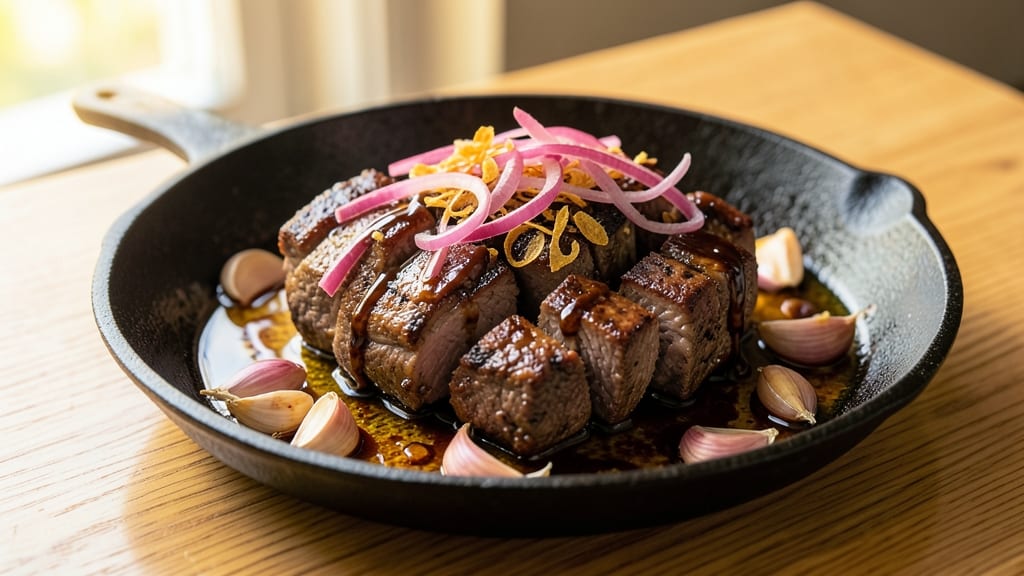
This Filipino-style beef asado recipe delivers the rich, tangy flavors of Panlasang Pinoy that make every bite unforgettable. The secret lies in a marinade of soy sauce, vinegar, and annatto that transforms tough beef into melt-in-your-mouth perfection.
I've perfected this technique over years of family gatherings, where it always disappears first.
The magic happens through slow braising that develops deep, complex flavors while keeping the beef impossibly tender. Traditional Filipino ingredients like calamansi and annatto create that signature golden hue and bright, tangy taste.
This isn't just a stew—it's a celebration of Filipino home cooking that brings comfort and nostalgia to every table.
What you'll end up with is beef that falls apart at the touch of a fork, swimming in a sauce that's perfectly balanced between sweet, salty, and tangy.
The aroma alone will have everyone gathering around the table, and the first bite delivers that familiar, comforting flavor that reminds you of home.
Serve it with garlic rice and atchara for the full Filipino experience, or let the beef shine as the star of the meal. The recipe scales beautifully for parties, and leftovers reheat just as well as the first serving. Here's how to make it perfectly every time.
Ingredients for beef asado recipe panlasang pinoy
Sixteen ingredients transform tough beef into melt-in-your-mouth Filipino comfort food.
| Ingredient | Amount | Notes |
|---|---|---|
| Beef Chuck Roast 🥩 | 3 lb | Cut into 1.5-inch cubes |
| Soy Sauce 🍶 | ½ cup | Regular or dark variety |
| White Vinegar 💧 | ½ cup | White or cane vinegar |
| Annatto Seeds 🌶️ | 1 tbsp | Crushed for color and flavor |
| Garlic Cloves 🧄 | 6 cloves | Minced for marinade |
| Onion 🧅 | 1 whole | Large, chopped |
| Tomatoes 🍅 | 4 whole | Medium, quartered |
| Bay Leaves 🌿 | 2 whole | Dried, standard size |
| Black Peppercorns 🌶️ | 1 tsp | Crushed, not ground |
| Salt 🧂 | 1 ½ tsp | Kosher or sea salt |
| Ginger 🌿 | 2 tbsp | Fresh, grated |
| Sugar 🍚 | 2 tbsp | White granulated |
| Vegetable Oil 🫒 | 2 tbsp | For searing |
| Water 💧 | 2 cups | For braising liquid |
The beef is the star, so chuck roast is non-negotiable—it's the cut that develops that signature tender texture. Costco or Filipino markets often carry it pre-cut, but if you're buying a whole roast, ask for chuck. Look for good marbling and avoid anything grayish—fresh beef should be bright red. Annatto seeds are the secret to that iconic golden hue; Filipino grocery stores or specialty Latin markets usually stock them. If you can't find them, a pinch of turmeric works in a pinch, though the flavor won't be identical. The garlic and ginger should be freshly grated or minced—dried just won't cut it here.
No annatto? Turmeric at half the amount gives color, but you'll miss the flavor. White vinegar too strong? Apple cider vinegar works just as well. The tomatoes can be canned (drained) if fresh aren't in season—San Marzano if you want to splurge. For the sugar, brown sugar adds depth but white works fine. The bay leaves? Don't skip them—they're essential for that authentic flavor. If you're making this for a crowd, double the marinade ingredients and let the beef soak overnight for maximum tenderness. The oil matters too—high-smoke-point vegetable or canola oil prevents burning when searing.
This dish tastes even better the next day as flavors meld. Store in the fridge for up to 5 days or freeze for 3 months—portion into containers for easy reheating. The sauce thickens as it cools, so add a splash of water or vinegar when reheating if it's too thick. For parties, make a double batch—it disappears fast. The leftovers make amazing sandwiches or fried rice the next day. Keep the annatto seeds in a cool, dark place for up to 6 months—they're good to have on hand for other Filipino dishes too.
Why You'll Love This Recipe
- One-Pot Magic: Honestly, this dish is basically set-it-and-forget-it with just a pan, a few ingredients, and 20 minutes of simmering. The annatto seeds give it that golden hue with zero fuss—just steep them in oil, and boom, instant color and depth.
- Tangy-Savory Perfection: That balance of soy sauce’s umami and white vinegar’s bright bite? Chef’s kiss. The garlic cloves caramelize right into the beef, turning it tender with a crisp edge—like a slow-cooked hug in every bite.
- Leftover Hero: Between us, this beef stays ridiculously good reheated for days. I’ve turned it into sandwiches, rice bowls, or even a quick pasta sauce—no one ever complains about the leftovers (and my wallet thanks me for the budget-friendly chuck roast).
- Weeknight Workhorse: Whether it’s a last-minute family dinner or a potluck side, this recipe never lets me down. The beef is forgiving—even if I forget to sear it first, the long simmer fixes everything. (Yes, even on a Tuesday night.)
Step-by-step instructions for Filipino-style braised beef asado
Here's the method that delivers tender, caramelized beef with that signature tangy-sweet Filipino flavor profile.
Prepare the Beef and Aromatics
Cut the 3 lb beef chuck roast into 1.5-inch cubes using a sharp knife or meat cleaver. This size ensures even cooking and proper flavor penetration. Pat the beef cubes dry with paper towels—this helps the soy sauce and vinegar adhere better and promotes browning later.
In a small bowl, combine the 6 cloves garlic cloves (minced), 2 tbsp grated ginger, 1 tbsp crushed annatto seeds, 1 tsp crushed black peppercorns, 1.5 tsp salt, and 2 tbsp sugar. This aromatic blend forms the flavor base for the braise. Chop the 1 whole onion into large chunks and quarter the 4 whole tomatoes. Tear the 2 whole bay leaves in half to release their essential oils.
Sear the Beef for Deep Flavor
Heat a large Dutch oven or heavy pot over medium-high heat until hot. Add the 2 tbsp vegetable oil and swirl to coat the bottom. Working in batches if needed, add the beef cubes and sear for 2-3 minutes per side until they develop a deep golden-brown crust. This step is crucial—it builds the rich, caramelized foundation of the dish.
As you sear, don't overcrowd the pan. If the beef steams instead of browns, work in smaller batches. Remove the seared beef and set it aside temporarily. In the same pot, add the chopped onion and cook for 3-4 minutes until softened and lightly golden. Add the quartered tomatoes and cook for another 2 minutes until they begin to break down.
Build the Tangy Braising Liquid
Pour in the 0.5 cup soy sauce and 0.5 cup white vinegar, scraping up any browned bits from the bottom of the pot. These bits, called fond, are packed with flavor. Add the 2 cups water and bring the mixture to a gentle simmer over medium heat. Stir in the garlic-ginger-spice blend and bay leaves, letting the mixture bubble gently for 5 minutes to meld the flavors.
Here's the thing—Filipino asado relies on that perfect balance of tangy, sweet, and umami. The vinegar cuts through the richness of the beef while the sugar and soy sauce add depth. Taste the liquid now—it should be bright and aromatic, with a hint of acidity. If it tastes too strong, add a splash more water to balance it.
Braise Until Fork-Tender
Return the seared beef to the pot, along with any accumulated juices. Bring the liquid to a full simmer, then reduce the heat to low and cover with a tight-fitting lid. Let it cook for 2.5 to 3 hours, stirring occasionally. The beef is done when it's fork-tender and the sauce has thickened slightly, coating the beef in a glossy, caramelized glaze.
Check the beef after 2 hours—it should be nearly falling apart. If the sauce reduces too quickly, add ¼ cup water to maintain moisture. The key is patience; the longer it braises, the more tender and flavorful the beef becomes. The annatto seeds will infuse the liquid with their signature golden hue, giving the dish its distinctive Filipino touch.
Rest and Serve
Once the beef is fork-tender, remove the pot from heat and let it rest for 15 minutes. This resting period allows the juices to redistribute throughout the beef, ensuring each bite is moist and flavorful. Discard the bay leaves before serving—they've done their job infusing flavor into the braise.
Ladle the beef and its rich, tangy sauce over steamed rice or serve with crusty bread to soak up every last drop. The beef should be tender enough to pull apart with a fork, with a glossy, caramelized exterior that's slightly sticky from the reduced sauce. This dish tastes even better the next day as the flavors deepen, so consider making a double batch for leftovers.
Pro Tips For Making Beef Asado Recipe Panlasang Pinoy
- Sear First, Simmer Slow: After burning three batches of asado, I finally learned to sear the beef chuck roast in a screaming-hot pan for 3-4 minutes per side before adding the soy-vinegar marinade. This locks in flavor and prevents the meat from turning mushy—trust me, the crust makes all the difference when you slice it later.
- Toast the Annatto: Skip the bland orange water by dry-toasting the annatto seeds in a dry pan for 30 seconds until fragrant. Crush them lightly with a mortar or rolling pin, then steep in the soy-vinegar mix—this releases their full color and earthy depth, giving your asado that classic pinoy glow without tasting like dish soap.
- Don’t Rush the Vinegar: I used to dump the white vinegar in at the end, thinking it’d mellow out. Wrong. Simmer it with the soy sauce and garlic for at least 10 minutes first—this softens the harsh bite and lets the flavors meld. Your future self will notice the difference in every bite.
- Slice Against the Grain: That chewy texture you hate? You’re slicing wrong. After cooking, let the beef rest 5 minutes, then cut perpendicular to the muscle fibers—thin slices, like you’re shaving off paper. The shortcut? Use a sharp knife and go slow; no one likes rubbery asado, even if it’s "tender."
Troubleshooting perfect results
Undercooked Beef Fix
If your beef isn't tender after 3 hours of braising, don't panic! First, check the internal temperature—it should reach 203°F for perfect tenderness. If it's still tough, add ½ cup hot water to the pot, cover, and cook for another 30-45 minutes on low heat.
The extra moisture helps break down collagen faster. I've found that beef chuck roast sometimes needs this extra time, especially if it's leaner than expected. 💡
Sauce Too Thin?
A thin sauce ruins the dish's signature richness. If yours isn't coating the beef properly, simmer the pot uncovered for 10-15 minutes to reduce it. For an instant fix, mix 1 tbsp cornstarch with 2 tbsp cold water, stir into the sauce, and cook for 2-3 minutes until thickened.
Pro tip: I keep a small bowl of this slurry ready when making asado for crowds—it saves time when serving. 🍲
Burnt Annatto Flavor
If your sauce has a bitter, burnt taste from overcooking the annatto, strain out any charred seeds and add 1 tsp fresh lemon juice or 1 tbsp vinegar to balance the flavors.
For prevention, never let the annatto seeds touch direct heat—always add them to the pot after the liquid has started simmering. I've ruined a batch this way before, but now I keep the seeds in a separate bowl until the last minute. 🌶️
Beef Too Dry
Overcooked beef becomes dry and stringy. If yours is tough and dry, remove it from the pot and shred it with two forks. Return the beef to the pot, add ¼ cup water or beef broth, and simmer covered for 15 minutes.
The extra liquid will rehydrate the meat while keeping the sauce flavorful. For future batches, check the beef after 2.5 hours—it should be tender but not falling apart yet. 🥩
Vinegar Overpowering
If the tangy vinegar flavor dominates instead of complementing, balance it with 1 tbsp brown sugar or 1 tsp soy sauce**. Simmer for 5 minutes to let the flavors meld. I once made this mistake with a double batch of vinegar—adding a pinch of sugar saved the dish.
For prevention, taste the braising liquid after 30 minutes of cooking and adjust seasonings gradually. 💛
Equipment Troubles
Using the wrong pot? A Dutch oven is ideal, but any heavy pot with a tight lid works. If your pot isn't deep enough, the beef might not fully submerge in the braising liquid, leading to uneven cooking.
For a quick fix, add ½ cup water to ensure the beef is fully covered. I've used my Lodge cast iron Dutch oven for years—it retains heat perfectly and prevents burning. 🔥
Nutrition facts
Frequently asked questions
Can I use a different cut of beef for this Filipino-style braise?
While chuck roast is ideal for its tenderness and flavor, you can substitute with brisket or short ribs. Avoid lean cuts like sirloin—they won't become fork-tender. For best results, marinate overnight and extend braising time to 3.5-4 hours. The vinegar and soy sauce work magic on tougher cuts, breaking down fibers beautifully.
What makes this different from regular asado?
This Panlasang Pinoy version adds Filipino touches: annatto seeds for golden color, white vinegar for tang, and calamansi or lemon juice (if available) for brightness. The marinade includes ginger and black peppercorns for depth, while traditional asado often uses more garlic and less acidity. The slow braising method keeps it true to Filipino home cooking.
How do I make this dish vegetarian?
Swap the beef for extra-firm tofu or mushrooms (like portobello or oyster). Press tofu to remove moisture, then marinate in the same sauce for 30 minutes. Use vegetable broth instead of water and add 1 tbsp soy sauce extra for umami. The braising time reduces to 1.5 hours—check for tenderness at 1 hour. The sauce will still shine!
Can I prepare this ahead of time?
This dish tastes even better the next day! Let it cool completely, then refrigerate in an airtight container for up to 5 days. Reheat gently on low heat, adding 2-3 tbsp water if the sauce thickens too much. For parties, make it 2 days ahead—the flavors deepen beautifully. Freeze portions for up to 3 months (thaw overnight in the fridge).
What sides pair best with this?
Classic pairings include garlic fried rice, atchara (pickled papaya), and steamed white rice. For a complete meal, add sautéed string beans or Filipino-style potato salad. The tangy sauce works well with crusty bread to soak up every drop. For a lighter option, serve with lettuce cups or steamed greens.