
Main Courses
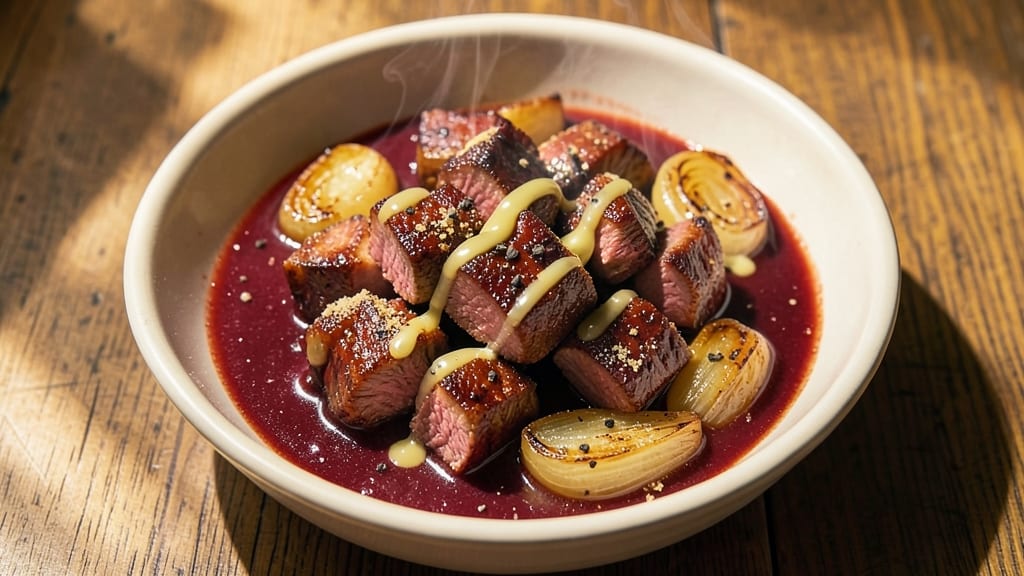
This beef au juice recipe transforms tough chuck roast into a crispy-crusted masterpiece with a velvety wine-infused sauce. The secret lies in searing the meat until deeply browned, then slow-braising until tender—creating a dish that feels like a French bistro classic without the fuss.
Every bite delivers that perfect contrast: crispy edges, melt-in-your-mouth beef, and a sauce so rich it clings to every forkful.
What sets this recipe apart is the pan gravy—reduced to perfection with red wine, beef broth, and aromatic vegetables. The slow cooking process develops deep, caramelized flavors while keeping the meat incredibly tender.
Unlike many adaptations, this version stays true to tradition while being approachable for home cooks, with optional shortcuts for those short on time.
By the time you serve this dish, you'll have a restaurant-worthy centerpiece that pairs beautifully with buttery mashed potatoes or crusty bread. The sauce alone is worth the effort—it's the kind of jus that makes people linger over their plates.
Whether you're cooking for a special occasion or a weeknight dinner, this recipe delivers crispy perfection every time.
The best part? Leftovers taste even better the next day, as the flavors meld and the sauce thickens into an even richer consistency. This is comfort food at its finest—elegant yet approachable, with techniques you can master in your own kitchen.
Let's get started on creating your own bistro-worthy beef au juice.
Ingredients for beef au juice
The key to perfect beef au juice lies in these 14 ingredients—where quality meets technique for crispy-crusted beef and velvety sauce.
| Ingredient | Amount | Notes |
|---|---|---|
| Chuck Roast 🥩 | 3 lb | Well-marbled, cut into 1.5-inch cubes |
| All-Purpose Flour 🌾 | ½ cup | For dredging roast pieces |
| Unsalted Butter 🧈 | ½ cup | Divided for searing and sauce |
| Red Wine 🍷 | 1 cup | Bold dry variety like Cabernet Sauvignon |
| Beef Broth 💧 | 2 cups | Low-sodium preferred |
| Yellow Onion 🧅 | 1 whole | Chopped into 0.5-inch pieces |
| Carrots 🥕 | 4 medium | Peeled and cut into 1-inch chunks |
| Garlic Cloves 🧄 | 6 cloves | Minced for aromatic base |
| Fresh Thyme 🌿 | ¼ cup | Leaves only, stems removed |
| Fresh Parsley 🌿 | 0.15 cup | Chopped for garnish |
| Tomato Paste 🍅 | 2 tbsp | Smooth, not chunky |
| Worcestershire Sauce 🍶 | 1 tbsp | Vegetarian if needed |
| Kosher Salt 🧂 | 1 ½ tsp | Diamond Crystal preferred |
| Freshly Ground Black Pepper 🌶️ | 1 tsp | Coarsely ground |
The chuck roast is non-negotiable here—look for good marbling at your butcher or grocery store's meat counter. Costco or Whole Foods often carry excellent cuts, but even the regular supermarket section works if you pick through for well-marbled pieces. The flour is for dredging before searing, which creates that signature crispy crust. For the wine, any bold, dry red works—Cab Sauv, Merlot, whatever's open. Avoid sweet varieties like Zinfandel. Fresh thyme and parsley from the grocery store's produce section (not the sad plastic containers) make all the difference in brightness.
No red wine? Substitute beef broth with 1 tbsp balsamic vinegar—it mimics the acidity. Fresh thyme unavailable? Dried works at one-third the amount. The carrots can be baby carrots if that's what's in the fridge, but whole carrots add better texture. For Worcestershire, Lea & Perrins is the gold standard, but any brand works. The tomato paste can be from a squeeze tube if you're lazy—just measure carefully. The beef broth should be low-sodium; Kitchen Basics or Swanson are reliable brands. And yes, you can use pre-minced garlic if you're in a rush, but fresh is always better.
The roast keeps 3-4 days in the fridge before cooking—use it sooner rather than later for best texture. Fresh herbs should be wrapped in damp paper towels and stored in a sealed container for up to 5 days. The wine-infused sauce thickens beautifully when reheated, so double the recipe if you know you'll have leftovers. Portion the cooked beef into containers with some sauce, and it reheats perfectly—just add a splash of water or broth when warming. This dish actually tastes better the next day as the flavors meld even more.
Why You'll Love This Recipe
- One-Pan Magic: The chuck roast does all the work while you sip wine and stir—literally. Brown that meat in the same pot you’ll finish the dish in, then let the red wine and beef broth do their thing. No extra pans, no stress, just hands-off richness.
- Rich Without Effort: That deep, caramelized crust on the beef? Just sear it right in the pot before adding the flour-butter slurry. The wine reduces into a velvety sauce that tastes like you spent hours simmering, not 30 minutes. Honestly, the first bite makes you forget it was easy.
- Leftovers That Shine: This isn’t the kind of dish that turns sad in the fridge. Reheat the slices in a skillet with a splash of broth, and they’ll be just as tender and flavorful. Pack it for lunches—my kids actually ask for it, and that’s saying something.
- Budget-Friendly Feast: Chuck roast stretches across meals without breaking the bank. Double the recipe, freeze half, and you’ve got a future dinner covered. Between us, this is the kind of meal that makes grocery day feel like a win.
Step-by-step instructions for crispy-crusted beef au juice
Transform tough chuck roast into tender, golden-brown perfection with this classic French technique.
Prepare the Roast for Maximum Crisp
Pat the 3 lb chuck roast dry with paper towels—this is non-negotiable for crispy crust. Cut it into 1.5-inch cubes and place them in a bowl. Add 0.5 cup all-purpose flour, 1.5 tsp kosher salt, and 1 tsp freshly ground black pepper, then toss until every surface is evenly coated. Let the seasoned cubes sit at room temperature for 15 minutes—this ensures even cooking and better crust formation.
While the roast rests, heat 0.25 cup unsalted butter in a large Dutch oven over medium-high heat. The butter should foam but not brown. Add the flour-coated roast pieces in a single layer, working in batches if needed, and let them sear undisturbed for 3-4 minutes per side until deep golden brown with crisp edges. This initial sear builds the foundation for that signature crust we're after.
Build the Flavor Base with Vegetables
Remove the roast from the Dutch oven and set aside. In the same pot, add 0.25 cup more unsalted butter and let it melt completely. Add the chopped 1 whole yellow onion and 4 medium carrots (cut into 1-inch chunks), cooking for 5-6 minutes until softened but not browned. Stir in the 6 minced garlic cloves and cook for 30 seconds until fragrant—this prevents bitter garlic flavors.
Sprinkle in the 2 tbsp tomato paste and cook for 1 minute, stirring constantly, until it darkens slightly. Pour in the 1 cup red wine and scrape up all the browned bits from the bottom of the pot—this is where all the flavor lives. Let the wine simmer for 3-4 minutes until reduced by half, creating a rich, concentrated base for the sauce.
Slow-Braise for Tender Perfection
Return the roast to the Dutch oven along with any accumulated juices. Pour in the 2 cups beef broth and add the 0.25 cup fresh thyme. Bring to a gentle simmer, then cover and transfer to a 325°F oven. Braise for 2.5-3 hours until the meat is fork-tender and easily pulls apart. The internal temperature should reach 195°F—this is the sweet spot for melt-in-your-mouth texture.
Here's the thing—don't peek or stir during cooking. Every time you lift the lid, you lose heat and moisture. Instead, trust the process and let the roast develop that incredible crust while staying tender inside. The aromas filling your kitchen are your best indicator of progress.
Finish with Herb-Infused Gravy
Once the roast is tender, remove it from the Dutch oven and strain the cooking liquid through a fine-mesh sieve into a clean saucepan. Discard the vegetables and thyme stems. Return the liquid to medium heat and whisk in the 1 tbsp Worcestershire sauce. Let it simmer for 5-7 minutes until slightly thickened—it should coat the back of a spoon.
Return the roast to the saucepan and let it soak up those glorious flavors for 2-3 minutes. Garnish with 0.15 cup chopped fresh parsley just before serving. The finished gravy should be rich, velvety, and cling beautifully to each tender piece of roast. This is where all those hours of slow cooking pay off.
Pro Tips For Making Beef Au Juice
- SEAR THE ROAST FIRST: Chuck roast loves a good brown crust—don’t skip the high-heat sear in butter before deglazing with wine. I used to rush this, and the sauce ended up thin and pale. Two minutes per side until deep golden? That’s where the flavor hides.
- USE COLD BROTH: Pour cold beef broth into the hot pan after deglazing—it’ll stop the wine from evaporating too fast and give you more time to scrape up those fond bits. I learned this the hard way when my sauce reduced into glue in 10 minutes.
- SKIP THE FLOUR SLURRY: That flour-thickened gravy? Overrated. Let the wine and broth reduce naturally until it coats the back of a spoon—no lumps, no measuring. My grandmother’s way: "Patience, it’ll thicken on its own."
- REST THE MEAT UNDER FOIL: Pull the roast out 10 minutes early, tent it with foil, and let it sit. The internal temp will climb to perfect doneness while you finish the sauce. I was skeptical until I tried it—no dry, stringy meat, just juicy slices every time.
Creative variations of beef au juice
Slow Cooker Adaptation
For busy weeknights, transform this recipe into a hands-off slow cooker version. Brown the 3 lb chuck roast in a skillet first, then transfer to your slow cooker with all vegetables, wine, and broth.
Cook on low for 8 hours or high for 5 hours—the meat will stay juicy while developing deep flavor. Finish by reducing the sauce on the stovetop as directed, then return the beef to soak up the jus. 💫
Instant Pot Shortcut
Use your Instant Pot for a 1-hour version that still delivers restaurant-quality results. Sear the roast cubes in batches, then add all ingredients except Worcestershire sauce. Pressure cook on high for 60 minutes, then quick-release.
Strain the liquid, reduce it with Worcestershire sauce, and finish by tossing the beef in the sauce. The texture will be slightly different but still incredibly tender.
Vegetarian Swap
Replace beef with portobello mushrooms or hearty lentils for a plant-based version. For mushrooms, marinate 8 large portobellos in flour, salt, and pepper, then sear and braise with the same vegetables and sauce.
Lentils work best when cooked separately and added at the end to absorb flavor. Use vegetable broth and a splash of soy sauce for depth. 🌱
Spicy Cajun Twist
Add 1 tbsp Cajun seasoning to the flour coating and ½ tsp smoked paprika to the sauce for a Louisiana-inspired kick. Serve with cornbread instead of crusty bread and garnish with sliced jalapeños for extra heat.
The smoky-spicy notes complement the rich beef beautifully while keeping the dish true to its French roots in spirit.
Herb Variations
Swap thyme for rosemary or tarragon to change the flavor profile completely. Rosemary pairs beautifully with the beef's richness, while tarragon adds a subtle anise note that works surprisingly well.
For a Mediterranean twist, add 1 tsp dried oregano along with the thyme. Fresh herbs should always be used at the end to preserve their brightness.
Potato Topping
Elevate your presentation by adding thinly sliced potatoes to the Dutch oven during the last 30 minutes of cooking. The potatoes will absorb the rich jus and become fork-tender, creating a one-pan meal.
For extra crispiness, broil for 2-3 minutes at the very end. This technique works especially well with Yukon Gold potatoes for their buttery texture. 🥔
Nutrition facts
Frequently asked questions
Why does the recipe call for chuck roast instead of tenderloin?
Chuck roast is perfect for this dish because it's well-marbled with fat, which keeps the meat tender during long cooking. Tenderloin would dry out in the oven, while chuck develops incredible flavor and texture when slow-braised. The fat also contributes to that rich jus you want in the final sauce.
Can I make this recipe in a regular oven instead of a Dutch oven?
Yes, but you'll need to use a heavy oven-safe pot with a tight-fitting lid. A deep skillet or even a baking dish will work, though the Dutch oven's thick walls help trap heat better. If using a baking dish, add ½ cup extra beef broth to prevent drying out during the long braising time.
How do I know when the beef is fully tender?
The beef is done when it reaches an internal temperature of 195°F and easily pulls apart with a fork. You can also check by pressing a piece gently—if it feels like butter melting on your tongue, it's perfect. The cooking time varies by oven, so use the thermometer as your guide rather than relying solely on hours.
What's the best way to store leftovers?
Store the beef and sauce together in an airtight container in the fridge for up to 4 days. The flavors actually improve overnight as the sauce thickens further. When reheating, add a splash of beef broth or water to prevent drying out—just warm through until steaming hot.
Can I use a different cut of beef?
While chuck roast is ideal, short ribs or brisket work well too. For short ribs, reduce the cooking time to 2 hours as they cook faster. Brisket needs 3-4 hours and benefits from being sliced against the grain. Avoid lean cuts like sirloin—they won't develop the same rich flavor or tender texture.