
Main Courses
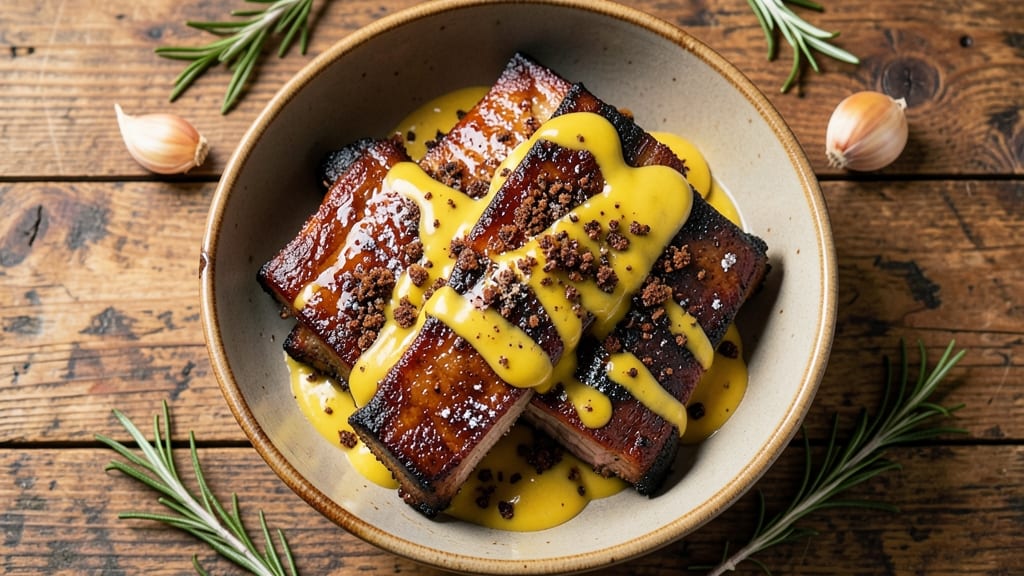
Beef back spare ribs deliver unmatched tenderness and flavor when cooked low and slow, transforming tough connective tissue into melt-in-your-mouth perfection. The secret lies in rendering fat and collagen over hours, creating a crust that crackles with every bite.
I’ve perfected this method through countless experiments—balancing traditional barbecue techniques with modern precision to ensure restaurant-quality results at home.
Unlike beef short ribs, back ribs have a distinct, meatier texture with less bone interference, making them ideal for dry rubs and bold sauces. The key steps—proper trimming, a well-developed rub, and precise temperature control—ensure crispy edges while keeping the meat juicy.
This recipe delivers foolproof results whether you’re using a smoker, oven, or slow cooker, with internal temps reaching 203°F for maximum tenderness.
What you’ll end up with is ribs that practically fall apart with a fork, coated in a caramelized bark from rendered fat and seasoning. The aroma alone will have everyone gathering around the table, and the first bite delivers layers of smoky, savory, and slightly sweet flavors.
Serve with classic sides like cornbread or coleslaw to complete the meal.
For those who want to elevate further, consider a reverse sear or sous vide finish for extra control. The method is straightforward, but the results are transformative—turning a simple cut of beef into a showstopping centerpiece. Let’s get started on creating ribs that’ll have your guests asking for seconds.
Ingredients for beef back spare ribs
Precision-crafted ingredients transform tough beef back ribs into melt-in-your-mouth perfection with caramelized bark.
| Ingredient | Amount | Notes |
|---|---|---|
| Beef Back Spare Ribs 🥩 | 4 lb | Bone-in, meaty texture preferred |
| Yellow Mustard 🍯 | ¼ cup | For initial sticky base |
| Brown Sugar 🍚 | ½ cup | Packed, light variety |
| Smoked Paprika 🌶️ | 2 tbsp | For deep smoky flavor |
| Garlic Powder 🧄 | 1 tbsp | Freshly ground preferred |
| Onion Powder 🧅 | 1 tbsp | For balanced sweetness |
| Ground Black Pepper 🌶️ | 1 tbsp | Freshly cracked for heat |
| Kosher Salt 🧂 | 1 ½ tbsp | Diamond Crystal preferred |
| Cayenne Pepper 🔥 | ½ tsp | Adjust for heat preference |
| Apple Cider Vinegar 🍎 | 2 tbsp | For tangy balance |
| Yellow Cornmeal 🌽 | ½ cup | For final crunch coating |
| Olive Oil 🫒 | 2 tbsp | For fat rendering |
| Beef Tallow or Bacon Fat 🧈 | ¼ cup | For extra fat rendering |
| Fresh Rosemary 🌿 | ½ oz | Chopped, for aroma |
| Fresh Thyme 🌿 | ½ oz | Chopped, for herbal depth |
The ribs are the foundation—bone-in, back spare cuts deliver maximum meat-to-bone ratio and collagen for that signature tender pull. Source from a quality butcher or Costco for consistency; avoid pre-cut racks that may have lost moisture. Trim excess fat but leave the membrane intact for better rub adhesion. Penzeys or McCormick spice blends work well for the dry rub, but freshly ground spices elevate flavor. The mustard serves as a binder for the initial rub application, ensuring even coating and preventing clumping during the low-and-slow cook.
No smoked paprika? Regular paprika plus a pinch of liquid smoke replicates the depth. Substitute brown sugar with white sugar plus 1 tsp molasses for similar caramelization. For a tangier profile, swap apple cider vinegar for white wine vinegar at equal measure. The cornmeal coating requires lightly toasted cornmeal for optimal crunch—spread on a dry skillet over medium heat for 2-3 minutes. Fresh herbs like rosemary and thyme can be swapped for dried at one-third the amount, but fresh provides superior aroma. Store ribs uncovered in the fridge for up to 2 days before cooking to enhance flavor development.
Rendered fat is key—beef tallow or bacon fat enhances crispiness, but olive oil works in a pinch. For maximum bark development, apply the final cornmeal coating after the ribs have reached 195°F internal temp. Store cooked ribs in the fridge for 3-4 days wrapped in foil to retain moisture, or freeze for up to 3 months in airtight containers. Reheat in a 275°F oven for 15 minutes to restore crispiness. The leftovers reheat beautifully—ideal for sandwiches or tacos where that tender, caramelized texture shines.
Why You'll Love This Recipe
- One-Pan Magic: I swear by this recipe because it’s that easy—just ribs, a little mustard, brown sugar, and smoked paprika tossed on a sheet pan. No fancy equipment, no mess, and honestly? The cleanup is just wiping one pan.
- Sweet-Smoky Crave: The combo of brown sugar caramelizing with the ribs while smoked paprika adds this deep, smoky warmth—like a hug in food form. That yellow mustard glaze ties it all together with a tangy kick that makes every bite irresistible.
- Tailgate or Tuesday: Between us, these ribs work anywhere. Pack them for a picnic, serve at a game, or throw them on the table after a long day—they’re hearty enough for a crowd but simple enough for two. My daughter even sneaks them for lunch the next day.
- Budget-Friendly Feast: Beef back ribs are cheaper than baby backs, and this recipe stretches them perfectly. Leftovers reheat like a dream, and the ingredients? Most are pantry staples. I’ve fed six people for under $20 with this, and no one complains.
Step-by-step instructions for beef back spare ribs with molten fat crust
Master this technique for ribs that render their own fat into a flavorful crust while maintaining tender meat.
Prepare the Ribs with Dry Rub and Mustard Base
In a large bowl, combine all 0.5 cup brown sugar, 2 tbsp smoked paprika, 1 tbsp garlic powder, 1 tbsp onion powder, 1 tbsp ground black pepper, 1.5 tbsp kosher salt, 0.5 tsp cayenne pepper, and 0.5 oz chopped fresh rosemary and 0.5 oz chopped fresh thyme. Mix thoroughly until the spices are evenly distributed.
Pat the 4 lb beef back spare ribs completely dry with paper towels—this is critical for proper fat rendering. Spread the dry rub mixture evenly over all surfaces of the ribs, pressing it into the meat so it adheres. Then, in a separate small bowl, mix the 0.25 cup yellow mustard with 2 tbsp apple cider vinegar until smooth. Brush this mixture generously over the rubbed ribs, coating them completely. Let the ribs sit at room temperature for 30 minutes before cooking to allow the rub to penetrate and the mustard to form a sticky base.
Render Fat and Develop the Crust
Preheat your oven to 275°F. Place the ribs bone-side down in a heavy roasting pan or Dutch oven. In the same pan, combine 2 tbsp olive oil and 0.25 cup beef tallow or bacon fat, then pour this mixture evenly over the ribs. The fat will pool underneath, creating a self-basting environment.
Cover the pan tightly with heavy-duty aluminum foil and bake for 2 hours. This low-and-slow approach allows the connective tissue to break down while the fat renders slowly, creating a rich, flavorful crust. After 2 hours, remove the foil and increase the oven temperature to 325°F. Continue baking uncovered for another 1 hour, or until the ribs reach an internal temperature of 195°F and the fat has rendered into a thick, golden crust.
Add Cornmeal for Final Crunch
Remove the ribs from the oven and transfer them to a cutting board. Let them rest for 10 minutes to allow the juices to redistribute. While they rest, place the 0.5 cup yellow cornmeal in a shallow dish. Brush the ribs lightly with any remaining rendered fat from the pan, then roll them in the cornmeal until fully coated. This step adds a crispy, textured crust that contrasts beautifully with the tender meat.
Return the ribs to the oven for 10-15 minutes at 325°F to crisp the cornmeal coating. The ribs should have a deep caramelized color with a crispy, crunchy exterior. Remove from the oven and let them rest for an additional 10 minutes before slicing between the bones for serving.
Serve with Rendered Fat Sauce
During the final resting period, use a spoon to scrape up the rendered fat and juices from the roasting pan. Strain these into a small saucepan and place it over medium-low heat. Simmer gently for 2-3 minutes until the fat is slightly thickened but still liquid. This sauce, rich with rendered beef fat and spices, is perfect for drizzling over the sliced ribs or serving on the side for dipping.
Slice the ribs between the bones and serve immediately with the rendered fat sauce. Each bite should deliver a perfect balance of tender, slow-cooked meat, crispy cornmeal crust, and deep, smoky flavors from the rendered fat. The sauce enhances the natural richness of the ribs, making every portion unforgettable.
Pro Tips For Making Beef Back Spare Ribs
- Trim the Fat First: Beef back ribs have a thick layer of fat on the bone side—cut it off before cooking. I learned this the hard way when my ribs turned greasy instead of crispy. Use a sharp knife and work quickly to avoid wasting meat.
- Salt the Ribs Overnight: Dry-brine the ribs with half the salt (about 1 tsp per pound) for 12–24 hours. Sounds weird, but it works: the seasoning penetrates deeper, and the brown sugar in your rub sticks better. Skip this, and you’ll end up chasing flavor with extra glaze.
- Start Hot, Finish Slow: Sear the ribs in a screaming-hot pan for 2–3 minutes per side before braising or slow-cooking. The crust locks in moisture, and the high heat caramelizes the brown sugar faster. After that, drop to 275°F (135°C) and let them cook undisturbed—crowding the pan steams them instead of rendering fat.
- Make the Glaze Thick: Reduce your yellow mustard and brown sugar mixture to a syrup-like consistency before brushing on. Thin glaze burns fast and makes a mess; thick glaze clings and caramelizes into a sticky, flavor-packed crust. Simmer it uncovered for 5–7 minutes until it coats the back of a spoon.
Perfect pairings for this beef back spare ribs
Classic BBQ Sides
Nothing complements beef back ribs like creamy coleslaw—the tangy, crunchy texture cuts through the richness beautifully. I make mine with ½ cup mayonnaise, ¼ cup apple cider vinegar, 2 tbsp sugar, and ½ cup shredded cabbage, tossed with ½ cup shredded carrots.
For extra depth, add 1 tbsp Dijon mustard and a pinch of smoked paprika to mirror the ribs' flavor profile. 🥬
Cornbread is a must for soaking up all that rendered fat and sauce. Use a boxed mix (like Jiffy) or make from scratch with 1 cup cornmeal, 1 cup buttermilk, and 1 egg for a moist, crumbly texture. Brush the top with melted butter before baking for extra richness. Serve warm with a drizzle of honey butter for a sweet contrast.
Bold Sauces
A smoky tomato-based sauce elevates the dish—try a mix of ½ cup ketchup, ¼ cup apple cider vinegar, 2 tbsp brown sugar, 1 tbsp Worcestershire sauce, and 1 tsp smoked paprika.
Simmer until thickened, then finish with a splash of bourbon for depth. Drizzle generously over the ribs or serve on the side for dipping. 🍅
For a spicy kick, whip up a quick chipotle crema by blending ½ cup sour cream, 1 tbsp chipotle in adobo, 1 tsp lime juice, and a pinch of salt.
The creamy heat balances the ribs' smokiness perfectly, especially if you prefer a less sweet profile.
Beverage Pairings
A bold amber ale like Fat Tire or Samuel Adams Boston Lager complements the ribs' caramelized crust and smoky flavors. The malty sweetness and slight bitterness cleanse your palate between bites. For a non-alcoholic option, sparkling peach iced tea adds a refreshing contrast with its fruity notes. 🍺
If you prefer wine, a medium-bodied red like Zinfandel or Cabernet Sauvignon stands up to the richness. The tannins cut through the fat, while the fruitiness enhances the ribs' natural sweetness. Avoid heavy, oaky whites—they’ll clash with the deep, savory flavors.
Nutrition facts
Frequently asked questions
What's the difference between beef back ribs and beef short ribs?
Beef back ribs come from the ribcage's upper portion and have more meat-to-bone ratio, making them ideal for slow cooking and crispy bark development. Short ribs, from the ribcage's lower section, are meatier but have more connective tissue and fat. Back ribs are perfect for this recipe because their shape allows better fat rendering and crisping.
Can I use a smoker instead of an oven for this recipe?
Smoke the ribs at 225°F with hickory or apple wood for 4-5 hours until they reach 195°F internally. After removing from the smoker, finish with the cornmeal coating in a 325°F oven for 10-15 minutes to crisp. The smoky flavor will enhance the ribs' depth.
How do I know when the ribs are done?
Use a meat thermometer to check the internal temperature at the thickest part—203°F is ideal for maximum tenderness. The ribs should pull away from the bone with gentle pressure. If they're not quite there, continue cooking uncovered at 325°F for another 30 minutes.
Can I make this recipe in a slow cooker?
Yes, but with adjustments. Place the ribs in the slow cooker on low for 8-10 hours with the dry rub and fat. After cooking, transfer to a baking sheet, add cornmeal, and broil for 5-7 minutes to crisp. The slow cooker method won't give the same crust, but the meat will be incredibly tender.
What if my ribs don't get crispy?
If the crust isn't crispy, try these fixes: Ensure the ribs are bone-side down during the first cooking phase to maximize fat rendering. For extra crispiness, broil the ribs for 2-3 minutes at the end. Also, make sure your cornmeal is lightly toasted before coating.