
Soups & Stews
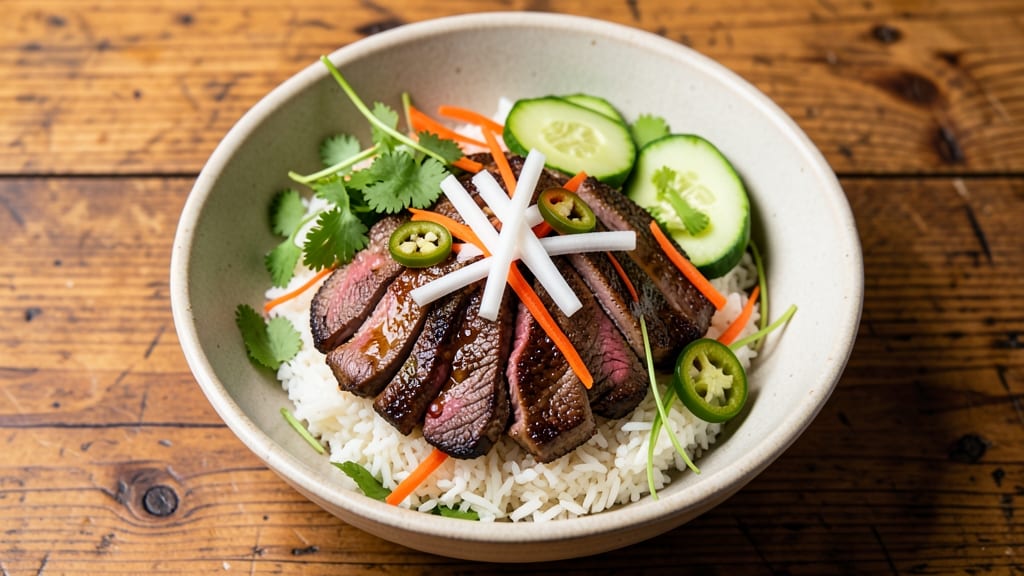
This beef banh mi bowl recipe brings the bold flavors of Vietnam to your dinner table in a modern, satisfying bowl format. The key is balancing tender beef with crisp pickled vegetables, fresh herbs, and a tangy fish sauce dressing that ties everything together.
I've perfected this fusion dish by combining traditional Vietnamese techniques with easy-to-find ingredients you can assemble in under 30 minutes.
The foundation starts with perfectly cooked beef—whether you prefer grilled steak slices or braised shredded beef, the choice is yours. What matters most is that rich, savory flavor that forms the heart of every bite.
We'll build from there with elements like crisp carrots, daikon radish, and jalapeños that add crunch and tangy contrast, all held together by a dressing that's both complex and easy to make.
What you'll end up with is a bowl that's packed with texture and flavor—crisp vegetables, tender beef, fresh herbs, and creamy elements all coming together in perfect harmony.
The beauty of this recipe is its flexibility: you can customize the protein, adjust the spice level, or swap in different vegetables based on what you have available.
This isn't just another bowl recipe—it's a celebration of Vietnamese flavors made approachable for home cooks. The result is a dish that's hearty enough for a main course but light enough to feel fresh and satisfying. Ready to create this flavor-packed bowl? Let's get started with the ingredients you'll need.
Ingredients for beef banh mi bowl
Nine fresh ingredients and four pantry staples transform into a Vietnamese-inspired feast.
| Ingredient | Amount | Notes |
|---|---|---|
| Flank Steak 🥩 | 1 lb | Thinly sliced against grain |
| Daikon Radish 🥕 | 1 medium | Julienned into matchsticks |
| Carrots 🥕 | 2 medium | Thinly sliced into ribbons |
| Cucumber 🥒 | 1 English | Thinly sliced |
| Jalapeños 🌶️ | 2 whole | Sliced thin, seeds removed |
| Fresh Cilantro 🌿 | ½ cup | Chopped, stems removed |
| Fresh Mint 🌿 | ¼ cup | Chopped |
| Fish Sauce 💧 | 2 tbsp | Red Boat preferred |
| Lime Juice 🍋 | ½ cup | Freshly squeezed |
| Soy Sauce 🥄 | 3 tbsp | Low-sodium preferred |
| Honey 🍯 | 1 tbsp | For balance |
| Sesame Oil 🫒 | 1 tbsp | Toasted sesame flavor |
| Rice Vinegar 🍶 | 1 tbsp | For tang |
| Jasmine Rice 🍚 | 2 cups | Uncooked, long-grain |
| Vegetable Oil 🫒 | 2 tbsp | For grilling |
The beef is everything here—flank steak is my go-to for that perfect balance of tenderness and chew. Trader Joe's or Costco usually have it pre-sliced, but if you're slicing yourself, go against the grain for melt-in-your-mouth texture. For the radish and carrots, look for vibrant orange and white—no yellowing or soft spots. The jalapeños? Pick firm ones—they should snap when bent. Fresh herbs are non-negotiable for that bright finish, so grab a bunch of cilantro and mint from the grocery store's produce section—usually near the basil.
No daikon? Substitute extra carrots or turnips—they won't be identical, but they'll add crunch. Short on fish sauce? Soy sauce plus a splash of Worcestershire gets you close (though it won't be authentic). The lime juice can be bottled if fresh isn't available, but freshly squeezed makes all the difference. For the rice, jasmine or basmati work best—anything aromatic. The dressing is where you can get creative: add a dash of sriracha for heat or maple syrup if you're out of honey. Just remember, the fish sauce is the soul of this bowl—don't skip it.
Prep the veggies ahead—they keep well in the fridge for 3-4 days if stored in airtight containers. The beef can be marinated overnight, which actually makes it more tender. Store the dressing separately until ready to use—it'll keep for up to 1 week in the fridge. For leftovers, this bowl reheats beautifully—just warm the rice and beef separately to keep everything crisp. I always make extra dressing because it disappears fast, and trust me, you'll want seconds.
Why You'll Love This Recipe
- No Fuss Assembly: I swear, the hardest part is slicing the daikon—everything else is just layering. Thinly sliced radish, shredded carrots, a quick sear on the flank steak with fish sauce and chili? Twenty minutes tops, and it feels like a restaurant dish.
- Umami Bomb: That flank steak, marinated in fish sauce and lime, hits different—tender, slightly chewy, with a punch of heat from the jalapeños. Honestly, the first time I ate it, I grabbed the bowl and walked to the couch.
- Lunchbox Hero: Between us, this is my go-to for packed lunches. The crunchy veggies stay fresh for days, and the beef? Even better the next day. Toss in some pickled daikon if you’re fancy, but the basics work—no stress, no waste.
- Budget Stretch: Flank steak is affordable, and a single pound feeds four. I buy the radish and carrots in bulk, and they last weeks in the crisper. Leftovers? They’re my secret weapon for lazy nights when I just want flavor without effort.
Step-by-step instructions for beef banh mi bowl
Here's how to build this vibrant bowl with perfectly marinated beef and crisp fresh vegetables.
Cook the Jasmine Rice to Fluffy Perfection
Rinse the 2 cups of jasmine rice under cold water until the water runs clear—this removes excess starch for fluffier grains. Combine the rice with 2 cups of water in a pot and bring to a boil over medium-high heat. Once boiling, reduce heat to low, cover tightly with a lid, and simmer for 15 minutes. Let it rest off heat for 10 minutes before fluffing with a fork—this resting time ensures each grain stays separate and tender.
Don't peek while cooking! Every time you lift the lid, you release steam that prevents even cooking. The rice should be completely tender with no crunch, and each grain should be distinct rather than mushy. Spread the rice on a plate to cool slightly before assembling the bowls.
Marinate and Grill the Flank Steak
In a bowl, whisk together the 3 tablespoons of soy sauce, 2 tablespoons of fish sauce, 1 tablespoon of honey, and 1 tablespoon of rice vinegar. Add the 1 lb of flank steak and coat thoroughly, massaging the marinade into the meat. Let it marinate for at least 30 minutes at room temperature—this ensures deep flavor penetration.
Heat a grill or large skillet over high heat and add the 2 tablespoons of vegetable oil. Grill the steak for 3-4 minutes per side until it reaches medium-rare (internal temperature 130-135°F). The steak should have beautiful grill marks and be slightly charred on the outside while remaining juicy inside. Let it rest for 5 minutes before thinly slicing against the grain for maximum tenderness.
Prepare the Fresh Vegetable Medley
Use a mandoline or sharp knife to julienne the 1 medium daikon radish and slice the 2 medium carrots into thin ribbons. Thinly slice the 1 English cucumber and remove the seeds from the 2 whole jalapeños before slicing them thinly. Chop the 0.5 cup of fresh cilantro and 0.25 cup of fresh mint, removing stems for a cleaner presentation.
Arrange the vegetables on a plate and drizzle with 1 tablespoon of lime juice and 1 tablespoon of sesame oil. Toss gently to lightly coat—this adds freshness and prevents the vegetables from wilting. The radish should remain crisp, the carrots should have a slight bite, and the cucumber should stay cool and refreshing. Keep the vegetables separate until ready to assemble.
Assemble the Banh Mi Bowls
Divide the fluffed jasmine rice evenly among 4 bowls. Top each portion with the sliced flank steak, arranging it in a single layer. Add the julienned daikon radish, carrot ribbons, cucumber slices, and jalapeños on top of the steak. Sprinkle with the chopped cilantro and mint for a pop of color and freshness.
Drizzle each bowl with the remaining 0.5 cup of lime juice and a few drops of sesame oil. Garnish with extra mint leaves for visual appeal. The combination of tangy, sweet, and umami flavors should balance perfectly—each bite should offer a mix of tender beef, crisp vegetables, and aromatic herbs.
Serve Immediately for Maximum Freshness
Serve the bowls right away while the rice is warm and the vegetables are still crisp. The contrast of temperatures—warm rice and steak against cool vegetables—elevates the experience. If you need to prep ahead, store the components separately and assemble just before serving to maintain texture.
Pair with a cold beer or iced tea to complement the bold flavors. The key to this dish is balance—sweet from the honey, tangy from the lime and vinegar, umami from the fish sauce, and a touch of heat from the jalapeños. Adjust the lime or jalapeño to taste for your preferred level of brightness or spice.
Pro Tips For Making Beef Banh Mi Bowl
- Slice Against the Grain: Flank steak’s tough fibers run parallel to the grain—cutting perpendicular makes every bite tender. I used to ignore this and ended up with chewy, frustrating mouthfuls. Take your time, angle the knife low, and slice thinly after resting.
- Shave Daikon Like a Pro: Daikon’s texture matters more than you’d think. Use a mandoline set to 1/8-inch for clean, crisp slices—thicker pieces get soggy fast. Skip the peeler; you’ll lose too much of that mild, refreshing crunch.
- Don’t Crowd the Steak: High heat is your friend here, but a packed pan steams the meat instead of searing. Spread those slices out—even if it means two batches. You want a deep crust, not a sad, gray slab.
- Pickle Jalapeños in Vinegar: Fresh jalapeños? They’ll turn the bowl into a watery mess. Quick-pickle them in rice vinegar, sugar, and salt for 10 minutes—they’ll stay crisp and pack a punch. (Yes, even if you’re impatient like me.)
Regional styles of beef banh mi bowl
Vietnamese Street Food Roots
The beef banh mi bowl traces its origins to Vietnam's bustling street food culture, where banh mi sandwiches were traditionally sold by vendors. These handheld creations featured a French-influenced baguette stuffed with marinated pork, pickled vegetables, and fresh herbs.
The bowl format simply adapts this concept to a more modern, customizable presentation while keeping the core flavors intact. 🌶️
In Saigon (Ho Chi Minh City), you'll find banh mi stalls offering variations with beef, chicken, or even tofu. The key elements—pickled daikon and carrots, fish sauce dressing, and fresh herbs—remain constant.
What makes this bowl special is how it preserves that authentic street food experience while making it easier to serve and customize at home.
Southern California Fusion
This dish gained popularity in Southern California during the 1990s and 2000s as Vietnamese immigrants adapted their cuisine to local tastes. The bowl format became particularly popular in areas like Orange County and Los Angeles, where fusion cuisine thrived.
Restaurants like Banh Mi Boys in Anaheim helped popularize the concept by offering banh mi-inspired bowls with modern twists.
The California version often includes additional elements like avocado, sriracha mayo, or even pulled pork, reflecting local preferences. While we're keeping it more traditional here, you can easily add these modern touches if you're serving a crowd that prefers bolder flavors.
The key is maintaining that perfect balance of textures and flavors that makes banh mi so special.
Modern Asian-Inspired Bowls
This recipe fits perfectly into the current trend of Asian-inspired bowls that have taken the food world by storm. From ramen bowls to bibimbap, the concept of building a flavorful bowl with rice as the base has become a global phenomenon.
What sets the beef banh mi bowl apart is its specific focus on Vietnamese flavors rather than generic Asian fusion.
You'll find similar concepts in other cuisines—like Korean bibimbap or Japanese donburi—but the banh mi bowl stands out with its signature combination of sweet, tangy, umami, and spicy flavors. The dish represents how traditional recipes can be adapted to modern eating habits while still delivering authentic taste.
Regional Vietnamese Variations
While this recipe uses classic ingredients, different regions of Vietnam have their own takes on banh mi. In the north, you might find more pork-based versions with fermented fish sauce, while central Vietnam often includes shrimp or crab.
Southern versions, like what we're making here, tend to feature beef and more generous amounts of pickled vegetables.
One interesting regional variation is the use of different breads—some areas use baguettes, others use local rice flour breads.
For our bowl version, we're skipping the bread entirely to focus on the core flavors, but you could always add a slice of toasted baguette on the side if you're feeling traditional.
Global Adaptations
This recipe has inspired countless adaptations around the world. In Australia, you might see versions with kangaroo meat instead of beef, while in the UK, you'll find banh mi bowls with lamb or chicken.
The beauty of this dish is how adaptable it is to local ingredients while maintaining its essential Vietnamese soul.
What makes our version special is how it stays true to the original while making it accessible for home cooks. The ingredients are easy to find in most grocery stores, and the assembly process is simple enough for weeknight dinners.
Whether you're serving this as a main course or as part of a larger Vietnamese-inspired meal, it's sure to impress.
Nutrition facts
Frequently asked questions
Can I substitute flank steak with another type of beef?
Flank steak is ideal for its tenderness when sliced thin, but you can use skirt steak or sirloin instead. For a more tender texture, try ribeye or tenderloin, though they'll be pricier. If using a tougher cut like chuck, marinate for 4-6 hours instead of 30 minutes to break down the fibers.
How do I make the dressing less fishy?
Fish sauce has a strong umami flavor that's essential for authenticity, but you can balance it by increasing the honey or lime juice to 1.5 tablespoons each. For a milder taste, reduce fish sauce to 1 tablespoon and add 1 extra tablespoon of soy sauce. If you're sensitive to fish sauce, try a vegetarian fish sauce substitute.
Can I make this bowl ahead of time?
Yes, but assemble it just before serving to keep the vegetables crisp. Cook the rice and beef, then store them separately in the fridge for up to 2 days. Prep the vegetables and dressing separately—they'll stay fresh for 3-4 days if stored in airtight containers. Reheat the beef and rice separately before assembling to maintain texture.
What's the best way to pickled the vegetables?
For authentic pickled veggies, combine 2 cups water, 1 cup rice vinegar, 2 tablespoons sugar, 1 teaspoon salt, and 1 tablespoon fish sauce. Add sliced daikon, carrots, and jalapeños, then refrigerate for at least 2 hours (or up to 3 days). Drain before using to avoid soggy bowls. No time? Use store-bought pickled veggies from the Asian aisle!
Is this dish gluten-free?
Mostly! The recipe is naturally gluten-free except for the soy sauce (which contains wheat). Use tamari instead of regular soy sauce, and check that your fish sauce is gluten-free. The rice, beef, and vegetables are all safe. For extra caution, verify all ingredient labels, especially for hidden gluten in sauces or broths.