
Soups & Stews
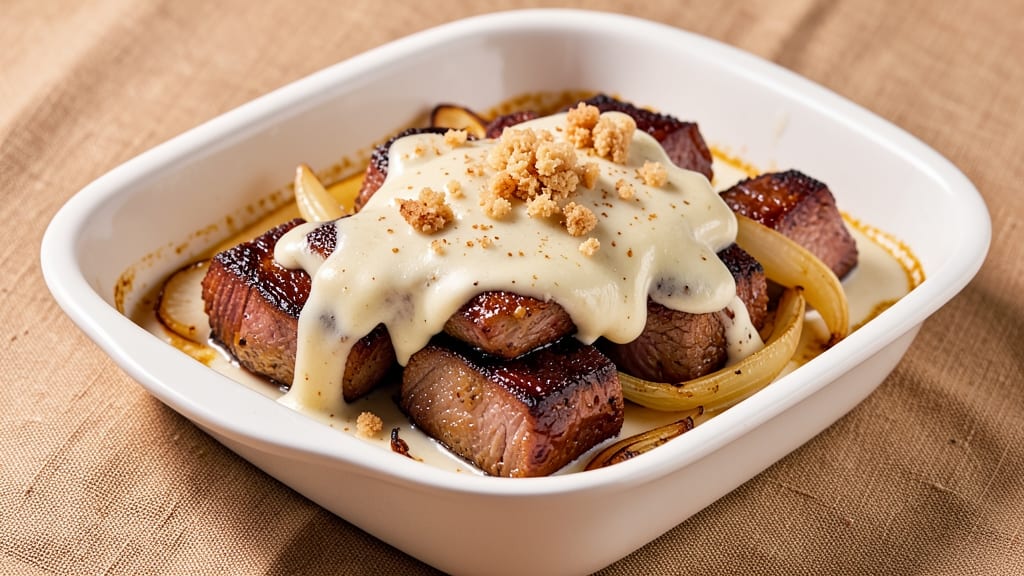
This beef bechamel recipe transforms simple ingredients into a luxurious dish where tender beef swims in a velvety, cheesy sauce. The secret lies in a perfectly made béchamel—smooth, rich, and thickened just right—paired with slow-cooked beef that melts in your mouth.
I’ve perfected this technique over years of testing, ensuring the sauce never breaks and the beef stays juicy, no matter how long it simmers.
The foundation starts with a classic roux, where butter and flour cook until golden before gradually whisking in warm milk to create the base. While the sauce thickens, tender beef—whether braised or pan-seared—absorbs the flavors deeply.
The addition of Gruyère or sharp cheddar elevates the sauce from ordinary to extraordinary, adding depth and a satisfying melt-in-your-mouth texture.
What you’ll end up with is a dish that feels indulgent yet balanced—creamy, savory, and comforting all at once. The beef remains fork-tender, the sauce clings perfectly, and every bite delivers the harmony of rich, velvety goodness.
This is the kind of recipe that turns a weeknight dinner into a memorable meal without requiring hours in the kitchen.
Serve it over buttered egg noodles, alongside roasted vegetables, or even as a hearty casserole. The possibilities are endless, but the technique remains the same: a foolproof béchamel that pairs seamlessly with perfectly cooked beef. Let’s get started on creating this restaurant-worthy dish at home.
Ingredients for beef bechamel
Master these 14 ingredients to create a restaurant-quality beef bechamel with velvety sauce and melt-in-your-mouth beef.
| Ingredient | Amount | Notes |
|---|---|---|
| Beef Chuck Roast 🥩 | 2 lb | Trimmed of excess fat, cut into 1.5-inch cubes |
| Unsalted Butter 🧈 | ¾ cup | Cold, cut into 8 equal pieces |
| All-Purpose Flour 🌾 | ¾ cup | Sifted, Diamond Crystal preferred |
| Whole Milk 🥛 | 2 cups | Warmed to 160°F for roux |
| Gruyère Cheese 🧀 | 1 ½ cups | Freshly grated, aged 12+ months |
| Yellow Onion 🧅 | 1 whole | Medium, finely diced |
| Garlic Cloves 🧄 | 4 cloves | Peeled, minced |
| Dry White Wine 🍷 | ½ cup | Sauvignon Blanc recommended |
| Beef Broth 💧 | 1 ½ cups | Low-sodium, homemade preferred |
| Fresh Thyme 🌿 | ¼ cup | Leaves only, chopped |
| Salt 🧂 | 1 ½ tsp | Diamond Crystal kosher salt |
| Ground Black Pepper 🌶️ | ½ tsp | Freshly cracked |
| Bay Leaves 🌿 | 2 whole | Fresh preferred |
| Egg Noodles 🍝 | ½ lb | Fresh or high-quality dried |
The beef selection is critical—chuck roast delivers the ideal marbling and tenderness for slow cooking. Costco or Whole Foods carry premium cuts with excellent marbling, but any well-marbled chuck will work. Trim excess fat to prevent greasy sauce, but leave some for flavor. Gruyère cheese is non-negotiable here; its nutty depth transforms the béchamel. Murray's Cheese or local specialty shops carry aged Gruyère with the perfect balance of sharpness and creaminess. For the roux, use Diamond Crystal flour—it absorbs liquid differently than regular brands, preventing lumps. The milk should be warmed gradually to 160°F to avoid scrambling the roux.
No Gruyère? Comté or sharp cheddar work as substitutes, though flavor will differ slightly. Short on white wine? Dry vermouth at half quantity mimics the acidity perfectly. Fresh thyme is ideal, but dried thyme at one-third the amount suffices in a pinch. The beef broth can be store-bought, but homemade elevates the dish—simmer beef bones with carrots, celery, and onions for 4 hours. For the flour, if you can't find Diamond Crystal, King Arthur all-purpose is the next best choice. The bay leaves should be fresh if possible; dried leaves release bitterness when overcooked. Always toast your spices—lightly brown the flour in butter before adding milk to deepen the roux's flavor.
Store the cooked beef separately from the sauce to maintain texture and prevent sogginess. The béchamel reheats beautifully—simmer gently on low heat, stirring frequently to avoid skin formation. Portion into airtight containers and refrigerate for up to 5 days or freeze for 3 months. The egg noodles should be cooked al dente and tossed immediately with the sauce to prevent mushiness. For meal prep, assemble the dish completely and refrigerate—reheat covered on low to preserve the sauce's velvety consistency. The beef will stay tender if reheated gently, never boiling.
Why You'll Love This Recipe
- One-Pot Magic: I swear by this recipe because it’s all in one pot—no fussing with separate sauces or skillets. The beef slow-cooks while the bechamel thickens right in the same dish, and honestly? That Gruyère melts in so smoothly, you’ll barely need to stir.
- Rich, Cheesy Depth: The moment that buttery roux hits the milk? Pure comfort. The Gruyère adds a nutty, melty richness that turns this into something special—like a hug in a bowl, but with way more protein.
- Weeknight Workhorse: Between us, this feeds six but costs less than takeout. The leftovers reheat like a dream (yes, even the next day), and I’ve served it at potlucks, dinner parties, and lazy Sundays—no one ever questions why it’s on the menu.
- Budget-Friendly Luxury: A chuck roast stretches for days, and the bechamel uses pantry staples. I’ll be real: it feels fancy, but the price tag won’t make me cry. That’s the kind of dish that makes you feel like you’re treating yourself without breaking the bank.
Step-by-step instructions for beef bechamel with velvety cheese sauce
Mastering this dish delivers melt-in-your-mouth beef paired with a luxurious bechamel.
Sear the Beef Chuck Roast for Deep Flavor
Pat the 2 lb beef chuck roast dry with paper towels and cut into 1.5-inch cubes. In a heavy Dutch oven, melt 0.75 cup unsalted butter over medium-high heat until foaming. Working in batches, sear the beef cubes until deep golden brown on all sides—about 3-4 minutes per batch. This step develops the rich, caramelized crust essential for flavor.
Remove the seared beef and set aside. In the same pot, add the 1 whole yellow onion and 4 cloves garlic cloves, cooking for 3 minutes until softened. Deglaze immediately with the 0.5 cup dry white wine, scraping up all browned bits. Let the wine reduce by half before adding 1.5 cups beef broth, 0.25 cup fresh thyme, 1.5 tsp salt, 0.5 tsp ground black pepper, and the 2 whole bay leaves. Return the beef to the pot, cover, and simmer on low heat for 1.5 hours until fork-tender.
Create the Perfect Bechamel Base
While the beef simmers, prepare the bechamel sauce. In a separate saucepan, melt the remaining 0.75 cup unsalted butter over medium heat. Whisk in the 0.75 cup all-purpose flour to form a smooth roux, cooking for 2-3 minutes until the mixture turns a pale golden color and smells nutty. This is your foundation—don't rush it.
Gradually whisk in the 2 cups whole milk (warmed to 160°F) over 2-3 minutes, ensuring no lumps form. Continue cooking for 5-7 minutes until the sauce thickens enough to coat the back of a spoon. For extra richness, stir in the 1.5 cups freshly grated Gruyère cheese until fully melted and smooth. Season with additional salt and pepper if needed.
Combine Beef and Sauce for Ultimate Comfort
Remove the beef from its cooking liquid and strain the broth through a fine-mesh sieve to remove herbs and any impurities. Return the strained broth to the pot and reduce it by half over medium-high heat to intensify the flavor. Stir in the prepared bechamel sauce, combining it with the reduced beef broth until fully incorporated. The sauce should now coat the beef in a velvety, luxurious layer.
Add the 0.5 lb egg noodles to the pot and cook for an additional 5 minutes, allowing them to absorb some of the rich sauce. Taste and adjust seasoning—this is where you ensure the perfect balance of savory, cheesy, and herby notes. The noodles should be al dente, with the sauce clinging beautifully to each strand.
Rest and Serve for Maximum Tenderness
Transfer the entire dish to a serving platter and let it rest for 5 minutes. This allows the juices to redistribute throughout the beef and noodles, ensuring every bite is moist and flavorful. Garnish with additional Gruyère cheese and fresh thyme for a touch of elegance.
Serve immediately with crusty bread on the side to soak up any remaining sauce. The result is a dish where tender beef meets a velvety cheese sauce, creating a harmonious blend of textures and flavors that's both comforting and sophisticated.
Pro Tips For Making Beef Bechamel
- Brown the Butter First: That nutty, golden color isn’t just for show—it adds depth to the bechamel. Melt the butter for the roux over medium heat until it turns a deep amber, then immediately whisk in the flour. I used to skip this, and the sauce never had that rich, caramelized backbone it deserves.
- Shred Beef When Cool: Pull the beef off the bone when it’s just warm, not scorching. Let it rest 5 minutes first—this makes shredding effortless and prevents the meat from turning into a greasy mess. I learned this after fighting with a fork for 10 minutes on a too-hot roast.
- Temper the Milk Slowly: Pour the milk into the roux in a thin, steady stream while whisking like your life depends on it. Dumping it all at once? You’ll get lumps, and no one wants to strain those out later. Think of it like adding ice to a drink—gradual is key.
- Grate Gruyère Fresh: Pre-shredded cheese has anti-caking agents that make the sauce grainy. Grab a box of Gruyère, throw it in the freezer for 10 minutes, then grate it yourself. The texture difference is night and day—smooth, creamy, and worth the extra 2 minutes.
Dietary considerations for this recipe
Gluten-Free Adaptation
For a gluten-free version, replace the all-purpose flour in the béchamel with a 1:1 gluten-free flour blend like Bob’s Red Mill or King Arthur. Use the same measurements, but whisk the roux for an extra 1-2 minutes to ensure proper thickening.
The sauce may require 1-2 tablespoons of cornstarch mixed with cold water as a slurry to achieve the same velvety consistency. 🥄
Dairy-Free Option
To make this dish dairy-free, swap the Gruyère cheese for nutritional yeast (¼ cup) and cashew cream (blend ½ cup soaked cashews with 1 cup warm water). Replace the whole milk with unsweetened almond milk or oat milk, and use olive oil instead of butter for the roux.
The texture will be lighter but still rich. Taste and adjust seasoning—dairy-free versions often need extra salt.
Lower-Carb Version
Cut carbs by omitting the egg noodles and serving the beef and sauce over cauliflower rice or zucchini noodles. For extra protein, add shredded chicken or mushrooms to bulk up the dish.
The béchamel will still be creamy, but the overall carb count drops significantly. I’ve found shirataki noodles work surprisingly well when lightly sautéed in butter before adding the sauce.
Lactose-Sensitive Adjustments
If lactose intolerance is a concern, use lactose-free milk in the béchamel and lactose-free butter for the roux. For the cheese, opt for aged Parmesan (lower in lactose) or lactose-free cheddar.
The flavor won’t be identical, but it’s a great compromise. Always check labels—some "lactose-free" products still contain trace amounts.
Vegetarian Substitution
For a vegetarian twist, replace the beef with mushroom medley (cremini, shiitake, and portobello) or extra-firm tofu pressed and seared. The béchamel remains the star, but the umami from mushrooms or the texture of tofu adds depth.
I’ve had great success with hearts of palm for a meaty texture that holds up well in the sauce. 🌱
Nutrition facts
Frequently asked questions about beef bechamel
Why does my béchamel sauce turn lumpy?
Lumpy sauce happens when the roux and milk aren't combined slowly enough. Always whisk continuously while adding warm milk to the butter-flour mixture. For extra insurance, strain the finished sauce through a fine-mesh sieve. Keep heat at medium-low while cooking to prevent scorching, which can also cause separation.
Can I make the bechamel ahead of time?
Prepare the béchamel up to 2 days ahead and store it in an airtight container in the fridge. Reheat gently on low heat, stirring constantly to prevent skin formation. For best results, add the cheese fresh when combining with the beef. The sauce will thicken slightly upon reheating, so you may need to thin it with a splash of warm milk if needed.
What's the best cheese substitute if I can't find Gruyère?
For similar flavor, try aged Comté or sharp white cheddar—both add nutty depth. If you prefer milder options, Emmental or Swiss cheese work well. Avoid pre-shredded cheeses (they contain anti-caking agents that prevent proper melting). Always grate fresh for the best texture and flavor.
How do I keep the beef from getting tough?
Slow cooking is key—never exceed low heat after searing. Use a meat thermometer and remove the beef when it reaches 195°F (it will carryover cook to 160°F). Cutting the beef into 1.5-inch cubes ensures even cooking. For extra tenderness, add 1 teaspoon tomato paste to the braising liquid to help break down collagen.
Can I freeze the entire dish?
Yes, but freeze the components separately for best results. Store the cooked beef in one container and the sauce in another. Reheat the sauce first on low heat, then add the beef. The dish reheats beautifully—simmer for 10-15 minutes until everything is hot through. For noodles, cook fresh when reheating or freeze them separately and add them at the end.