
Soups & Stews
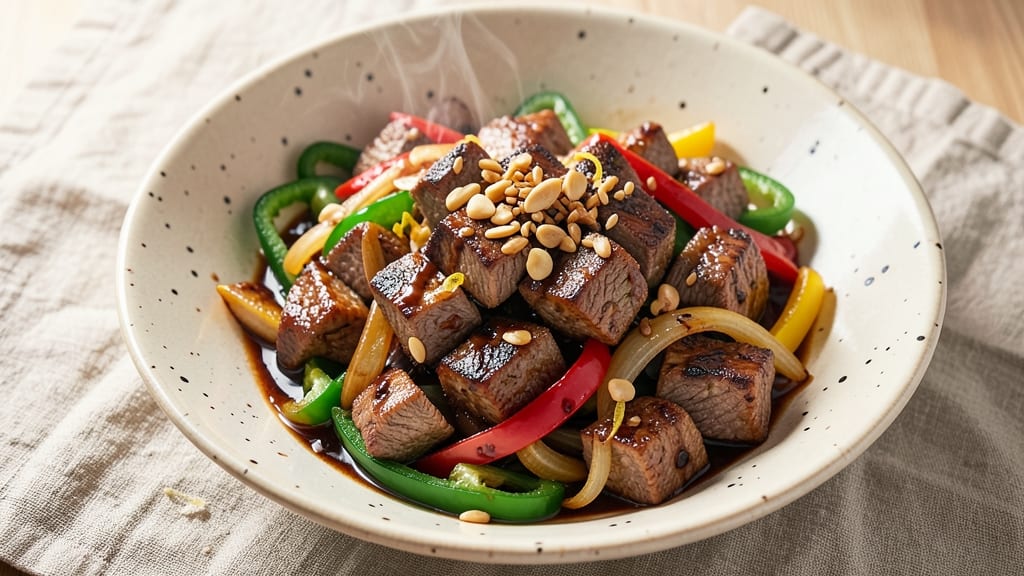
This beef bell pepper and onion recipe transforms a simple skillet dinner into a flavor-packed meal that requires just 30 minutes and one pan. The secret lies in caramelizing the onions and peppers until they're sweet and tender, then finishing with juicy beef that soaks up every bit of flavor.
I developed this recipe after years of testing one-pan meals—it's the kind of dish that feels indulgent but comes together effortlessly. What sets this apart is the balance of textures: crisp edges on the vegetables, tender beef, and a rich, savory sauce that ties everything together.
The onions and peppers develop natural sweetness from slow cooking, while the beef stays juicy thanks to a simple marinade. This method works equally well for weeknight dinners or meal prep—just double the ingredients and store leftovers for up to 4 days.
The result is a hearty, satisfying dish that's perfect for feeding a family or serving as a main course with crusty bread. The aromas alone—caramelized onions, sizzling beef, and charred peppers—will have everyone at the table asking for seconds.
Whether you're cooking for two or a crowd, this recipe delivers restaurant-quality flavor with minimal effort. For extra depth, finish with fresh herbs or a squeeze of lemon. The beauty of this dish is its versatility—adjust the spice level, swap beef for chicken, or even make it vegetarian with mushrooms.
Here's how to make it perfectly every time.
Ingredients for beef bell pepper onion
Caramelized onions, sweet peppers, and tender beef—just 14 ingredients for a restaurant-worthy skillet dinner.
| Ingredient | Amount | Notes |
|---|---|---|
| Beef Chuck Roast 🥩 | 1 ½ lb | Cut into 1-inch cubes |
| Yellow Onions 🧅 | 2 whole | Medium-sized, sliced |
| Bell Peppers 🍅 | 3 whole | Assorted colors, sliced |
| Garlic Cloves 🧄 | 4 cloves | Minced for marinade |
| Olive Oil 🫒 | 2 tbsp | Extra-virgin for richness |
| Soy Sauce 🍶 | 2 tbsp | Low-sodium preferred |
| Worcestershire Sauce 🍶 | 1 tbsp | For umami depth |
| Balsamic Vinegar 🍷 | 1 tbsp | For sweetness balance |
| Dried Thyme 🌿 | 1 tsp | Or 1 tbsp fresh thyme |
| Ground Black Pepper 🌶️ | ½ tsp | Freshly cracked |
| Salt 🧂 | 1 tsp | Kosher or sea salt |
| Red Wine 🍷 | ½ cup | Dry variety preferred |
| Beef Broth 💧 | ½ cup | Low-sodium preferred |
| Fresh Parsley 🌿 | ¼ cup | Chopped for garnish |
The beef is the foundation, so chuck roast is your best bet—it stays tender and absorbs flavors beautifully. Costco or local butchers often have it pre-cubed, which saves chopping time. Look for good marbling if you're cutting your own. Onions and bell peppers? Trader Joe's or local farmers markets have the freshest, most vibrant colors. I always grab extra peppers—half go in the skillet, half get sliced for the side. The garlic? Freshly minced makes all the difference over pre-minced jars.
No red wine? Beef broth with a splash of balsamic works perfectly. Fresh thyme is ideal, but dried at one-third the amount gets you close. Short on bell peppers? Zucchini or mushrooms add great texture. The soy sauce can be swapped for coconut aminos if you're avoiding sodium. For extra richness, add 1 tbsp of tomato paste with the marinade. The peppers should be sliced into even strips—this ensures they cook at the same rate as the onions.
This dish reheats beautifully—just add a splash of water or broth to the skillet. Keeps 4-5 days in the fridge or 3 months frozen. I portion mine into meal prep containers with a side of crusty bread. The flavors actually improve overnight as everything melds together. For leftovers, store the beef and veggies separately to keep the vegetables crisp. Fresh parsley? Add it right before serving—it wilts quickly when heated.
Why You'll Love This Recipe
- One-Pan Magic: I swear by this recipe when I’m too tired to clean pots—just slice the onions, dice the peppers, toss everything on a sheet pan, and let the oven do the work. The beef caramelizes right alongside the veggies, so you end up with a sticky, saucy mess that’s almost too easy to resist.
- Deep Flavor, Zero Fuss: That beef chuck roast? It’s the star—tender, rich, and packed with natural fat that keeps everything juicy. The onions and peppers soften into sweet, caramelized bits while the garlic infuses everything with a warm, aromatic punch. Honestly, the first time I made this, I thought, “Why haven’t I been doing this all along?”
- Meal Prep MVP: This dish reheats like a dream—perfect for tossing in lunchboxes or pulling out for a quick dinner after work. I’ll be real: I often make a double batch because it’s so versatile. Serve it over rice, stuff it in wraps, or just eat it straight from the pan with crusty bread. It’s the kind of leftovers people actually ask for.
- Budget-Friendly Powerhouse: A chuck roast stretches further than you’d think, especially when paired with affordable veggies like onions and bell peppers. Plus, the flavors get better the next day, so you’re not wasting a thing. Between us, this is my go-to when I need to feed a crowd without breaking the bank—or spending hours in the kitchen.
Step-by-step instructions for beef bell pepper and onion skillet dinner
This one-pan method delivers tender beef with caramelized vegetables in under an hour.
Prepare the Beef and Vegetables
Cut the 1.5 lb beef chuck roast into 1-inch cubes for even cooking. In a large bowl, combine the sliced 2 whole yellow onions and 3 whole bell peppers with the 4 cloves minced garlic. Set aside until ready to use.
I always recommend slicing the onions and peppers into even strips—about ¼-inch thick—so they cook uniformly. If using thicker pieces, they'll stay crunchy while the beef becomes overcooked. Pat the beef cubes dry with paper towels before cooking to ensure a good sear.
Sear the Beef in Olive Oil
Heat 2 tablespoons olive oil in a large skillet over medium-high heat until shimmering. Working in batches, add the beef cubes and cook for 3-4 minutes per side until deep brown and slightly crispy on the edges. Remove the beef and set aside.
This high-heat sear locks in juices and builds deep flavor. Don't overcrowd the pan—cooking in batches prevents steaming, which makes the beef tough. The beef should release easily from the pan when ready to flip.
Sauté the Vegetables
In the same skillet, add the prepared onions and bell peppers. Cook over medium heat for 5-6 minutes, stirring occasionally, until they begin to soften. Add the 4 cloves minced garlic and cook for 30 seconds until fragrant.
Here's where the vegetables develop their signature caramelized sweetness. If they start to brown too quickly, reduce the heat slightly. The goal is tender-crisp texture—not mushy. The garlic should sizzle but not burn, as burned garlic adds bitterness.
Deglaze and Simmer
Pour in the ½ cup red wine and scrape up any browned bits from the bottom of the pan. Let it simmer for 2 minutes until reduced by half. Add the ½ cup beef broth, 2 tablespoons soy sauce, 1 tablespoon Worcestershire sauce, 1 tablespoon balsamic vinegar, 1 teaspoon dried thyme, ½ teaspoon ground black pepper, and 1 teaspoon salt. Stir well to combine.
This deglazing step captures all the flavorful fond from the searing process. The wine and broth create a rich base that will meld beautifully with the beef. Taste the sauce at this stage—you can adjust seasoning if needed, but the beef will add additional depth as it cooks.
Finish and Rest
Return the beef to the skillet and spoon the sauce over the top. Cover and simmer over low heat for 15-20 minutes, stirring occasionally, until the beef is tender and the sauce has thickened. Garnish with ¼ cup chopped fresh parsley before serving.
The beef is done when it easily pulls apart with a fork. If the sauce thickens too much, add a splash of water or broth to reach your desired consistency. Let the dish rest for 5 minutes before serving—this allows the juices to redistribute throughout the beef and vegetables, ensuring each bite is moist and flavorful.
Pro Tips For Making Beef Bell Pepper Onion
- Sear the Chuck in Batches: That thick roast won’t brown evenly if you crowd the pan. Cut it into 1.5-inch chunks first, then sear in two batches over medium-high heat—about 5 minutes per side. You’ll get a better crust this way, and the meat won’t steam instead of caramelizing.
- Char the Peppers First: Don’t just chop the bell peppers and toss them in raw. Hold them over a gas flame (or broil for 2 minutes) until the skin blackens in spots—this deepens their sweetness. Scrape off the charred bits before dicing, and your dish will taste richer without extra sugar.
- Salt the Onions Early: Toss sliced yellow onions with a pinch of salt right after cutting. Let them sit for 10 minutes while you prep the rest—this draws out moisture, so they’ll caramelize faster and won’t turn mushy when cooking. (Yes, even if you’re impatient like me.)
- Deglaze with Red Wine: After searing the beef, don’t just splash in water or broth. Use ½ cup red wine (like Cabernet) to scrape up the browned bits—it adds depth and cuts through the richness of the chuck. Reduce it by half before adding the peppers and onions. (Skip this? Your sauce will taste flat.)
Dietary considerations for beef bell pepper onion
Gluten-Free Adaptations
This dish is naturally gluten-free if you use tamari instead of soy sauce—just swap the 2 tablespoons soy sauce for 2 tablespoons gluten-free tamari. I also recommend checking your Worcestershire sauce label, as some brands contain wheat. Annie's or San-J is gluten-free certified and work perfectly here.
The rest of the ingredients are already safe, so no other adjustments are needed. 🌱
Low-Sodium Options
To reduce sodium, cut the soy sauce to 1 tablespoon and use low-sodium beef broth and Worcestershire sauce. I also like adding 1 teaspoon lemon juice for brightness instead of extra salt.
Fresh herbs like parsley or thyme add flavor without sodium. The beef itself contributes enough natural saltiness when properly seasoned.
Dairy-Free Notes
This recipe is already dairy-free, but if you're watching fat content, you can reduce the olive oil to 1 tablespoon and use avocado oil instead for a neutral flavor. The dish relies on the rich flavors of the beef and caramelized vegetables, so no dairy substitutes are needed.
Just be mindful of any hidden dairy in Worcestershire sauce—some brands contain anchovies that may be processed with dairy.
Vegetarian Swap
For a vegetarian version, replace the beef with 1.5 lbs extra-firm tofu or portobello mushrooms. Tofu should be pressed and cubed, then pan-fried until crispy. Portobello mushrooms work beautifully when sliced into thick strips and seared first.
The same marinade and cooking method apply—just reduce the cooking time to 10-12 minutes after adding the vegetables. 🌿
Protein Alternatives
Chicken thighs or pork tenderloin make excellent substitutes for beef. For chicken, use 1.5 lbs boneless thighs and reduce cooking time to 12-15 minutes after adding the sauce.
Pork tenderloin cooks faster—slice it into ½-inch strips and cook for 8-10 minutes total. The vegetables and sauce ratios remain the same, so no other adjustments are needed.
Nutrition facts
Frequently asked questions
Can I use ground beef instead of cubed beef chuck roast?
Yes, but you'll need to adjust the cooking time. Use 1 lb ground beef and cook it directly with the vegetables for 8-10 minutes until fully browned. Ground beef cooks faster and releases more fat, so drain excess grease halfway through. The texture will be different—more tender and less substantial—but still delicious!
How do I prevent the onions from burning while caramelizing?
Start with medium heat and stir frequently. If they brown too quickly, reduce to low-medium and let them cook longer. The key is patience—caramelization takes 10-15 minutes at this lower heat. A splash of water or broth can also help if they're getting too dark too fast.
What's the best way to reheat leftovers?
Reheat in the same skillet over medium-low heat for 5-7 minutes, adding 1-2 tablespoons water or broth to prevent drying. For extra flavor, cover the skillet and let the steam work its magic. Microwaving works too—just heat for 1-2 minutes with a damp paper towel covering the dish.
Can I make this recipe in a slow cooker?
Brown the beef first, then transfer everything to a slow cooker with all the sauce ingredients. Cook on low for 6-8 hours or high for 3-4 hours. The slow cooking enhances tenderness and flavor. Just add a splash of broth if the sauce gets too thick during cooking.
Why did my beef turn out tough?
Overcooking is the most common cause. Beef should cook until it's tender but still slightly pink inside (about 130-135°F internal temp). Also, patting the beef dry before searing and not overcrowding the pan prevents toughness. If using leaner cuts, add 1 tablespoon olive oil to the sauce to keep it moist.