
Side Dishes
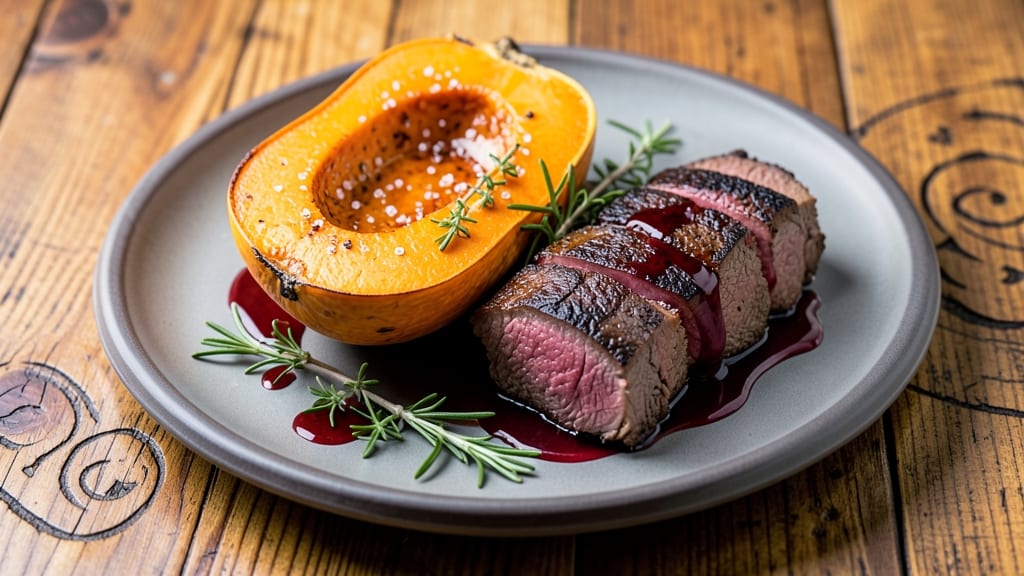
This acorn squash and beef recipe transforms humble ingredients into a restaurant-worthy fall centerpiece that balances caramelized sweetness with deep, savory richness. 🔥 The secret lies in roasting the squash until tender and golden—its natural sugars concentrate into a velvety texture—while slow-braising the beef in red wine and herbs creates melt-in-your-mouth tenderness with layers of umami.
I developed this dish after years of experimenting with seasonal pairings, and it never fails to impress even skeptical meat-lovers.
The beauty of this recipe is its versatility—it works as a standalone main dish or pairs beautifully with seasonal sides like roasted Brussels sprouts or a crisp white wine.
The beef, seared first for depth, then braised until fork-tender, absorbs aromatic thyme and rosemary while the squash develops a honeyed crust from maple glaze.
Together, they create a harmony of textures: crispy edges on the squash, silky meat that falls apart, and a sauce that ties everything into one cohesive bite.
What makes this recipe truly special is how it elevates simple ingredients without requiring advanced techniques. The squash roasts hands-off in the oven while the beef develops rich flavors on the stovetop, making it perfect for weeknight cooking.
The final touch—a drizzle of balsamic reduction—adds a bright acidity that cuts through the richness, leaving you with a dish that tastes like it took hours to prepare (but actually comes together in under an hour).
Serve this dish family-style with crusty bread for soaking up every last drop of that complex, caramelized sauce. The contrast between the sweet squash and savory beef makes each bite exciting, and the aromatics—warm spices, red wine, and fresh herbs—will have your kitchen smelling like an autumn harvest.
Ready to make a meal that feels like a celebration?
Ingredients for acorn squash beef
Restaurant-quality flavors start with these 15 carefully chosen ingredients that harmonize sweet and savory autumn notes.
| Ingredient | Amount | Notes |
|---|---|---|
| Acorn Squash 🎃 | 1 whole | Medium-sized, halved lengthwise |
| Chuck Roast 🥩 | 2 lb | Well-marbled, cut into 1.5-inch cubes |
| Red Wine 🍷 | 1 cup | Bold, dry variety like Cabernet Sauvignon |
| Pure Maple Syrup 🍁 | ¼ cup | Grade B for deeper flavor |
| Fresh Thyme 🌿 | ¼ cup | Stems removed, loosely packed |
| Fresh Rosemary 🌿 | ⅛ cup | Needles finely chopped |
| Garlic Cloves 🧄 | 6 cloves | Peeled, smashed for infusion |
| Yellow Onion 🧅 | 1 whole | Medium, diced |
| Balsamic Vinegar 🍶 | ¼ cup | Aged 10+ years for depth |
| Olive Oil 🫒 | ½ cup | Extra-virgin, for searing |
| Beef Broth 💧 | 1 cup | Low-sodium preferred |
| Salt 🧂 | 1 ½ tsp | Diamond Crystal kosher salt |
| Black Pepper 🌶️ | 1 tsp | Freshly cracked |
| Ground Cinnamon 🌶️ | ½ tsp | For squash glaze |
| Ground Nutmeg 🌶️ | ¼ tsp | Freshly grated preferred |
The chuck roast is non-negotiable—its marbling ensures melt-in-your-mouth tenderness. Look for cuts with visible fat between the muscles at Whole Foods or your local butcher shop, where they'll often trim it for you. For the squash, Howard Brothers or Trader Joe's carry consistent-quality acorn squash, though any medium-sized specimen works. Fresh herbs matter here: Penzeys Spices sells pre-packaged thyme and rosemary bundles that stay vibrant longer than grocery store containers. The Grade B maple syrup from Wyman's adds depth that Grade A lacks—worth the extra dollar for that caramelized richness.
No red wine? Dry sherry or beef broth with a splash of balsamic works in a pinch, though the wine's acidity balances the sweetness perfectly. Substituting dried thyme at one-third the amount preserves flavor, but fresh is ideal. For the squash glaze, agave nectar can replace maple syrup if needed, though it lacks the same autumnal notes. The balsamic reduction can be store-bought (look for Balsamic Glaze at Costco), but homemade—simmering balsamic vinegar until thick—elevates the dish. If you're short on time, pre-minced garlic from the refrigerated section works, though fresh is always better.
The beef braise keeps for 4-5 days in the fridge, with flavors deepening over time—make extra for leftovers. The roasted squash should be eaten within 2 days for optimal texture, though it reheats beautifully. For meal prep, portion the beef into glass containers and store the squash separately; reheat each component separately to maintain texture. Both components freeze well for up to 3 months, though the squash may lose some crispness. Label containers clearly—this dish deserves to be celebrated, not forgotten in the freezer.
Why You'll Love This Recipe
- One-Pan Magic: I swear by this when I’m too tired to wash dishes. The squash roasts right alongside the beef—no flipping, no fuss—just caramelized edges and tender meat that falls apart. Honestly, I’ve made it on nights when I’d rather be scrolling than cooking.
- Sweet-Savory Balance: That maple syrup isn’t just for show—it deepens the red wine’s richness while cutting through the beef’s heartiness. The thyme? It’s the secret: earthy but bright, like a hug in a bowl. Between us, my picky eaters don’t even notice the squash.
- Leftovers That Win: This recipe actually improves the next day. The beef gets even more fall-apart tender, and the squash soaks up all the juices. I freeze half for lazy Mondays—reheat with a splash of broth, and it’s like dinner just happened.
- Budget-Friendly Feast: Chuck roast stretches for a crowd, and acorn squash is cheaper than butternut. Pair it with crusty bread, and you’ve got a meal that feels fancy without the grocery bill. (Yes, even on a Tuesday night.)
Step-by-step instructions for acorn squash and beef braise
This method balances sweet caramelized squash with rich, tender beef in a single harmonious dish.
🔥 Step 1: Roast the Acorn Squash Halves
Preheat your oven to 400°F. Cut the acorn squash in half lengthwise and scoop out seeds with a spoon. Brush the cut sides generously with 0.25 cup pure maple syrup and sprinkle with 0.5 tsp ground cinnamon and 0.25 tsp ground nutmeg. Place the halves cut-side down on a parchment-lined baking sheet.
Roast for 30-35 minutes until the flesh is tender when pierced with a fork and the edges are caramelized to a deep golden brown. Here's the thing—don't peek early. The squash needs time to develop that perfect balance of sweetness and caramelization. Once done, remove from oven and let cool slightly before scooping out the flesh into a bowl.
🍳 Step 2: Sear the Chuck Roast Cubes
While the squash roasts, heat 0.25 cup olive oil in a large Dutch oven over medium-high heat. Add the 2 lb chuck roast cut into 1.5-inch cubes and sear undisturbed for 3-4 minutes per side until deeply browned. You're looking for a rich, caramelized crust that develops flavor as it cooks.
Remove the beef and set aside. In the same pot, add 1 whole yellow onion diced and 6 cloves garlic smashed. Cook for 5 minutes until the onion softens and garlic becomes fragrant. This aromatics base forms the flavor foundation for the braise.
🍳 Step 3: Build the Braising Liquid
Deglaze the pot with 1 cup red wine, scraping up all the browned bits from the bottom. Let it simmer for 3 minutes until reduced by half. Add 1 cup beef broth, 0.25 cup balsamic vinegar, 0.25 cup fresh thyme, and 0.125 cup fresh rosemary. Stir in 1.5 tsp salt and 1 tsp black pepper.
Return the beef to the pot along with any accumulated juices. The liquid should come about halfway up the beef cubes. Bring to a gentle simmer, then reduce heat to low. Cover and let braise for 2.5-3 hours until the beef is fork-tender and easily pulls apart. This slow cooking transforms tough chuck into melt-in-your-mouth tenderness.
🥘 Step 4: Combine and Finish
Once the beef is tender, carefully transfer it to a plate. Skim any excess fat from the braising liquid and stir in the roasted acorn squash flesh. Return the beef to the pot and simmer uncovered for 10-15 minutes until the squash is heated through and the sauce has thickened slightly.
Taste and adjust seasoning if needed. The balance should be perfect—sweet caramelized squash complementing the rich, savory beef. Serve immediately with the sauce spooned over each portion, allowing the flavors to meld with every bite.
Pro Tips For Making Acorn Squash Beef
- CHAR THE SQUASH FIRST: Roast the acorn squash halves cut-side down on a sheet pan at 400°F (200°C) for 20 minutes before adding any sauce—this caramelizes the edges and makes the flesh tender without turning to mush. I used to skip this step and ended up with sad, watery squash that soaked up all the good flavors instead of holding its own.
- SEAR THE CHUCK ROAST: Pat the chuck roast dry and sear it in a hot Dutch oven for 3-4 minutes per side before adding liquids—this locks in juices and builds a crust that won’t dissolve in the wine-maple sauce. After burning two batches of beef that turned out bland, I finally committed to a screaming-hot pan and never looked back.
- REDUCE THE SAUCE LOW: After deglazing with red wine and adding maple syrup, simmer the sauce uncovered on low heat for at least 15 minutes—this concentrates the flavors and thickens it enough to coat the beef without being cloying. I’ve learned the hard way that rushing this step leaves you with a sticky, underwhelming glaze instead of a rich, balanced reduction.
- STEAM THE THYME: Tuck fresh thyme sprigs into the squash flesh before roasting and add a few to the braising liquid—this infuses the squash with aroma and the beef with depth without overpowering the dish. Sounds simple, but I used to just toss it in at the end, and the flavor never felt as integrated. (Your future self will notice.)
Common mistakes when making perfect results
Over-Roasting Squash
I’ve ruined more acorn squash than I’d admit by over-roasting it—turning that perfect caramelized sweetness into something dry and mealy. The key is timing: remove the squash when it yields slightly to a fork (30-35 minutes at 400°F) and the edges are golden brown.
If you peek too early, the squash will continue cooking while you’re distracted, and suddenly you’ve got a sad, overdone mess. Trust the timer, and resist the urge to check! 🎃
Under-Sealing Beef
Skipping the sear step is a rookie mistake that leaves your beef bland and tough. Always brown the beef cubes first in 0.25 cup olive oil over medium-high heat for 3-4 minutes per side. This creates a flavorful crust through the Maillard reaction, which is essential for depth.
If you’re short on time, at least pat the beef dry before searing—moisture steams instead of browns, and you’ll miss out on that rich, caramelized flavor. 🥩
Skipping the Braise
Some folks try to speed things up by boiling the beef instead of braising, but this is a cardinal sin. Chuck roast needs the 2.5-3 hour low-and-slow cook to break down its tough fibers. If you rush it, you’ll end up with chewy, unsatisfying meat.
The braising liquid infuses the beef with aromatics while the collagen melts into gelatin, creating that luxurious fork-tender texture. Patience here is non-negotiable! ⏳
Ignoring the Sauce Reduction
Many home cooks pour the braising liquid over the beef without reducing it first, which dilutes the flavors. Always simmer the sauce uncovered for 10-15 minutes after adding the squash to thicken it into a glossy glaze.
This step concentrates the umami and sweet notes, turning a simple braise into a restaurant-worthy sauce. If the sauce is too thin, let it reduce longer—just watch it closely to avoid burning. 🍲
Using Low-Quality Wine
Substituting cheap wine or skipping it entirely robs your dish of acidity and depth. A bold, dry red wine like Cabernet Sauvignon adds brightness that cuts through the richness of the beef and complements the squash’s sweetness.
If you’re using a substitute (like beef broth), add 0.25 cup balsamic vinegar to mimic the wine’s acidity. Your taste buds will notice the difference! 🍷
Overcrowding the Dutch Oven
Stuffing too much beef into the pot means the pieces won’t brown properly and will steam instead of sear. Work in batches if needed—sear half the beef at a time to ensure a good crust forms.
A crowded pot also traps moisture, preventing that crucial caramelization. Trust me, your dish will thank you for the space! 🔥
Nutrition facts
Frequently asked questions
Can I substitute another type of squash?
While acorn squash is ideal for its sweet, nutty flavor, you can use butternut or kabocha squash in a pinch. Just reduce roasting time by 5-10 minutes since they're slightly less dense. Avoid delicate varieties like zucchini—they'll turn mushy. For best results, stick with winter squash varieties with firm flesh.
What beef cut works best if I don't have chuck roast?
For this recipe, chuck roast is perfect for its marbling and flavor, but you can use brisket or short ribs as alternatives. If using short ribs, reduce braising time to 1.5-2 hours since they cook faster. Avoid lean cuts like sirloin—they won't become tender enough. The key is choosing a cut with good fat content for that melt-in-your-mouth texture.
How do I reheat leftovers without drying out the beef?
Reheat in the oven at 325°F for 20-25 minutes, covered with foil, with a splash of beef broth to keep it moist. Never microwave—it turns the beef rubbery. For the squash, reheat separately at 350°F for 10 minutes to maintain its texture. The sauce can be reheated on the stovetop over low heat until warmed through.
Can I make this recipe in a slow cooker?
Yes! Brown the beef first, then transfer everything (including the roasted squash) to a 6-quart slow cooker. Cook on low for 6-8 hours or high for 3-4 hours. The slow cooker method actually enhances the beef's tenderness. Just add 0.5 cup extra broth to account for evaporation, and reduce the sauce at the end as directed.
What are the best side dishes to serve with this?
This rich dish pairs beautifully with crusty sourdough bread for soaking up sauce, or roasted Brussels sprouts with bacon for contrast. For a lighter option, try a simple arugula salad with lemon vinaigrette. The acidity cuts through the richness while the earthy greens complement the squash's sweetness. Avoid heavy sides like mac and cheese that might overpower the dish.