
Main Courses
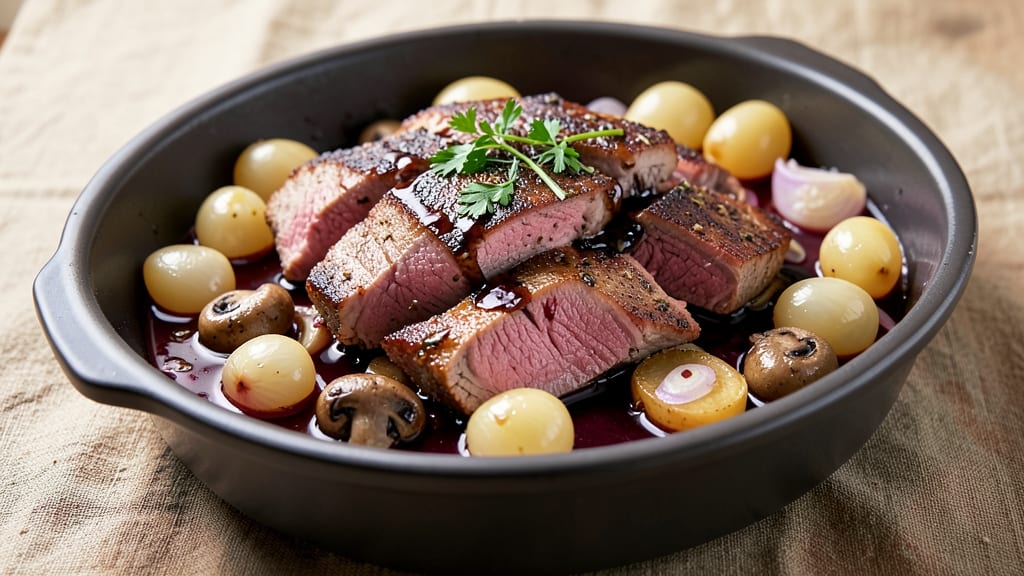
America's Test Kitchen's beef burgundy recipe transforms a simple weeknight dinner into a restaurant-worthy masterpiece with its rich, slow-braised beef and velvety wine sauce. The secret lies in proper searing and deglazing—techniques that unlock deep, caramelized flavors. This isn't just a recipe; it's a method that builds confidence in the kitchen while delivering results that impress even skeptical guests.
The process begins with searing beef chuck roast until deeply browned, then deglazing the pan with red wine to capture every flavorful bit. A slow simmer reduces the sauce to a luxurious consistency, while mushrooms caramelize into sweet, earthy perfection.
The key is patience—allowing the beef to tenderize over 3 hours while the sauce develops layers of complexity.
By the end, you'll have melt-in-your-mouth beef swimming in a glossy, wine-infused sauce that coats every bite. The aroma alone transforms your kitchen into a cozy bistro, and the texture—tender beef with crisp edges—makes it worth every minute of effort. This is comfort food elevated, where technique meets satisfaction.
Pair it with creamy mashed potatoes or crusty bread to soak up every drop of that luxurious sauce. The recipe scales beautifully, making it perfect for gatherings or a special weeknight treat. Let's get started on this foolproof method that delivers restaurant-quality results at home.
Ingredients for america's test kitchen beef burgundy
Fourteen ingredients, three hours of patience—this method delivers restaurant-quality beef burgundy at home.
| Ingredient | Amount | Notes |
|---|---|---|
| Beef Chuck Roast 🥩 | 2 ½ lb | Center-cut preferred for tenderness |
| Dry Red Wine 🍷 | 1 ½ cups | Bold variety like Cabernet Sauvignon |
| Beef Broth 💧 | 1 ½ cups | Low-sodium preferred for balance |
| Pearl Onions 🧅 | 12 whole | Small, left whole for texture |
| Cremini Mushrooms 🍄 | 1 lb | Sliced for caramelization |
| Garlic Cloves 🧄 | 4 cloves | Minced for aromatic depth |
| All-Purpose Flour 🌾 | 2 tbsp | For sauce thickening |
| Tomato Paste 🍅 | 1 tbsp | San Marzano preferred |
| Dried Thyme 🌿 | 1 tsp | Or 1 tbsp fresh thyme |
| Fresh Rosemary 🌿 | 2 sprigs | For aromatic complexity |
| Olive Oil 🫒 | 2 tbsp | Extra-virgin for richness |
| Kosher Salt 🧂 | 1 ½ tsp | Diamond Crystal preferred |
| Ground Black Pepper 🌶️ | ½ tsp | Freshly cracked for intensity |
| Unsalted Butter 🧈 | 2 tbsp | For sauce finishing |
The beef chuck roast is non-negotiable—center-cut delivers the best tenderness. Source it from Whole Foods or your local butcher for optimal marbling. The wine should be bold and dry, like a Cabernet Sauvignon—avoid sweet varieties that will throw off the balance. For the mushrooms, cremini caramelize best, but shiitake adds an earthy depth if you're feeling adventurous. The tomato paste? San Marzano is the gold standard, but any quality paste will work. Fresh thyme and rosemary elevate the dish, but if you're using dried, toast the spices briefly to release their oils before adding to the pan.
No red wine? Substitute with beef broth plus 1 tbsp balsamic vinegar—it won't be identical, but it'll still deliver depth. Running low on pearl onions? Baby carrots or shallots work in a pinch, though texture will differ slightly. The flour is strictly for thickening—cornstarch can replace it at half the amount if you're avoiding gluten. For the butter finish, European-style unsalted butter like Plugrá adds a luxurious touch, but any good-quality butter will suffice. If you're prepping ahead, sear the beef and deglaze the pan first, then refrigerate the mixture before slow cooking—this intensifies the flavors.
This dish tastes even better the next day as flavors meld. Store leftovers in an airtight container for up to 5 days in the refrigerator, or freeze for 3 months. The sauce thickens as it cools, so reheat with a splash of broth or water to restore its velvety consistency. For serving, garnish with fresh thyme sprigs and a drizzle of reduced wine sauce—presentation matters when you're aiming for restaurant quality. The beef will be fork-tender, so handle it gently when plating to avoid shredding.
Why You'll Love This Recipe
- One-Pot Magic: I swear by this recipe when I’m too tired to dirty more than one pot. The beef chuck roast practically cooks itself while the wine and broth do all the heavy lifting—just slice the onions and mushrooms, toss them in, and let the slow simmer work its magic.
- Wine-Lover’s Dream: That deep, savory-sweet balance from the dry red wine? It’s what makes this dish feel like a restaurant meal without the fuss. The pearl onions add a touch of sweetness that cuts through the richness, and the mushrooms soak up all the flavor like little umami sponges.
- Weeknight to Weekend: Between us, this is my go-to for busy nights and Sunday dinners. Serve it over mashed potatoes for a hearty weeknight meal, or plate it with crusty bread and a side salad for a fancy-ish weekend spread. The leftovers? Even better the next day—trust me.
- Budget-Friendly Luxury: A chuck roast stretches further than you’d think, and using store-brand wine and broth keeps costs low without sacrificing taste. Honestly, it’s the kind of recipe where you’ll make twice as much as you need, then freeze half for another night—because who doesn’t love a no-stress meal plan?
Step-by-step instructions for beef burgundy with caramelized mushrooms
Master this French-inspired technique for rich, velvety sauce and perfectly tender beef.
Sear the Beef Chuck Roast for Deep Flavor
Pat the 2.5 lb beef chuck roast dry with paper towels—this ensures maximum browning. Heat 1 tablespoon of the olive oil in a heavy Dutch oven over medium-high heat until shimmering. Place the roast in the pot and sear on all sides for a total of 8-10 minutes, turning occasionally. You'll want deep brown crusts forming, which will dissolve into the sauce later.
Once well-browned, remove the roast and set it aside on a plate. The residual heat will keep it warm while you build the aromatic base. Don't wipe out the Dutch oven—those browned bits (fond) are pure flavor gold that will form the foundation of your sauce.
Build the Aromatic Base with Pearl Onions and Mushrooms
In the same Dutch oven, add the remaining 1 tablespoon olive oil and return it to medium heat. Add the 12 whole pearl onions and cook for 8-10 minutes, turning occasionally, until they begin to soften and develop golden spots. The onions should maintain their shape but become tender when pierced with a fork.
Push the onions to one side of the pot and add the 1 lb sliced cremini mushrooms. Cook them for 5-6 minutes until they release their moisture and begin to caramelize. Stir occasionally to promote even browning. This step develops the deep umami flavors that define a proper Burgundy sauce. If the mushrooms release too much liquid, reduce heat slightly to prevent steaming.
Develop the Sauce with Wine and Broth Reduction
Add the 4 minced garlic cloves and cook for 30 seconds until fragrant. Immediately pour in the 1.5 cups dry red wine, scraping up all the browned bits from the bottom of the pot with a wooden spoon. This deglazing step captures all the flavor you've built so far.
Let the wine simmer uncovered for 5-6 minutes until reduced by half. You'll notice the alcohol smell dissipate as it cooks off. Add the 1.5 cups beef broth and bring to a gentle simmer. Stir in the 1 tbsp tomato paste, 1 tsp dried thyme, 2 sprigs fresh rosemary, 1.5 tsp kosher salt, and 0.5 tsp ground black pepper. The sauce should now be rich and aromatic with layers of flavor developing.
Braise the Beef Until Fork-Tender
Return the beef chuck roast to the Dutch oven, nestling it among the onions and mushrooms. Bring the liquid to a gentle simmer, then cover and transfer to a 325°F oven. Braise for 2.5-3 hours, turning the roast occasionally, until it reaches 200-205°F internal temperature and is fork-tender. The onions should be completely tender and the mushrooms well-cooked.
During the last 30 minutes of cooking, check the sauce periodically. If it reduces too much, add 2-3 tablespoons of water or broth to maintain the proper consistency. The sauce should coat the back of a spoon but remain velvety rather than gluey.
Finish with Butter for Richness and Serve
Remove the beef roast from the pot and let it rest on a cutting board for 15 minutes, tented loosely with foil. Skim any excess fat from the surface of the sauce and stir in the 2 tbsp unsalted butter until melted and incorporated. This finishing step adds luxurious mouthfeel and balances the acidity from the wine.
Slice the beef against the grain into ½-inch thick slices and serve family-style with the onions, mushrooms, and sauce spooned over the top. The result should be tender beef with a rich, velvety sauce that clings beautifully to each bite. Serve with crusty bread to soak up every last drop of that luxurious Burgundy sauce.
Pro Tips For Making America'S Test Kitchen Beef Burgundy
- SEAR THE ROAST FIRST: I learned this the hard way—skipping the initial sear means your burgundy will taste more like stewed beef than rich, caramelized perfection. Hit that chuck roast with a hot pan and oil until it’s deep brown on all sides before adding liquid; that crust locks in flavor and keeps the meat tender.
- PEEL THOSE ONIONS: Pearl onions are a pain to peel when raw, and I used to waste 10 minutes picking at them like a frustrated squirrel. Blanch them in boiling water for 30 seconds first—peels slide off effortlessly. No one wants to bite into a tough onion in an otherwise silky sauce.
- DEGLAZE WITH WINE IMMEDIATELY: That browned beef at the bottom of your pot? Don’t scrape it out—let the wine work its magic. Add the red wine right after searing and let it bubble for 2 minutes before adding broth. I used to rush this step, and the sauce always tasted duller afterward.
- SIMMER LOW AND SLOW: This isn’t a race. After the initial reduction, drop the heat to a gentle simmer and let that beef cook until it’s fork-tender—about 2 to 2.5 hours. I once walked away for an hour, came back, and nearly cried over a dry, overcooked mess. Trust the process; patience pays off.
Best sauces and condiments for this dish
Classic Burgundy Sauce
The rich, velvety sauce in this dish comes from the slow reduction of red wine and beef broth, enhanced by tomato paste and herbs. For the best results, use a bold Cabernet Sauvignon—its tannins balance the acidity beautifully.
The tomato paste adds depth, while the rosemary and thyme bring aromatic complexity. Let the sauce reduce naturally over 3 hours—this is where the magic happens. 🍷
Butter Finish
The final touch is stirring in 2 tbsp unsalted butter at the end. This adds a luxurious mouthfeel and balances the wine’s acidity. For an extra touch, I like using Plugrá European-style butter—its high fat content makes the sauce even richer.
If you're short on time, a 1 tbsp butter still works, but the texture won’t be as velvety. Always melt the butter gently to avoid breaking the sauce's emulsion.
Herb Garnish
Fresh thyme sprigs or rosemary leaves add a pop of color and a burst of aroma when garnishing.
For a more elegant presentation, make a herb butter by mixing 1 tbsp softened butter with ½ tsp chopped fresh thyme and ½ tsp chopped rosemary, then dolloping it over the dish. This not only looks beautiful but also enhances the dish’s herbal notes. 🌿
Crispy Bread Topping
For a rustic touch, toast crusty baguette slices with garlic butter and place them on top of the dish. The bread soaks up the sauce while adding a satisfying crunch.
I love using a sourdough loaf for extra depth—its tangy flavor complements the rich beef and wine. Serve these on the side for guests to add as they please.
Red Wine Reduction
If you have leftover wine sauce, reduce it further on the stovetop to create a glossy, syrupy glaze. Simmer it uncovered over medium-low heat until it thickens to a paint-like consistency, then drizzle it over the beef just before serving.
This intensifies the wine’s flavors and adds a restaurant-worthy finish. It’s perfect for drizzling over individual plates for an elegant presentation.
Nutrition facts
Frequently asked questions
Can I substitute red wine in this recipe?
Yes, but the flavor will differ. Use 1.5 cups beef broth plus 1 tbsp balsamic vinegar for depth. For a non-alcoholic version, try 1.5 cups grape juice (like Concord) with 1 tbsp red wine vinegar. The sauce will be less complex but still delicious.
How do I know when the beef is tender enough?
The beef is ready when it reaches 200-205°F internally and easily separates with a fork. For extra tenderness, check after 2.5 hours—if it's still slightly chewy, return it to the oven for another 30 minutes. The slow braising process is key here!
Can I make this recipe in a slow cooker?
Sear the beef first, then transfer everything (including onions and mushrooms) to a 6-quart slow cooker. Cook on Low for 8 hours or High for 5-6 hours. The sauce may be thinner, so reduce it on the stovetop at the end. The slow cooker method is perfect for busy weeknights!
What's the best way to reheat leftovers?
Reheat gently in a saucepan over low heat with 2-3 tbsp beef broth or water to restore the sauce's velvety texture. Avoid microwaving—it can make the sauce watery. For best results, reheat just until warmed through (5-7 minutes) and serve immediately.
Why did my sauce turn out too thick/thin?
If too thick: Add 1-2 tbsp beef broth or water and simmer gently. If too thin: Remove the beef and reduce the sauce uncovered over medium heat until it coats the back of a spoon. The ideal consistency should be coating but not gluey. Stir in the butter at the end to help emulsify.