
Main Courses
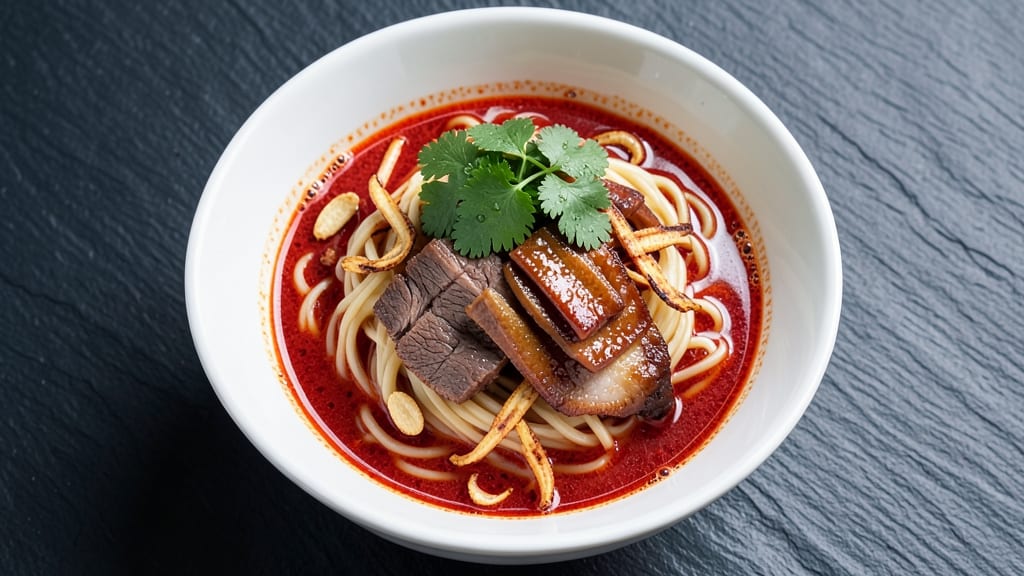
This ajisen spicy beef ramen recipe delivers a perfect marriage of bold heat and deep umami that will transform your weeknight dinners. The secret lies in balancing Ajisen sauce's fiery kick with a rich, slow-simmered broth—whether tonkotsu's creamy pork fat or shoyu's savory depth.
I've perfected this over countless batches, ensuring every spoonful delivers that addictive contrast between spicy, salty, and tender beef.
The foundation starts with a foolproof broth that builds flavor over hours, while marinated beef chashu adds melt-in-your-mouth richness. Ajisen sauce provides the signature heat, but we'll temper it with umami-packed toppings like soft-boiled eggs and menma.
The result? A ramen experience that feels like a Tokyo izakaya, but with techniques you can master at home.
What makes this recipe stand out is the harmony of textures—slippery noodles, tender beef, creamy egg yolk, and crisp nori—all coming together in one perfect bowl. The spice doesn't overpower; instead, it enhances every component, creating a balance that keeps you reaching for seconds.
Ready in about 90 minutes (mostly hands-off time), this becomes your new go-to for impressive yet approachable meals.
Whether you're serving up a casual dinner or hosting friends, this ajisen ramen delivers restaurant-quality results with a method that's surprisingly simple. The key is patience—letting flavors develop slowly while keeping the heat exciting but never overwhelming. Let's get cooking!
Ingredients for ajisen spicy beef ramen
These bold ingredients create a perfect harmony of spicy heat and rich umami for your ajisen ramen experience.
| Ingredient | Amount | Notes |
|---|---|---|
| Ajisen Sauce 🌶️ | ½ cup | High-quality Ajisen for authentic heat |
| Beef Chashu 🥩 | 1 ½ lb | Thinly sliced, marinated beef |
| Ramen Noodles 🍜 | 2 packages | Fresh or dried, 8oz each |
| Chicken or Pork Broth 💧 | 6 cups | Homemade or high-quality store-bought |
| Garlic Cloves 🧄 | 6 cloves | Minced for aromatic depth |
| Ginger Root 🌿 | 1 tbsp | Freshly grated, peeled |
| Soy Sauce 🍶 | ½ cup | Kikkoman preferred for balance |
| Sesame Oil 🫒 | 1 tbsp | Toasted for nutty aroma |
| Green Onions 🧅 | 4 whole | Sliced, for garnish |
| Soft-Boiled Eggs 🥚 | 2 whole | 6-minute cook time |
| Dried Shitake Mushrooms 🍄 | 4 pieces | Rehydrated for umami |
| Nori Sheets 🍣 | 4 sheets | For crispy garnish |
| Bamboo Shoots (Menma) 🌱 | 1 cup | Sliced, canned or fresh |
| Sesame Seeds 🥜 | 1 tbsp | Toasted for crunch |
| Salt 🧂 | 1 tsp | Kosher or sea salt |
The Ajisen sauce is non-negotiable for that signature heat—look for authentic Japanese Ajisen at Asian markets or specialty stores like H Mart. For the beef chashu, thinly sliced, marinated cuts are key; pre-sliced chashu from Trader Joe's or Costco saves time but homemade is worth it for that melt-in-your-mouth texture. The ramen noodles should be fresh if possible, but dried works in a pinch—just soak them properly. The broth is where the magic happens: homemade chicken or pork broth builds deeper flavor, but quality store-bought like Kitchen Basics or Swanson will do the trick if you're short on time.
No Ajisen sauce? Mix 2 tbsp gochujang, 1 tbsp soy sauce, and 1 tsp sugar as a quick substitute (though it won't be identical). Running out of shitake mushrooms? Dried porcini mushrooms work beautifully—just rehydrate them first. For the bamboo shoots, canned menma from the Asian aisle is the easiest option, but fresh is more flavorful. The soft-boiled eggs are a must for that creamy yolk—use room-temperature eggs for even cooking. Want extra richness? Add a splash of mirin or sake to the broth. The green onions and nori can be swapped for bean sprouts or wakame seaweed if needed, but keep those textures crisp for balance.
Store your Ajisen sauce in the fridge after opening—it keeps for about 6 months. Prep the chashu and broth ahead of time; both improve overnight. The noodles should be cooked fresh before serving, but you can prep the toppings (eggs, mushrooms, bamboo shoots) a day ahead and store them separately. Reheat the broth gently—never boil it again, or it'll turn cloudy. This ramen tastes even better the next day as flavors meld, so make extra if you can. The leftovers keep for 3 days in the fridge, and the broth can be frozen for up to 3 months if you want to stock up.
Why You'll Love This Recipe
- One-Pot Magic: Honestly, I swear by this—just toss noodles, broth, and that rich Ajisen sauce into one pot, let it simmer, then stir in the chashu. No extra bowls, no mess, and the garlic cloves sizzle right into the broth for that deep, aromatic punch.
- Spice Without Effort: Between us, Ajisen sauce does all the work here. One splash, and you’ve got that perfect balance of heat and umami—no need to fuss with multiple sauces or spice blends. The chashu melts into the broth, giving you tender, flavor-packed bites with zero extra prep.
- Meal Prep Hero: I make a big batch of broth and chashu on Sundays, then freeze it in portions. When I’m short on time, I just thaw, boil noodles, and pour. The leftovers? Even better the next day—those flavors deepen, and the noodles get that perfect chewy texture.
- Budget-Friendly Feast: This recipe stretches thin. A single pack of Ajisen sauce and a few chashu slices feed four for under $15. Plus, the broth freezes like a dream, so you’re not scrambling for last-minute takeout when you’re tired. (Yes, even on a Tuesday night.)
Step-by-step instructions for Ajisen spicy beef ramen
This bold ramen recipe balances Ajisen's fiery kick with rich umami depth—let's build it layer by layer.
Prepare the Spicy Ajisen Broth Base
In a large pot, combine the 6 cups chicken or pork broth with the 0.5 cup Ajisen Sauce and 0.5 cup soy sauce. Bring to a gentle simmer over medium-high heat until the mixture reaches 195°F—you'll notice the broth develop a deep red hue and subtle spicy aroma. This is your flavor foundation.
While the broth heats, add the 6 cloves minced garlic and 1 tbsp freshly grated ginger root. Let these aromatics infuse for 3-4 minutes until fragrant but not browned. This prevents bitterness while maximizing their flavor impact. Keep the broth simmering at 190-195°F—this maintains the Ajisen's heat without boiling away its delicate spices.
Cook the Beef Chashu and Rehydrate Mushrooms
In a separate skillet, heat 1 tbsp sesame oil over medium heat. Add the 1.5 lb beef chashu and sear for 2-3 minutes per side until caramelized. The chashu should develop a rich mahogany crust while remaining tender inside. Remove from heat and set aside.
In the same skillet, add the 4 pieces dried shitake mushrooms and 1 cup sliced bamboo shoots (menma). Pour in 1 cup hot broth from your simmering pot and let them rehydrate for 5 minutes. The mushrooms should plump up noticeably while absorbing the broth's umami. This step builds depth—don't skip it, as the mushrooms contribute essential meaty texture.
Assemble the Ramen Bowls
Divide the 2 packages ramen noodles among four bowls. Ladle 1½ cups hot broth over each portion of noodles. Let them cook for 2-3 minutes until al dente—you'll see the noodles float to the surface when ready. The broth should remain hot but not boiling to prevent overcooking.
Gently stir in the seared beef chashu and the rehydrated shitake mushrooms and bamboo shoots. Distribute evenly so each bowl gets a balanced mix of meat and vegetables. The Ajisen's heat will now permeate every bite, creating that signature spicy depth.
Garnish and Serve with Precision
Place a soft-boiled egg (cooked for exactly 6 minutes) on each bowl. The yolk should be runny while the white remains firm—this is critical for texture contrast. Top each bowl with 1 sheet nori, 1 whole sliced green onion, 1 tbsp toasted sesame seeds, and a final drizzle of 1 tsp sesame oil for nutty aroma.
Serve immediately with chopsticks and a small bowl of plain broth on the side. The contrast between the spicy Ajisen broth and the creamy egg yolk is what makes this ramen extraordinary. Each component—from the chashu's caramelized crust to the nori's crisp snap—should be experienced together for maximum harmony.
Pro Tips For Making Ajisen Spicy Beef Ramen
- CRANK THE GARLIC: Don’t just toss minced garlic into the broth—sauté whole cloves in the oil until they’re golden and popping, then smash them with the side of your knife. This adds depth without overwhelming bitterness, and the oil carries that aroma straight into your bowl. (Yes, even if you’re impatient like me, wait the full 2-3 minutes—it’s worth it.)
- SIMMER CHASHU LOW: Thinly sliced chashu turns rubbery when boiled, so poach it in just enough broth to barely cover, simmering at 160°F (71°C) for 20 minutes. If you’re short on time, slice it thicker (¼-inch) and reduce the simmer time by half—it’ll still be tender, just with more bite. (I learned this the hard way after serving chewy, sad slices.)
- DILUTE AJISEN GRADUALLY: Ajisen sauce is way more concentrated than it seems—start with half the recommended amount, taste, then add the rest slowly. Stirring it into hot broth first prevents clumping, and a splash of cold water afterward helps distribute the color evenly. (Trust me, you’ll regret dumping it all in at once.)
- UPGRADE WITH BROTH LAYERS: Skip the instant packet and build flavor in stages: First, brown 1 tbsp of the chashu fat in the pot, then add garlic, a splash of soy sauce, and a pinch of sugar. Pour in broth, simmer 15 minutes, then add Ajisen. The caramelized bits make the whole dish taste richer—it’s the thing that matters most when using store-bought broth.
Troubleshooting this dish
Broth Too Spicy?
If your Ajisen broth feels overwhelmingly hot, balance it by adding ½ cup extra chicken or pork broth to dilute the heat while maintaining flavor. For a smoother texture, whisk in 1 tbsp cornstarch mixed with 2 tbsp cold water—this gently thickens without altering the spice.
Remember, Ajisen sauce is concentrated, so start with ¼ cup if you're sensitive to heat. 🌶️
Noodles Overcooked?
Ramen noodles cook fast—watch for the 2-3 minute window when they float to the surface. If they turn mushy, your broth was too hot. Next time, use 1½ cups broth per bowl at 180°F (not boiling) and cook for exactly 2 minutes.
For extra insurance, divide noodles among bowls first, then ladle broth over them to control temperature. 🍜
Chashu Too Tough?
Your beef chashu should be tender but firm. If it's rubbery, it was overcooked or didn't marinate long enough. For next time, marinate in ¼ cup soy sauce + 1 tbsp sugar for at least 4 hours (overnight is best).
When searing, keep heat at medium-low—high heat burns the outside before the inside cooks. A meat thermometer should read 140°F at the thickest part. 🥩
Eggs Too Runny?
Perfect soft-boiled eggs need precise timing: 6 minutes in boiling water for a creamy yolk. If yours are too liquidy, try 5½ minutes next time. For consistency, use a thermometer—water should be 180°F when eggs go in.
Shock eggs in ice water immediately after cooking to stop cooking. Pro tip: Use room-temperature eggs for even cooking. 🥚
Broth Too Cloudy?
Cloudiness means your broth boiled too vigorously, breaking down proteins. Simmer at 190-195°F (gentle bubbles) and avoid stirring vigorously. For a quick fix, skim off foam with a ladle or strain through a fine-mesh sieve.
If using store-bought broth, opt for low-sodium versions—they're less likely to curdle when heated. 💧
Ajisen Flavor Fading?
Ajisen sauce loses potency over time. For maximum flavor, use freshly opened sauce and store it in the fridge after opening. If your broth tastes flat, boost it with ½ tsp garlic powder + ½ tsp smoked paprika.
For extra depth, add 1 tsp miso paste to the broth while simmering—it enhances umami without heat. 🔥
Nutrition facts
Frequently asked questions
Can I make this ajisen ramen without Ajisen sauce?
For a quick substitute, mix 2 tbsp gochujang, 1 tbsp soy sauce, and 1 tsp sugar—this will give you a similar spicy umami punch. If you want authenticity, look for ajisen sauce alternatives at Asian markets like H Mart, or blend 1 tbsp chili oil with 1 tsp miso paste for depth.
How do I adjust the spice level for kids or sensitive eaters?
Start with just ¼ cup Ajisen sauce instead of ½ cup—this reduces heat while keeping flavor. For extra mildness, add 1 tbsp honey or mirin to the broth to balance the spice. Serve with a side of plain broth for dipping to let everyone control their spice level.
Can I use pork or chicken instead of beef for the chashu?
Yes! Pork shoulder works beautifully—it stays tender when slow-cooked. For chicken, use bone-in thighs (not breast) to prevent dryness. Marinate both in ¼ cup soy sauce + 1 tbsp sugar for at least 4 hours. Cook until internal temp reaches 140°F for pork or 160°F for chicken.
What's the best way to reheat leftovers?
Reheat only the broth separately in a pot over low heat (never microwave). Add noodles and toppings just before serving to prevent sogginess. For the chashu, warm in a skillet with 1 tsp sesame oil for 1-2 minutes to restore crispiness. The egg should be reheated gently in warm water (160°F) for 30 seconds only.
How can I make this vegetarian?
Replace the beef chashu with mushroom "chashu"—marinate 1 lb king oyster mushrooms in ¼ cup soy sauce + 1 tbsp maple syrup for 4 hours, then pan-sear. Use vegetable broth and add 1 tbsp miso paste to the broth for umami. Top with tofu skin or crispy fried tofu for texture.