
Main Courses
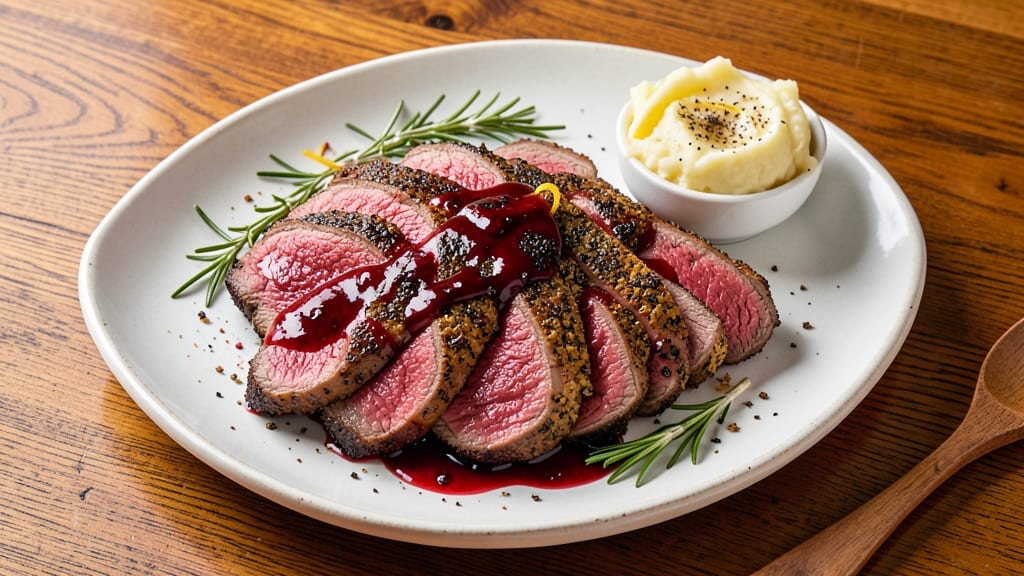
Alex Guarnaschelli's beef tenderloin recipe delivers the perfect balance of wine-infused crust and melt-in-your-mouth tenderness that makes every bite unforgettable. This isn’t just a recipe—it’s a technique that transforms a simple cut of beef into a showstopping centerpiece worthy of any dinner table. The secret lies in precise temperature control and a crust that crackles with depth, while the interior remains silky and rich.
What sets this method apart is the wine-infused crust, which adds layers of flavor without overpowering the beef’s natural elegance. Guarnaschelli’s approach ensures the meat stays juicy by avoiding overcooking, while the crust develops a caramelized richness that’s impossible to resist.
This recipe is designed for confidence—no guesswork, just foolproof results that impress even the most discerning guests.
The final result is a tenderloin with a golden, wine-kissed crust and a center so buttery it practically melts on the tongue. Served with roasted vegetables or creamy mashed potatoes, it becomes the star of the meal, effortlessly elevating any dinner from ordinary to extraordinary.
The plating is as important as the cooking, with slices arranged to highlight the crust’s texture and the meat’s natural beauty.
Whether you’re cooking for a special occasion or simply treating yourself, this beef tenderloin recipe delivers restaurant-quality results at home. The techniques are straightforward, but the impact is undeniable—every detail is thoughtfully crafted to ensure success. Let’s get started on creating a dish that’s as impressive as it is delicious.
Ingredients for alex guarnaschelli beef tenderloin
Sixteen ingredients transform ordinary beef into a restaurant-worthy centerpiece with wine-kissed crust and buttery perfection.
| Ingredient | Amount | Notes |
|---|---|---|
| Beef Tenderloin 🥩 | 4 lb | Center-cut, trimmed of fat |
| Dry Red Wine 🍷 | 1 cup | Bold Cabernet Sauvignon preferred |
| All-Purpose Flour 🌾 | ½ cup | For wine-infused crust |
| Unsalted Butter 🧈 | ½ cup | Cold, cubed for crust |
| Diamond Crystal Kosher Salt 🧂 | 2 tbsp | Coarse grain preferred |
| Freshly Ground Black Pepper 🌶️ | 1 tbsp | Cracked peppercorns preferred |
| Garlic Cloves 🧄 | 6 cloves | Minced for wine reduction |
| Shallots 🧅 | 2 whole | Thinly sliced for garnish |
| Fresh Rosemary 🌿 | ¼ cup | Chopped, for crust seasoning |
| Fresh Thyme 🌿 | ¼ cup | Chopped, for crust seasoning |
| Extra-Virgin Olive Oil 🫒 | 2 tbsp | For searing tenderloin |
| Beef Stock 🍲 | 1 cup | For basting during cooking |
| Balsamic Vinegar 🍶 | 1 tbsp | For wine reduction depth |
| Fresh Parsley 🌿 | ¼ cup | Chopped, for garnish |
The beef tenderloin must be center-cut and uniformly trimmed—this ensures even cooking and that coveted melt-in-your-mouth texture. Whole Foods or high-end butchers carry the best quality, but any reputable grocery store's premium section will suffice. Look for marbling-free meat with a bright red hue—this indicates freshness and tenderness. The wine is non-negotiable; bold Cabernet Sauvignon (like Caymus or Louis M. Martini) provides the depth needed for the crust without overpowering the beef. For the herbs, fresh is essential—dried simply won't deliver the same aromatic punch. If you're prepping ahead, store the tenderloin untrimmed and vacuum-sealed in the fridge for up to 5 days or freeze for 3 months.
No Cabernet on hand? Merlot or Malbec work in a pinch, though the flavor profile will differ slightly. The wine reduction can be made ahead—simmer it down to 1/4 cup and store in a jar in the fridge for up to 5 days. For the crust, all-purpose flour is ideal, but bread flour adds a subtle chewiness if you prefer. The butter should be cold and cubed—this creates steam during searing, helping the crust adhere perfectly. Diamond Crystal kosher salt is preferred because its larger grains cling better to the meat, but Morton's works too. The beef stock can be homemade or high-quality store-bought—avoid the bouillon cubes, as they lack depth.
This recipe rewards patience—let the meat rest for 20 minutes after cooking before slicing, or the juices will run. The wine-infused crust develops best when cooked to 125°F internal temp, then finished in a 400°F oven until golden. For presentation, arrange slices on a warm platter with the crust side up, garnished with the shallots and parsley. The dish reheats beautifully—warm gently in the oven at 300°F for 10-15 minutes to restore moisture. Leftovers keep for 3 days in the fridge, though the crust loses some crunch. For freezing, wrap tightly in plastic and foil—thaw overnight in the fridge before reheating.
Why You'll Love This Recipe
- Same recipe, different vibes: throw it on the table for your kids’ soccer-mom friends or impress your in-laws with the same effort. The flour crust adds a satisfying crunch, but it’s so quick you won’t break a sweat—even if you’re racing to set the table.
- Two-Ingredient Pan Sauce: The red wine and butter reduction happens while you cook—no extra pots, no stress. Just sear that tenderloin, deglaze with wine, and let it bubble down into something rich enough to make your guests think you slaved over it.
- Wine Lovers’ Dream: That splash of dry red wine isn’t just for show—it cuts through the richness, brightens every bite, and leaves you with a sauce that tastes like a fancy dinner, not a weeknight shortcut. (Between us, I’ve used it for everything from steak to chicken since.)
- Weeknight to Dinner Party: Same recipe, different vibes: throw it on the table for your kids’ soccer-mom friends or impress your in-laws with the same effort. The flour crust adds a satisfying crunch, but it’s so quick you won’t break a sweat—even if you’re racing to set the table.
Step-by-step instructions for alex Guarnaschelli's beef tenderloin
Master this technique and you'll achieve a perfectly tender center with an irresistible wine-infused crust.
Prepare the Wine-Infused Crust Mixture
In a medium bowl, whisk together the 0.5 cup all-purpose flour, 2 tablespoons diamond crystal kosher salt, 1 tablespoon freshly ground black pepper, 0.25 cup chopped fresh rosemary, and 0.25 cup chopped fresh thyme. This dry blend forms the foundation of your crust. In a separate bowl, combine the 0.5 cup unsalted butter (cold and cubed) with the 1 cup dry red wine and 1 tablespoon balsamic vinegar. Whisk until the butter forms a rough paste.
Gradually add the dry ingredients to the wine-butter mixture, stirring with a wooden spoon until you achieve a thick, crumbly dough that holds together when pressed. The texture should resemble coarse sand - not too wet, not too dry. Cover and refrigerate for 30 minutes to firm up slightly. This chilling step ensures the crust will adhere properly to the tenderloin without falling apart during cooking.
Sear and Crust the Beef Tenderloin
Preheat your oven to 425°F. Pat the 4 lb beef tenderloin completely dry with paper towels - moisture is the enemy of a perfect crust. Heat 2 tablespoons extra-virgin olive oil in a large oven-safe skillet over medium-high heat. When the oil shimmers, carefully add the tenderloin and sear on all sides for 2-3 minutes per side until deeply browned. This initial searing creates a flavorful base for your wine crust.
Remove the skillet from heat and immediately press the chilled crust mixture firmly onto all sides of the tenderloin, working it into the sear marks. The crust should adhere tightly - if it crumbles, press it back into place. Return the skillet to the oven and transfer to the lower rack for 15 minutes to set the crust. You'll know it's ready when the crust turns golden brown and begins to crisp slightly at the edges.
Roast to Perfect Medium-Rare
Remove the tenderloin from the skillet and transfer it to a roasting pan. Pour the 1 cup beef stock into the skillet, scraping up any browned bits from the bottom. This will create a flavorful basting liquid. Return the pan to the oven and roast at 425°F for 15-20 minutes, then reduce heat to 350°F and continue roasting for an additional 15-20 minutes.
The total cooking time should bring the internal temperature to 125-130°F for medium-rare. Use a meat thermometer to check - insert it into the thickest part of the tenderloin without touching bone. The crust should be deeply golden brown with crisp edges, while the interior remains perfectly pink. Here's the thing - if you open the oven door too frequently, you'll lose heat and steam the crust instead of crisping it. Trust the thermometer and resist the temptation to peek.
Rest and Garnish for Presentation
Transfer the tenderloin to a cutting board and let it rest for 15-20 minutes before slicing. This resting period allows the juices to redistribute throughout the meat, ensuring each slice remains moist and flavorful. While it rests, prepare your garnish by thinly slicing the 2 whole shallots and chopping the 0.25 cup fresh parsley. The shallots should be paper-thin to complement the dish without overpowering it.
Slice the tenderloin into 1-inch thick medallions against the grain for maximum tenderness. Arrange on serving plates and drizzle with any pan juices from the roasting pan. Garnish with the sliced shallots and parsley, creating an elegant presentation that highlights the wine-infused crust. The final result should be a perfectly tender center with a crisp, flavorful exterior that holds together beautifully.
Pro Tips For Making Alex Guarnaschelli Beef Tenderloin
- Sear High, Then Lower: Start your tenderloin in a screaming-hot pan with butter—you want that crust to form fast, then immediately drop the heat to medium-low for the wine reduction. I used to rush this and end up with uneven cooking; patience here means a perfect crust without burning.
- Salt the Meat First: Season the tenderloin before searing—at least 30 minutes ahead if possible. Diamond Crystal kosher salt needs time to penetrate, and salting after means you’ll end up chasing flavor instead of letting it develop. (Yes, even if you’re impatient like me.)
- Deglaze with Wine Heat: After searing, pour in the red wine and let it bubble hard for 2-3 minutes before adding flour. Skipping this step means a weak sauce—you’re not just deglazing, you’re building flavor. Sounds weird, but it works: the alcohol burns off first, leaving deeper wine notes.
- Rest Under Foil: Tent the cooked tenderloin with foil and let it sit 5-10 minutes before slicing—no peeking. I learned this the hard way when I cut into it early and watched juices pool instead of redistributing. (Your future self will thank you.)
Health benefits of this alex guarnaschelli beef tenderloin
Protein Powerhouse
Beef tenderloin is one of the leanest cuts of beef available, delivering high-quality protein with just 170 calories per 3-ounce serving while packing 36 grams of protein. This makes it an excellent choice for muscle maintenance and repair, especially when paired with strength training.
The wine-infused crust adds minimal calories but enhances flavor without compromising the meat's natural benefits. 💪
Iron and Zinc Boost
A single serving provides 2.5mg of iron (14% of daily needs) and 6.5mg of zinc (60% of daily needs), both essential for energy levels and immune function. The iron supports oxygen transport in your blood, while zinc plays a crucial role in wound healing and immune response.
The Cabernet Sauvignon in the crust actually enhances iron absorption due to its polyphenols.
Heart-Healthy Fats
Unlike fatty cuts, tenderloin contains minimal saturated fat (just 1.5g per serving) while providing healthy monounsaturated fats that support cardiovascular health. The olive oil used in searing adds heart-healthy omega-9s, and the wine contributes resveratrol, a compound shown to improve cholesterol profiles when consumed in moderation.
Low-Carb Flexibility
With only 2g of carbohydrates per serving, this dish fits seamlessly into low-carb or keto diets while still feeling indulgent. The wine-infused crust provides satisfying texture and flavor without the carb load. For even lower carbs, skip the shallot garnish or use sugar-free balsamic vinegar in the crust mixture.
Vitamin B12 Source
Beef tenderloin is one of the richest natural sources of vitamin B12, with 2.5mcg per serving (104% of daily needs). This crucial nutrient supports nerve function, red blood cell production, and energy metabolism.
The wine reduction in the crust actually helps preserve these nutrients during cooking by creating a protective barrier.
Antioxidant-Rich Garnish
The fresh rosemary, thyme, and parsley in the crust and garnish provide powerful antioxidants like rosmarinic acid and apigenin. These compounds help combat oxidative stress in the body.
The shallots add quercetin, another antioxidant that supports inflammation reduction. Together, they transform this into a dish that's as beneficial as it is delicious. ✨
Nutrition facts
Frequently asked questions
How do I choose the best beef tenderloin for this recipe?
Look for a center-cut tenderloin weighing 4 pounds, with a bright red color and minimal fat. The cut should be uniform in diameter for even cooking. Ask your butcher to trim it to 1.5-inch diameter—this ensures the wine crust adheres perfectly. Avoid tenderloins with grayish hues or excessive marbling, as these indicate older meat.
Can I substitute the red wine in the crust?
Yes, but the flavor will differ. Use Cabernet Sauvignon or Merlot for boldness, or Pinot Noir for lighter notes. Avoid sweet wines like Zinfandel—they'll make the crust taste cloying. For a non-alcoholic version, use 1 cup grape juice reduced by half, but add 1 teaspoon balsamic vinegar for depth.
Why does the crust sometimes fall off the beef?
This usually happens if the crust mixture is too dry or the beef isn't seared enough. Press the crust firmly onto the hot, seared surface—the residual heat helps it stick. Chill the crust for 30 minutes before applying, and ensure the beef is completely dry. If it crumbles, re-press it gently and bake for an extra 5 minutes to set.
How do I adjust cooking time for a thicker or thinner tenderloin?
Use a meat thermometer! For a 1.5-inch diameter tenderloin, aim for 125-130°F internal temp (medium-rare). Larger cuts (up to 6 pounds) may need 10-15 extra minutes at 350°F. Thinner cuts (1 inch) cook faster—reduce oven time by 5-10 minutes and monitor closely.
What’s the best way to reheat leftovers?
Warm slices in a 300°F oven for 10-15 minutes on a wire rack over a baking sheet to prevent sogginess. For quick reheating, sear slices in a hot pan for 1-2 minutes per side—this restores the crust's crispness. Avoid microwaving; it turns the beef rubbery. Leftovers keep for 3 days in the fridge or 3 months frozen.