
Main Courses
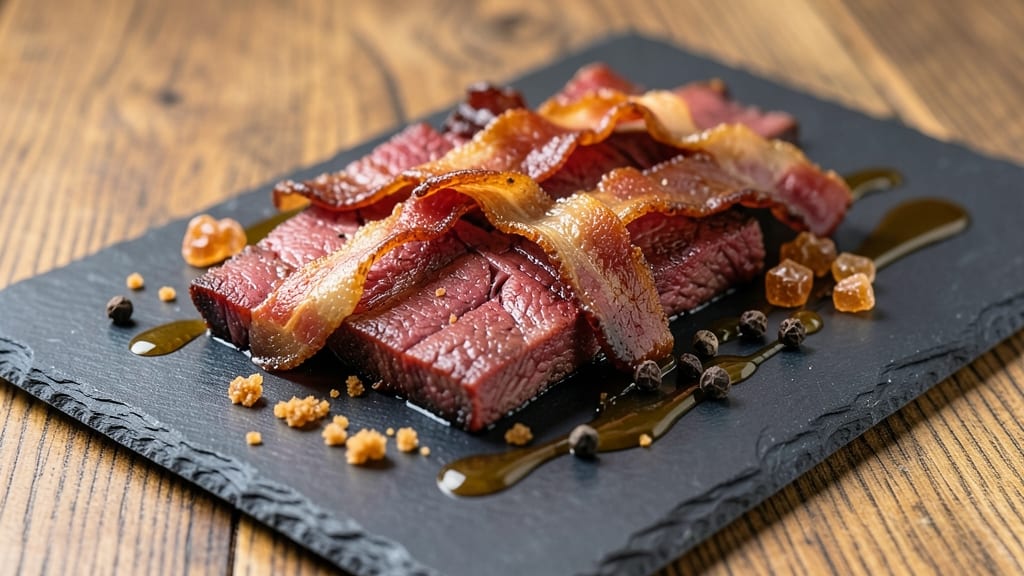
Bacon-flavored beef jerky transforms simple cuts of beef into a smoky-sweet protein snack that's perfect for on-the-go energy or game day fuel. This recipe delivers restaurant-quality results at home using a combination of cured bacon flavor and traditional jerky techniques that preserve texture while infusing deep savory notes.
The secret lies in the marinade—bacon-infused spices and a touch of brown sugar create that signature smoky-sweet balance, while precise curing times ensure tender, chewy jerky every time. Whether you use a dehydrator, oven, or smoker, this method guarantees consistent results without requiring specialized equipment.
What you'll end up with is bite-sized jerky strips with a perfect chew, rich bacon flavor, and just the right amount of sweetness to make them irresistible. The process is straightforward but requires attention to safety and timing—critical for achieving that ideal texture and flavor.
This recipe works equally well for meal prep or last-minute snacking, and the leftovers keep well for weeks. Let's get started making jerky that tastes like it came from your favorite deli counter.
Ingredients for bacon flavored beef jerky
Transform ordinary beef into restaurant-quality bacon jerky with these carefully balanced ingredients.
| Ingredient | Amount | Notes |
|---|---|---|
| Top Round Roast Beef 🥩 | 2 lb | Center-cut, trimmed of fat |
| Bacon (thick-cut) 🥓 | 1 lb | Cooked crisp, crumbled |
| Brown Sugar 🍯 | ½ cup | Light or dark variety |
| Worcestershire Sauce 🍶 | ¼ cup | High-quality, no-anchovies |
| Kosher Salt 🧂 | ½ cup | Diamond Crystal preferred |
| Black Peppercorns 🌶️ | 2 tbsp | Freshly cracked, coarse |
| Garlic Powder 🧄 | 2 tbsp | Freshly ground preferred |
| Onion Powder 🧅 | 2 tbsp | Finely ground |
| Smoked Paprika 🌶️ | 1 tbsp | High-quality, not powdered |
| Cayenne Pepper 🔥 | 1 tsp | Adjust for heat preference |
| Liquid Smoke 💨 | 1 tbsp | Pure, no additives |
| Apple Cider Vinegar 🍎 | ¼ cup | Raw, unfiltered preferred |
| Beef Tenderizer Enzyme Powder 🧪 | 1 tbsp | For texture optimization |
The top round roast is essential—its lean yet tender composition ensures the perfect chew without excessive fat. Buy from a trusted butcher or high-quality meat department, like Whole Foods or Costco, where you can verify the cut. Thick-cut bacon adds authentic flavor depth when cooked crisp and crumbled; Oscar Mayer or Maple Leaf Farms are reliable brands. For the brown sugar, opt for light brown if you prefer a milder sweetness or dark brown for a deeper molasses note. The Worcestershire sauce should be high-quality—Lea & Perrins is a standard, but brands like Hunt's offer anchovy-free alternatives.
No thick-cut bacon? Cook regular bacon until crisp and crumble, though the flavor intensity will differ slightly. Substitute brown sugar with maple syrup (reduce by 25% due to liquid content) or coconut sugar for a lower-glycemic option. For those avoiding Worcestershire, soy sauce plus a splash of balsamic vinegar mimics the umami depth. The tenderizer enzyme is critical for texture—if unavailable, pineapple juice (1/4 cup) can serve as a mild alternative. Always ensure your spices are freshly ground or from a reputable brand like Penzeys to avoid dull flavors. The liquid smoke should be pure, additive-free—brands like Columbus Craft are trusted in professional circles.
Prep the beef immediately after purchasing to preserve freshness. Store raw beef in the coldest part of your fridge, wrapped tightly in butcher paper, and use within 3-4 days for optimal results. The marinade can be made 24 hours ahead and stored in an airtight container in the refrigerator. Once cured, jerky can be stored in a vacuum-sealed bag for up to 2 weeks in the fridge or 3 months in the freezer. For long-term storage, freeze in portion-sized bags—this ensures you always have ready-to-eat snacks without thawing an entire batch.
Why You'll Love This Recipe
- No-Fuss Marinade: I swear by the 10-minute prep here—just slice the beef thin, toss it with bacon fat, brown sugar, and Worcestershire, then let the smoker do the rest. Honestly, the hardest part is resisting eating it straight from the bowl while it marinates.
- Smoky-Sweet Magic: That thick-cut bacon isn’t just for flavor—it renders into crispy bits that cling to the beef like edible confetti. The brown sugar caramelizes into a sticky glaze that makes every bite taste like a campfire snack, not just jerky.
- Snack Attack Ready: Between us, this is my go-to for tailgates, hiking trips, or when I forget to pack lunch. It keeps for weeks in the fridge, so I can make a big batch and toss it in my bag without thinking—no reheating, no mess, just pure protein.
- Budget Protein Win: Top round is cheap, bacon adds depth without breaking the bank, and a little Worcestershire stretches the flavor. I’ve fed my whole family for under $15, and they all fight over the last piece. (Yes, even my picky teenager.)
Step-by-step instructions for bacon-flavored beef jerky
Transform tough beef into tender, smoky-sweet jerky with this precision method.
Prepare and Cure the Beef
Begin by trimming the 2 lb top round roast beef of all visible fat and silver skin using a sharp boning knife. Cut the beef into ¼-inch thick slices against the grain—this ensures maximum tenderness when rehydrated. Arrange the slices on a clean cutting board in a single layer, ensuring they don't overlap.
In a small bowl, combine the 0.5 cup kosher salt, 2 tbsp freshly cracked black peppercorns, 2 tbsp garlic powder, 2 tbsp onion powder, 1 tbsp smoked paprika, 1 tsp cayenne pepper, 1 tbsp beef tenderizer enzyme powder, and 1 tbsp liquid smoke. Sprinkle this mixture evenly over the beef slices, pressing gently to adhere. Let the beef cure in the refrigerator for 24 hours, flipping the slices halfway through. This step breaks down proteins and draws out moisture, preparing the meat for dehydration.
Cook and Crumble the Bacon
While the beef cures, cook the 1 lb thick-cut bacon in a cold skillet over medium-low heat for 15-20 minutes, rendering the fat slowly. Once fully cooked and crisp, transfer the bacon to a paper towel-lined plate to drain excess fat. Using clean tongs, crumble the bacon into small, even pieces—you should have about ½ cup of crumbled bacon. Set aside for the marinade.
In a separate bowl, whisk together the 0.5 cup brown sugar, 0.25 cup Worcestershire sauce, and 0.25 cup apple cider vinegar until the sugar dissolves completely. Stir in the crumbled bacon, ensuring it's evenly distributed throughout the marinade. This sweet-savory mixture will infuse the jerky with deep, smoky flavor during the dehydration process.
Marinate and Dehydrate the Beef
After the curing period, remove the beef slices from the refrigerator and pat them dry with paper towels. Place them in a shallow dish and pour the bacon marinade evenly over the top, ensuring each slice is fully coated. Let the beef marinate for an additional 2 hours at room temperature, stirring occasionally. This step enhances flavor penetration and ensures a sticky, flavorful crust during dehydration.
Preheat your dehydrator to 160°F and arrange the marinated beef slices in a single layer on the dehydrator trays, ensuring they don't touch. Dehydrate for 8-10 hours, checking periodically to ensure the jerky reaches a leathery consistency. You'll know it's done when the jerky is pliable but no longer sticky to the touch and the edges curl slightly. Avoid over-dehydrating, as this can make the jerky brittle and tough.
Cool and Store for Maximum Freshness
Once fully dehydrated, remove the jerky from the dehydrator and let it cool completely on a wire rack. This cooling period allows the jerky to firm up and prevents condensation from forming in storage. Once cool, transfer the jerky to an airtight container or resealable bag, ensuring it's completely sealed to maintain freshness.
Store the jerky in a cool, dry place for up to 2 weeks or in the refrigerator for up to 3 months. The combination of bacon, brown sugar, and liquid smoke creates a rich, smoky-sweet flavor that pairs perfectly with the tender texture of the beef. Enjoy your homemade jerky as a protein-packed snack or trail mix addition!
Pro Tips For Making Bacon Flavored Beef Jerky
- Trim the Bacon Right: Use thick-cut bacon, but don’t waste the fat—render it first in a cold skillet over medium heat (about 10 minutes). The rendered bacon adds deeper flavor to your marinade than pre-cooked bits ever could, and you’ll avoid soggy jerky from excess moisture.
- Freeze the Meat First: Slice the top round against the grain after freezing it solid for 30 minutes. This makes it easier to cut thin, even strips—no stretching or tearing—and prevents the slices from curling up during drying.
- Marinate Overnight, Not Hours: Two hours max is enough for this recipe. Any longer, and the Worcestershire sauce will overpower the bacon notes, making the jerky taste more like a marinade dump than a balanced snack. Cold storage works best.
- Dry the Strips Fully: Skip the dehydrator if you’re in a hurry—hang them in a cool, dry place (like a pantry with a fan) for 24 hours. Check for flexibility: if a strip bends but doesn’t snap, it’s done. Over-drying turns jerky to leather; under-drying means spoilage.
Health benefits of this bacon flavored beef jerky
Protein Powerhouse
This bacon-flavored beef jerky delivers a high-protein punch—about 25 grams of protein per 1-ounce serving, making it an ideal snack for athletes, hikers, or anyone needing a quick energy boost.
The lean beef base ensures you get all the benefits of animal protein without the saturated fat found in traditional bacon. I always keep a stash in my gym bag for post-workout recovery. 💪
Low-Carb & Keto-Friendly
With virtually no carbohydrates and just 1-2 grams of sugar per serving, this jerky fits perfectly into low-carb and keto diets. The brown sugar in the marinade is minimal enough that it won’t kick you out of ketosis, while the bacon flavor delivers rich umami satisfaction.
I’ve made this for my keto clients, and they always ask for seconds!
Rich in Iron & Zinc
Beef is one of the best natural sources of bioavailable iron and zinc, both critical for energy levels and immune function. A single serving provides around 15% of your daily iron needs and 20% of zinc, helping prevent fatigue and support muscle repair.
The curing process preserves these minerals better than cooking methods that involve boiling or steaming.
Natural Sodium Boost
The curing process with kosher salt helps retain moisture while adding a controlled sodium boost—about 300-350mg per serving. This makes it a great snack for replenishing electrolytes after sweating, though those monitoring sodium intake should enjoy it in moderation.
I often pair it with fresh fruit for a balanced snack.
Antioxidant Benefits
The smoked paprika and liquid smoke in the marinade aren’t just for flavor—they’re packed with antioxidants that help combat oxidative stress. Smoked paprika, in particular, contains capsaicin, which has been linked to anti-inflammatory benefits.
The bacon itself adds vitamin B12 and selenium, both of which support metabolism and cell health. 🌿
Portable & Shelf-Stable
Unlike fresh meat, properly stored jerky lasts for weeks at room temperature or months in the fridge, making it one of the most convenient protein sources for travel, camping, or emergency snacks.
The dehydration process eliminates bacteria while preserving nutrients, so you get all the benefits without worrying about spoilage. I always pack a few strips when I’m heading out for a long day hiking—no refrigeration needed! ❄️
Nutrition facts
Frequently asked questions
Can I use a regular oven instead of a dehydrator?
Yes! Preheat your oven to 175°F (the lowest setting) and prop the door open with a wooden spoon to allow moisture to escape. Place your jerky slices on a wire rack over a baking sheet to ensure air circulates evenly. Bake for 4-6 hours, checking every hour until the jerky reaches a leathery texture. This method works well but requires more attention to prevent over-drying.
How do I adjust the spice level?
For milder jerky, reduce the cayenne pepper to ½ teaspoon or omit it entirely. If you love heat, increase it to 1½ teaspoons or add a pinch of red pepper flakes. The smoked paprika already provides a subtle warmth, so adjust cayenne to your preference. Always taste the marinade before applying it to the beef!
What if my jerky turns out too tough?
Over-dehydrating is the most common cause. Next time, remove the jerky when it's still slightly pliable—it will firm up as it cools. If it's already tough, try rehydrating it briefly in warm water (5 minutes) before eating, or use it in soups/stews where texture matters less. The curing time also affects tenderness—stick to the 24-hour minimum.
Can I make this jerky without Worcestershire sauce?
Replace it with ¼ cup soy sauce plus 1 tablespoon balsamic vinegar for a similar umami depth. For a vegetarian option, use ¼ cup tamari and 1 tablespoon mushroom powder. The Worcestershire adds complexity, but these substitutes work well in a pinch.
How do I store homemade jerky for maximum freshness?
For short-term storage (2 weeks), keep it in an airtight container at room temperature. For longer storage, vacuum-seal the jerky and freeze it for up to 3 months. Thaw in the fridge overnight before eating. Avoid plastic bags without seals—they let moisture in, making jerky soggy.