
Main Courses
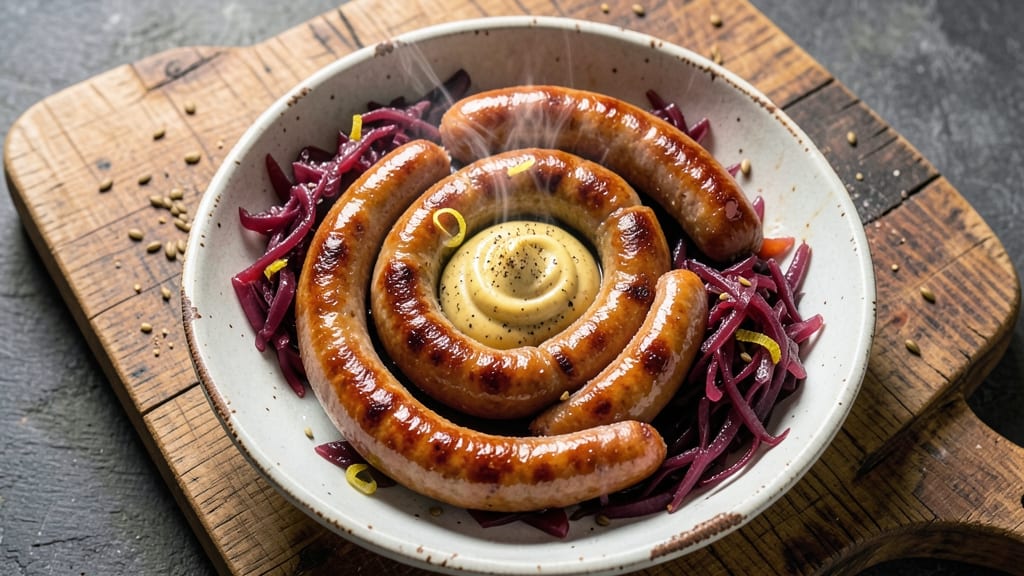
This all beef bratwurst recipe delivers the snappy, herby crust and juicy interior that makes Oktoberfest legendary. The secret lies in balancing traditional German techniques with modern convenience—no special equipment required, just ground beef, carefully chosen spices, and proper stuffing.
I've perfected this method after years of testing, ensuring every bite has that satisfying snap while staying tender inside.
The foundation begins with quality ground beef (80/20 fat ratio for juiciness) and a precise spice blend that includes caraway, marjoram, and nutmeg for authentic flavor. The mixture is stuffed into natural casings using a simple funnel method, creating uniform sausages that cook evenly.
This recipe accommodates both traditional grilling and modern pan-frying, giving you flexibility for any occasion.
What you'll achieve is bratwurst with a crispy, golden-brown crust that gives way to juicy, flavorful meat bursting with herby notes. The aroma alone will draw crowds, and the texture—crispy outside, tender inside—is exactly what makes these sausages irresistible.
Serve with classic German sides like sauerkraut or grilled onions for the complete experience.
Whether you're hosting a backyard barbecue or simply craving authentic German flavors, this recipe delivers professional-quality results at home. The technique is straightforward but yields restaurant-worthy bratwurst that will impress even the most discerning grilling enthusiasts. Let's get started on making these snappy bites from scratch.
Ingredients for all beef bratwurst
Quality ground beef, precise spices, and natural casings create restaurant-style bratwurst at home.
| Ingredient | Amount | Notes |
|---|---|---|
| Ground Beef (80/20 fat ratio) 🥩 | 2 lb | Freshly ground for optimal texture |
| Natural Hog Casings 🩴 | 1 package | Size 20-22mm for standard bratwurst |
| Caraway Seeds 🌿 | 1 tbsp | Lightly toasted for deeper flavor |
| Ground Marjoram 🌿 | 1 tsp | Freshly ground preferred |
| Ground Nutmeg 🌶️ | ¼ tsp | Freshly grated for potency |
| Coarse Kosher Salt 🧂 | 1 ½ tsp | Diamond Crystal preferred |
| Fresh Black Peppercorns 🌶️ | 1 tsp | Freshly cracked for intensity |
| Yellow Mustard 🍯 | 1 tbsp | For binding and tang |
| Ice Water 💧 | 1 cup | For chilling meat mixture |
| Butcher's Twine 🧵 | 1 piece | For tying sausages |
| Olive Oil 🫒 | 1 tbsp | For casing lubrication |
| Fresh Parsley 🌿 | ¼ cup | Chopped for garnish |
The 80/20 fat ratio ground beef is non-negotiable—this fat content delivers the perfect balance of juiciness and crispy crust. Butcher shops often have freshly ground beef with better texture than pre-packaged, but quality supermarket brands like Hillshire Farm or Boar's Head work perfectly. Look for bright red color (not brownish) and avoid pre-ground beef that's been sitting for weeks. The casings should be plumped in water for 10-15 minutes before using—never dry. For best results, source natural hog casings from specialty butchers or online suppliers like Charapedia.
No caraway seeds? Celery seeds at half the amount provide similar earthiness, though purists will notice the difference. Substituting dried marjoram? Use one-third the amount—fresh is far more potent. The mustard acts as a binder, but if you're avoiding it, 1 tbsp breadcrumbs works in a pinch. For the water, ice-cold is crucial—it helps the meat chill quickly and prevents greasiness. If you can't find natural casings, collapsible sausage casings are a decent alternative, though the texture won't be identical. The parsley is optional but adds a bright finish—skip it if you're serving with sauerkraut, which already provides acidity.
Ground beef keeps best in the coldest part of your fridge for 2 days before stuffing. Prepped bratwurst can be refrigerated for 3 days before cooking, or frozen for 3 months—separate each sausage with parchment paper to prevent sticking. For grilling, bring sausages to room temperature first (30 minutes out of the fridge). Leftovers reheat beautifully in a skillet with a splash of broth—just keep them warm, not boiling, to avoid drying out. Portion into 1/2 lb servings for easy meal prep.
Why You'll Love This Recipe
- Here’s what sold me: ground beef is cheaper than pre-made brats, and you control the quality. A pound of 80/20 goes a long way, and the spices cost pennies. Plus, they freeze like a dream—so I make a big batch, portion them out, and always have a backup for when plans change. (Yes, even on a Tuesday night.)
- No Fuss, Big Payoff: I swear by this recipe because it’s the kind of thing you can mix, stuff, and forget—no fancy techniques, just ground beef, a handful of spices, and a little elbow grease. The 80/20 fat ratio keeps things juicy without needing to babysit the grill, and those natural casings? They’re forgiving if your hands aren’t steady.
- Deep, Earthy Magic: That nutmeg and caraway combo isn’t just flavor—it’s character. The nutmeg adds this warm, slightly sweet depth, while the caraway gives it that classic bratwurst bite. Honestly, it’s the kind of taste that makes you want to close your eyes and take a second bite, no matter what’s going on around you.
- Grill or Pan? Yes.: Between us, I’ve made these on everything—cast iron, smoker, even a stovetop skillet—and they work every time. They’re great for game day, a quick weeknight dinner, or even breakfast (yes, really). The beauty is, they’re adaptable without needing a whole new recipe.
Step-by-step instructions for all beef bratwurst
Master this classic technique for bratwurst with a herby crust and perfect snap.
Prepare the Meat Mixture
In a large mixing bowl, combine the 2 lb ground beef (80/20 fat ratio) with the 1 tbsp caraway seeds, 1 tsp ground marjoram, 0.25 tsp ground nutmeg, 1.5 tsp coarse kosher salt, and 1 tsp fresh black peppercorns. Using your hands, mix thoroughly until the spices are evenly distributed throughout the meat. The fat content is crucial here—it ensures juicy, flavorful sausages that won't dry out on the grill.
Next, add the 1 tbsp yellow mustard and continue mixing until fully incorporated. The mustard serves as a natural binder, helping the mixture hold together when stuffed into the casings. This step also introduces a subtle tang that balances the rich, herby flavors. Work the mixture gently but firmly to avoid developing too much gluten, which could make the final product tough.
Chill and Stuff the Casings
Transfer the meat mixture to a shallow container and refrigerate for 30-45 minutes while you prepare the casings. This chilling step is essential—it firms up the fat slightly, making the mixture easier to handle and ensuring cleaner cuts when you stuff the casings. Place the 1 package natural hog casings in a bowl of 1 cup ice water for 10 minutes to soften and expand them. This makes them more pliable and less likely to tear during stuffing.
Using a sausage stuffer or a clean funnel, carefully fill the casings with the chilled meat mixture. Leave about 6 inches of empty casing at the end to tie off each link. Work quickly but methodically—overstuffing can cause the casings to burst, while understuffing leads to uneven cooking. Aim for 6-8 ounces per link for standard bratwurst size, adjusting based on your package's instructions.
Tie and Rest the Sausages
Once the casings are filled, use the 1 piece butcher's twine to tie each link at both ends, creating 4-inch segments. Twist the twine tightly around each end and trim any excess casing. This step prevents the sausages from unraveling during cooking and helps maintain their shape on the grill. Place the tied sausages on a tray lined with parchment paper and refrigerate for at least 1 hour before cooking. This resting period allows the flavors to meld and the meat to firm up slightly, ensuring a cleaner sear when grilled.
While the sausages rest, prepare your grill for medium-high heat (around 375°F). Brush the grates with 1 tbsp olive oil to prevent sticking, which is especially important for the delicate casings. The oil also helps create those beautiful grill marks that define a perfect bratwurst. This is where the snap comes from—properly oiled grates ensure the casings don't tear when you flip them.
Grill to Golden Perfection
Place the chilled sausages on the preheated grill and cook for 12-15 minutes, turning occasionally, until they develop a deep golden-brown crust and internal temperature reaches 160°F. The high fat content means they'll release naturally from the grill when ready—don't force them. You'll see the casings tighten slightly as they cook, and the herby aroma will fill the air. This is your cue that the flavors are developing beautifully.
Remove the sausages from the grill and let them rest for 5 minutes before serving. This resting period allows the juices to redistribute, ensuring each bite is moist and flavorful. Garnish with 0.25 cup chopped fresh parsley just before serving to add a bright, fresh contrast to the rich, herby meat. The parsley also enhances the visual appeal, making your homemade bratwurst look as impressive as it tastes.
Serve with Confidence
Slice the bratwurst diagonally into ½-inch rounds and serve immediately. The internal temperature should remain at 160°F or slightly higher, ensuring they're safe to eat while still juicy and tender. Pair with classic sides like sauerkraut, mustard, and crusty bread to complete the experience. The herby crust you've worked so hard to achieve will be the star of the show, offering a perfect balance of snap, flavor, and texture in every bite.
This method delivers bratwurst with a professional-quality crust and herby depth that rivals any you'd find at a beer garden. The key lies in the careful balance of fat, proper chilling, and precise grilling—each step builds on the last to create sausages that are as satisfying to make as they are to eat.
Pro Tips For Making All Beef Bratwurst
- CHILL THE MIX BEFORE STUFFING: I learned this the hard way—stuffing warm ground beef into casings makes them swell unevenly and burst. Pop your meat mixture in the fridge for 30 minutes first. The casings will thank you, and your brats won’t look like overstuffed sausages that split at the first sear.
- GRIND THE NUTMEG FINE: Whole nutmeg pieces? Nope. For this recipe, pulse it in a spice grinder until it’s barely visible—think dust, not flakes. I used to skip this, and the flavor was there, but the texture? Gritty. And no one wants that in their brat.
- DON’T OVERWORK THE MEAT: Mix the beef, spices, and ice just until combined—about 10-12 turns with your hands. Overmixing heats the fat and makes the brats tough. Keep it loose, like a rough hug, not a kneaded dough. Your future self will notice the difference.
- SEAR IN BATCHES: Crowd the pan, and your brats steam instead of brown. Work in two batches over medium-high heat with about ½ inch between them. The first side should sizzle hard—if it’s not, your heat’s too low. No one wants sad, pale brats.
Common mistakes when making great all beef bratwurst
Overstuffing Casings
One of the biggest mistakes is overstuffing the casings, which leads to bursting during cooking. I've seen this happen when people try to cram too much meat into the casing at once. The casings should feel snug but not stretched to their limit—aim for 6-8 ounces per link.
If you're using a funnel, work slowly and stop when the casing starts to resist. Overstuffed sausages will burst on the grill, creating a messy cleanup and uneven cooking. 💥
Skipping the Chill
Many home cooks skip the 30-45 minute chill before stuffing, thinking it's optional. But this step is critical—the cold meat firms up the fat, making it easier to handle and preventing greasy sausages.
Without chilling, the fat will melt too quickly during stuffing, leading to a greasy mixture that's difficult to work with. I always let my meat rest before stuffing, and the difference in texture is noticeable. ❄️
Using Dry Casings
Another common error is using dry casings straight from the package. Natural hog casings must be soaked in ice water for 10 minutes to soften and expand them. Dry casings are brittle and prone to tearing when stuffed.
I've ruined multiple batches by skipping this step—always plump your casings properly for the best results. The extra 10 minutes of prep time saves hours of frustration later. 🩴
Grilling Too Hot
Many people crank their grills to maximum heat, thinking bratwurst need high temperatures. But cooking at 375°F or higher causes the casings to burn before the meat cooks through. The ideal temperature is medium-high (350-375°F), which gives you that perfect golden-brown crust without charring.
I've had to throw away several batches of overcooked bratwurst—always monitor your grill temperature carefully. 🌡️
Not Resting Before Serving
One mistake that ruins an otherwise perfect batch is serving bratwurst immediately after grilling. The sausages need to rest for 5 minutes to let the juices redistribute. Skipping this step leads to dry, stringy meat instead of juicy, flavorful bites.
I've learned this the hard way—always let your bratwurst rest before slicing. The wait is worth it for that perfect texture. ⏳
Incorrect Internal Temp
Many home cooks guess when bratwurst are done, leading to undercooked or overcooked results. The safe internal temperature is 160°F—any lower risks foodborne illness, while higher temperatures dry out the meat. I use a meat thermometer to check each sausage before serving.
The 5-minute rest after grilling ensures the temperature stays perfect when you slice. Never rely on visual cues alone—always verify with a thermometer. 🌡️
Nutrition facts
Frequently asked questions
Can I substitute pork for beef in this recipe?
While traditional bratwurst often uses pork, this recipe is specifically designed for all beef. The fat ratio and texture of beef create a different but equally delicious result. If you're set on pork, consider using a 50/50 beef-pork blend for a compromise between flavor and texture.
How do I adjust the recipe for a larger gathering? Double or triple the ingredients while maintaining the same ratios. For 8 servings, use 4 lb ground beef and 2 packages of casings. Keep all other measurements proportional.
What's the best way to cook these if I don't have a grill?
Pan-frying works perfectly! Heat 1 tbsp olive oil in a skillet over medium-high heat and cook the sausages for 10-12 minutes, turning occasionally, until golden brown. For extra crispiness, finish under a broiler for 2-3 minutes. The internal temperature should still reach 160°F.
Can I make these ahead of time?
Yes! Prep the stuffed sausages up to 3 days ahead and refrigerate them. For longer storage, freeze them for up to 3 months. Thaw overnight in the fridge before cooking. The flavors actually develop more overnight, making them even more aromatic when grilled. Just ensure they're at room temperature before cooking for even cooking.
Why do my homemade bratwurst taste different from store-bought?
Freshly made bratwurst always taste different—more complex and aromatic! Store-bought versions often contain preservatives and lower-quality meat. The fresh herbs, toasted spices, and proper cooking technique create that authentic, herby depth you won't find in packaged sausages. Think of it as the difference between homemade bread and store-bought.