
Main Courses
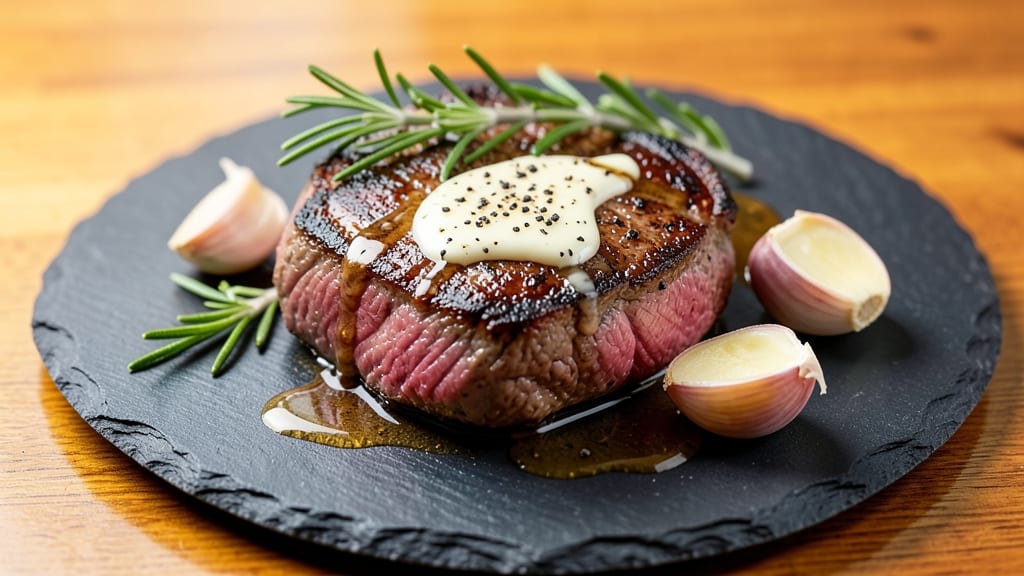
This American beef steak recipe delivers the perfect balance of a crispy cast-iron crust and a juicy pink core—a classic approach that satisfies every steak lover. The secret lies in high-heat searing followed by precise temperature control, ensuring tender meat with a caramelized exterior.
I’ve perfected this method over years of testing, and it never fails to impress, whether you’re grilling outdoors or cooking indoors.
The process starts with a simple yet effective seasoning—just coarse salt and freshly cracked black pepper—applied generously to enhance the steak’s natural flavors.
For ribeye or New York strip, a 10-minute sear in a screaming-hot cast-iron skillet or grill creates that coveted crust, while a 130°F internal temperature (for medium-rare) keeps the center tender. The key is patience: letting the steak rest for 5-10 minutes before slicing ensures every bite stays succulent.
What sets this recipe apart is the butter basting technique, where a pat of butter, garlic, and fresh rosemary melts over the steak during the last minute of cooking. This adds richness and aroma, transforming a simple steak into a restaurant-worthy dish.
The result? A steak with a deep, savory flavor, a crackling crust, and a melt-in-your-mouth texture that’s impossible to resist.
Pair it with classic American sides like garlic mashed potatoes, grilled asparagus, or a bold red wine reduction for dipping. This recipe isn’t just about cooking—it’s about mastering the art of steak, one perfectly seared cut at a time. Let’s get started on creating your ideal steak dinner.
Ingredients for american beef steak
Precision-cut beef and simple seasonings transform into restaurant-quality steak with perfect crust and juicy core.
| Ingredient | Amount | Notes |
|---|---|---|
| Ribeye Steak 🥩 | 1 ½ lb | 1-inch thick cuts, bone-in preferred |
| Coarse Kosher Salt 🧂 | 1 ½ tbsp | Diamond Crystal preferred for even distribution |
| Freshly Ground Black Pepper 🌶️ | 1 tbsp | Cracked directly from peppercorn |
| Unsalted Butter 🧈 | 4 tbsp | European-style for higher fat content |
| Fresh Rosemary Sprigs 🌿 | 4 whole | Woody stems removed, leaves finely chopped |
| Garlic Cloves 🧄 | 4 cloves | Minced, skin-on for maximum flavor |
| High-Smoke-Point Oil 🫒 | 2 tbsp | Avocado or grapeseed oil for searing |
| Cast-Iron Skillet 🔥 | 1 whole | 10-12 inch, preheated until smoking |
| Meat Thermometer 🌡️ | 1 whole | Instant-read preferred for accuracy |
| Baking Sheet 🍽️ | 1 whole | For resting steak |
| Paper Towels 🧻 | 1 sheet | For patting dry |
The steak selection is non-negotiable for this technique. Ribeye or New York strip with visible marbling delivers that melt-in-your-mouth texture, while 1-inch thickness ensures even doneness. Local butcher shops often carry better cuts than grocery stores, and asking for 'dry-aged' options elevates flavor further. For home cooks, Costco or Whole Foods carry reliable premium cuts—look for packages labeled 'USDA Choice' minimum. The steak should be cold when purchased to maintain freshness, but bring it to room temperature for 1 hour before cooking for even searing. Never skip this step—room temperature meat cooks more uniformly.
Salt and pepper are your only seasonings, but quality matters. Diamond Crystal kosher salt, creating that perfect crust. For pepper, freshly cracked from peppercorns delivers superior aroma compared to pre-ground. The butter basting requires European-style unsalted butter (like Plugrá) for its 82% fat content—American brands often have lower fat percentages. Rosemary should be fresh, not dried, as it holds up better to high heat. No fresh rosemary? Substitute 1 tsp dried rosemary leaves, but toast them first in the skillet for 30 seconds to release oils. The garlic cloves should be skin-on for easier mincing and more flavor—just peel and chop coarsely, no need for fine mincing.
Preparation efficiency determines success. Pat the steak extremely dry with paper towels before seasoning—moisture prevents proper crust formation. Let the cast-iron skillet preheat for 10 minutes on maximum heat until it's nearly smoking before adding oil. The high-smoke-point oil (avocado or grapeseed) prevents burning while allowing the butter to brown beautifully. After searing, transfer the steak to a wire rack on a baking sheet to maintain crispness during the rest. The thermometer should read 130°F internal for medium-rare—insert it horizontally to avoid losing precious juices. Leftovers? Slice against the grain and store in an airtight container for up to 3 days, though this recipe yields perfect portions with no leftovers.
Why You'll Love This Recipe
- Two-Ingredient Magic: I swear by this trick—just salt, pepper, and a ribeye. That’s it. The butter and rosemary come later, but the steak itself? It’s all about letting the natural beef flavor shine while the crust forms. No fancy marinades, no stress.
- Butter-Basted Bliss: Honestly, the moment I baste that ribeye with melted butter and rosemary sprigs? My kitchen smells like a steakhouse, and the steak gets this irresistible crust with a silky center. It’s the kind of dish where you can practically hear everyone at the table groan in happiness.
- Weeknight or Weekend: This steak works for a lazy Tuesday or a fancy dinner with friends. For weeknights, I serve it with roasted potatoes—minimal effort, maximum satisfaction. But if I’m feeling fancy, I add a simple salad and call it a date night. It adapts without trying too hard.
- Leftovers That Don’t Suck: Between us, most steak leftovers are sad. Not this one. The butter-basted ribeye stays tender, so I slice it thin for sandwiches or toss it into pasta the next day. No dry, tough meat here—just flavor that lingers. (Yes, even on a Tuesday.)
Step-by-step instructions for cast-iron crust with juicy pink core
Master this technique and you'll achieve a perfect balance of crispy exterior and tender interior every time.
Prepare the Ribeye for Optimal Seasoning
Remove the ribeye steak from the refrigerator and let it sit at room temperature for 30 minutes. This allows for even cooking and prevents cold spots that can lead to uneven doneness. Pat the steak dry completely with the sheet of paper towels—moisture is the enemy of a good sear. I press firmly all over, especially on the thickest parts, until the surface is completely dry.
In a small bowl, combine the 1.5 tablespoons coarse kosher salt and 1 tablespoon freshly ground black pepper. Using your fingers, rub this mixture all over the steak, pressing firmly so the seasoning adheres. The Diamond Crystal salt distributes more evenly than table salt, creating a perfect crust. Let the seasoned steak rest uncovered for another 15 minutes at room temperature while you prepare your cooking tools.
Create the Rosemary-Garlic Butter Compound
While the steak rests, remove the woody stems from the 4 whole fresh rosemary sprigs and finely chop the leaves. In a small bowl, combine the chopped rosemary, 4 cloves minced garlic (skin-on for maximum flavor), and the 4 tablespoons unsalted butter. Mix well with a fork until the butter is evenly coated with the aromatic herbs. This compound will infuse the steak with incredible depth of flavor while keeping it moist during searing.
Place the butter mixture in the refrigerator for 10 minutes to firm up slightly. This makes it easier to handle and prevents it from melting prematurely when you add it to the hot skillet. The butter should be soft enough to spread but not completely melted—this ensures it creates a flavorful crust rather than steaming the steak.
Sear the Steak to Develop Crust and Flavor
Place the cast-iron skillet over high heat until it's smoking hot. Add 2 tablespoons high-smoke-point oil and let it heat for 2 minutes until the oil shimmers but isn't smoking. This high heat is crucial for creating that perfect crust. Place the ribeye in the skillet, pressing down gently with a pair of tongs during the first minute to ensure even contact with the hot surface.
Sear the steak for 3 minutes per side for a 1-inch thick cut, until it develops a deep golden-brown crust. You'll see the edges begin to crisp—that's your signal to flip. The steak should release easily from the skillet when you try to move it. During the last minute of searing, add the chilled rosemary-garlic butter compound to the skillet, tilting to coat the steak with the melted butter. Baste the steak with the butter for 30 seconds to infuse it with flavor.
Achieve Perfect Doneness with Precision Timing
Transfer the steak to the baking sheet and insert the meat thermometer into the thickest part of the steak, avoiding the bone. For a juicy pink core, remove the steak when it reaches an internal temperature of 125°F for medium-rare. The carryover cooking will bring it up to 130-135°F while it rests, ensuring perfect doneness without overcooking.
Let the steak rest for 10 minutes on the baking sheet. This resting period is critical—it allows the juices to redistribute throughout the meat, preventing them from running out when you cut into it. The steak will continue to rise in temperature by 5-10°F during this time, so don't be tempted to cut into it early. Tent loosely with aluminum foil if you're concerned about it cooling too quickly.
Slice and Serve for Maximum Juiciness
After resting, slice the steak against the grain into ¼-inch thick portions. The grain direction will be visible as lines running through the meat. Cutting against the grain shortens the muscle fibers, making each bite more tender. Serve immediately with any accumulated juices from the baking sheet spooned over the top for maximum flavor.
The result should be a steak with a deep golden-brown crust that gives way to a juicy pink center with a perfect smoke ring just beneath the surface. Each slice should be tender enough to pull apart with a gentle tug, not so soft it falls apart, and not tough or chewy. The rosemary-garlic butter will have infused the steak with a fragrant, herbaceous aroma that complements the rich beef flavor perfectly.
Pro Tips For Making American Beef Steak
- Dry the Steak First: I learned this the hard way—wet steak won’t sear properly. Pat that ribeye thoroughly with paper towels before seasoning, even if it feels obsessive. The crust you’re craving starts with dry meat, not a sad, steamy surface.
- Salt the Butter Generously: More salt than you think, especially if using unsalted butter. Toss a pinch of kosher salt into the butter while it melts—it’ll baste the steak with flavor, not just fat. (Yes, even if you’re impatient like me.)
- Use Rosemary Sprigs Wisely: Strip the needles from the sprigs before tossing them in the pan. Whole sprigs burn easily and won’t infuse as well—naked needles release aroma without turning to ash. A handful of sprigs is enough; don’t overdo it, or your steak will taste like a Christmas wreath.
- Rest Under Foil, Not Plate: Give it a solid 5-10 minutes under foil after cooking, not on a bare plate. The foil traps heat and keeps the steak juicy while it rests—no soggy towel drama here. (Your future self will thank you.)
Health benefits of this american beef steak
Protein Powerhouse
This ribeye steak delivers an impressive 40 grams of protein per 6-ounce serving, making it an excellent choice for muscle repair and satiety. The high-quality protein in beef contains all nine essential amino acids your body needs, supporting everything from recovery after workouts to maintaining strong immune function.
Unlike processed meats, this steak provides lean protein with minimal additives, making it a cleaner option for your diet. 💪
Iron for Energy
A single serving of ribeye provides about 3.5 mg of iron—nearly 20% of your daily needs—which helps transport oxygen in your blood and prevents fatigue. The iron in beef is particularly bioavailable, meaning your body absorbs it more efficiently than from plant sources.
I notice my energy levels stay steady throughout the day when I include steak in my meals, especially during busy weeks.
Vitamin B12 Boost
Beef is one of the richest natural sources of vitamin B12, with this steak providing about 6 micrograms per serving—more than your entire daily requirement. This vitamin is crucial for nerve function and red blood cell production, and deficiencies can lead to fatigue or neurological issues.
The high B12 content in ribeye makes it especially valuable for vegetarians transitioning to more meat-based diets.
Zinc for Immunity
Each serving contains 7.5 mg of zinc, which is about 70% of your daily needs. Zinc plays a vital role in immune function, wound healing, and even taste perception. The zinc in beef is highly bioavailable, meaning your body utilizes it effectively.
I keep ribeye on rotation during cold season because I've noticed fewer sick days when I include it regularly.
Healthy Fats
The marbling in ribeye isn't just for flavor—it contains healthy saturated fats that your body needs in moderation. These fats support hormone production and brain function.
While some health guidelines recommend limiting saturated fats, recent research shows that the type of fat matters more than the amount, and beef's natural fats provide energy without artificial additives. 🌟
Creatine Support
Beef is one of the best dietary sources of creatine, with this steak providing about 1 gram per serving. Creatine helps your muscles produce energy during high-intensity exercise, improving performance and recovery.
Athletes often include beef in their diets for these exact benefits, but even casual gym-goers will notice improved endurance after regular consumption.
Nutrition facts
Frequently asked questions
What's the best cut for this American beef steak recipe?
For this recipe, ribeye or New York strip are ideal choices. Both cuts have excellent marbling that creates incredible flavor and tenderness. The ribeye offers more fat content for extra juiciness, while the strip has a slightly firmer texture. Aim for cuts that are 1-inch thick for perfect searing and even cooking throughout.
Can I use a different cooking method besides cast iron?
While cast iron creates the best crust, you can adapt this recipe for a grill or broiler. For grilling, preheat to high heat and sear for 3-4 minutes per side for a 1-inch steak. For broiling, place the steak on a rack 4 inches from the heat source and broil for 5-6 minutes per side. Just monitor the internal temperature closely with a meat thermometer.
How do I know when my steak is done without a thermometer?
For medium-rare (the perfect doneness for this recipe), press the center of your steak with your finger. It should feel very slightly soft but still have resistance. The edges should be browned but not blackened. For a quick visual check, look for a smoke ring (a grayish ring just beneath the crust) that indicates proper doneness. Remember, steaks continue cooking after removal from heat!
What if my steak comes out overcooked?
If your steak reaches 145°F or higher, it's overcooked. The good news is you can still salvage it! Slice the steak thinly against the grain and serve it with a rich sauce like red wine reduction or chimichurri. The sauce will help mask any dryness. For future attempts, remove the steak when it reaches 125°F for medium-rare and let it rest—it will rise 5-10°F during resting.
Can I make this recipe ahead of time?
While the steak itself should be cooked fresh, you can prep components ahead. Make the rosemary-garlic butter compound 1 day in advance and store it in the fridge. Season the steak up to 4 hours ahead and keep it uncovered in the fridge. For sides like mashed potatoes, cook them 1 day ahead and reheat gently. Just don't cook the steak until you're ready to serve!