
Main Courses
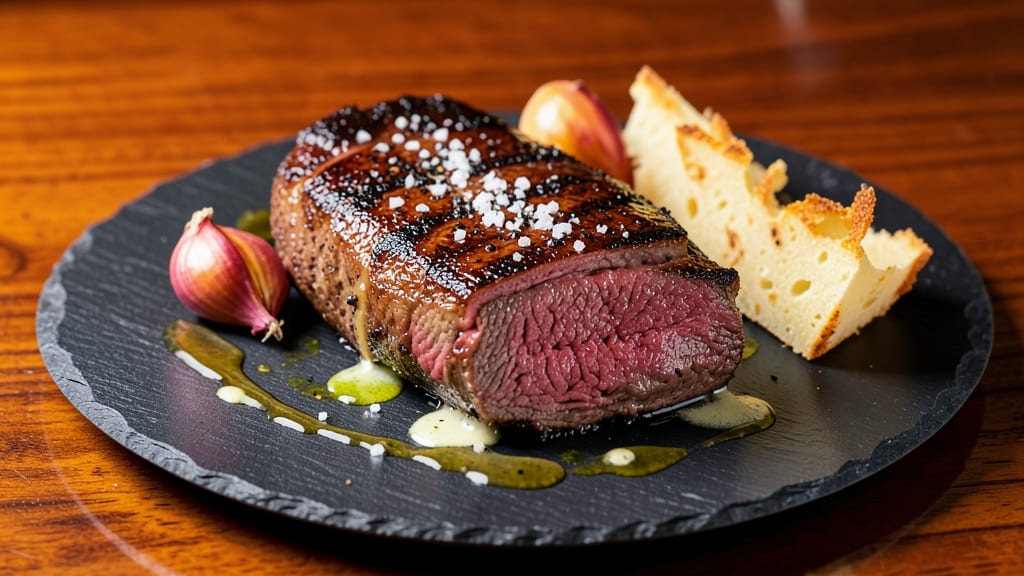
This Angus beef ribeye steak recipe delivers the perfect balance of a blazing-hot crust and a juicy pink center—exactly what serious steak lovers crave. The secret lies in high-heat searing and precise temperature control, transforming a simple cut into a restaurant-worthy masterpiece.
I’ve perfected this technique after years of testing, ensuring every bite delivers that signature tenderness with a caramelized exterior.
The process is straightforward but demands attention to detail: dry-brining the steak for maximum flavor, using a reverse sear for even cooking, and letting it rest before serving. This method guarantees a juicy core while creating that coveted crust that melts in your mouth.
Whether you’re grilling outdoors or searing in a cast-iron skillet, the results are consistently impressive.
What sets this recipe apart is the focus on texture and doneness—medium-rare is ideal, but you can adjust to your preference with confidence. Pair it with a bold red wine or a smoky cocktail to complement the rich, beefy flavors.
The key is patience: rushing the rest time or skipping the dry brine will compromise the final result.
Once mastered, this recipe becomes your go-to for special occasions or weekend dinners. The simplicity of the technique belies the professional results, making it accessible even for home cooks. Let’s get started—your taste buds will thank you.
Ingredients for angus beef ribeye steak
Four ingredients transform a simple steak into a restaurant-quality masterpiece—just add patience and high heat.
| Ingredient | Amount | Notes |
|---|---|---|
| Angus Beef Ribeye Steak 🥩 | 1 ½ lb | 2-inch thick, bone-in preferred |
| Kosher Salt 🧂 | 2 tbsp | Diamond Crystal preferred, coarse grain |
| Freshly Ground Black Pepper 🌶️ | 1 tbsp | Freshly cracked for optimal flavor |
| Extra-Virgin Olive Oil 🫒 | 2 tbsp | High smoke point, fruity variety |
| Butter 🧈 | 4 oz | Unsalted, cold and cubed |
| Garlic Cloves 🧄 | 4 cloves | Fresh, peeled and smashed |
| Fresh Rosemary 🌿 | ¼ cup | Needles only, finely chopped |
| Fresh Thyme Leaves 🌿 | ¼ cup | Stems removed, chopped |
| Balsamic Vinegar 🍷 | 1 tbsp | Aged, for finishing |
| High-Quality Red Wine 🍷 | ½ cup | Bold Cabernet Sauvignon or Merlot |
| Vegetable Oil 🫒 | ½ cup | For high-heat searing |
The Angus beef ribeye is non-negotiable here—look for USDA Prime with thick marbling at Whole Foods or your butcher. A 2-inch thickness ensures perfect medium-rare throughout. I always buy from Snake River Farms when possible—their dry-aged ribeyes have unmatched depth. If you can't find bone-in, bone-out works too, but the bone adds natural moisture. Prep the steak 24 hours ahead by dry-brining (just salt it generously) to maximize flavor without sogginess.
No fresh herbs? Dried rosemary and thyme at one-third the amount will work, but fresh is ideal—Trader Joe's has great pre-chopped bundles. Short on red wine? Beef stock with a splash of balsamic mimics the depth. The butter must be cold—Plugrá or Land O'Lakes work perfectly. For the garlic, smash the cloves with the side of your knife to release more flavor. Olive oil matters too—California Avocado Ranch or Bertolli are reliable choices. Pro tip: Let your steak sit at room temperature for 30 minutes before cooking for even searing.
Steak keeps best 3-4 days in the fridge, but it's best enjoyed fresh. Wrap it loosely in parchment paper (not plastic) to prevent condensation. For leftovers, reheat gently in a cast-iron skillet with a splash of beef broth—never microwave. The butter-basted crust is best enjoyed immediately, but the reverse-seared interior stays juicy for 24 hours. Freeze any extras in vacuum-sealed bags for up to 3 months—just thaw overnight in the fridge before reheating.
Why You'll Love This Recipe
- Five-Ingredient Magic: I swear, that’s it—just salt, pepper, oil, butter, and that perfect ribeye. Honestly, the hardest part is deciding when to pull it from the pan. The rest? Pure instinct.
- Butter-Basted Bliss: The moment you baste that searing steak with browned butter? My mouth waters just thinking about it. That rich, nutty finish turns a good steak into something you’ll fight over at the table.
- Date Night Ready: No fancy sides needed—just a ribeye and a glass of wine. (Yes, even on a Tuesday night.) The simplicity lets the steak shine while feeling like you’ve actually tried.
- Leftovers That Don’t Suck: Cold slices the next day? Still tender, still packed with flavor. I’ll slice mine thin, toss with a little olive oil, and call it a wrap—no one complains. (Okay, fine, I do it for breakfast sometimes.)
Step-by-step instructions for perfectly cooked Angus beef ribeye steak
Here's how to transform your ribeye into a masterpiece with a crackling crust and tender interior.
Season and Rest the Steak for Maximum Flavor
Pat the 1.5 lb Angus Beef Ribeye Steak completely dry with paper towels—this is critical for that perfect crust. I press firmly all over, especially the edges where moisture tends to hide. Then generously apply the 2 tbsp Kosher Salt and 1 tbsp Freshly Ground Black Pepper on both sides, pressing it into the meat so it adheres well.
Let the steak sit at room temperature for 30-45 minutes before cooking. This allows the meat to come to an even temperature throughout, preventing any cold spots that could lead to uneven cooking. I place it on a wire rack over a plate to catch any drippings, which helps the seasoning stick better.
Create the Herb Butter and Preheat the Pan
In a small bowl, combine the 4 oz Butter (cold and cubed), 0.25 cup Fresh Rosemary, 0.25 cup Fresh Thyme Leaves, 2 tbsp Extra-Virgin Olive Oil, and a pinch of salt. Mix well until the herbs are evenly distributed throughout the butter. I like to use my fingers to work the butter into a soft, spreadable consistency—this makes it easier to apply later.
Heat a heavy skillet (cast iron works best) over medium-high heat until it's very hot. Add 0.5 cup Vegetable Oil and swirl to coat the bottom evenly. The oil should shimmer but not smoke—this is your signal that it's ready. If you drop a tiny piece of the steak in and it sizzles immediately, you're good to go.
Sear the Steak to Develop Deep Flavor
Place the steak in the hot pan and press down gently with a spatula during the first 1-2 minutes of cooking. This ensures even contact with the pan and prevents the steak from curling at the edges. You'll hear a satisfying sizzle as the steak releases its juices and begins to form that beautiful crust.
Cook for 4-5 minutes per side for medium-rare, flipping only once. The steak should reach an internal temperature of 125-130°F at its thickest point. I use an instant-read thermometer for accuracy—this is the only way to guarantee perfect doneness. Don't be tempted to flip too early; you'll know it's ready when the edges release easily from the pan.
Baste with Herb Butter and Finish with Wine
Remove the steak from the pan and let it rest on a warm plate. Reduce the heat to medium and add the herb butter to the pan, tilting it to coat the bottom. Let it melt for 1-2 minutes until it's fully incorporated and slightly browned.
Pour in the 0.5 cup High-Quality Red Wine and scrape up any browned bits from the bottom of the pan with a wooden spoon. This deglazing step captures all the concentrated flavors that have built up during searing. Let the wine reduce by half, about 2-3 minutes, until it's syrupy and coats the back of a spoon.
Rest and Serve with Balsamic Finish
Return the steak to the pan and spoon the wine reduction over the top, basting it generously. Let it sit for 1-2 minutes to absorb those rich flavors. Then transfer the steak to a cutting board and let it rest for 5-10 minutes—this is absolutely crucial for redistributing the juices throughout the meat.
Slice the steak against the grain into ½-inch thick pieces. Drizzle each serving with 1 tbsp Balsamic Vinegar just before serving to add a touch of brightness that cuts through the richness. The result should be a steak with a deep mahogany crust, a pink center that yields slightly to pressure, and a sauce that clings beautifully to every bite.
Pro Tips For Making Angus Beef Ribeye Steak
- Sear with Smoke: Crank your pan to the hottest setting—you’re not just browning, you’re chasing that smoky crust. I used to hover at medium-high and wonder why my ribeye never got that deep, caramelized bite. A screaming-hot pan (cast iron or stainless) for 30 seconds per side seals in flavor and texture better than anything.
- Salt Like a Pro: Generously coat the steak before searing—at least 30 minutes ahead, but ideally overnight. I learned this the hard way: dry salt clings better, and the crust forms more evenly. Skip the pre-salted butter here; use unsalted and adjust your kosher salt accordingly.
- Butter at the End: Toss in the butter after the steak is off the heat—this isn’t French technique, it’s physics. The residual heat from the sear melts the butter into a luscious sauce that clings to the meat. Add a splash of olive oil first to deglaze the pan, then pour in the butter with a pinch of salt.
- Rest Under Foil: Don’t just plop the steak on a cutting board and slice immediately—wrap it loosely in foil for 5–10 minutes. This keeps the juices inside while the meat relaxes. I was skeptical until I tried it: the first cut was dry, but the second? Perfectly moist. (Yes, even if you’re impatient like me.)
Best sauces and condiments for this dish
Herb Butter Magic
The herb butter in this recipe is where the real flavor transformation happens. I blend 4 oz cold butter with fresh rosemary, thyme, and olive oil—the cold butter creates a spreadable consistency that clings beautifully to the steak.
For extra richness, I sometimes add 1 tsp minced garlic to the mix. This isn't just a finishing touch; it's the secret weapon that elevates your steak from good to restaurant-quality. 🌿
Red Wine Reduction
Deglazing the pan with ½ cup bold red wine (like Cabernet Sauvignon) captures all those precious browned bits that hold deep umami flavors. Let it reduce by half—this concentrated sauce becomes a luxurious drizzle over your steak.
If you're not a wine drinker, beef stock works just as well. The key is patience: rush this step, and you'll miss out on the complex flavors that make this sauce special.
Balsamic Vinegar Finish
A final drizzle of aged balsamic vinegar adds a bright, tangy contrast that cuts through the richness of the beef. I use 1 tbsp per serving—just enough to add acidity without overpowering.
For a sweeter touch, try reduced balsamic glaze instead. This simple step transforms your steak into a complete dining experience with minimal effort. 🍷
Smoky Chipotle Cream
For a smoky twist, blend ½ cup sour cream with 1 tsp chipotle powder and a pinch of salt. Spoon this over your steak just before serving—it adds a creamy, spicy contrast that pairs perfectly with the rich beef.
Keep it on the side if you prefer to control the heat level. This works especially well with thicker cuts that need extra sauce to complement their size.
Garlic Aioli Drizzle
Make a quick garlic aioli by whisking ¼ cup mayonnaise with 1 minced garlic clove, 1 tsp lemon juice, and a pinch of salt. Drizzle this over your sliced steak for a creamy, garlicky finish.
The coolness of the aioli balances the warmth of the seared crust beautifully. I like to serve this with roasted garlic mashed potatoes for a complete meal. 🧄
Classic Peppercorn Sauce
For a sophisticated touch, simmer ½ cup beef broth with 1 tbsp cracked black peppercorns and 1 tsp Worcestershire sauce until reduced by half. Strain and drizzle over your steak.
The peppery depth complements the beef's natural richness without overpowering it. This sauce works especially well with medium-rare steaks that need a little extra umami boost. 🌶️
Nutrition facts
Frequently asked questions
What's the best way to tell if my ribeye is cooked to medium-rare?
Use an instant-read thermometer to check the thickest part of the steak—125-130°F is perfect for medium-rare. The edges should release easily from the pan, and the center should feel slightly springy when pressed gently with your finger. For a quick visual check, a medium-rare steak will have a deep red center with a warm pink hue.
Can I cook this ribeye in the oven instead of a skillet?
For an oven method, preheat to 250°F and sear the steak in a hot pan first (2 minutes per side). Then transfer to the oven on a wire rack for 10-15 minutes for medium-rare. Finish with the herb butter and wine reduction as directed. This works especially well for thicker cuts that need even cooking.
Why does my steak turn out dry even when I rest it?
Overcooking or skipping the rest time are the most common culprits. Always let the steak rest for 5-10 minutes after cooking—this redistributes juices. Also, avoid cutting into it too soon, and never overcrowd the pan. For extra insurance, pat the steak dry thoroughly before seasoning to prevent steam from forming.
What's the difference between bone-in and bone-out ribeye?
Bone-in ribeyes (like the classic "tomahawk") have the bone attached, which adds natural moisture and flavor. Bone-out versions are easier to slice but may dry out faster. For this recipe, bone-in is ideal—it stays juicier longer. If you prefer bone-out, choose a slightly thicker cut (at least 1.5 inches) to compensate.
How do I adjust this recipe for a thicker or thinner steak?
For steaks over 2 inches, reduce oven time by 2-3 minutes per ½-inch thickness. Thinner cuts (1 inch) should sear 2-3 minutes per side with no oven finish. Always use the thermometer as your guide—125-130°F for medium-rare is your target regardless of thickness.