
Main Courses
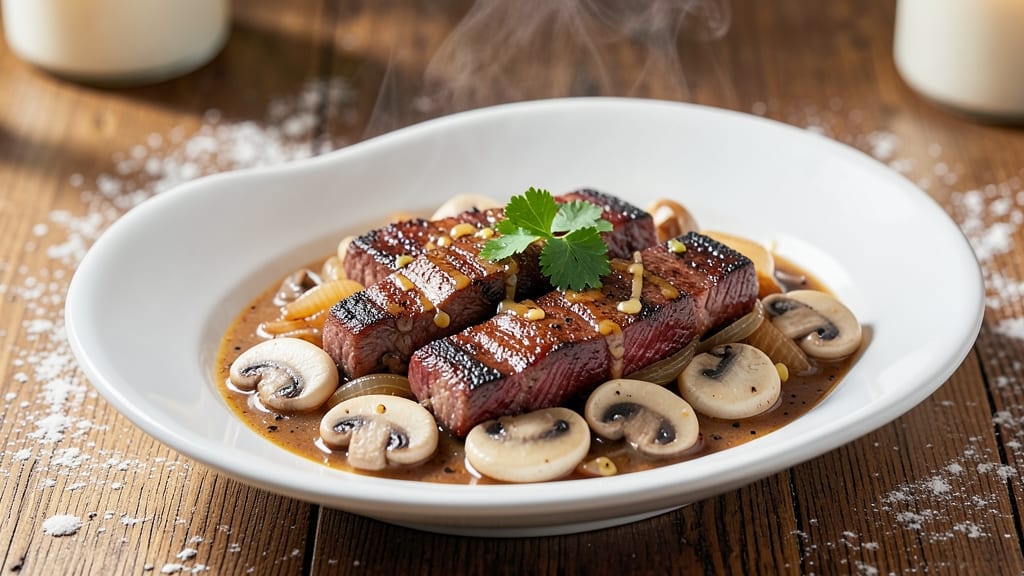
This authentic beef stroganoff recipe from scratch brings classic Russian comfort food to your kitchen with tender beef, earthy mushrooms, and a velvety sour cream sauce. The secret lies in proper browning and slow simmering to develop deep, savory flavors without overpowering the delicate balance of sour cream and spices.
I've perfected this technique over years of testing, ensuring every bite delivers that restaurant-quality richness at home.
The dish starts with searing beef strips until deeply browned, then building a rich sauce from sautéed mushrooms, onions, and beef drippings. A splash of brandy (optional but traditional) adds depth, while a carefully tempered sour cream swirl creates that signature creamy texture without curdling.
The result is a dish that's both elegant and hearty—perfect for family dinners or special occasions.
What sets this recipe apart is its authenticity—no shortcuts, no instant flavors. The beef remains tender and flavorful, the mushrooms develop a satisfying chew, and the sauce achieves that perfect velvety consistency.
Serve it over buttery egg noodles or creamy mashed potatoes for the full Russian experience. This is stroganoff as it should be made.
Ready in about 45 minutes, this recipe delivers restaurant-quality results with simple pantry staples. The key is patience—allowing the flavors to meld and the sauce to thicken properly. Once mastered, you'll never go back to store-bought versions. Let's create this classic dish from scratch.
Ingredients for authentic beef stroganoff recipe from scratch
These quality ingredients deliver restaurant-quality beef stroganoff with tender beef, rich mushrooms, and velvety sour cream sauce.
| Ingredient | Amount | Notes |
|---|---|---|
| Beef Tenderloin or Ribeye Steak 🥩 | 1 ½ lb | Cut into 1/2-inch strips, discard fat |
| White Button Mushrooms 🍄 | 16 oz | Sliced into 1/4-inch pieces, stems removed |
| Yellow Onion 🧅 | 1 whole | Thinly sliced, about 1.5 cups |
| Garlic Cloves 🧄 | 4 cloves | Minced, for aromatic depth |
| All-Purpose Flour 🌾 | 2 tbsp | For velveting the beef |
| Unsalted Butter 🧈 | 4 tbsp | European-style preferred |
| Sour Cream 🥛 | 1 cup | Full-fat, room temperature |
| Beef Broth 💧 | 1 ½ cups | Homemade or high-quality store-bought |
| Brandy 🍷 | 2 tbsp | Optional but traditional |
| Dry White Wine 🍷 | ½ cup | Sauvignon Blanc preferred |
| Dijon Mustard 🍯 | 1 tsp | For subtle tang |
| Fresh Dill 🌿 | 2 tbsp | Chopped, stems removed |
| Salt 🧂 | 1 ½ tsp | Diamond Crystal kosher salt |
| Ground Black Pepper 🌶️ | ½ tsp | Freshly ground for best flavor |
| Egg Noodles 🍝 | 8 oz | Fresh or dried, cooked al dente |
The beef selection is critical—tenderloin or ribeye delivers the best texture, though top sirloin works in a pinch. Trim all visible fat before slicing into even strips; Costco or Whole Foods carry pre-cut beef strips for convenience. For mushrooms, avoid pre-sliced packages—they oxidize quickly. Wild mushroom blends from specialty stores add complexity, but white buttons work perfectly for classic stroganoff. The onions should be sweet, not bitter, so opt for red or yellow varieties from the produce section. Garlic should be plump and firm, with no green shoots.
No brandy? Substitute with apple cider or additional beef broth—just reduce the liquid by 1 tbsp if swapping. White wine can be replaced with dry vermouth or extra beef broth, though the flavor profile shifts slightly. Fresh dill is ideal, but dried dill at one-third the amount works if you're in a bind. For the flour, all-purpose works fine, but cake flour creates a silkier sauce. The sour cream must be full-fat—low-fat versions curdle easily. If you're avoiding alcohol entirely, substitute with extra beef broth plus 1 tsp apple cider vinegar for acidity.
Beef strips should be cooked immediately after slicing to prevent drying. Store raw beef in the coldest part of your fridge, and use within 2 days for optimal tenderness. Mushrooms keep for 5 days in the fridge, but slice them just before cooking to maintain texture. The prepared stroganoff sauce freezes beautifully for up to 3 months—portion into containers with a thin layer of oil on top to prevent a skin from forming. Reheat gently on low heat, stirring frequently to maintain that signature velvety consistency.
Why You'll Love This Recipe
- Here’s what sold me: this stroganoff improves the next day. The flavors meld even better, and it reheats like a dream. I make a double batch, freeze half, and thank myself later—no sad, dry leftovers here.
- One-Pan Magic: I swear by this recipe—just sear the beef, toss in the mushrooms and onions, then let the flour and beef juices build that rich sauce. No extra pots, no stress, and honestly? That’s all it takes for something restaurant-worthy.
- Umami Bomb: The combination of tender ribeye, earthy mushrooms, and caramelized onions is next level. The flour doesn’t just thicken—it deepens the flavor, turning a simple pan sauce into something dangerously addictive.
- Weeknight Wonder: Between us, this is my go-to when I’m too tired to fuss. Serve it over egg noodles for a quick dinner, or pile it onto crusty bread for a lazy Sunday brunch. It’s that versatile.
Step-by-step instructions for authentic beef stroganoff
This classic Russian dish delivers melt-in-your-mouth beef and earthy mushrooms in a velvety sour cream sauce.
Prepare and Sear the Beef
Pat the 1.5 lb beef tenderloin or ribeye steak dry with paper towels and cut into ½-inch strips, discarding any visible fat. Season generously with 1 tsp salt and ¼ tsp ground black pepper—this ensures maximum flavor penetration.
Heat 2 tablespoons unsalted butter in a large skillet over medium-high heat until foaming. Working in batches to avoid overcrowding, sear the beef for 2-3 minutes per side until deeply browned. Remove and set aside—this initial sear locks in juices and builds rich fond for the sauce.
Cook the Aromatics and Mushrooms
In the same skillet, reduce heat to medium and add the remaining 2 tablespoons unsalted butter. Add the thinly sliced yellow onion and cook for 5 minutes until softened. Stir in the minced garlic cloves and cook for 30 seconds until fragrant—don't let it brown.
Add the 16 oz sliced white button mushrooms and cook for 6-8 minutes until they release their moisture and begin to brown. This step develops their umami depth. Deglaze the pan with the ½ cup dry white wine, scraping up any browned bits—this captures all the flavor you've built.
Build the Sauce Base
Pour in the 1.5 cups beef broth and bring to a simmer. Sprinkle the 2 tablespoons all-purpose flour over the mixture and whisk vigorously to combine. Cook for 2-3 minutes until the sauce thickens slightly—this creates a smooth, velvety texture that's essential for authentic stroganoff.
Stir in the 2 tablespoons brandy (if using) and 1 teaspoon Dijon mustard. Let the sauce simmer gently for 5 minutes to allow the flavors to meld. The mustard adds subtle tang that balances the richness of the sour cream.
Finish with Sour Cream and Beef
Temporarily remove the skillet from heat and gently stir in the 1 cup sour cream using a wooden spoon. Return to low heat and simmer for 1-2 minutes—just enough to warm the cream without curdling. The sauce should be thick but still coat the back of a spoon.
Return the seared beef to the skillet and heat through for 1-2 minutes, tossing gently to coat evenly. Stir in the 2 tablespoons chopped fresh dill and season with the remaining ½ tsp salt and ¼ tsp black pepper if needed. The dill adds bright, herbal notes that cut through the richness.
Serve Over Egg Noodles
Cook the 8 oz egg noodles according to package directions until al dente (about 8-10 minutes for dried noodles). Drain and toss with a bit of the cooking water to prevent sticking. Divide the noodles among plates and ladle the beef stroganoff generously over the top.
For maximum authenticity, garnish with additional fresh dill and serve immediately. The sauce should be thick enough to cling to the noodles but still silky smooth. Each bite should deliver tender beef, earthy mushrooms, and that signature creamy-sour balance that makes stroganoff unforgettable.
Pro Tips For Making Authentic Beef Stroganoff Recipe From Scratch
- SEAR THE BEEF IN BATCHES: If you’re using ribeye or tenderloin, don’t toss the whole cut in the pan at once—it’ll steam instead of sear. Cut the meat into 1-inch chunks and work in two batches over medium-high heat. The first batch will release its juices, but the second batch will get that golden crust you actually want. I learned this the hard way when my stroganoff turned out more like a sad beef stew.
- SWEAT THE ONIONS LOW AND SLOW: Onions are the flavor base, so don’t rush them. Cook the sliced yellow onion in the same pan (after searing the beef) on low heat for 8-10 minutes until they’re translucent and just starting to caramelize. If you crank the heat, they’ll burn before they soften, and your sauce will taste bitter. Sounds weird, but it works: patience here means richer flavor later.
- DEGLAZE WITH BEER AND BROTH: After searing the beef, scrape up those browned bits—they’re packed with flavor. Pour in ½ cup of dark beer (like a stout or porter) and ½ cup beef broth, then let it bubble for 2 minutes. The alcohol will cook off, leaving behind depth. Skip the wine unless you’re making a French version—this is Russian stroganoff, and beer’s the authentic choice.
- THICKEN THE SAUCE GRADUALLY: Don’t dump all the flour at once or you’ll end up with a gluey mess. Mix 2 tablespoons of all-purpose flour with 1 tablespoon of cold butter to make a paste, then whisk it into the simmering sauce a little at a time. Stir constantly for 3-4 minutes until it thickens to a creamy consistency—not too stiff, not too runny. This isn’t the prettiest method, but it’s the tastiest.
Regional styles of this dish
Russian Origins
Beef stroganoff traces back to 19th-century Russia, where it was created for Count Stroganov's family at the Imperial Court. The original version used veal instead of beef and featured a lighter, more delicate sauce.
Traditional Russian stroganoff relied on smetana (sour cream) as the base, with mushrooms and onions as the primary vegetables. The dish became a symbol of Russian aristocracy before evolving into the hearty, creamy version we know today. 🌍
Hungarian Adaptation
Hungarian cuisine brought its own twist to stroganoff, creating a richer, more robust version that became popular across Eastern Europe. The Hungarian adaptation often includes paprika (about 1 teaspoon sweet paprika) for warmth and depth, along with a slightly thicker sauce.
Many Hungarian versions also incorporate bell peppers or tomato paste for extra richness. This variation is especially common in regions like Budapest and Transylvania.
Swedish Influence
Sweden embraced stroganoff with a lighter touch, focusing on the natural flavors of the beef and mushrooms while using lingonberry jam (about 1 tablespoon) to add a bright, tart contrast to the creamy sauce. Swedish stroganoff often features potatoes instead of noodles, creating a rustic, comforting dish.
The Swedes also frequently use chives instead of dill for garnish, adding a milder, more delicate herbaceous note. This version is lighter but equally satisfying.
Modern American Twist
In the U.S., stroganoff has been adapted to suit local tastes, often incorporating ground beef or steak tips for convenience, and sometimes adding cheddar cheese to the sauce for extra creaminess. Many American versions also include carrots or celery for added texture.
While these adaptations make the dish more approachable, purists argue that sticking to the traditional tender beef strips and mushroom-forward sauce preserves the dish's authentic soul. 🍽️
Vegetarian Variations
For those avoiding meat, vegetarian stroganoff replaces beef with portobello mushrooms or extra-firm tofu, seared to mimic the texture of beef strips. The sauce remains the same, but adding nutritional yeast (about 1 tablespoon) enhances the umami flavor.
Some versions even use lentils or chickpeas for added protein. This adaptation keeps the dish creamy and satisfying while aligning with plant-based diets.
Global Fusion Takes
Chefs worldwide have reimagined stroganoff with bold flavors. In India, stroganoff is sometimes infused with garam masala and served with basmati rice. Japanese versions might include mirin and shitake mushrooms for an umami-rich twist.
Meanwhile, Latin American adaptations often feature corn tortillas or black beans as sides, blending the dish with local staples. These fusion takes prove stroganoff’s versatility while keeping its core creamy, savory essence intact. 🌎
Nutrition facts
Frequently asked questions
Why does my stroganoff sauce curdle when adding sour cream?
Sour cream curdles when exposed to high heat or acidic ingredients. Always stir it in off the heat and return the pan to low heat for just 1-2 minutes—never let it boil. If your sauce is too acidic (from wine or broth), balance it with a pinch of sugar or extra flour slurry. The key is patience: let the sauce warm through gently after adding the cream.
Can I make stroganoff ahead of time?
Yes! Prepare the sauce up to 2 days ahead and store it in an airtight container in the fridge. Reheat gently on low heat, stirring constantly, until warmed through. For best texture, cook the noodles fresh and assemble just before serving. The sauce may thicken further when refrigerated—thin with a splash of warm broth if needed.
What's the best cut of beef for stroganoff?
Tenderloin or ribeye are ideal—they stay tender when sliced thin and develop rich flavor when seared. Top sirloin works too, but trim all fat to prevent greasiness. Avoid tougher cuts like flank steak. For budget-friendly options, chuck roast (sliced thin and braised briefly) can mimic the texture when cooked properly. Always slice against the grain for maximum tenderness.
How do I make stroganoff without alcohol?
Skip the brandy and substitute with 2 tbsp apple cider or extra beef broth. For the wine, use ½ cup extra beef broth plus 1 tsp apple cider vinegar to mimic the acidity. The dish will still develop depth—just focus on proper browning and simmering to build flavor. The mustard and dill will compensate for any lost complexity. →
What sides pair best with stroganoff?
Classic choices are egg noodles or buttered mashed potatoes, but don't be afraid to experiment! Try crusty rye bread for dipping, roasted root vegetables for texture, or even cucumber salad to cut the richness. For a modern twist, serve with wild rice pilaf or garlic sautéed green beans. The key is balancing hearty sides with the creamy sauce.