
Main Courses
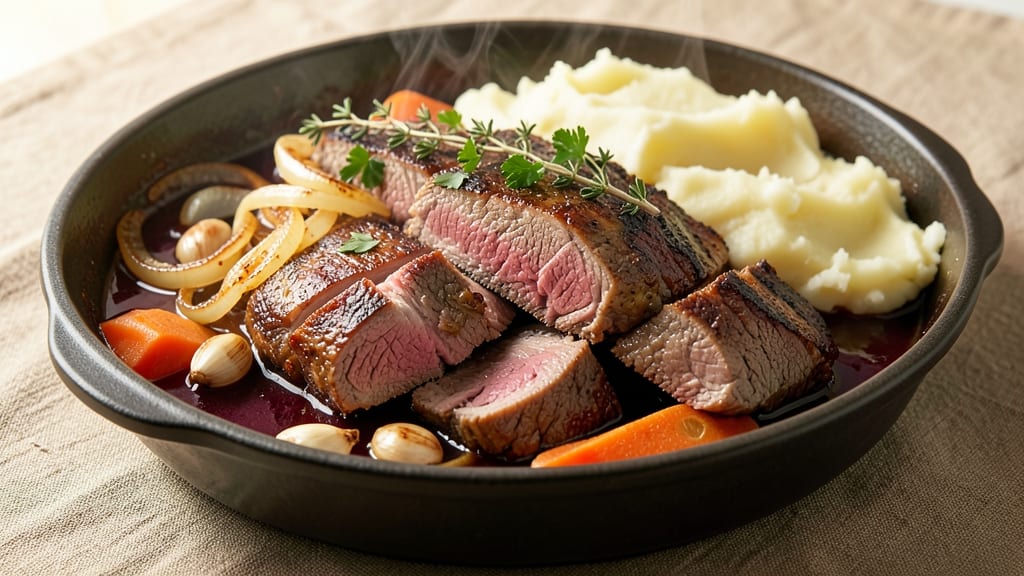
America's Test Kitchen beef bourguignon delivers restaurant-quality depth with tender beef and rich, wine-braised sauce—perfected for home cooks. The secret lies in precise searing and slow braising, transforming tough cuts into melt-in-your-mouth perfection.
This method ensures caramelized roots and a sauce so flavorful it tastes like it simmered all day, even when it doesn't.
The recipe begins with a high-heat sear to develop deep flavor in the beef, followed by a careful deglazing that captures every browned bit. A red wine reduction forms the sauce's backbone, while aromatic vegetables like carrots and onions caramelize into sweet, tender bites.
The result is a dish that balances richness with acidity, making it both comforting and refined.
What sets this version apart is its adaptability—use dry red wine or substitute with beef broth for flexibility, while the braising time guarantees tender beef every time. The sauce thickens naturally as it simmers, creating a velvety consistency that coats each bite.
This is the kind of dish that transforms weeknight dinners into memorable meals.
Serve with crusty bread to soak up every drop of that luxurious sauce, or pair with mashed potatoes for a hearty main course. The precision techniques make it approachable, while the final result feels like a Michelin-starred experience. Let's get cooking!
Ingredients for america's test kitchen beef bourguignon
Precision-crafted ingredients transform tough beef into melt-in-your-mouth perfection with deep wine-braised richness.
| Ingredient | Amount | Notes |
|---|---|---|
| Chuck Roast 🥩 | 3 lb | Center-cut for even cooking |
| Yellow Onion 🧅 | 1 whole | Large, peeled and sliced |
| Carrots 🥕 | 4 whole | Medium, peeled and cut into chunks |
| Garlic Cloves 🧄 | 6 cloves | Peeled and smashed |
| Dry Red Wine 🍷 | 2 cups | Bold variety like Cabernet Sauvignon |
| Beef Broth 💧 | 2 cups | Low-sodium preferred |
| Tomato Paste 🍅 | 2 tbsp | Smooth, not chunky |
| Fresh Thyme 🌿 | 2 sprigs | Stems removed |
| Fresh Parsley 🌿 | ¼ cup | Chopped, for garnish |
| Olive Oil 🫒 | 2 tbsp | Extra-virgin for searing |
| All-Purpose Flour 🌾 | 2 tbsp | For thickening sauce |
| Salt 🧂 | 1 ½ tsp | Diamond Crystal preferred |
| Black Pepper 🌶️ | 1 tsp | Freshly cracked |
| Bay Leaves 🍃 | 2 whole | Dried, for aroma |
The chuck roast is non-negotiable—its marbling ensures tender, flavorful meat. Opt for center-cut from a trusted butcher or grocery store's meat department, where staff can guide you to the best cuts. Whole Foods or Costco often carry high-quality chuck roasts pre-trimmed for convenience. Avoid pre-cubed beef; cutting your own ensures even-sized pieces that cook uniformly. For the wine, Trader Joe's or Total Wine offer excellent dry reds like Cabernet Sauvignon or Merlot at reasonable prices—look for bottles with vibrant color and minimal sediment.
No red wine? Beef broth with 1 tbsp balsamic vinegar delivers similar depth, though the sauce will lack wine's acidity. Fresh thyme is ideal, but dried thyme at one-third the amount works in a pinch. The tomato paste can be substituted with 1 cup crushed tomatoes if you prefer a smoother texture. For the flour, Bob's Red Mill all-purpose works best for thickening without altering flavor. The carrots and onions should be uniformly sized—cutting them into 1-inch chunks ensures even cooking and caramelization. If you're short on time, pre-cut frozen vegetables (like carrots and onions) can be used, though fresh yields superior texture.
Store the beef in its original packaging in the coldest part of your fridge—use within 3 days for optimal tenderness. The braised beef and sauce reheat beautifully; portion into airtight containers with a thin layer of sauce to prevent drying. Keeps for 4-5 days in the fridge or 3 months frozen. For best results, bring the dish to room temperature before reheating. The sauce thickens as it cools, so a splash of beef broth can restore its velvety consistency if needed. Garnish with fresh parsley just before serving to preserve its vibrant color and bright flavor.
Why You'll Love This Recipe
- Foolproof Simplicity: I swear by this recipe because it’s the kind of dish that forgives mistakes—especially when you’re chopping onions and crying into the pot. The chuck roast doesn’t need fancy trimming, and the onions and carrots just get tossed in whole before browning. (Yes, even if they’re not perfectly uniform.)
- Wine-Infused Magic: That dry red wine isn’t just for show—it actually transforms the beef into something tender and rich, like a hug in a skillet. The garlic cloves? They sizzle into oblivion, leaving behind layers of depth that make store-bought sauce look sad.
- Weeknight to Weekend: Between us, this is the only beef bourguignon I’ll make when I’m too tired for a fancy dinner. But it’s also the one I bring to potlucks because it tastes like I slaved over it. (Spoiler: I didn’t.)
- Leftovers That Beg for More: The second day is when it gets good—the beef pulls apart effortlessly, and the sauce thickens into something even better. I’ll take it to work in a thermos, or reheat it with crusty bread until my coworkers beg for the recipe. (They never get it, though.)
Step-by-step instructions for america's Test Kitchen beef bourguignon
Master this classic French technique with precision timing and flavor-building layers.
Sear the Chuck Roast for Deep Flavor
Pat the 3 lb chuck roast thoroughly dry with paper towels—this ensures maximum browning. Heat 2 tablespoons olive oil in a heavy Dutch oven over medium-high heat until shimmering. Working in batches if needed, sear the roast on all sides until deeply browned, about 8-10 minutes total. This caramelization forms the flavor foundation.
Resist the urge to move the meat around—let it develop a crust undisturbed. Once browned, remove the roast and set it aside. You'll notice the oil will look dark and rich—this is where all the flavor begins. Keep the Dutch oven on the heat for the next step.
Build the Aromatic Base with Caramelized Vegetables
In the same Dutch oven, add the sliced 1 whole yellow onion and 4 whole carrots (cut into chunks). Cook for 8-10 minutes until the vegetables soften and begin to caramelize, stirring occasionally. The onions should turn golden brown while the carrots develop a tender texture—this takes patience but creates incredible depth of flavor.
Add the 6 cloves smashed garlic and cook for 30 seconds until fragrant. Here's where the magic happens: sprinkle 2 tablespoons all-purpose flour over the vegetables and stir vigorously for 1 minute to coat everything evenly. This creates a roux that will later thicken your sauce beautifully.
Deglaze with Wine and Reduce the Sauce
Pour in the 2 cups dry red wine, scraping up all the browned bits from the bottom of the pot with a wooden spoon. This deglazing step captures all the flavor that would otherwise burn. Bring to a simmer and cook for 5-7 minutes until the liquid reduces by about half, leaving a concentrated wine sauce.
Stir in the 2 tablespoons tomato paste and cook for another 2 minutes until fully incorporated. This adds a subtle sweetness that balances the acidity of the wine. The sauce should now coat the back of a spoon with a velvety texture—this is your base for the rich braising liquid.
Braise Until Tender with Perfectly Balanced Flavors
Return the seared chuck roast to the Dutch oven. Add the 2 cups beef broth, 2 sprigs fresh thyme, 2 whole bay leaves, 1.5 teaspoons salt, and 1 teaspoon black pepper. Bring to a gentle simmer, then cover and transfer to a 325°F oven for 2-2.5 hours. The meat should be fork-tender when pierced with a knife.
About 30 minutes before the roast is done, add the caramelized vegetables back to the pot. This ensures they're heated through and absorb all the rich braising liquid. The dish should smell like a symphony of wine, herbs, and caramelized roots—this is when you know you're on the right track.
Finish with Fresh Herbs and Garnish
Remove the roast and vegetables from the braising liquid and transfer to a serving platter. Skim off any excess fat from the surface of the sauce, then return the liquid to the Dutch oven. Simmer uncovered for 5-7 minutes to reduce slightly and intensify the flavors.
Stir in the 0.25 cup chopped fresh parsley just before serving. This bright herb cuts through the richness of the wine and beef. Slice the chuck roast against the grain into ¼-inch thick slices and serve immediately with the vegetables and reduced sauce spooned over the top. Each bite should deliver tender meat, caramelized vegetables, and a velvety wine sauce that coats your palate.
Pro Tips For Making America'S Test Kitchen Beef Bourguignon
- Brown the Meat Long: Don’t rush this step—it’s where the flavor hides. I used to walk away after 2 minutes, but the recipe calls for 5-7 minutes until deep brown crusts form. Use a cast-iron or heavy skillet and let it sit undisturbed for stretches; that’s how you build the Maillard magic.
- Salt the Wine: The recipe says to deglaze with wine, but I now add a pinch of salt to the wine first. It balances the acidity and rounds out the sauce later—something I learned after tasting a version that tasted sharp and unfinished.
- Don’t Overcrowd the Pot: If you dump all the veggies in at once, they’ll steam instead of caramelize. Cook the onions and carrots in batches if needed, and resist the urge to stir constantly—let them develop color in the fat first.
- Simmer Uncovered: The recipe’s low-and-slow simmer works best uncovered after the first 30 minutes. I used to cover it tightly, and the sauce turned gloppy. Letting it breathe reduces excess moisture and concentrates the flavors—just add a splash of water if it gets too dry.
Dietary considerations for this recipe
Gluten-Free Adaptation
Replace the 2 tablespoons all-purpose flour with 2 tablespoons gluten-free all-purpose flour blend like Bob's Red Mill 1-to-1. This ensures the sauce thickens properly without compromising texture. For extra insurance, sprinkle 1 teaspoon cornstarch over the vegetables after adding flour to create a smooth, velvety consistency. 🌾
Dairy-Free Considerations
This recipe is naturally dairy-free, but watch for hidden sources like butter in some beef broths. Opt for low-sodium beef broth without added dairy ingredients. The rich wine and tomato base provide plenty of flavor without needing dairy, making it perfect for lactose-intolerant diets.
Low-Sodium Version
Use low-sodium beef broth and reduce the added salt to 1 teaspoon instead of 1.5 teaspoons. Boost flavor with 1 extra sprig fresh thyme and ½ teaspoon smoked paprika to compensate for the reduced sodium. The wine and tomato paste already provide enough depth to keep the dish flavorful.
Vegetarian-Friendly Swap
For a meatless version, replace the chuck roast with 3 cups portobello mushrooms or firm tofu cut into large chunks. Sear the mushrooms or tofu in the same way before braising.
The vegetables and wine reduction will still create a rich, satisfying sauce. Add 1 tablespoon soy sauce to the braising liquid for umami depth.
Allergen-Friendly Tips
Always check labels on beef broth and tomato paste for hidden allergens. For nut-free kitchens, avoid garnishes like pine nuts—stick to fresh parsley or a sprinkle of toasted pumpkin seeds instead. The recipe's core ingredients are naturally free from top allergens, making it adaptable for most dietary needs.
Protein Variations
Swap the beef for pork shoulder (braise for 1.5 hours) or lamb shanks (braise for 2.5 hours) for different flavor profiles. Chicken thighs work too—braise for 45 minutes after searing.
Adjust cooking times based on the protein's density, but maintain the same wine reduction and vegetable base for consistency. 🥩
Nutrition facts
Frequently asked questions
Why does America's Test Kitchen recommend center-cut chuck roast?
The center-cut provides more even fat distribution, which prevents uneven cooking and ensures tender results. The marbling in this cut breaks down during braising, creating melt-in-your-mouth texture. For best results, ask your butcher to trim excess fat while keeping the natural marbling intact.
Can I substitute wine with something else if I don't have red wine?
Yes! Use 2 cups beef broth plus 1 tablespoon balsamic vinegar for similar depth, though the sauce will lack wine's acidity. For a non-alcoholic option, try 1 cup beef broth + 1 cup apple cider—the acidity helps balance the richness. The key is maintaining the 2 cups total liquid for proper braising.
How do I know when the beef is fully tender?
Use a fork or meat thermometer—beef should reach 203°F internally and be fork-tender with no resistance. For chuck roast, 2-2.5 hours at 325°F is ideal, but timing varies by cut thickness. The meat should easily shred with a fork when done.
What's the best way to reheat leftovers?
Reheat in the oven at 300°F for 30-45 minutes to maintain sauce consistency. For stovetop, simmer covered on low heat with 2 tablespoons beef broth to prevent drying. Never microwave—it makes the sauce watery and beef tough. Leftovers keep 4-5 days refrigerated or 3 months frozen.
Can I make this in a slow cooker?
Yes! Sear the beef and vegetables as directed, then transfer everything to a slow cooker. Add all braising liquids and cook on LOW for 7-8 hours or HIGH for 4-5 hours. The low-and-slow method works perfectly, though the sauce may be thinner—reduce it on the stovetop before serving.