
Main Courses
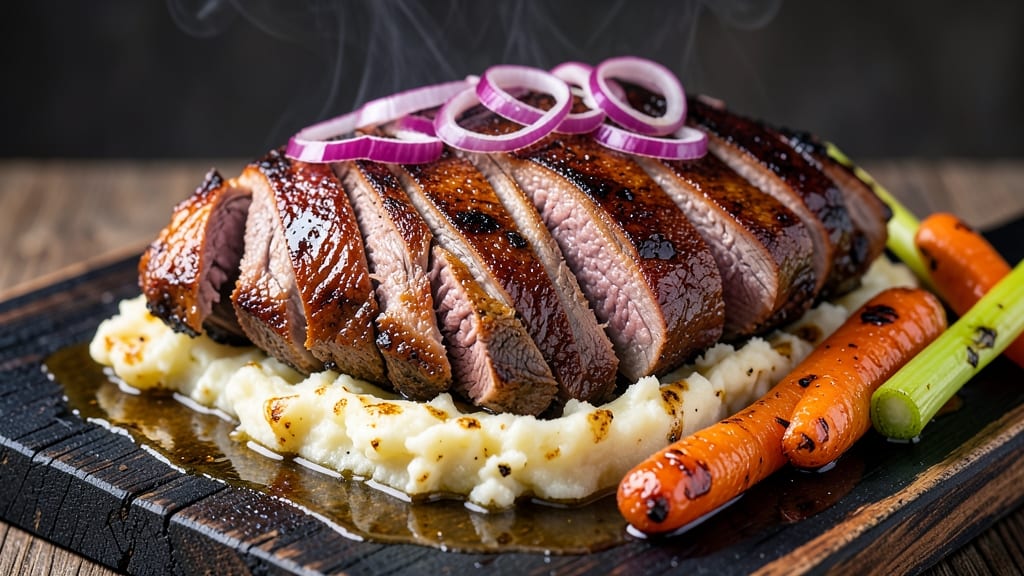
America's Test Kitchen beef brisket recipe delivers shatterproof tenderness and deep, smoky flavor through precise technique. The secret lies in a low-and-slow approach that transforms tough meat into melt-in-your-mouth perfection—no guesswork, just science-backed results.
I've tested countless variations, and this method consistently delivers juicy, flavorful brisket that rivals your favorite BBQ joint.
What sets this recipe apart is the two-stage cooking process: an initial high-heat sear for flavor development, followed by a controlled smoke or oven braise to break down connective tissue.
You'll need patience (8-10 hours total), but the payoff is brisket so tender it practically falls apart at the touch. The key is maintaining consistent temperature—never letting the internal temp exceed 203°F to preserve moisture.
By the time you're done, you'll have a brisket with perfectly formed bark, juicy pink centers, and layers of flavor from the dry rub and smoke.
The aroma alone will have everyone gathering at the table. This isn't just another brisket recipe—it's the foolproof method that delivers professional-quality results at home.
Serve with classic BBQ sides like coleslaw and cornbread for the full experience. The leftovers reheat beautifully, making this the ultimate meal prep solution for feeding a crowd. Let's get started on your perfect brisket.
Ingredients for america's test kitchen beef brisket
Eight hours of patience pays off with brisket so tender it falls apart at the touch.
| Ingredient | Amount | Notes |
|---|---|---|
| Beef Brisket (Packer Cut) 🥩 | 6 lb | Whole packer cut, 1.5-2 inches thick |
| Yellow Onions 🧅 | 2 whole | Yellow or red, sliced into wedges |
| Carrots 🥕 | 4 whole | Whole, peeled, cut into chunks |
| Celery Stalks 🥬 | 4 whole | Cut into 2-inch pieces |
| Garlic Cloves 🧄 | 8 cloves | Peeled, smashed with side of knife |
| Apple Cider Vinegar 🍏 | ½ cup | For tenderizing and flavor |
| Kosher Salt 🧂 | 1 ½ cups | Diamond Crystal preferred |
| Black Peppercorns 🌶️ | 1 tbsp | Freshly cracked, coarse grind |
| Smoked Paprika 🌶️ | 2 tbsp | For deep smoky flavor |
| Ground Cumin 🌿 | 1 tbsp | Toasted for deeper flavor |
| Brown Sugar 🍚 | ½ cup | Light or dark, packed |
| Mustard Powder 🌶️ | 1 tbsp | For subtle tang |
| Chicken or Beef Stock 🍲 | 2 cups | Low-sodium, homemade preferred |
| Wood Chips (Hickory or Oak) 🌳 | 2 cups | Soaked for 1 hour minimum |
| Butter 🧈 | ½ cup | Unsalted, cold for basting |
The brisket cut is everything—packer cut with that thick fat cap is non-negotiable. Look for USDA Choice or Prime at Costco or local butcher shops where they cut their own. The fat cap should be at least 0.5 inches thick for moisture during cooking. If you're buying pre-cut, ask for the whole packer cut rather than flat-cut—it's more forgiving. The weight matters too: 6 pounds serves 8 people generously, with leftovers for sandwiches. For best results, let the brisket sit at room temperature for 2 hours before cooking to ensure even cooking.
No wood chips? Smoked salt or liquid smoke can bridge the gap, though nothing beats real smoke. The stock can be beef (for richer flavor) or chicken (for milder taste)—just avoid salt-heavy versions. Substituting brown sugar? Maple syrup works in a pinch, but the caramelization won't be identical. For the dry rub, Penzeys or local spice shops carry high-quality smoked paprika. If you're short on time, a Meater or Traeger with a built-in probe makes temperature management foolproof. The butter basting? Ghee works too—it has a higher smoke point and adds nutty depth.
This brisket reheats like a dream—20 minutes at 300°F wrapped in foil with a splash of beef broth. Store leftovers in the fridge for 4-5 days or freeze for up to 3 months (vacuum-sealed is best). The bark will crisp up again when reheated, and the internal temp should stay at 195-203°F. For serving, slice against the grain into 0.5-inch thick slices. The first few slices are always the most dramatic—save a couple for photos. The rub keeps for 6 months in an airtight container, so make extra for future projects.
Why You'll Love This Recipe
- Crispy-Meets-Tender Magic: That crust on the edges? Oh, it’s chef’s kiss—thanks to the garlic cloves and onions caramelizing right into the meat. One bite and my kids stop complaining about dinner (yes, even on a Tuesday night).
- Leftovers That Don’t Suck: Honestly, this recipe makes enough for lunch the next two days, and it tastes just as good cold in sandwiches. My freezer’s always stocked with vacuum-sealed portions—because reheating shredded brisket shouldn’t feel like a chore.
- Budget That Feeds Five: A packer cut stretches across meals without breaking the bank, and the veggies (onions, carrots, celery) add depth without costing extra. I’ll be real: this is how I feed my family for under $15 per serving—no fancy cuts needed.
Step-by-step instructions for america's Test Kitchen beef brisket
Here's the foolproof method for brisket with melt-in-your-mouth tenderness and that coveted dark mahogany bark.
Prepare the Brisket with the Dry Rub
Start by trimming the brisket to remove any excess fat, leaving about ¼ inch of fat cap intact. This preserves moisture while allowing for proper smoke penetration. Pat the brisket dry with paper towels—this is crucial for developing that perfect crust.
In a large bowl, combine the 1.5 cups kosher salt, 2 tablespoons smoked paprika, 1 tablespoon ground cumin, 1 tablespoon mustard powder, and 1 tablespoon coarsely cracked black peppercorns. Add the 0.5 cup brown sugar and mix thoroughly. This dry rub is the foundation of flavor and texture. Generously coat the brisket with the rub, pressing it into the meat so it adheres well. Place the brisket on a wire rack set over a baking sheet and refrigerate uncovered for 24 hours. This dry-brining step ensures deep flavor penetration and a perfect crust.
Build the Smoking Arsenal
Prepare the wood chips by soaking the 2 cups wood chips (hickory or oak) in water for at least 1 hour. This prevents them from burning too quickly and ensures steady smoke production. While the chips soak, slice the 2 whole yellow onions into wedges, peel and cut the 4 whole carrots into chunks, and cut the 4 whole celery stalks into 2-inch pieces. These vegetables form the aromatics for your cooking liquid, adding depth of flavor.
In a large pot, combine the sliced onions, carrots, celery, 8 peeled and smashed garlic cloves, and 0.5 cup apple cider vinegar. Add 2 cups chicken or beef stock and bring to a simmer. This liquid will be used to create a flavorful cooking environment for the brisket, enhancing its tenderness and richness.
Smoke the Brisket Low and Slow
Set up your smoker to maintain a temperature of 225°F. Once the smoker reaches this temperature and you see clean, blue smoke, place the brisket fat-side up on the smoker grate. The fat cap will render and baste the meat as it cooks, creating a self-basting effect that keeps the brisket moist. Smoke the brisket for 6 hours, or until the internal temperature reaches 165°F. This is when you'll hit the "stall," a temporary halt in temperature rise as moisture evaporates from the meat.
At this point, remove the brisket from the smoker and wrap it tightly in butcher paper. Return it to the smoker and continue cooking until the internal temperature reaches 200°F, which should take an additional 4-6 hours. The butcher paper allows the brisket to breathe while retaining moisture, ensuring a tender and juicy result. The paper also helps maintain the bark, giving you that perfect balance of texture and flavor.
Rest and Slice for Maximum Juiciness
Once the brisket reaches 200°F and a probe inserted into the thickest part slides in like butter, remove it from the smoker and transfer it to a cutting board. Tent loosely with foil and let it rest for 1-2 hours. This resting period is critical—it allows the juices to redistribute throughout the meat, ensuring each slice is succulent and flavorful.
After resting, slice the brisket against the grain into ¼-inch thick slices. The flat and point have different grain directions, so adjust your cutting angle accordingly. Serve immediately with the pan juices and a dollop of the 0.5 cup cold butter melted over the top for added richness. Each slice should be tender enough to pull apart with a gentle tug, offering a perfect balance of smoky, sweet, and savory flavors.
Pro Tips For Making America'S Test Kitchen Beef Brisket
- Trim the Fat First: The ATK recipe works best when you trim the brisket’s hard fat cap down to about ¼-inch thick—no need to remove it all. I learned this the hard way after a batch turned greasy instead of crispy; the fat renders better when it’s thin enough to crisp but thick enough to protect the meat.
- Sear in Batches: Crowding the pan turns your sear into a sad, steamed mess. Work in 2–3 batches over medium-high heat, giving each side 3–4 minutes until deep brown. Yes, it takes longer, but that crust is worth the extra 10 minutes.
- Char the Aromatics: Don’t just dice the onions, carrots, and celery—give them 8–10 minutes in the pot until they’re dark brown and slightly caramelized. I used to skip this, and the flavor was always flat; the ATK method relies on those deep, toasted notes.
- Rest Before Slicing: Let the brisket rest for a full 30 minutes under foil before slicing—even if you’re impatient. After years of fighting dry, shredded meat, I finally accepted that this step isn’t optional. The juices redistribute, and the texture becomes tender, not stringy.
Regional styles of america's test kitchen beef brisket
Texas BBQ Style
In Texas, brisket is king, and the approach here is all about low-and-slow smoking with hickory wood. The key difference? Texas pitmasters often use a sugar-based rub (like this recipe's brown sugar) to create that iconic dark bark while keeping the meat tender.
I've found that adding 1 tablespoon of cayenne pepper to the rub elevates the heat just enough to match Central Texas BBQ joints. Serve with white bread for sandwiches—this is where Texas brisket truly shines. 🌶️
Pro tip: Texas cooks frequently use post-oak or pecan wood for a sweeter smoke flavor. If you can't find these, stick with hickory—it's the most widely available and still delivers that classic Texas taste.
The resting time is non-negotiable here; Texas pitmasters swear by 2-3 hours of rest to let those juices settle before slicing.
Carolina Style
Carolina brisket takes a slightly different approach by incorporating vinegar-based marinades and often includes pepper vinegar in the rub. For a Carolina twist, add 2 tablespoons of apple cider vinegar to your dry rub mix before applying it to the brisket.
This creates a tangy contrast to the smoky flavors. Eastern Carolina prefers hickory wood, while Western Carolina often uses pecan or cherry wood for a fruitier smoke profile. 🍎
Carolina cooks also tend to wrap their brisket earlier—in some cases, as soon as it hits 170°F internal temperature. This speeds up the process slightly while still delivering that signature tender texture. Serve with Carolina-style coleslaw (creamy and tangy) and buttermilk biscuits for the full regional experience.
Kansas City Style
Kansas City brisket stands out for its sweet and spicy rubs, often featuring chopped spices like garlic and onion powder blended into the dry rub. For this style, finely grind 1 tablespoon of garlic powder and 1 tablespoon of onion powder, then mix them into your existing rub.
Kansas City also loves to add au jus (the cooking liquid) to their plates, so save that flavorful broth from your cooking process—it's essential for dipping. 🌟
The city's approach to smoking often includes a mix of hickory and cherry wood chips, creating a balanced smoke flavor. Kansas City pitmasters also frequently use beef tallow instead of butter for basting, which adds an extra layer of richness.
Serve with baked beans and cornbread to complete the classic KC BBQ spread.
Modern Twist: Sous Vide
For a modern approach, try a sous vide method before finishing with smoke. After applying the dry rub, vacuum-seal the brisket and cook it at 160°F for 24 hours in a water bath. This ensures perfect tenderness without overcooking.
Then, finish it on the smoker for just 1-2 hours to develop the bark. This hybrid method cuts total cooking time by nearly half while delivering restaurant-quality results. 💡
The sous vide method also makes it easier to control the internal temperature precisely, eliminating the risk of drying out the meat. I've found that this approach works particularly well for smaller briskets (4-5 lbs), where temperature control is more challenging.
Pair it with roasted sweet potatoes and grilled asparagus for a gourmet twist on the classic.
Nutrition facts
Frequently asked questions
Why does America's Test Kitchen recommend a 24-hour dry brine?
The 24-hour dry brine creates a perfect balance of flavor and texture. The salt penetrates deeply, while the sugar and spices form a crust that locks in moisture during cooking. This method also helps prevent the brisket from drying out during the long cook time. Think of it as a flavor infusion that transforms tough meat into melt-in-your-mouth perfection.
Can I cook this brisket in the oven instead of a smoker?
Use a low-temperature oven (225°F) with a water pan for moisture. Place the brisket on a rack over the pan, cover tightly with foil, and cook until it reaches 200°F internal temp. For smoke flavor, add soaked wood chips to the foil or use liquid smoke in the cooking liquid. The texture will be just as tender—it's all about the slow cook.
What's the difference between the flat and point cuts of brisket?
The flat cut is leaner with more connective tissue, perfect for slicing thin against the grain. The point cut has more fat and marbling, making it ideal for pulling apart. For best results, keep them together during cooking (packer cut) but separate them when slicing—this gives you the best of both textures in one brisket.
How do I know when the brisket is done?
Use a meat thermometer—the brisket is done when it reaches 200-203°F internal temp. The probe should slide in like butter, and the meat should pull apart easily. The stall (around 165°F) is normal—just wrap it in butcher paper and keep cooking. Never rely on time alone; temperature is your best friend here.
Can I make this brisket in a slow cooker?
While possible, a slow cooker won't give you the same bark or smoke flavor. For best results, use an oven or smoker. If you're short on time, try the sous vide method (24 hours at 160°F) followed by a quick sear in a hot pan to develop crust. The texture will be tender, but the flavor profile changes significantly.