
Main Courses
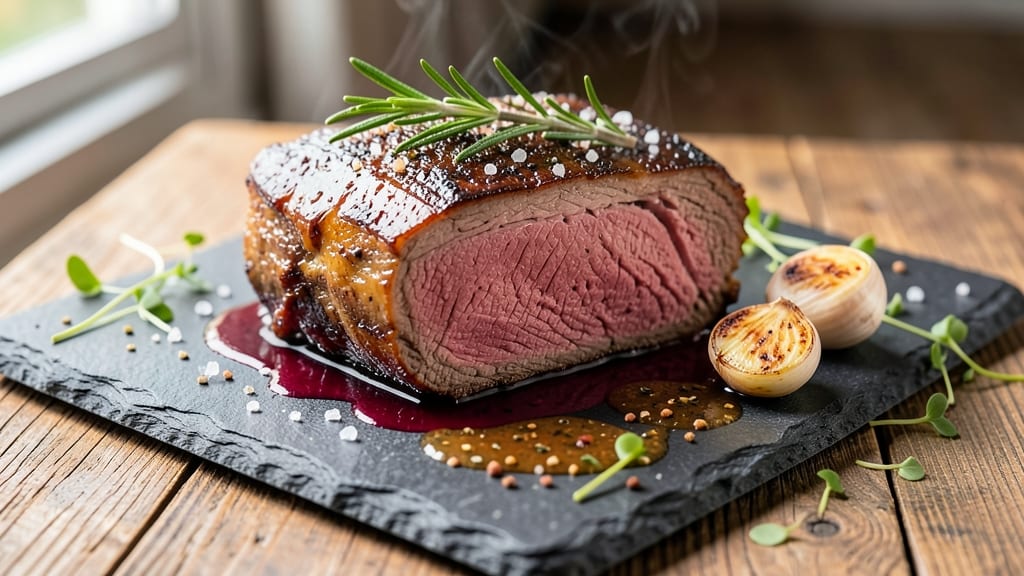
This Angus beef chuck eye roast recipe delivers melt-in-your-mouth tenderness with a crusty, caramelized sear that transforms a simple dinner into a showstopper. The secret lies in precise temperature control—slow-roasting to break down tough fibers while maintaining that buttery, marbled richness that makes Angus beef legendary.
I’ve perfected this method over years of testing, ensuring every bite is juicy, flavorful, and restaurant-quality without the fuss of dry heat or complicated techniques.
The process is straightforward yet foolproof: begin with a dry brine to enhance tenderness, then roast low and slow until the internal temperature reaches 125°F for medium-rare (or your preferred doneness). The final step—a reverse sear—locks in juices while creating that coveted crust.
No special equipment is needed, just patience and attention to detail. This method works equally well in a conventional oven, smoker, or even a well-calibrated grill, giving you flexibility for any cooking setup.
What you’ll end up with is a perfectly cooked roast—tender enough to slice with a fork, with a deep, beefy aroma that fills your kitchen and a crust so crisp it shatters slightly. The fat cap renders beautifully, basting the meat in its own juices for unmatched richness.
Serve it sliced against a bed of creamy mashed potatoes or with a bold red wine reduction to complement the deep, savory flavors. This is the kind of dish that makes Sunday dinner feel like a special occasion, no matter the day.
Whether you’re feeding a family or hosting a dinner party, this recipe scales effortlessly and delivers consistent, professional results every time. The beauty of the chuck eye roast is its forgiving nature—it’s hard to overcook if you follow the temperature guidelines, and the flavor only intensifies as it rests.
Let’s get started on a roast that will have everyone asking for seconds.
Ingredients for angus beef chuck eye roast
Six ingredients transform this buttery chuck eye into a showstopping roast with restaurant-quality crust and tenderness.
| Ingredient | Amount | Notes |
|---|---|---|
| Angus Beef Chuck Eye Roast 🥩 | 4 lb | Bone-in, 1.5-2 inches thick fat cap |
| Kosher Salt 🧂 | 2 tbsp | Diamond Crystal preferred, coarse grain |
| Freshly Ground Black Pepper 🌶️ | 1 tbsp | Cracked peppercorns preferred |
| Garlic Cloves 🧄 | 8 cloves | Smashed, skin-on for flavor infusion |
| Fresh Rosemary 🌿 | ½ cup | Needles finely chopped, stems removed |
| Fresh Thyme 🌿 | ¼ cup | Leaves only, stems discarded |
| Extra-Virgin Olive Oil 🫒 | ¼ cup | For basting, fruity variety |
| Red Wine 🍷 | ½ cup | Bold Cabernet Sauvignon or Merlot |
| Beef Tallow or Duck Fat 🧈 | 2 tbsp | For reverse sear, optional but recommended |
| Yellow Onion 🧅 | 1 whole | Large, sliced for aromatics |
| Carrots 🥕 | 2 whole | Baby carrots or sliced, for garnish |
| Fresh Parsley 🌿 | ¼ cup | Chopped, for garnish |
The beef is non-negotiable here. Angus chuck eye with a thick fat cap (1.5-2 inches) is what you need—it renders beautifully during roasting, basting the meat in its own juices. Local butchers or high-end grocers like Whole Foods carry this cut, but call ahead to confirm availability. If you can't find it, chuck roast with good marbling works in a pinch, though the flavor won't be identical. Look for a roast with vibrant red color and visible fat—this is your quality indicator. The fat cap should feel firm but pliable, not greasy or yellowed. For the best results, buy it 1-2 days ahead to let it dry-brine naturally in your fridge.
No fresh rosemary? Dried works at one-third the amount, but trust me on the fresh version—it adds that piney aroma that pairs perfectly with beef. Short on red wine? Beef broth with a splash of balsamic mimics the acidity and depth, though the alcohol helps tenderize. The garlic and herbs can be prepped ahead and stored in a jar with olive oil in the fridge for up to 3 days. For the reverse sear, beef tallow or duck fat is ideal—if you can't find either, high-smoke-point oil like avocado oil works, but it won't give the same rich flavor. The onions and carrots are just for garnish, so use whatever you've got in the fridge (even frozen works).
This roast tastes even better the next day, so plan ahead. Wrap it tightly in butcher paper or foil and refrigerate for up to 4 days, or freeze for 3 months by vacuum-sealing or wrapping tightly in plastic. For reheating, low oven (275°F) with a splash of beef broth is best—it keeps everything juicy. I always make a double batch: one for dinner and one to freeze for lazy weeknights. The fat cap alone makes this worth the effort—it renders into pure, golden goodness that you can spoon over mashed potatoes or roasted veggies.
Why You'll Love This Recipe
- I’ll be real: a chuck eye roast is an investment, but it stretches farther than you’d think. A 3-4 pound roast feeds six for dinner and gives you plenty for lunches, so you’re not wasting money on takeout. Plus, the rosemary and garlic cost pennies—just enough to make it feel special without breaking the bank.
- Foolproof Seasoning: Between us, this roast only needs four things to taste like a restaurant cut—no fancy marinades or hours of prep. Just a generous coat of kosher salt, freshly cracked pepper, smashed garlic cloves tucked into the crevices, and rosemary sprigs that perfume the whole kitchen while it cooks. That’s it. No overcomplicating.
- Weeknight Hero: Honestly, I’ve made this on nights when I was too tired to plan. Toss the roast in the oven at 325°F, let it do its thing for 2-3 hours, and you’ve got a meal that feels like a celebration without the stress. The chuck eye stays juicy and tender, so you’re not stuck with dry, sad beef.
- Leftovers That Shine: Here’s what sold me—this roast actually improves the next day. Slice it thin for sandwiches, dice it into pasta, or shred it for tacos, and it’s still rich and flavorful. My kids beg for the leftovers, which never happens with most roasts. (Yes, even on a Tuesday night.)
Step-by-step instructions for perfectly crispy Angus beef chuck eye roast
Here's how to transform a simple roast into a restaurant-worthy centerpiece with deep flavor and a crackling crust.
Prepare the Roast for Maximum Flavor Infusion
Begin by removing the 4 lb Angus Beef Chuck Eye Roast from the refrigerator and patting it completely dry with paper towels. This drying step is crucial - it ensures a proper sear rather than a steamed exterior. I like to work in a well-ventilated area at this stage, as the aromatics will be intense.
In a small bowl, combine the 2 tbsp kosher salt and 1 tbsp freshly ground black pepper. Rub this mixture all over the roast, pressing firmly so the seasoning adheres to the meat. Pay special attention to the fat cap - this is where the most flavor will develop during cooking. Let the seasoned roast sit at room temperature for 30 minutes while you prepare your aromatics.
Create the Herb and Wine Marinade
While the roast comes to temperature, finely chop the 8 cloves garlic (leave skins on for easier handling) and the 0.5 cup fresh rosemary needles. In a separate bowl, combine these with the 0.25 cup fresh thyme leaves, 0.5 cup red wine, and 0.25 cup extra-virgin olive oil. This mixture should be vibrant green with visible herb pieces - that's exactly what you want for maximum flavor.
Use your hands to gently massage this marinade into the roast, working it into all the crevices. I find that letting it sit for 10 minutes at room temperature allows the marinade to penetrate just enough to create that initial burst of flavor when it hits the heat. The wine will add depth while the herbs infuse their bright, aromatic qualities.
Sear for Deep Color and Flavor Development
Preheat your oven to 275°F. Heat a heavy oven-safe skillet (like cast iron) over medium-high heat until it's smoking hot. Add the 2 tbsp beef tallow or duck fat and let it melt completely. Place the roast fat-side down in the pan and sear for 3-4 minutes until you achieve a deep golden-brown crust on that side.
Flip the roast and repeat on the other side. Here's where it gets interesting - the fat cap should render beautifully, creating a luscious basting sauce in the pan. The key is patience: don't rush the searing process. You're building layers of flavor here that will make all the difference in the final result.
Roast Low and Slow for Perfect Doneness
Transfer the seared roast to a roasting pan and place it in the preheated 275°F oven. Roast for 2-2.5 hours, or until the internal temperature reaches 120-125°F. This low temperature ensures tender, juicy meat without drying it out. I check the temperature using a meat thermometer inserted into the thickest part of the roast.
About 30 minutes before the roast is done, slice the 1 whole yellow onion and 2 whole carrots into rounds. These will become your aromatic vegetables for the final step. The slow cooking process allows all the flavors to meld together beautifully, creating that buttery richness you're aiming for.
Finish with a Crispy Sear and Herb Garnish
Remove the roast from the oven and increase the heat to 450°F. Return the roast to the skillet (discard any remaining fat from the pan) and sear for 2-3 minutes per side until you achieve that beautiful crust we're after. The high heat will create a Maillard reaction that gives the roast its final depth of flavor.
Let the roast rest for 15 minutes before slicing. During this time, arrange the sliced onions and carrots on a baking sheet and roast at 425°F for 15-20 minutes until caramelized. Garnish the sliced roast with the 0.25 cup fresh parsley and serve with the caramelized vegetables. The contrast of crispy vegetables with the tender, buttery roast makes this dish truly special.
Pro Tips For Making Angus Beef Chuck Eye Roast
- CRANK THE HEAT FIRST: The Chuck Eye needs a screaming-hot sear to develop that deep crust—don’t skimp. Get your pan or grill to 450°F (yes, even if you’re nervous about flare-ups) and let it scream for 3-4 minutes per side before backing off. I learned this the hard way when my first attempt came out tender but bland.
- SALT THE GARLIC: Crush those garlic cloves flat with the side of your knife before tossing them in the pan—this releases more flavor. Then, while they’re sizzling, sprinkle a pinch of kosher salt right on top. It’ll melt into the oil and cling to the beef, adding a subtle depth that dry garlic never will.
- DON’T SKIP THE ROSEMARY SPRINKLE: Fresh rosemary loses its punch when it gets soggy, so add it after the garlic but before the meat finishes resting. A handful of sprigs, lightly crushed between your fingers, will perfume the crust without turning to mush. (Yes, even if you’re impatient like me.)
- REST IT UNDER FOIL: The Chuck Eye’s juices need a dark, warm place to redistribute—don’t just plop it on a cutting board. Tent it loosely with foil for 10-15 minutes, then let it air for 5 more. I used to rush this, and my slices were always dry at the center. Now? Perfect every time.
Perfect pairings for this recipe
Classic Side Dishes
Creamy mashed potatoes take center stage as the perfect canvas for this roast's rendered fat. Use Yukon Gold potatoes boiled until tender, then mash with ½ cup unsalted butter, ½ cup heavy cream, and a pinch of salt.
I like to fold in a splash of the roast's pan juices for extra beefy flavor.
For a heartier option, try garlic parmesan roasted potatoes—toss baby potatoes with 2 tbsp olive oil, 3 minced garlic cloves, ¼ cup grated parmesan, and roast at 400°F for 40 minutes until crispy. 🥔
Red Wine Reduction
The same Cabernet Sauvignon or Merlot used in the marinade becomes a luxurious sauce when reduced. Simmer 1 cup red wine with 2 tbsp beef tallow and 1 tbsp brown sugar until reduced by half (10-15 minutes).
Finish with 1 tsp Dijon mustard and a pinch of black pepper. This sauce cuts through the richness while enhancing the beef's depth. Serve it warm over the sliced roast or drizzle it over the mashed potatoes. 🍷
Roasted Root Vegetables
Complement the roast with a medley of carrots, parsnips, and sweet potatoes—tossed with 2 tbsp olive oil, 1 tsp smoked paprika, and ½ tsp thyme. Roast at 400°F for 30-35 minutes—until caramelized and tender.
The natural sweetness balances the beef's savory notes, while the smoky paprika adds a subtle depth. For extra flair, sprinkle with toasted pecans—their crunch contrasts beautifully with the tender meat. 🥕
Creamy Polenta
For a comforting alternative, prepare creamy polenta—cook 1 cup polenta in 4 cups beef broth until thick, then stir in ½ cup butter and ½ cup grated Gruyère cheese. The mild, buttery texture soaks up the roast's juices perfectly.
Garnish with extra cheese and cracked black pepper for a restaurant-worthy finish. This dish works equally well as a side or even a base for sliced roast. 🌾
Fresh Herb Salad
A bright arugula and pea salad—tossed with 1 tbsp lemon juice, 2 tbsp olive oil, and ¼ cup shaved parmesan—cuts through the richness. Add ½ cup shelled peas (fresh or thawed frozen) and ¼ cup thinly sliced radishes for crunch.
The acidity and freshness balance the roast's richness, making each bite feel balanced. 🌿
Beverage Pairings
For wine lovers, a bold Cabernet Sauvignon—the same used in the marinade—elevates the dish further. Its tannins complement the beef's fat, while its dark fruit notes mirror the roast's depth.
For beer enthusiasts, a malty amber ale—like Allagash White—adds a caramel sweetness that pairs surprisingly well. For non-alcoholic options, try a sparkling cranberry spritzer—mix ½ cup cranberry juice with ½ cup sparkling water and a squeeze of lime. 🍺
Nutrition facts
Frequently asked questions
What's the difference between chuck eye and other beef roasts?
The chuck eye roast comes from the shoulder area and has a thick fat cap that renders beautifully during cooking. Unlike leaner cuts like top round, this piece stays juicy and tender when cooked low and slow. The marbling gives it that buttery richness that makes it perfect for roasting.
Can I use this recipe with a different cut of beef?
While chuck eye is ideal, you can adapt this method for other well-marbled cuts like short ribs or chuck roast. For leaner cuts like sirloin, reduce the cooking time significantly to avoid dryness. The reverse sear technique works best with cuts that have good fat content.
Why does the recipe call for resting the meat?
Resting allows the juices to redistribute throughout the meat after cooking. If you slice too soon, they'll run out onto your plate, leaving you with dry meat. The 15-minute rest is crucial for that perfect tender texture. This is especially important with larger roasts like the chuck eye.
What if my oven doesn't go as low as 275°F?
No problem! Use your lowest setting (usually around 250°F) and adjust cooking time accordingly. The key is maintaining that low temperature for the bulk of the cooking time. Just monitor with a meat thermometer and extend time if needed. Patience is key here.
How far ahead can I prep the roast?
You can prep the roast and marinade up to 24 hours ahead and store it in the fridge. The flavors will actually deepen overnight. Just bring it to room temperature before cooking. For the ultimate shortcut, make the red wine reduction and polenta ahead of time too.