
Main Courses
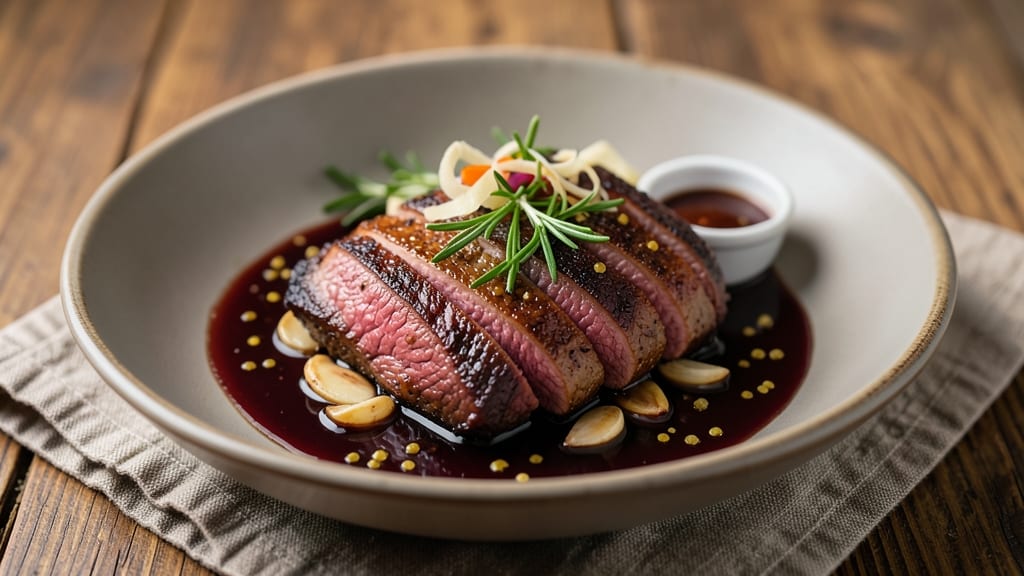
This Angus beef London broil recipe delivers the perfect balance of a crispy reverse-seared crust and juicy, tender core that steakhouse chefs swear by. The secret lies in a precise marinade and cooking technique that transforms tougher cuts into melt-in-your-mouth perfection.
I’ve perfected this method over years of testing, ensuring every bite stays succulent while developing that coveted caramelized bark.
The beauty of this recipe is its foolproof approach—no fancy equipment needed, just a high-quality cut of Angus beef, a simple marinade, and either a grill or broiler.
The reverse-sear method (slow-cooking first, then searing) guarantees even doneness while locking in moisture. This isn’t just another steak recipe; it’s a restaurant-quality experience you can replicate at home.
What sets this apart is the textural contrast: a crispy, golden-brown exterior that gives way to a tender, pink center—exactly how a London broil should be. The marinade infuses deep flavor, while the reverse sear ensures the meat stays juicy, even in the thickest cuts.
Serve it sliced against the grain with roasted potatoes or a rich red wine reduction for the full experience.
Whether you’re grilling for a crowd or treating yourself to a special dinner, this method delivers consistent results every time. The key is patience and precision—two things that pay off in every juicy, flavorful bite. Let’s get started on mastering this classic cut.
Ingredients for angus beef london broil
High-quality Angus beef and a precise marinade create the perfect restaurant-style London broil.
| Ingredient | Amount | Notes |
|---|---|---|
| Angus Beef London Broil 🥩 | 2 lb | Center-cut, 1.5-inch thickness preferred |
| Extra-Virgin Olive Oil 🫒 | ½ cup | High-quality, fruity variety |
| Fresh Garlic Cloves 🧄 | 8 cloves | Minced, for marinade |
| Balsamic Vinegar 🍷 | ¼ cup | Aged, for depth of flavor |
| Dijon Mustard 🥫 | 2 tbsp | High-quality, for tang |
| Fresh Rosemary 🌿 | ¼ cup | Finely chopped, aromatic |
| Fresh Thyme 🌿 | ⅛ cup | Leaves only, finely chopped |
| Kosher Salt 🧂 | 1 ½ tbsp | Diamond Crystal preferred |
| Freshly Ground Black Pepper 🌶️ | 1 ½ tbsp | Coarsely ground |
| Red Wine 🍷 | ½ cup | Bold, dry variety like Cabernet Sauvignon |
| Beef Tallow or Duck Fat 🧈 | 2 tbsp | For reverse sear, optional |
| Yellow Onion 🧅 | 1 whole | Thinly sliced, for garnish |
| Fresh Parsley 🌿 | ⅛ cup | Chopped, for garnish |
The Angus beef is non-negotiable here—look for center-cut, 1.5-inch thick slices from a trusted butcher or specialty market like Whole Foods or D'Artagnan. The marbling is what delivers that melt-in-your-mouth texture. If you can't find pre-cut London broil, ask for a thick-cut top round or sirloin and have it trimmed to even thickness. For the marinade, fresh garlic and high-quality olive oil are essential—skip the pre-minced garlic from jars, as it lacks freshness. The balsamic vinegar should be aged at least 12 months for depth, and Dijon mustard adds the right tang without overpowering.
No red wine? Substitute with 2 tbsp red wine vinegar plus 0.25 cup beef broth—it won’t be identical, but it works in a pinch. Fresh herbs like rosemary and thyme are ideal, but if you’re using dried, reduce to one-third the amount and toast them lightly in a dry pan first for extra aroma. For the reverse sear, beef tallow or duck fat is ideal, but avocado oil or ghee will work too. The key is patience—rush the slow cook, and you’ll lose that tender core. If you’re short on time, increase the oven temp to 425°F and reduce the slow cook to 15 minutes instead of 20, but monitor closely to avoid overcooking.
Marinate the beef for at least 4 hours, but overnight is best—this is where the magic happens. Store the marinade in an airtight container in the fridge, and reserve 0.25 cup to use as a basting sauce during searing. The cooked steak reheats beautifully—warm in a skillet over medium heat for 2-3 minutes per side to restore that crispy crust. For meal prep, slice against the grain and store in an airtight container for up to 3 days in the fridge, or freeze for up to 3 months. Always reheat gently to preserve moisture, and never microwave—it turns the meat rubbery.
Why You'll Love This Recipe
- One-Pan Magic: I swear by this recipe because it’s all about that minimal cleanup—just a sheet pan, a quick sear, and a drizzle of balsamic. No pots, no pans, no stress. The only thing you’ll be scrubbing is your plate when it’s gone.
- Crispy-Garlicky Perfection: That first bite? Chef’s kiss. The seared crust from the olive oil and garlic cloves gives way to tender, juicy beef—like a fancy steakhouse cut but way more forgiving. The balsamic glaze ties it all together with a tangy, slightly sweet finish that makes it impossible to stop at one slice.
- Weeknight or Weekend Win: Between us, this is my go-to for any gathering—game days, dinner parties, or even a lazy Sunday. Serve it with roasted potatoes and a simple salad, and suddenly you’re the hero. (Yes, even on a Tuesday night.)
- Leftovers That Don’t Suck: Honestly, I always make extra because the flavor only gets better the next day. Slice it thin for sandwiches, toss it into grain bowls, or reheat it with a splash of broth—it’s that versatile. And since Angus beef is worth the splurge, you’re not wasting money on half-eaten meals.
Step-by-step instructions for reverse-seared Angus beef London broil
Master this technique for a perfectly seared crust with a tender, juicy interior every time.
Prepare the Herb Marinade and Season the Meat
In a mixing bowl, combine the 0.5 cup extra-virgin olive oil, 0.25 cup balsamic vinegar, 0.5 cup red wine, 2 tbsp Dijon mustard, 0.25 cup finely chopped fresh rosemary, 0.125 cup fresh thyme leaves, 1.5 tbsp kosher salt, and 1.5 tbsp freshly ground black pepper. Whisk vigorously until fully emulsified—the marinade should coat a spoon smoothly.
Pat the 2 lb Angus Beef London Broil completely dry with paper towels, then place it in a shallow dish. Pour the marinade over the meat, coating all sides thoroughly. Cover and refrigerate for at least 4 hours (overnight is ideal) to allow the flavors to penetrate deeply. The meat should be fully submerged in marinade to ensure even seasoning.
Slow-Roast to Perfect Internal Temperature
Preheat your oven to 275°F. Remove the beef from the refrigerator and let it sit at room temperature for 30 minutes before cooking. This ensures even cooking throughout. Place the beef on a wire rack set inside a rimmed baking sheet for optimal air circulation.
Roast the beef for 2 to 2.5 hours, or until the internal temperature reaches 115°F when measured with a meat thermometer. The meat should feel slightly springy when pressed gently with a finger—this indicates it's ready for the sear. Rotate the pan halfway through cooking to ensure even heat exposure.
Reverse Sear for a Perfect Crust
While the beef is roasting, heat a heavy skillet or cast-iron pan over high heat until it's screaming hot. Add 2 tbsp beef tallow or duck fat (this will create a better sear than oil) and let it melt completely. Remove the beef from the oven and let it rest for 5 minutes—this helps the juices redistribute slightly.
Working quickly, sear the beef for 2 to 3 minutes per side, pressing down gently with a spatula to ensure full contact with the hot pan. The crust should turn a deep, golden brown with some blackened spots—this is your signal that the sear is perfect. For extra flavor, add 8 minced fresh garlic cloves and 1 whole thinly sliced yellow onion to the pan during the last minute of searing, allowing them to caramelize slightly.
Rest and Garnish for Optimal Texture
Transfer the seared beef to a cutting board and let it rest for 10 to 15 minutes before slicing. This resting period is crucial—it allows the juices to redistribute throughout the meat, ensuring each slice remains juicy and flavorful. Tent loosely with foil to keep it warm during this time.
Slice the beef against the grain into ¼-inch thick portions. Garnish each serving with 0.125 cup chopped fresh parsley and a drizzle of any remaining pan juices. The final result should be a beautifully seared exterior with a tender, pink center—proof of a perfectly executed reverse sear.
Pro Tips For Making Angus Beef London Broil
- SEAR FIRST, BASTE LATER: I learned this the hard way—don’t rush the sear. Get your pan screaming hot (medium-high, not just warm) and let the steak develop that deep crust for 3-4 minutes per side before even thinking about garlic or balsamic. The acid in the vinegar and mustard will pull at that crust if you add it too soon.
- SMASH THOSE GARLIC CLOVES: Skip the minced garlic—it burns faster than you’d think. Instead, peel and lightly crush each clove with the flat side of your knife before adding it to the pan. This releases more flavor without turning bitter, and it sticks to the beef better than pre-chopped bits.
- DON’T SKIP THE REST: I know, I know—you’re starving and the meat looks perfect. But resist. Let that London broil sit under foil for 5-10 minutes after coming off the heat. The internal temp will climb another 5-10°F, and the juices redistribute so your first slice isn’t a sad, dry letdown.
- USE THE MUSTARD EARLY: Slather that Dijon on the beef before it hits the pan—not after. It’ll create a sticky barrier that locks in moisture while caramelizing into a glossy glaze. If you wait until the end, you’ll just be chasing a sauce instead of letting the mustard work its magic from the start.
Best sauces and condiments for this dish
Classic Red Wine Reduction
The marinade you already prepared makes the perfect base for a rich red wine reduction. After searing the beef, deglaze the pan with 0.25 cup reserved marinade and 0.25 cup beef broth.
Simmer for 5-7 minutes until reduced by half. The deep umami flavors from the beef and wine will complement the crust beautifully. Serve a spoonful over each slice for extra decadence. 🍷
Garlic-Herb Butter Baste
For a lighter but equally flavorful option, melt 4 tbsp unsalted butter with 2 minced garlic cloves and 1 tbsp chopped fresh thyme in a small saucepan. Brush this mixture over the beef during the last 2 minutes of resting time.
The butter will melt into the crust, adding a luxurious finish without overwhelming the dish. I love using Plugrá butter for its rich flavor.
Smoky Chipotle Aioli
Blend 0.5 cup mayonnaise, 1 tbsp adobo sauce (from canned chipotles), 1 tsp lime juice, and 1 minced garlic clove until smooth. This smoky, slightly spicy aioli pairs perfectly with the beef's richness.
Serve it as a dipping sauce or spread it on toasted baguette slices for extra texture. The chipotle adds a subtle heat that balances the tender meat. 🌶️
Caramelized Onion Compote
Slow-cook 2 thinly sliced yellow onions with 1 tbsp balsamic vinegar and 1 tsp brown sugar in a skillet over low heat for 30-40 minutes, stirring occasionally, until deep golden brown.
The sweetness and texture provide a fantastic contrast to the beef's savory crust. This takes minimal effort but adds a restaurant-worthy touch. 🧅
Herb-Infused Olive Oil
Simmer 0.25 cup extra-virgin olive oil with 1 tbsp fresh rosemary, 1 tbsp fresh thyme, and 2 garlic cloves (minced) for 5 minutes**. Strain and drizzle over sliced beef tableside for an elegant finish.
The oil absorbs the herb flavors beautifully, enhancing the natural beef taste without extra calories. Perfect for a lighter presentation. 🫒
Nutrition facts
Frequently asked questions
What's the best cut of beef for a London broil?
The ideal cut is a 1.5-inch thick center-cut top round or sirloin—this balance of fat and lean muscle delivers the perfect texture when reverse-seared. For this recipe, Angus beef is non-negotiable; its marbling ensures a tender, flavorful result. Ask your butcher to trim it evenly for consistent cooking.
Can I grill this London broil instead of using the oven?
For grilling, preheat to medium-low (300°F) and cook the beef for 30-40 minutes until it reaches 115°F internally. Finish with a high-heat sear on a clean grill grate for 2-3 minutes per side. The key is indirect heat for the slow cook, then direct heat for the crust. Just be sure to monitor closely to avoid flare-ups.
Why does the recipe call for marinating overnight?
Marinating overnight (or at least 4 hours) is crucial for two reasons: it tenderizes the meat and infuses it with deep flavor. The acidity in the balsamic and wine breaks down tough muscle fibers, while the herbs and spices penetrate deeply. For best results, keep the beef in the fridge during marinating—never leave it at room temperature for safety.
What if my meat thermometer doesn't reach 115°F?
If your beef hits 110°F but not 115°F, it's still safe to proceed! The reverse sear will bring it to 145°F (medium-rare) when finished. For thicker cuts, add 5-10 minutes to the slow cook time. The goal is a springy texture when pressed—this indicates perfect doneness before searing.
How do I fix overcooked London broil?
If your beef is dry, try slicing it thinly against the grain and serving with a rich sauce (like the red wine reduction) to restore moisture. For reheating, use a skillet with a splash of beef broth on medium-low heat for 2-3 minutes per side—this adds a quick sear without overcooking. The best prevention? Use a meat thermometer and never exceed 145°F internal temp.