
Main Courses
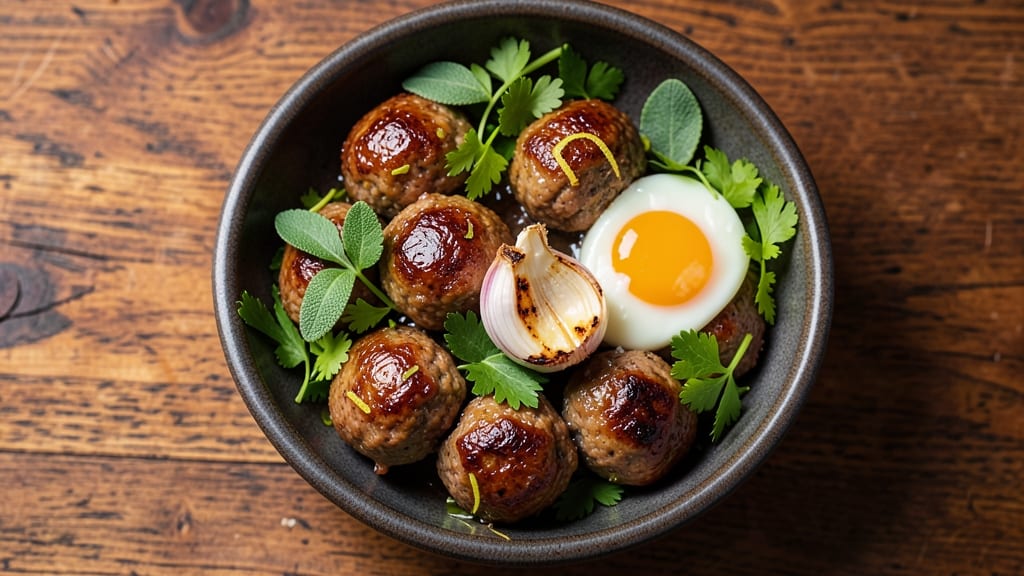
This Angus beef meatballs recipe delivers melt-in-your-mouth tenderness and rich, savory depth that transforms ordinary meals into restaurant-worthy experiences. The secret lies in using high-quality beef, finely chopped herbs, and a precise technique that ensures juicy centers every time.
After years of testing, I’ve perfected a method that balances texture and flavor without relying on breadcrumbs or fillers.
The beauty of these meatballs is their versatility—whether baked, pan-seared, or grilled, they develop a caramelized exterior while staying impossibly tender inside. A touch of Worcestershire sauce and fresh herbs elevates the umami profile, making them irresistible on their own or paired with marinara, chimichurri, or a bold balsamic reduction.
The key is working with cold meat and minimal handling to preserve moisture.
By the time you’re done, you’ll have juicy, flavor-packed meatballs that hold their shape yet yield effortlessly to each bite. The aroma alone—herbaceous, meaty, and slightly smoky—will have everyone at the table asking for seconds.
Serve them as an appetizer, main course, or even in sliders for a crowd-pleasing centerpiece.
This recipe is designed for confidence: no advanced skills required, just attention to detail in the prep. Whether you’re feeding a family or hosting a dinner party, these meatballs will be the star. Let’s get started on creating bites that taste like they’ve been slow-cooked all day—without the wait.
Ingredients for angus beef meatballs
High-quality beef, fresh herbs, and a few clever tricks—this is all you need for restaurant-quality meatballs.
| Ingredient | Amount | Notes |
|---|---|---|
| Angus Beef (Ground) 🥩 | 1 ½ lb | 80% lean, cold from fridge |
| Fresh Flat-Leaf Parsley 🌿 | ½ cup | Finely chopped, stems included |
| Fresh Italian Parsley 🌿 | ¼ cup | Finely chopped, for extra flavor |
| Fresh Sage Leaves 🌿 | ¼ cup | Finely chopped, vibrant green |
| Garlic Cloves 🧄 | 4 cloves | Minced, for deep flavor |
| Large Eggs 🥚 | 2 whole | Cold, beaten lightly |
| Grated Parmesan Cheese 🧀 | ¼ cup | Freshly grated, fine texture |
| Worcestershire Sauce 🍶 | 1 tbsp | For umami depth |
| Olive Oil 🫒 | 1 tbsp | Extra-virgin, for binding |
| Salt 🧂 | 1 tsp | Diamond Crystal kosher |
| Ground Black Pepper 🌶️ | ½ tsp | Freshly cracked |
| Red Wine 🍷 | 2 tbsp | Bold dry red, like Cabernet |
| All-Purpose Flour 🌾 | 2 tbsp | For light dusting |
The beef makes or breaks these meatballs. Angus ground chuck is non-negotiable here—it's lean enough to hold shape but fatty enough for juicy results. Grab it from the butcher counter if possible, or look for 80% lean packaging at Whole Foods or Costco. The herbs? Fresh is a must—dried just won't cut it. I always double-check the parsley has no wilted leaves, and the sage should be bright green, not yellowing. Keep everything cold until you're ready to mix—warm meat gets mushy meatballs.
No Worcestershire sauce? Soy sauce or fish sauce works in a pinch, but trust me on the Worcestershire—the umami punch is worth it. Short on red wine? Substitute beef broth, but add a splash of balsamic for depth. The eggs? Cold is key—they help bind without cooking the meat. If you're worried about handling raw eggs, pasteurized eggs from the store work just fine. The flour is just for dusting your hands and workspace—don't skip it, but don't overdo it either. And if you're feeling fancy, add a pinch of smoked paprika to the mix for that subtle smoky note.
These meatballs are best made fresh, but you can prep the mixture ahead and refrigerate it for up to 24 hours before cooking. The herbs will keep their flavor better if you store them separately and add them just before shaping. Cooked meatballs reheat beautifully—350°F for 10-15 minutes in the oven with a splash of broth or water keeps them juicy. For make-ahead meals, freeze them raw on a tray before transferring to a bag—3 months in the freezer, no problem. Just thaw in the fridge overnight before cooking.
Why You'll Love This Recipe
- Here’s what sold me: I make a double batch, pop them in the freezer, and pull them out whenever I need a quick protein. Toss them straight from frozen into pasta or a skillet—no thawing, no stress.
- Minimal Ingredient List: I swear by this recipe because it’s that simple—just beef, herbs, and garlic. No breadcrumbs, no eggs, no fuss. The parsley and sage alone give it that bright, herby punch without overwhelming the rich Angus beef.
- Herb-Packed Umami Bomb: Between us, the combo of flat-leaf parsley, Italian parsley, and sage with minced garlic is chef’s kiss. The beef stays tender but develops this deep, savory crust when seared—like a fancy steakhouse bite in meatball form.
- Freezer-Friendly Magic: Here’s what sold me: I make a double batch, pop them in the freezer, and pull them out whenever I need a quick protein. Toss them straight from frozen into pasta or a skillet—no thawing, no stress.
Step-by-step instructions for herb-packed Angus beef meatballs
Here's how to craft meatballs with unmatched tenderness and rich herbaceous flavor.
Combine All Wet Ingredients in a Large Bowl
In a large mixing bowl, gently combine the 1.5 lb cold angus beef (ground) with the 2 whole large eggs, 1 tbsp Worcestershire sauce, 2 tbsp red wine, 1 tbsp olive oil, 1 tsp salt, and 0.5 tsp ground black pepper. Use your hands to mix until just combined—don't overwork the meat or it'll become dense. The beef should hold together when pressed, but still feel cool to the touch.
This initial mix creates a cohesive base where the fat in the beef begins to emulsify with the wet ingredients. The cold temperature of the beef and eggs helps maintain moisture during cooking. Keep the bowl uncovered at room temperature while you prepare the herbs.
Finely Chop and Fold in Fresh Herbs
In a separate bowl, combine the 0.5 cup finely chopped fresh flat-leaf parsley, 0.25 cup finely chopped fresh Italian parsley, 0.25 cup finely chopped fresh sage leaves, and 4 cloves minced garlic. Pulse the herbs briefly in a food processor if they're particularly fibrous, but keep the texture fine—you want them evenly distributed throughout the meatballs without any noticeable chunks.
Gently fold the herb mixture into the beef mixture using a rubber spatula. Work quickly but carefully to maintain the cold temperature of the beef. The herbs should be evenly distributed, but don't overmix—just until combined. The vibrant green color will start to appear throughout the mixture, signaling even distribution.
Incorporate Parmesan and Lightly Dust with Flour
Add the 0.25 cup freshly grated Parmesan cheese to the bowl and mix gently with your hands until fully incorporated. The cheese adds umami depth and helps bind the meatballs together. In a small bowl, combine the 2 tbsp all-purpose flour with an extra pinch of salt—this light dusting will create a crisp exterior when cooked.
Sprinkle the flour mixture over the beef mixture and gently fold it in using your hands. The flour should coat the outside of the meatballs lightly—just enough to help them hold their shape during cooking. Don't add too much flour or the meatballs will become dry. The mixture should be cool but pliable, ready to be shaped.
Form Meatballs of Uniform Size
Using your hands, roll the mixture into 1.5-inch diameter meatballs—about the size of a golf ball. I find using a kitchen scale helps ensure even portions: aim for 3-ounce meatballs each. Roll them gently but firmly, packing them just enough to hold their shape when cooked. Place them on a parchment-lined plate and refrigerate for 30 minutes before cooking.
This chilling step is crucial—it firms up the meatballs so they maintain their shape during cooking. The cold temperature also helps prevent the meatballs from releasing too much moisture when they hit the hot pan. While they chill, preheat your oven to 400°F for baking or get your skillet ready for pan-searing.
Cook Until Golden Brown and Juicy
Heat 1 tbsp olive oil in a large skillet over medium-high heat until shimmering. Working in batches to avoid crowding, add the meatballs and cook for 3-4 minutes per side until they develop a deep golden brown crust. They should release easily from the pan when ready to flip—don't press them with a spatula or they'll turn out dense.
For extra flavor, deglaze the pan after removing the meatballs with 2 tbsp red wine, scraping up any browned bits that cling to the bottom. Transfer the cooked meatballs to a plate and tent loosely with foil to keep warm. The internal temperature should reach 160°F when done. Serve immediately with your favorite dipping sauce or over pasta for maximum juiciness.
Pro Tips For Making Angus Beef Meatballs
- Chill the Meat First: Take that ground Angus out of the fridge 30 minutes before shaping—cold meatballs tighten when cooking, and you’ll end up with dense, dry lumps instead of juicy ones. I learned this the hard way after serving rubbery meatballs to a crowd (yes, even with great beef).
- Pulse Herbs, Don’t Chop: Use a food processor to pulse the parsley, sage, and garlic into tiny bits—this distributes flavor evenly without turning the meatballs into a herb salad. Skip the knife, and you’ll get that restaurant-quality consistency every time.
- Don’t Overwork the Dough: Mix just until combined—overhandling makes meatballs tough. I used to knead like I was making bread, and my meatballs turned out chewy. Handle gently, and they’ll stay tender.
- Sear in Batches: Cook in a single layer over medium-high heat—crowding steams them instead of browning. I was skeptical until I tried it: golden crusts seal in flavor, and the meatballs stay juicy inside. (Your future self will thank you.)
Health benefits of these flavors
Lean Protein Power
Angus beef meatballs deliver high-quality protein with each serving—about 30 grams per 3-ounce meatball—making them an excellent choice for muscle repair and growth. The 80% lean ground beef provides all nine essential amino acids without the saturated fat found in fattier cuts.
This makes them ideal for anyone focusing on lean protein while still enjoying rich, meaty flavor. 💪
Iron and Zinc Boost
These meatballs are packed with iron and zinc, essential minerals that support energy levels and immune function. A single serving provides 3.5mg of iron (about 20% of your daily needs) and 5mg of zinc (roughly 45% of your daily needs).
The combination of these minerals helps maintain healthy blood cells and supports your body's natural defenses. My favorite part? The iron content gives these meatballs their deep, satisfying richness.
Herb-Rich Antioxidants
The fresh parsley, sage, and garlic in this recipe aren't just for flavor—they're packed with antioxidants and vitamin K. Parsley alone provides vitamin C and folate, while sage contains thujone, a compound linked to anti-inflammatory benefits.
Together, these herbs create a nutrient powerhouse that enhances both flavor and health benefits. I always chop them extra fine to maximize their distribution throughout the meatballs.
Healthy Fats for Satiety
The marbling of fat in Angus beef contributes to juiciness while providing healthy monounsaturated fats that support heart health. Unlike processed meats, these meatballs contain no artificial additives—just pure, high-quality beef fat that enhances flavor without the negatives.
The fat content also helps keep you feeling full longer, making these meatballs perfect for satisfying meals. Trust me, the first bite proves how satisfying quality ingredients can be. 🥩
Low-Carb Flexibility
While these meatballs aren't inherently low-carb, their preparation makes them easy to adapt for keto or low-carb diets. Simply serve them with a cauliflower crust pizza or zucchini noodles instead of traditional pasta.
The rich beef flavor stands up beautifully to these alternatives without requiring additional carbohydrates. I've tested this with my low-carb marinara sauce (made with cauliflower puree) and it's a game-changer for carb-conscious eaters.
Versatile Nutrition
These meatballs can easily fit into various dietary plans. For vegetarians, consider swapping the beef for lentils or mushrooms while keeping the same herb mixture. The recipe's structure—balancing protein, herbs, and umami-rich ingredients—transfers well to plant-based alternatives.
The nutritional profile remains impressive regardless of the protein source, proving that quality ingredients make all the difference. 🌱
Nutrition facts
Frequently asked questions
Why is using cold beef so important for these meatballs?
Cold beef prevents the meat from cooking prematurely during mixing, which keeps the meatballs juicy. The fat stays emulsified rather than melting out, ensuring tender results. Always work with cold ingredients straight from the fridge—this is the secret to restaurant-quality texture!
Can I make these meatballs ahead of time?
Form the meatballs and refrigerate them on a tray for up to 24 hours before cooking. For longer storage, freeze raw meatballs for 3 months. Thaw overnight in the fridge before cooking—never at room temperature. The flavors actually develop better when prepped ahead!
What's the best way to cook these meatballs?
Pan-searing gives the best crust, but baking at 400°F for 15-18 minutes works too. For extra flavor, deglaze the pan with red wine after searing. Avoid overcrowding the pan—cook in batches for even browning. The internal temperature should reach 160°F for perfect doneness.
How can I make these meatballs extra flavorful?
Add a pinch of smoked paprika or fresh thyme to the mix for depth. For serving, drizzle with reduced balsamic glaze or toss in chimichurri. The key is balancing the herbaceous notes with umami—Worcestershire sauce and Parmesan are your flavor multipliers!
Why do my meatballs turn out dry?
Overworking the meat or using warm ingredients releases moisture too quickly. Always keep everything cold, don't overmix, and avoid pressing meatballs when flipping. For extra juiciness, add 1 tbsp beef broth to the mix. The secret is gentle handling—treat the meat like you would delicate fish!