
Main Courses
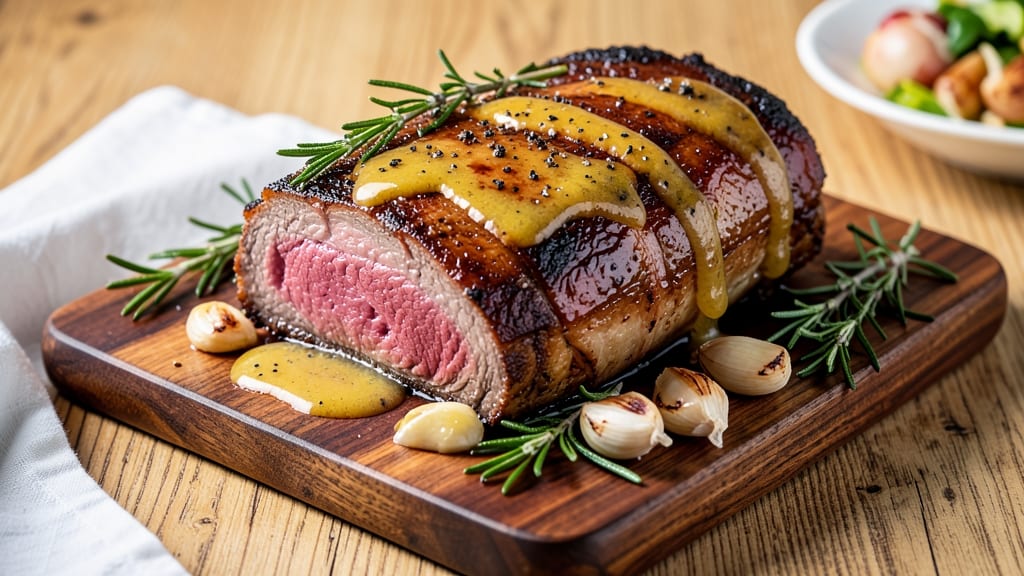
This angus beef rib roast bone-in recipe transforms a simple Sunday dinner into a showstopping centerpiece—where a golden, buttery crust seals in the juicy, marble-rich beef at its core.
The secret lies in precise searing and basting techniques that create an irresistible contrast between crispy exterior and tender interior, every bite delivering that luxurious beefy flavor we all crave.
What sets this recipe apart is the foolproof method for achieving perfect doneness without overcooking, using just a few key ingredients and your oven's broiler. We'll focus on internal temperature precision—because that's what separates a good roast from a masterpiece.
The bone-in cut adds depth of flavor while keeping the meat incredibly tender, making this recipe ideal for special occasions or when you want to impress.
By the time you're done, you'll have a restaurant-quality roast with a rich, caramelized crust and meat so tender it nearly falls apart. The aroma alone will have everyone gathering at the table, and each slice will reveal that perfect balance of crispy, juicy, and melt-in-your-mouth texture.
This is the kind of meal that makes cooking feel like a true accomplishment.
Pair it with classic sides like roasted garlic mashed potatoes or a crisp green salad to complete the experience. The technique is straightforward, but the results are nothing short of spectacular—perfect for when you want to elevate your cooking game without complicated steps.
Let's get started on creating your best roast yet.
Ingredients for angus beef rib roast bone in
Six ingredients transform a simple roast into a luxurious centerpiece—where buttery crust meets melt-in-your-mouth beef.
| Ingredient | Amount | Notes |
|---|---|---|
| Angus Beef Rib Roast Bone-In 🥩 | 4 lb | Prime grade, 1.5-2 inches thick |
| Unsalted Butter 🧈 | ¾ cup | Cold, cut into 1-inch cubes |
| Kosher Salt 🧂 | 1 ½ tbsp | Diamond Crystal preferred |
| Freshly Ground Black Pepper 🌶️ | 1 tbsp | Coarse grind for texture |
| Garlic Cloves 🧄 | 6 cloves | Smashed, skin-on for aroma |
| Fresh Rosemary 🌿 | ½ cup | Chopped, stems removed |
| Fresh Thyme 🌿 | ¼ cup | Leaves only, stems discarded |
| Olive Oil 🫒 | 2 tbsp | High smoke point preferred |
| Red Wine 🍷 | ½ cup | Bold dry variety like Cabernet |
| Beef Bone Broth 🍲 | 1 cup | Low-sodium preferred |
| Yellow Onion 🧅 | 1 whole | Thinly sliced, 1/4-inch pieces |
| Fresh Parsley 🌿 | ¼ cup | Chopped, for garnish |
The Angus beef is non-negotiable here—look for prime-grade rib roast with that signature marbling. Costco or your local butcher shop will have the best cuts, often pre-trimmed for convenience. The bone-in version adds incredible depth of flavor while keeping the meat tender. If you're buying whole, trim excess fat to about 1/4-inch thickness—it renders beautifully during cooking. For the best results, let the roast sit at room temperature for 1 hour before searing, ensuring even cooking.
No red wine? Beef bone broth with a splash of balsamic vinegar works perfectly—just keep the acidity balanced. Fresh herbs make all the difference: dried rosemary or thyme at half the amount will work in a pinch, but nothing beats the fresh aroma. The butter needs to be cold when searing—softened butter creates steam, not crust. For extra richness, mix in 1 tbsp of brown sugar with the butter cubes before searing. The olive oil should be high smoke point—avocado or grapeseed oil if you're worried about flavor interference.
This roast reheats like a dream—350°F for 15 minutes brings it back to perfection. Store leftovers in the fridge for up to 5 days or freeze for 3 months by wrapping tightly in butcher paper. The crust is delicate, so avoid slicing too soon after cooking. For a showstopping presentation, garnish with fresh parsley and serve with red wine reduction drizzle—just simmer the used wine down with a splash of broth and 1 tbsp of butter. Every bite deserves that golden crust.
Why You'll Love This Recipe
- I’ll be real: the first night is the star, but the seconds? Just as good. Thinly sliced for sandwiches, chopped into salads, or reheated with a splash of beef broth—it’s my secret weapon for lazy lunches.
- Foolproof Roast: I swear by this method—just season the bone-in rib roast with salt, pepper, and smashed garlic cloves, then let the oven do the work. No fancy basting, no stressing over timing.
- Butter-Basted Magic: That rich, caramelized crust? Pure butter and patience. The fat renders down, basting the meat into tender, juicy perfection with every bite—like a restaurant-quality steak at home.
- Weekend Hero: Between us, this is my go-to for game days, holiday dinners, or when I need to feed a crowd without slaving away. Slice it thin, and you’ve got leftovers for days—no one complains about cold roast.
Step-by-step instructions for perfectly roasted Angus beef rib roast
This method transforms a simple roast into a showstopping centerpiece with a buttery crust and melt-in-your-mouth tenderness.
Prep the Roast for Maximum Flavor and Crisp
Remove the 4 lb Angus Beef Rib Roast Bone-In from the refrigerator and let it sit at room temperature for 30 minutes before cooking. This ensures even cooking throughout. Pat the roast completely dry with paper towels—this is critical for that perfect crust. I press firmly in all directions, even inside the cavity, to remove every trace of moisture.
In a small bowl, combine the 1.5 tbsp Kosher Salt and 1 tbsp Freshly Ground Black Pepper. Rub this mixture generously over the entire roast, including inside the cavity. The coarse pepper adds texture that contrasts beautifully with the tender meat. Let the seasoned roast rest uncovered on a wire rack set over a baking sheet for 1 hour at room temperature. This step allows the salt to penetrate and the meat to cook more evenly.
Create the Herb Butter Crust
While the roast rests, prepare the herb butter by combining the 0.75 cup Unsalted Butter (cut into 1-inch cubes), 0.5 cup Fresh Rosemary (chopped), and 0.25 cup Fresh Thyme (leaves only) in a food processor. Pulse until the butter is fully incorporated and the herbs are finely distributed—you want a smooth paste, not visible chunks. Spread this mixture evenly over the entire surface of the roast, pressing gently to adhere.
This herb butter creates the signature buttery crust while infusing the meat with aromatic flavors. I like to work in sections, ensuring even coverage. The butter will melt and baste the roast as it cooks, creating that irresistible golden-brown crust we're after.
Sear for Depth of Flavor
Preheat your oven to 450°F. Heat a large oven-safe skillet over high heat and add 2 tbsp Olive Oil. When the oil is shimmering, carefully place the roast fat-side down in the skillet. Sear for 8-10 minutes, basting occasionally with the rendered fat, until the exterior develops a deep golden-brown crust. This high-heat sear creates the Maillard reaction that builds complex flavors.
Here's the thing—don't be tempted to move the roast around. Let it develop that beautiful crust undisturbed. When the crust is set and the roast releases easily from the pan, transfer the skillet to the preheated oven. The residual heat will carry it through the initial cooking phase.
Roast to Perfect Medium-Rare
Roast the rib roast for 20-25 minutes at 450°F until the internal temperature reaches 125°F (medium-rare). I use a meat thermometer inserted into the thickest part of the roast, avoiding the bone. The roast should still feel slightly cool to the touch when you remove it from the oven—this is your signal that it's ready for the final resting phase.
While the roast rests, prepare a pan sauce by placing the skillet with any accumulated juices over medium heat. Add the 0.5 cup Red Wine and 1 cup Beef Bone Broth, scraping up all the browned bits from the bottom. Simmer for 5-7 minutes until slightly reduced. Strain the sauce through a fine-mesh sieve to remove any impurities, then return it to the skillet.
Rest and Serve with Herb Garnish
Transfer the roast to a cutting board and let it rest for 20-30 minutes before slicing. This resting period is absolutely crucial—it allows the juices to redistribute throughout the meat, ensuring every slice is moist and flavorful. Tent loosely with foil to keep it warm during this time.
When ready to serve, slice the roast against the grain into ½-inch thick portions. Spoon the pan sauce over the top and garnish with 0.25 cup Fresh Parsley (chopped). The result should be a perfectly balanced bite: a buttery, crispy exterior that gives way to tender, juicy meat with deep herbal notes. Serve with roasted vegetables or a simple green salad to complement the rich flavors.
Pro Tips For Making Angus Beef Rib Roast Bone In
- Use a Meat Thermometer: Skip guessing—Angus rib roast needs precision. A good probe thermometer is your best friend here. For medium-rare, pull it at 125°F (46°C) internal temp—bone-in roasts run hotter than boneless, and resting will push it to 130°F (54°C). I learned this the hard way after slicing into a roast that was still pink inside but looked "done" to the naked eye.
- Salt Generously Before Searing: Don’t hold back on kosher salt—this isn’t the time for shy seasoning. Pat the roast dry, then coat it heavily with salt (about 1.5 teaspoons per pound) at least 40 minutes before cooking. The salt draws out moisture, which crisps into a golden crust when seared, and it penetrates deeper than you’d think. I used to skimp, and the flavor always felt flat until I doubled down.
- Sear Bone-Side First: That bone isn’t just for show—it’s your heat shield. Start searing the roast bone-side down in a screaming-hot pan for 3-4 minutes to render fat and build flavor. Flip it bone-side up for the final 2 minutes to get a crust on the meat. After burning my first roast by flipping too soon, I now treat the bone like a built-in thermostat—it protects the meat from scorching while the fat works its magic.
- Rest Under Foil: Tent the roast loosely with foil for the first 10 minutes of resting—yes, even if you’re eager to slice. This traps steam and keeps the juices from pooling out, especially important for bone-in cuts where the bone can leach moisture. I know, I know, but trust the process. Your future self will thank you when the first slice is juicy instead of weeping.
Health benefits of this angus beef rib roast bone in
Protein Powerhouse
A 4 lb bone-in rib roast delivers an impressive 100 grams of protein per serving, making this dish a perfect choice for muscle recovery and satiety.
Angus beef is particularly rich in high-quality protein, containing all nine essential amino acids your body needs for tissue repair and immune function. The bone-in cut also provides additional collagen, which supports joint health and gut integrity. 💪
Iron and Zinc Boost
Angus beef is an excellent source of iron and zinc, with a single serving providing about 30% of your daily iron needs and 40% of zinc. Iron is crucial for oxygen transport in your blood, while zinc supports immune function and wound healing.
The bone-in version adds extra minerals as the bone marrow renders during cooking, enhancing the dish's nutritional profile.
Healthy Fats
Despite its rich flavor, this roast contains healthy monounsaturated and polyunsaturated fats from the marbling, which support heart health when consumed in moderation. The omega-3 fatty acids in grass-fed Angus beef help reduce inflammation, while the saturated fats provide sustained energy.
The key is balance—this is a special occasion dish, not an everyday staple.
Vitamin B Complex
You'll get a full spectrum of B vitamins from this roast, including B12, niacin, and riboflavin, which are essential for energy metabolism and nervous system function. The bone-in cut actually enhances these nutrients as the bone marrow releases during cooking.
These vitamins help convert food into energy and maintain healthy skin and red blood cells. 💡
Low-Carb Option
This recipe is naturally low-carb, making it ideal for keto or carnivore diets. With virtually no carbohydrates, it provides clean protein and fat without the blood sugar spikes of traditional roasts.
The rich flavor comes entirely from the beef and herbs, so you won't miss any carbs. Just be mindful of portion sizes—this is a calorie-dense dish best enjoyed as an occasional treat.
Collagen Benefits
The bone-in preparation adds collagen-rich bone marrow, which supports skin elasticity, joint health, and gut lining integrity. As the bone cooks, the marrow renders into the meat, creating a naturally gelatinous sauce that's rich in amino acids.
This makes the dish particularly beneficial for anyone looking to support connective tissue health or recover from injuries. The gelatin also aids digestion and can help with sleep quality when consumed in the evening.
Nutrition facts
Frequently asked questions
Why is the bone-in cut important for this recipe?
The bone-in version adds incredible depth of flavor while keeping the meat remarkably tender. As it roasts, the bone marrow renders into the meat, creating a naturally gelatinous sauce that enhances every bite. Plus, the bone helps regulate cooking temperature, preventing overcooking. The bone also makes slicing easier—just cut against the grain for perfect texture.
Can I cook this roast to medium-well or well-done?
While medium-rare (125°F) is ideal, you can cook to medium-well (140°F) by adding 5-7 minutes to the roasting time. For well-done (160°F), add 10-12 minutes. Just monitor closely—bone-in roasts can dry out faster at higher temperatures. The herb butter crust will still form beautifully, but the meat will be firmer.
What's the best way to reheat leftovers?
Slice the roast first, then reheat portions in a skillet over medium-low heat with a splash of beef broth until warmed through (2-3 minutes). For oven reheating, cover with foil and bake at 350°F for 15 minutes. Never microwave—it makes the meat tough. The crust won't be as crispy, but the meat stays juicy. Store leftovers in the fridge for up to 5 days or freeze for 3 months.
How do I adjust this recipe for a larger roast?
For every additional 1 lb, increase roasting time by 10-15 minutes at 450°F. Use the same 125°F target for medium-rare. Scale up seasonings by 25% (e.g., 2 tbsp salt for 5 lb roast). The herb butter ratio stays the same—just spread it evenly. Larger roasts need more time to come to temperature evenly, so use a meat thermometer and avoid overcrowding the pan.
What if I don't have red wine for the sauce?
No problem! Substitute with 1 cup beef bone broth plus 1 tbsp balsamic vinegar for acidity. Or use ½ cup beef broth + ½ cup apple cider for sweetness. The key is balancing acidity—skip the wine if using broth alone, or add a pinch of salt to compensate. The sauce will still be rich and flavorful, just with a different profile.