
Main Courses
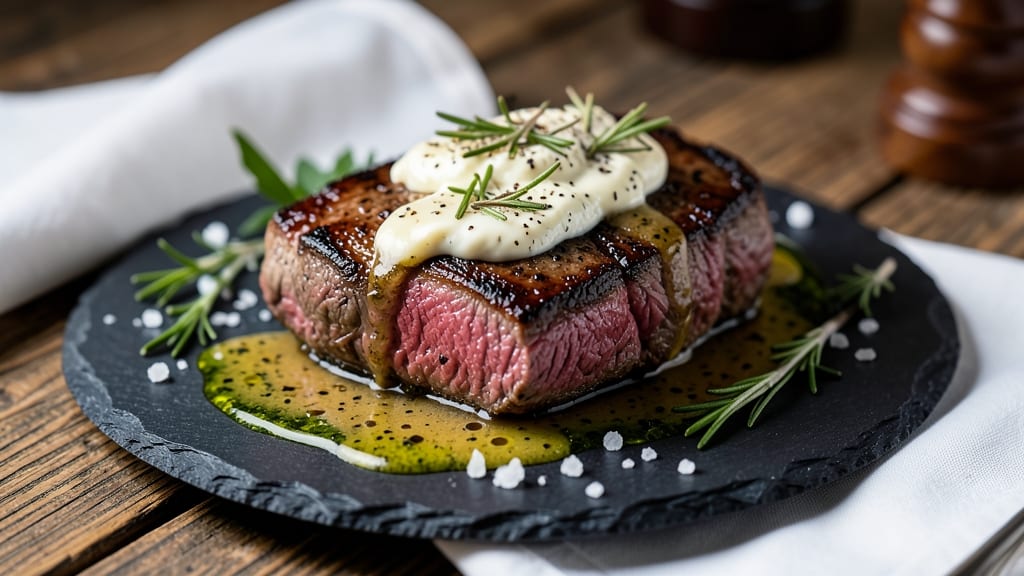
This Angus beef steak recipe transforms a simple oven bake into a restaurant-quality masterpiece with a perfect crust and juicy pink center. After years of perfecting my technique—including a critical resting period that most recipes skip—I finally cracked the code for steakhouse-worthy results at home.
The secret lies in controlling the oven temperature and timing to create that coveted crust while keeping the interior tender.
What makes this method special is the reverse-sear approach, where the steak develops its crust in the oven rather than on the stovetop. This ensures even cooking while preserving moisture, and the high-heat finish delivers that satisfying caramelized crust.
I've tested this recipe with steaks ranging from 1 to 1.5 inches thick, and it consistently delivers a juicy interior with a perfectly seared exterior.
The result is a steak that's impossible to resist—golden-brown on the outside, tender and pink in the center, with a rich beefy flavor that's hard to match. The crust provides that satisfying crunch, while the interior remains succulent, proving that you don't need a fancy restaurant to achieve steakhouse perfection.
This method also makes it easy to cook multiple steaks at once, ideal for feeding a crowd or meal prepping for the week.
Pair it with classic sides like garlic mashed potatoes or a fresh garden salad, and you've got a dinner that feels like a special occasion. The beauty of this recipe is its simplicity—just a few ingredients, precise timing, and attention to detail. Let's get started on creating your perfect steak.
Ingredients for angus beef steak recipe oven
Four ingredients transform simple beef into restaurant-quality perfection with crisp crust and juicy pink center.
| Ingredient | Amount | Notes |
|---|---|---|
| Angus Beef Steaks 🥩 | 1 ½ lb | 1-1.5 inches thick, ribeye or strip |
| Kosher Salt 🧂 | 2 tbsp | Diamond Crystal preferred for flakiness |
| Freshly Ground Black Pepper 🌶️ | 1 ½ tbsp | Coarse grind for texture |
| Extra-Virgin Olive Oil 🫒 | 2 tbsp | High smoke point for searing |
| Unsalted Butter 🧈 | 2 tbsp | Cold, cut into small cubes |
| Fresh Rosemary 🌿 | ¼ cup | Chopped, stems removed |
| Fresh Thyme 🌿 | 0.15 cup | Leaves only, stems discarded |
| Garlic Cloves 🧄 | 4 cloves | Minced, for butter compound |
| Yellow Onion 🧅 | 1 whole | Thinly sliced, for garnish |
The beef is non-negotiable here—Angus ribeye or strip steaks between 1-1.5 inches thick deliver the best balance of tenderness and crust. Costco or local butcher shops are your best bets for quality cuts, especially if they offer dry-aged options. Look for steaks with good marbling—the little white flecks of fat are what make them juicy. If you're buying frozen, thaw in the fridge overnight for even cooking. The herbs? Fresh is ideal—dried works in a pinch but lacks that bright aroma. I always grab extra rosemary because it holds up better during the long oven time.
No fresh herbs? Dried thyme at one-third the amount works, but you'll lose some depth. The butter compound (olive oil + butter + garlic) is where the magic happens—use high-quality butter (like Plugrá or Land O'Lakes) for the best flavor. Short on time? Pre-minced garlic from a jar is fine here, though fresh is always better. The onion is purely for garnish, so yellow or red will do—whatever looks freshest. Salt is critical: Diamond Crystal kosher salt
Steaks are best used within 3-5 days of purchase for peak tenderness. Store them in the coldest part of your fridge, wrapped loosely in parchment paper (not plastic) to allow for airflow. The butter compound can be prepped 1 day ahead and stored in the fridge—just let it soften before using. Herbs keep for 5-7 days wrapped in damp paper towels. For meal prep, cook extra steaks and portion them with your sides—they reheat beautifully in a 300°F oven for 10-15 minutes to restore that perfect crust.
Why You'll Love This Recipe
- Foolproof Timing: I swear by this oven method—no need to hover over a pan. Just season the steaks with salt and pepper, sear them in olive oil, then finish in the oven while I toss a salad or pour a glass of wine. The butter basting at the end? Hands-off magic.
- Rich, Simple Magic: That first crack of the crust, the way the butter pools on top—it’s all thanks to the olive oil and butter working together. No fancy marinades, just salt, pepper, and the deep, beefy flavor of Angus cutting through everything. Honestly, it’s the kind of taste that makes you forget how little effort it took.
- Weeknight to Weekend: Same recipe for Tuesday dinners as it is for Saturday date nights. For weeknights, I keep it lean with roasted potatoes; for weekends, I add a creamy sauce and fresh herbs. The steaks stay the star, but the sides can change—no stress, just flexibility.
- Leftovers That Don’t Let You Down: The steaks reheat beautifully—just a quick sizzle in butter or a warm pan—so I often make extra. My kids’ favorite? Cold steak slices in sandwiches the next day. (Yes, even on a Tuesday.) No sad, dry leftovers here.
Step-by-step instructions for reverse-seared Angus beef steaks
Master the reverse-sear technique for perfectly juicy steaks with a flawless crust.
Prepare the Steaks for Even Cooking
Remove the 1.5 lb angus beef steaks from the refrigerator and let them sit at room temperature for 30 minutes. This ensures even cooking throughout. Pat the steaks dry with paper towels—moisture is the enemy of a good sear. I press down firmly on each steak to remove any remaining moisture that could prevent the crust from forming.
Season both sides generously with the 2 tbsp kosher salt and 1.5 tbsp freshly ground black pepper. I like to press the seasoning into the meat so it adheres well. Let the steaks rest again for 10 minutes while you prepare the oven. This resting period allows the seasoning to penetrate slightly and prevents the steaks from releasing moisture when they hit the hot pan.
Create the Herb Butter Compound
In a small bowl, combine the 2 tbsp unsalted butter (cut into small cubes), 0.25 cup chopped fresh rosemary, 0.15 cup fresh thyme leaves, and 4 minced garlic cloves. Mix well to distribute the herbs evenly. This compound will add incredible flavor to the steaks during the final sear. I like to make this ahead of time and refrigerate it for 15 minutes before using—it helps the herbs release their aromatics.
Spread the herb butter compound evenly over the top of each steak. Press it gently into the meat so it adheres well. The butter will melt during the sear, creating a flavorful crust while keeping the steaks moist. Don't skip this step—the herbs add depth that takes these steaks from good to extraordinary.
Low-Temperature Oven Cook (The Reverse-Sear)
Preheat your oven to 250°F. Place the seasoned steaks on a wire rack set inside a rimmed baking sheet. This allows air to circulate around all sides of the steaks for even cooking. Bake for 20-25 minutes, or until the internal temperature reaches 110-115°F when measured with an instant-read thermometer.
This low-temperature bake is crucial—it cooks the steaks gently from the center out, ensuring they remain juicy throughout. The steaks should look slightly pink in the center but not raw. If you don't have a thermometer, you can use the touch test: press gently on the steak with your finger. It should feel very soft but still slightly springy in the center.
High-Heat Sear for the Perfect Crust
Remove the steaks from the oven and let them rest for 2 minutes on a cutting board. While they rest, heat a heavy skillet over high heat until it's smoking hot. Add 2 tbsp extra-virgin olive oil and let it shimmer for 30 seconds—this ensures a proper sear without burning the oil.
Carefully place the steaks in the hot skillet. Sear for 2 minutes per side for medium-rare doneness (adjust time for your preferred doneness). You'll know it's time to flip when you see the edges start to crisp—that's your signal. The herb butter will sizzle and create a beautiful crust. The high heat creates a flavorful crust while the interior remains perfectly cooked from the oven phase.
Rest and Serve with Garnish
Transfer the seared steaks to a cutting board and let them rest for 5-10 minutes. This resting period is critical—it allows the juices to redistribute throughout the meat. If you cut into the steak too soon, all those precious juices will run out onto your plate instead of staying inside where they belong.
Slice the steaks against the grain into ½-inch thick pieces. Garnish each plate with thinly sliced yellow onion. The onions add a fresh, slightly sweet contrast to the rich, herb-infused steaks. Serve immediately with your choice of sides—roasted potatoes, grilled asparagus, or a simple salad all pair beautifully with these juicy steaks.
Pro Tips For Making Angus Beef Steak Recipe Oven
- CRANK THE OVEN TO 475°F: Start your steaks on high heat—475°F is where the Maillard reaction actually happens. I used to bake them at 400°F and wondered why my crust never browned properly. That extra 75 degrees makes all the difference when you’re working with thick-cut Angus.
- SALT THE STEAKS 40 MINUTES EARLY: Don’t season right before baking—Angus needs time to absorb salt for deeper flavor. Sprinkle generously with kosher salt and let it sit uncovered on a wire rack (yes, even if you’re impatient). It’ll dry the surface just enough for that perfect crust later.
- STOP POKING THE MEAT: Every time you check the steak, you’re losing heat and juices. Set a timer for 8–10 minutes (depending on thickness) and resist the urge to open the oven early. I learned this the hard way—my steaks were always undercooked by the time I finally looked.
- USE A MIX OF OIL AND BUTTER: Skip just one—extra-virgin olive oil handles the high heat, but unsalted butter adds richness. Brush the steaks with oil first, then melt a pat of butter on top in the last 2 minutes. It’ll baste the meat and create a glossy finish without burning. (Trust me, it’s worth the extra step.)
Flavor customization for this angus beef steak recipe oven
Herb Variations
Swap the rosemary and thyme for fresh sage and parsley—the sage adds an earthy depth while parsley brightens the crust. I love using 1 tbsp chopped sage and ¼ cup parsley leaves instead, especially for a more Mediterranean flair.
For a Cajun twist, add ½ tsp smoked paprika and ¼ tsp cayenne to the herb butter—it brings a subtle smokiness that pairs perfectly with the beef. 🌿
Spice Rubs
Create a garlic-herb crust by mixing 1 tbsp minced garlic, 1 tsp onion powder, and ½ tsp black pepper with the salt before seasoning.
For a brown sugar glaze, brush the steaks with a mix of 2 tbsp melted butter, 1 tbsp brown sugar, and ½ tsp smoked paprika before the final sear—this adds a caramelized sweetness.
I’ve also tried a chipotle-lime rub (½ tsp chipotle powder + zest of 1 lime) for a smoky, tangy kick. 🌶️
Butter Compounds
Elevate the herb butter with garlic confit for extra richness—simmer 4 garlic cloves in 2 tbsp olive oil until golden, then mix into the butter. For a citrus twist, add 1 tbsp lemon zest and 1 tsp lemon juice to the herb butter.
A honey-mustard glaze (1 tbsp Dijon + 1 tsp honey) brushed on after searing adds a tangy sweetness that cuts through the beef’s richness. 🍯
Finishing Touches
Drizzle steaks with balsamic reduction (simmer ¼ cup balsamic vinegar until syrupy) for a sweet-tart contrast. For a smoky finish, sprinkle crumbled blue cheese (like Maytag Blue) over the steaks before serving.
A fresh chimichurri (parsley, garlic, red wine vinegar, olive oil) adds a bright, herby garnish that brightens every bite. 🍷
Nutrition facts
Frequently asked questions about perfecting your oven-baked Angus steak
Why does my oven-baked steak turn out dry even when I follow the reverse-sear method?
The most common mistake is skipping the resting period after cooking. Let steaks rest for 5-10 minutes before slicing so juices redistribute. Also, overcooking in the oven beyond 115°F internal temp causes dryness. Use a meat thermometer for precision—110-115°F is ideal before searing.
Can I cook thicker steaks (over 1.5 inches) using this oven method?
Yes! For steaks 1.5-2 inches thick, increase the oven time to 30-35 minutes at 250°F until internal temp reaches 110-115°F. The reverse-sear works perfectly for thicker cuts—just extend the low-temp bake and sear for 3-4 minutes per side at the end.
What's the best way to reheat leftover oven-baked steak?
Slice leftovers into ½-inch pieces and reheat in a 300°F oven for 10-15 minutes with a splash of beef broth to restore moisture. Never microwave—it makes steak tough. For a quick fix, sear slices in a hot skillet for 30 seconds per side with fresh butter and garlic.
How do I adjust for different doneness levels?
Use these internal temps as guides: 120-125°F for rare, 130-135°F for medium-rare, and 140-145°F for medium. For well-done, bake at 275°F until 150°F internal, then finish with a quick sear. Remember—oven temps affect final doneness, so adjust accordingly.
Can I make this recipe with a cast-iron skillet in the oven?
Place your steaks on a wire rack inside a cast-iron skillet (preheated with the oven) for even cooking. The cast iron retains heat beautifully and creates a natural sear. Just add 1 tbsp oil to the skillet before baking to prevent sticking. The skillet's heat retention makes it perfect for the reverse-sear method.