
Main Courses
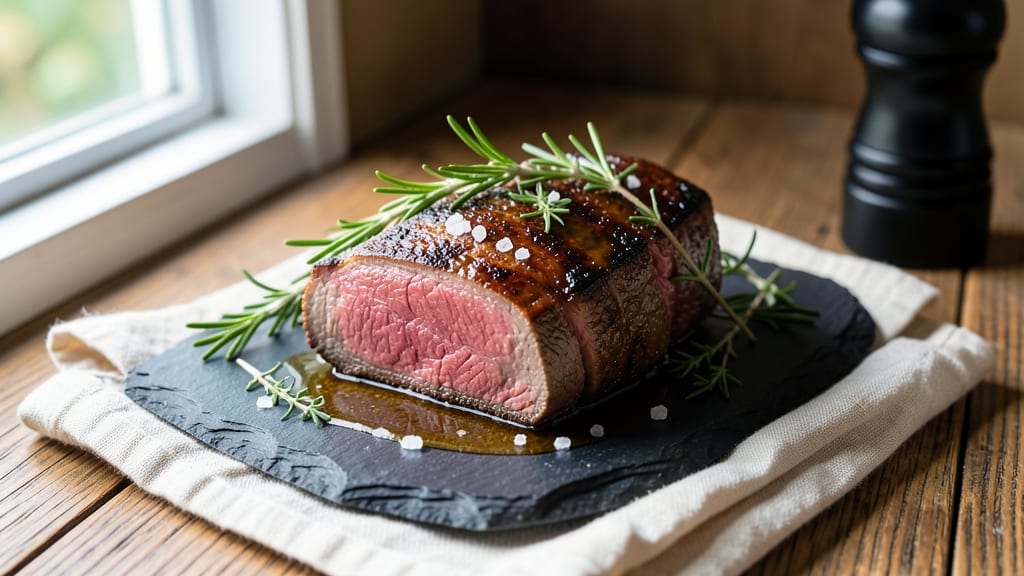
This Angus beef tenderloin recipe delivers melt-in-your-mouth perfection with a crisp, buttery crust and impossibly tender interior—all thanks to the reverse-sear method. After years of perfecting this technique, I can confidently say this is the only way to cook tenderloin for restaurant-quality results at home.
The secret lies in low-and-slow roasting followed by a quick sear, ensuring juiciness without drying out the meat.
The reverse-sear approach transforms tough cuts into tender, juicy masterpieces by cooking the meat slowly to an internal temperature of 110°F before finishing with a high-heat sear. This method creates that coveted crust while keeping the inside perfectly pink and succulent.
With just a few simple steps and precise temperature control, you'll achieve a steakhouse-worthy centerpiece that impresses every time.
What makes this recipe truly special is how it balances simplicity with professional techniques. You'll work with just four key ingredients—Angus beef tenderloin, olive oil, kosher salt, and black pepper—while the real magic happens in the timing and temperature.
The result? A buttery, caramelized crust that contrasts beautifully with the tender interior, making each bite unforgettable.
Whether you're hosting a dinner party or treating yourself to a special meal, this recipe delivers consistent, showstopping results. Pair it with classic sides like roasted potatoes or a rich red wine reduction for the ultimate dining experience. Let's get started on creating your most impressive steak yet.
Ingredients for angus beef tenderloin
Four core ingredients transform tenderloin into restaurant-quality perfection through precise technique.
| Ingredient | Amount | Notes |
|---|---|---|
| Angus Beef Tenderloin 🥩 | 2 lb | Center-cut, trimmed of silver skin |
| Extra-Virgin Olive Oil 🫒 | ½ cup | High-quality, fruity variety for searing |
| Kosher Salt 🧂 | 2 tbsp | Diamond Crystal preferred for even distribution |
| Freshly Ground Black Pepper 🌶️ | 1 tbsp | Coarsely cracked for texture contrast |
| Fresh Rosemary 🌿 | ¼ cup | Finely chopped, stems removed |
| Fresh Thyme Leaves 🌿 | ¼ cup | Packed, stems discarded |
| Garlic Cloves 🧄 | 4 cloves | Peeled, smashed for aromatic oils |
| Unsalted Butter 🧈 | ½ cup | Cold, cubed for basting |
| Red Wine 🍷 | ¼ cup | Bold variety like Cabernet Sauvignon |
| Vegetable Oil 🫒 | ¼ cup | High smoke point for searing |
The Angus beef tenderloin is the star—look for USDA Prime grade with excellent marbling. Local butchers often carry superior cuts compared to grocery stores. The center-cut portion is crucial for tenderness, so avoid the ends. If buying frozen, thaw in the fridge for 24 hours—never at room temperature. Fresh herbs elevate the crust; Whole Foods or specialty markets offer the freshest rosemary and thyme. The garlic should be plump and firm, not sprouting.
No fresh rosemary? Dried at one-third the amount works, but fresh is ideal for aroma. Substitute white wine for red if needed, though boldness matters. The butter must be cold and cubed—room temperature ruins the basting. For extra crust development, add 1 tbsp brown sugar to the salt mixture. The olive oil should be extra-virgin—cheap oils burn easily. If you lack a meat thermometer, use the finger test for doneness: press gently—it should feel like firm tofu.
Store the tenderloin in its original packaging on the lowest shelf of your fridge for 3-4 days maximum. The herbs keep best wrapped in damp paper towels for 5 days. For make-ahead prep, season the meat 12 hours ahead and refrigerate uncovered—this enhances crust formation. The reverse-sear method yields best results when executed immediately after thawing. Leftovers reheat beautifully in a 350°F oven for 10 minutes covered with foil, then uncovered to crisp.
Why You'll Love This Recipe
- I’ll be real: most beef leftovers are sad. Not this. Sliced thin, it reheats beautifully—perfect for sandwiches, grain bowls, or even breakfast hash the next morning. (Yes, even on a Tuesday.)
- No-Fuss Roast: I swear, this is the kind of meal where the hardest part is deciding when to pull it out of the oven. Just a quick sear in olive oil, a sprinkle of rosemary and pepper, then let the oven do the work—no basting, no flipping, no stress.
- Rich, Earthy Magic: That first bite of tenderloin—juicy, buttery, with rosemary’s piney aroma cutting through the richness? It’s like a hug for your taste buds, and honestly, I don’t think I’ve ever needed dessert after it.
- Date Night or Dinner Party: Between us, this is my go-to for when I want to impress without slaving over a grill. The rosemary’s freshness and the beef’s melt-in-your-mouth texture make it feel fancy, but it’s really just a sheet-pan solution for any gathering.
Step-by-step instructions for perfectly reverse-seared Angus beef tenderloin
Master this technique for steak that's impossibly tender inside with a deep mahogany crust outside.
Prepare the Tenderloin for Low-Temperature Cooking
Remove the 2 lb Angus Beef Tenderloin from the refrigerator and pat it dry with paper towels. This step is crucial—moisture on the surface prevents proper searing later. I like to work with the tenderloin at room temperature for even cooking, so let it sit uncovered for 30 minutes while you prepare everything else.
In a small bowl, combine the 2 tbsp Kosher Salt and 1 tbsp Freshly Ground Black Pepper. Rub this mixture all over the tenderloin, pressing firmly to create a crust that will help retain moisture during cooking. The salt also breaks down proteins for better tenderness. While the tenderloin rests, finely chop the 0.25 cup Fresh Rosemary and 0.25 cup Fresh Thyme Leaves, then smash the 4 cloves Garlic Cloves with the flat side of your knife to release their aromatic oils.
Build the Herb Butter and Preheat the Oven
In a small mixing bowl, combine the 0.5 cup Unsalted Butter with the chopped rosemary, thyme, and smashed garlic. This herb butter will bast the tenderloin during cooking, infusing it with layers of flavor. Spread this mixture evenly over the seasoned tenderloin, pressing gently to adhere.
Preheat your oven to 250°F—this low temperature is key for cooking the tenderloin evenly without overcooking the exterior. Place a wire rack on a rimmed baking sheet and position the tenderloin on the rack. This allows hot air to circulate all around the meat, ensuring even cooking. Place the baking sheet in the oven and cook for 45-50 minutes, or until the internal temperature reaches 115°F when measured with an instant-read thermometer. This is the critical first stage—patience here prevents dryness.
Create the High-Heat Sear for Crust Perfection
While the tenderloin cooks, heat a heavy skillet over high heat until it's screaming hot. Add 0.25 cup Vegetable Oil and let it shimmer for 1 minute—this ensures proper heat transfer for searing. Remove the tenderloin from the oven and let it rest for 5 minutes to stabilize its temperature before searing.
Sear the tenderloin for 2-3 minutes per side, pressing down gently with a spatula to ensure even contact with the pan. You're aiming for a deep mahogany crust with a temperature of 130-135°F in the center. The high heat creates a flavorful crust while the interior remains perfectly tender. For extra richness, add 0.25 cup Red Wine to the pan after removing the tenderloin, scraping up any browned bits to create a quick pan sauce.
Rest and Serve for Maximum Juiciness
Transfer the seared tenderloin to a cutting board and tent loosely with aluminum foil. Let it rest for 10-15 minutes—this crucial step allows the juices to redistribute throughout the meat. If you slice it too soon, all those precious juices will run out onto your plate instead of staying where they belong.
Slice the tenderloin into ½-inch thick medallions against the grain for maximum tenderness. The exterior should be beautifully crusty with a deep caramelized color, while the interior remains buttery and pink in the center. Serve immediately with the wine reduction spooned over the top, accompanied by roasted vegetables or a simple salad to let the beef shine as the star of the meal.
Pro Tips For Making Angus Beef Tenderloin
- SEAR IN STAGES: I learned this the hard way—trying to sear the whole tenderloin at once just makes it steam instead of brown. Start with high heat for 2-3 minutes per side, then pull it off the pan for 30 seconds to let the crust set before finishing. Repeat until you’ve got that golden, caramelized crust.
- SALT THE ROSEMARY: Fresh rosemary needs a little help sticking. Sprinkle it with a pinch of kosher salt before pressing it into the meat—it’ll cling better and infuse deeper. (Yes, even if you’re impatient like me, wait 10 minutes before cooking so the salt draws out moisture and the herbs adhere.)
- CHECK TEMP WITHOUT GUESSING: That internal thermometer isn’t just for show. For medium-rare, pull the tenderloin at 120°F—it’ll rise to 125°F while resting. If you’re eyeballing it, you’re either overcooking or undercooking. (I used to cut into it too soon and ruin a perfect sear.)
- REST UNDER FOIL: Skip the tented foil trap—just loosely drape it over the meat to trap heat while letting steam escape. A solid 5-10 minutes under foil keeps it juicy without turning the crust soggy. (Your future self will thank you when the slices glide off the knife.)
Creative variations of these flavors
Herb-Infused Variations
Swap the rosemary and thyme for fresh sage and garlic—this Italian-inspired twist adds earthy depth. Use 1 tbsp finely chopped sage and 2 smashed garlic cloves, then increase the butter to 0.75 cup for richer flavor.
For a smoky profile, add 1 tsp smoked paprika to the salt mixture before searing. 🌿
Spice-Rub Crust Options
Create a Cajun-inspired crust by mixing 1 tbsp kosher salt, 1 tbsp black pepper, 1 tsp garlic powder, 1 tsp onion powder, and ½ tsp cayenne before the low-temperature cook.
For a sweet-and-spicy version, add 1 tbsp brown sugar and ½ tsp chili flakes to the herb butter. Press the rub firmly onto the meat to ensure adhesion during cooking.
Wine & Sauce Pairings
Replace the red wine with balsamic vinegar for a tangy reduction—simmer 0.5 cup balsamic with 1 tbsp brown sugar and 1 tsp Dijon mustard until thickened. For a creamy finish, stir in 0.25 cup crème fraîche at the end.
A white wine reduction (using 0.5 cup Chardonnay) with 1 tsp honey adds brightness to contrast the rich beef.
Global Flavor Twists
Try a Korean-inspired glaze by brushing the tenderloin with 0.3 cup gochujang mixed with 1 tbsp honey and 1 tbsp soy sauce after searing.
For a Mediterranean touch, marinate the meat in 0.25 cup olive oil, 2 tbsp lemon zest, and 1 tsp oregano for 2 hours before cooking. Both methods enhance the crust while adding global flair. 🌍
Vegetable & Side Pairings
Roast parsnips and carrots with rosemary and thyme (same herbs as the beef) for a cohesive flavor profile. For a lighter option, serve with arugula salad tossed in lemon vinaigrette and topped with toasted pine nuts.
A red wine jus (from the searing pan) elevates any side dish while keeping the beef as the star.
Make-Ahead Adaptations
Season the tenderloin 12 hours ahead and refrigerate uncovered to dry the surface for better searing. For next-day cooking, par-cook the meat to 110°F in the oven, then refrigerate. Finish with a high-heat sear the next day—this shortcut saves time without sacrificing texture.
Store leftovers in an airtight container for up to 3 days or freeze for 2 months. 💡
Nutrition facts
Frequently asked questions
What's the best internal temperature for medium-rare Angus beef tenderloin?
The perfect medium-rare finish for tenderloin is 130-135°F internal temperature. Using a meat thermometer ensures precision—this range delivers a pink center with a perfect crust. For reverse-searing, you'll first cook to 115°F then sear to reach your final temp.
Can I cook this recipe without a meat thermometer?
Yes! Use the finger test for doneness: press gently—it should feel like firm tofu at 130°F. For reverse-sear, cook until the center feels slightly springy (like pressing a jelly donut). The high-heat sear will firm it up to perfect medium-rare. Practice makes perfect!
How do I prevent the tenderloin from drying out?
Never skip the resting period—10-15 minutes lets juices redistribute. Also, pat the meat very dry before seasoning to create a better crust. The low-temperature oven stage (250°F) is key—it cooks the center gently while the high-heat sear adds flavor without overcooking.
What's the difference between reverse-searing and traditional methods?
Reverse-searing cooks the meat slowly first (to 115°F) then finishes with high heat, creating a perfect crust while keeping the center juicy. Traditional methods sear first then roast, which can overcook the exterior before the center reaches ideal temp. Reverse-sear is foolproof for tender cuts like tenderloin!
How many servings does this recipe actually yield?
A 2 lb tenderloin serves 4-6 people generously, depending on portion size. For 4 servings, slice into ½-inch medallions (about 6-8 pieces). For larger groups, add a side like roasted potatoes or a salad. The wine reduction can be doubled to serve as a sauce for extra portions.