
Main Courses
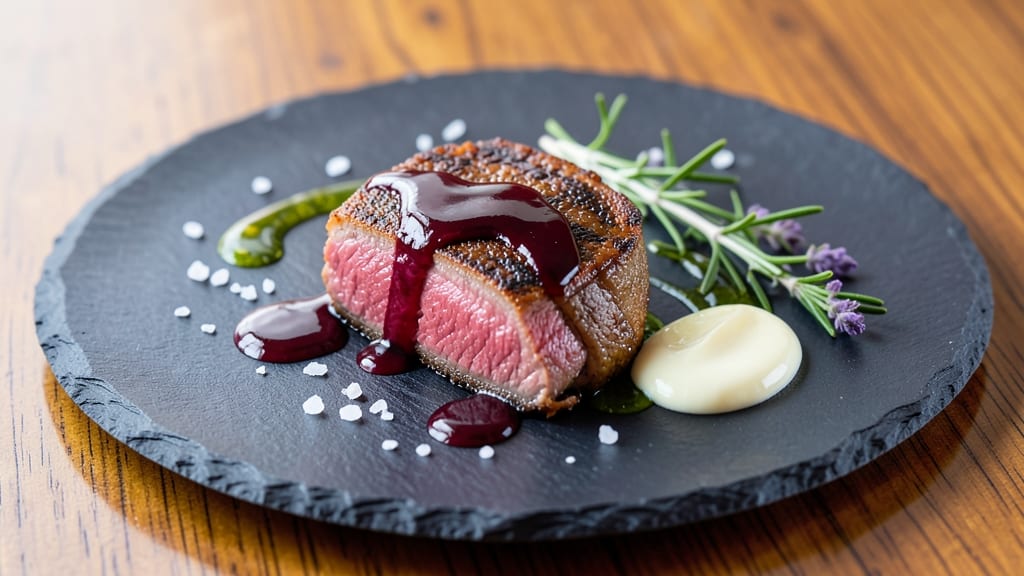
Angus beef tenderloin steak delivers the perfect balance of buttery sear and juicy pink center—this recipe transforms a simple cut into a restaurant-worthy masterpiece. The secret lies in precise temperature control and a dry-brine technique that ensures maximum tenderness and flavor without overpowering the beef's natural richness.
Start with a dry brine overnight (or at least 4 hours) to enhance moisture retention and develop deep flavor. Season generously with coarse salt and freshly cracked black pepper, then let the steak come to room temperature before cooking.
For the perfect reverse sear, begin with a low oven bake to reach 125–130°F internal (medium-rare), then finish with a screaming-hot cast-iron sear for that coveted crust.
What you'll achieve is a steak with a caramelized exterior that shatters at the touch of a fork and a pink core so tender it melts in your mouth. The resting period is critical—allowing the juices to redistribute ensures every bite is succulent.
Serve with a drizzle of red wine reduction or a sprinkle of flaky sea salt to elevate the experience further.
Pair this steak with classic sides like roasted garlic mashed potatoes or grilled asparagus for a complete meal. The technique is straightforward but yields results that rival high-end steakhouses—proving you don't need a fancy kitchen to cook like a pro.
Ingredients for angus beef tenderloin steak
Four essential ingredients transform a premium cut into a restaurant-quality steak experience.
| Ingredient | Amount | Notes |
|---|---|---|
| Angus Beef Tenderloin 🥩 | 2 lb | Center-cut, 1.5-inch thick slices |
| Coarse Kosher Salt 🧂 | 1 ½ tbsp | Diamond Crystal preferred |
| Freshly Ground Black Pepper 🌶️ | 1 tsp | Cracked over steak |
| Extra-Virgin Olive Oil 🫒 | 2 tbsp | High smoke point preferred |
| Unsalted Butter 🧈 | 4 tbsp | Cold, cubed for basting |
| Red Wine Reduction 🍷 | ½ cup | Homemade or quality store-bought |
| Flaky Sea Salt 🧂 | 1 tbsp | For finishing garnish |
| Fresh Rosemary 🌿 | 1 sprig | For aroma during cooking |
| Fresh Thyme 🌿 | 1 sprig | For aroma during cooking |
The Angus beef tenderloin is non-negotiable—look for center-cut slices with even thickness (1.5 inches). Whole Foods or specialty butchers carry the best quality, but most grocery stores stock pre-sliced tenderloin. Avoid pre-marinated cuts; the dry-brine technique is what unlocks the tenderness. For a 4-serving meal, two pounds yields perfect individual portions. If your steak arrives frozen, thaw it in the fridge for 24 hours—never at room temperature. The marbling (white fat streaks) should be abundant; this is what delivers the buttery flavor.
No Diamond Crystal kosher salt? Morton kosher salt works, but measure carefully—it's finer. Freshly cracked black pepper is ideal, but pre-ground is fine in a pinch. For the olive oil, avoid extra-light varieties—you want a high smoke point (look for 400°F+). The red wine reduction can be homemade (simmer 1 cup red wine with 1 tbsp butter until reduced by half) or store-bought (Rao's or Bertolli are reliable). Swapping the rosemary or thyme for basil or oregano changes the flavor profile entirely—stick with these herbs for classic pairing.
Store the beef tenderloin in its original packaging if unopened, or wrap tightly in butcher paper for up to 5 days in the fridge. Once cooked, the steak reheats beautifully—gentle warming in a skillet with a splash of beef broth preserves moisture. The red wine reduction keeps for 1 week refrigerated or 3 months frozen. For leftovers, slice against the grain and serve on toasted brioche with a sprinkle of flaky sea salt—the contrast of textures elevates every bite.
Why You'll Love This Recipe
- Five-Ingredient Magic: The whole recipe boils down to just five things—no fancy prep, no hidden ingredients. I swear, the tenderloin practically cooks itself when you sear it in that hot pan with olive oil and butter, then finish it off in the oven. My kids think I’m a genius, but honestly? It’s just letting the meat do the work.
- Butter-Basted Luxury: That moment when you baste the steak with melted butter and olive oil? Pure satisfaction. The crust gets golden and crisp, while the inside stays so tender it melts like butter—no fancy sauce needed. (Between us, I’ve tried all the gourmet rubs, but this simple salt-and-pepper combo lets the beef shine.)
- Weeknight or Weekend: Make it for a lazy Tuesday dinner or impress guests on Saturday—this steak handles both. Slice it thin for quick weeknight meals, or serve it whole for a showstopper. My husband’s coworkers still talk about the time I brought this to his office potluck. (Yes, even with a coffee maker as a side.)
- Leftovers That Don’t Suck: Most steak leftovers turn into sad, dry bites, but not this one. The tenderloin stays juicy for days, so I’ll often cook a little extra and repurpose it into sandwiches or salads. My daughter’s favorite? Cold slices with a sprinkle of salt and a drizzle of that same buttery pan sauce. (She’s not wrong.)
Step-by-step instructions for perfectly cooked Angus beef tenderloin
Mastering this technique guarantees a restaurant-quality steak with a buttery crust and melt-in-your-mouth tenderness.
Season and Prepare the Angus Tenderloin
Pat the 2 lb Angus Beef Tenderloin completely dry with paper towels—this is critical for achieving that perfect crust. Working quickly, rub all sides generously with the 1.5 tbsp Coarse Kosher Salt and 1 tsp Freshly Ground Black Pepper. I press the salt into the surface firmly so it adheres well and penetrates slightly during the short resting time.
Let the seasoned steak rest at room temperature for 30 minutes. This allows the surface to dry slightly and the meat to cook more evenly. During this time, I like to preheat my oven to 400°F—this high temperature will help create that coveted crust while keeping the interior juicy.
Create the Searing Pan and Baste the Steak
Heat a heavy oven-safe skillet over medium-high heat until very hot. Add the 2 tbsp Extra-Virgin Olive Oil and let it shimmer for 1 minute. Place the steak in the pan and sear for 2 minutes per side until developing a deep golden-brown crust. This initial sear locks in juices and creates the flavor foundation.
Remove the steak and reduce heat to medium. Add the 4 tbsp Unsalted Butter and the sprigs of Fresh Rosemary and Fresh Thyme. Tilt the pan to coat the bottom evenly with the melted butter, then return the steak to the pan. Baste it generously with the butter mixture for 1 minute per side, spooning the melted butter over the surface.
Finish in the Oven for Perfect Doneness
Transfer the skillet to the preheated 400°F oven. Cook for 8-10 minutes total (about 4-5 minutes per side) until the internal temperature reaches 125°F for medium-rare—this is where the magic happens. The residual heat in the pan and oven will carry the steak to perfect doneness while maintaining its juiciness.
For visual confirmation, the crust should be deep golden brown with butter pooling on the surface. The steak should feel slightly springy when pressed gently with your finger. Remove from the oven and let it rest for 10 minutes on a warm plate—this crucial step allows juices to redistribute throughout the meat.
Create the Wine Reduction and Finish
While the steak rests, place the oven-safe skillet back on the burner over medium heat. Add the 0.5 cup Red Wine Reduction and scrape up all the browned bits from the bottom with a wooden spoon. Simmer for 2-3 minutes until slightly reduced and glossy.
Return the steak to the skillet and spoon the reduction generously over the top. Sprinkle with the 1 tbsp Flaky Sea Salt and let it melt slightly into the crust. Serve immediately with the reduced wine sauce spooned alongside—this adds an elegant finishing touch that complements the beef's natural richness.
Pro Tips For Making Angus Beef Tenderloin Steak
- Use Two Zones: Start with a screaming-hot cast-iron or heavy skillet—you want that butter to sizzle like a drive-thru speaker at noon. Once you flip the steak, drop the heat to medium-low and cover it for the last 2-3 minutes. I learned this the hard way when my first attempt came out charred on the outside and still cold in the middle—Angus tenderloin forgives a lot, but not this.
- Pat It Dry: Wet steak + hot pan = sad sear. Grab paper towels and give that tenderloin a thorough rubdown before seasoning—don’t just wipe it, press the towels into the crevices. The extra effort guarantees a crust that’s crispy enough to stand up to a butter baste.
- Salt Before Butter: Season the steak generously with kosher salt and pepper at least 45 minutes before cooking—this isn’t just for flavor, it’s for texture. When you add that unsalted butter later, the salted surface will turn it into a caramelized glaze instead of a greasy mess. (Yes, I’ve made that mess.)
- Rest Under Foil: After pulling the steak from the pan, transfer it to a foil tent and let it rest for a full 5-10 minutes. I know, I know—you’re hungry—but cutting into it too soon means juices pooling on your plate instead of your fork. This isn’t a sprint; it’s a steak.
Serving suggestions for angus beef tenderloin steak
Classic Side Pairings
Roasted garlic mashed potatoes create the perfect canvas for this steak—their creamy texture contrasts beautifully with the beef's buttery richness.
I use Yukon Gold potatoes boiled until tender, then mashed with 4 tbsp butter, ¼ cup warm milk, 3 cloves roasted garlic, and 1 tsp flaky sea salt. For extra indulgence, fold in 2 oz cream cheese for a luxurious finish. 🥔
Grilled asparagus adds a fresh, vibrant element to the plate. Toss 1 bunch asparagus in 1 tbsp olive oil, ½ tsp lemon zest, and salt and pepper, then grill for 6-8 minutes until tender-crisp.
A squeeze of fresh lemon at the end brightens the dish and cuts through the richness of the steak.
Elegant Garnishes
Freshly chopped parsley or chives add a pop of color and freshness when sprinkled over the steak just before serving. I like to use flat-leaf parsley because its mild flavor doesn't overpower the beef.
For a more robust touch, try thyme leaves or rosemary sprigs—these complement the wine reduction beautifully. 🌿
Bread Pairings
A warm baguette or sourdough loaf is essential for soaking up any leftover wine reduction or butter. I recommend toasting the bread until golden and crisp, then slicing it into thick pieces. For a gourmet touch, brush the slices with garlic-infused olive oil before serving. 🥖
Dessert Pairings
Finish the meal with a light dessert like dark chocolate-dipped strawberries or vanilla bean ice cream. The bitterness of dark chocolate balances the richness of the steak, while the creaminess of ice cream provides a refreshing contrast.
For a more decadent option, try crème brûlée—its caramelized sugar crust adds a sophisticated finish. 🍓
Drink Recommendations
A bold Cabernet Sauvignon or Malbec pairs exceptionally well with the steak's rich flavors. I prefer wines with 14-15% alcohol and noticeable tannins, such as Caymus Vineyards or Catena Zapata. For a lighter option, a Pinot Noir with its bright acidity provides a refreshing contrast. 🍷
Nutrition facts
Frequently asked questions
How long should I let the steak rest before slicing?
Always let your Angus beef tenderloin steak rest for 10 minutes after cooking. This allows the juices to redistribute throughout the meat, ensuring every slice is moist and flavorful. Cutting too soon releases precious juices, leaving you with a dry steak.
Can I cook this steak on the grill instead of in the oven?
For grilling, preheat to medium-high heat (around 400-450°F) and sear the steak for 3-4 minutes per side before moving it to indirect heat. Use a meat thermometer to reach 125°F internal for medium-rare. The key is maintaining consistent heat—avoid flare-ups by trimming excess fat first.
What's the difference between reverse sear and traditional sear?
The reverse sear method (used here) starts with low oven heat to cook the steak evenly, then finishes with a high-heat sear. Traditional searing cooks the steak entirely on the stovetop or grill, which can lead to overcooked exteriors and dry centers. The reverse method ensures a perfect crust while keeping the interior juicy.
How do I know when the steak is done without a thermometer?
For medium-rare, press the steak gently with your finger—it should feel slightly springy. The center should still be cool to the touch. For visual cues, look for a deep golden-brown crust and a slightly pink center. Remember: 125°F internal is medium-rare, but practice makes perfect!
Can I make this recipe with frozen beef?
No—never cook frozen beef. Thaw your Angus beef tenderloin in the refrigerator for 24 hours before cooking. This ensures even cooking and prevents uneven doneness. If you're short on time, use the cold water method (sealed in a leak-proof bag) for 30-60 minutes. Never thaw at room temperature.