
Main Courses
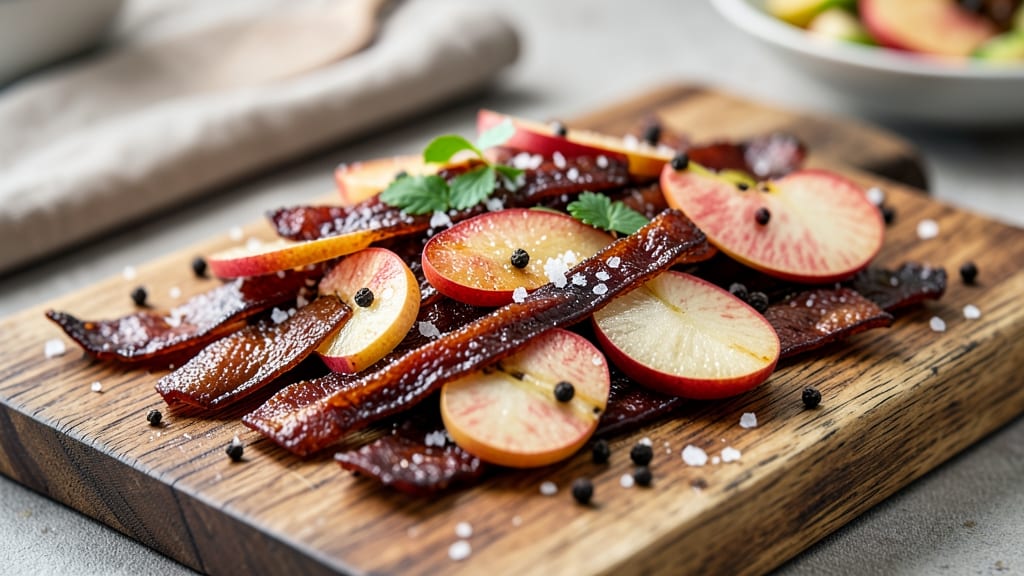
This apple beef jerky recipe transforms tough cuts into chewy, smoky-sweet bites that last for weeks—no special equipment required. The secret lies in balancing traditional curing techniques with apple cider's natural sweetness and acidity, creating a flavor profile that's both nostalgic and sophisticated.
What sets this method apart is the apple-based marinade, which tenderizes the meat while adding depth that store-bought versions can't match.
The process begins with a precise salt-sugar cure that draws out moisture while preserving the meat safely, followed by a marinade of apple cider, spices, and a touch of brown sugar that caramelizes during drying.
Whether you use an oven, dehydrator, or even a warm summer breeze, the result is consistently chewy jerky with a perfect sweet-spicy balance. This isn't just jerky—it's a flavor experience that turns simple beef into something extraordinary.
What you'll end up with is jerky that's rich in umami from the curing process and brightened by apple cider's natural acidity, creating a texture that's satisfyingly chewy and a flavor that's both familiar and exciting.
The smoky notes from the drying process combine beautifully with the apple's subtle sweetness, resulting in jerky that's perfect for snacks, hiking trips, or gifting. Every bite delivers that perfect harmony of sweet, smoky, and savory flavors.
This method ensures your jerky stays safe to eat for weeks when stored properly, making it an excellent make-ahead project. The apple cider marinade not only enhances flavor but also acts as a natural preservative, extending shelf life while keeping the jerky moist and tender.
Whether you're a jerky novice or an experienced maker, this recipe delivers professional-quality results at home.
Ingredients for apple beef jerky
The secret to smoky-sweet jerky starts with these 14 ingredients—simple but powerful.
| Ingredient | Amount | Notes |
|---|---|---|
| Beef Top Round Roast 🥩 | 2 lb | Tough cut, thinly sliced against grain |
| Apple Cider 🍎 | 1 ½ cups | Unfiltered, preferably organic |
| Kosher Salt 🧂 | ½ cup | Diamond Crystal preferred |
| Brown Sugar 🍚 | ¼ cup | Light or dark variety |
| Granulated Sugar 🍚 | ¼ cup | White sugar, fine grain |
| Black Peppercorns 🌶️ | 2 tbsp | Freshly cracked preferred |
| Ground Cinnamon 🌿 | 1 tbsp | True cinnamon, not cassia |
| Ground Ginger 🌿 | 1 tsp | Freshly ground for warmth |
| Garlic Powder 🧄 | 1 tbsp | Not garlic salt |
| Onion Powder 🧅 | 1 tbsp | Freshly ground preferred |
| Smoked Paprika 🌶️ | 1 tbsp | High-quality smoked |
| Apple Cider Vinegar 🍶 | ½ cup | For marinade acidity |
| Honey 🍯 | 2 tbsp | Wildflower preferred |
| Vegetable Oil 🫒 | 1 tbsp | For slicing board |
The beef is everything here. Top round roast is the gold standard—it's lean enough to dry properly but still holds flavor. Grab a 2-pound roast from the butcher counter (ask for pre-sliced if they offer it), or slice it yourself against the grain for that signature chew. If you're feeling fancy, Costco or Whole Foods often carry pre-sliced jerky beef—just check the packaging for no added nitrates. The apple cider? Unfiltered, organic is ideal—it's got more natural sweetness and depth. Save the store-brand stuff for emergencies. Freshly cracked peppercorns make a world of difference too—if you've got a pepper grinder, take 30 seconds to crack them fresh. Trust me on this.
No apple cider vinegar? White vinegar or lemon juice works in a pinch, but the apple flavor is what makes this special. Running low on honey? Maple syrup at half the amount keeps things sweet. The spices are non-negotiable though—skip the pre-mixed jerky seasoning. Penzeys or bulk bins at natural food stores have the best quality. Want more heat? Add a pinch of cayenne. For the slicing, a sharp meat slicer is ideal, but a serrated knife and steady hand work too. Just make sure those slices are thin and even—about 1/8-inch thick. And if you're worried about the sugar caramelizing too much during drying, reduce the brown sugar to 2 tablespoons.
This jerky keeps for 4-6 weeks in the fridge, wrapped tightly in parchment paper, or 6-12 months in the freezer. For long-term storage, vacuum-seal it if you've got a sealer—otherwise, double-wrap in plastic wrap and foil. The apple cider marinade actually helps preserve it longer than traditional jerky. I like to portion mine into ziplock bags with oxygen absorbers for gifting. And if you're drying in the oven, prop the door open about an inch to let moisture escape—no fan needed. The smoky notes develop naturally as it dries, so no need to smoke it separately.
Why You'll Love This Recipe
- Fridge-to-Table Speed: The top round roast doesn’t need fancy prep—just slice it thin, toss with apple cider and salt, and let the oven do the work. I’ve made this while waiting for dinner to be ready, and it’s still perfectly tender every time.
- Sweet-Savory Magic: That apple cider isn’t just for drinking—it melts into the beef, balancing the salt with just enough caramelized sweetness. Honestly, the first time I tried it, I nearly licked the pan.
- Snack or Meal: Thin strips? Perfect for quick snacks or charcuterie boards. Thicker slices? A hearty lunch with crackers or a wrap. I’ll be real: my kids grab the leftovers for school lunches, and they’re always back for more.
- Budget Stretch: A pound of top round goes a long way, and the sugar and cider cost pennies. I’ve fed four people for under $10, and the flavor? Way better than takeout. Not the prettiest, but the taste makes up for it.
Step-by-step instructions for apple beef jerky
Here's how to transform tough beef into chewy, flavor-packed jerky with a perfect smoky-sweet balance.
🔪 Step 1: Prep and Slice the Beef
Start by slicing the 2 lb Beef Top Round Roast against the grain into strips about ¼-inch thick and 1-inch wide. I use a sharp boning knife and coat my cutting board with 1 tablespoon Vegetable Oil to prevent sticking. The thinner and more uniform the slices, the faster and more evenly they'll dry.
Arrange the slices on a tray and refrigerate uncovered for 1 hour to dry the surface slightly. This helps the marinade cling better and creates a more concentrated flavor. You'll notice the edges start to firm up—that's your signal they're ready for marinating.
👨🍳 Step 2: Make the Smoky-Sweet Marinade
In a large bowl, combine 1.5 cups Apple Cider, 0.5 cup Apple Cider Vinegar, 2 tbsp Honey, 0.5 cup Kosher Salt, 0.25 cup Brown Sugar, 0.25 cup Granulated Sugar, 2 tbsp freshly cracked Black Peppercorns, 1 tbsp Ground Cinnamon, 1 tsp Ground Ginger, 1 tbsp Garlic Powder, 1 tbsp Onion Powder, and 1 tbsp Smoked Paprika. Whisk vigorously until the sugars dissolve completely.
Here's the thing—this marinade needs time to work its magic. Pour it into a resealable plastic bag and add the beef slices. Seal tightly, removing as much air as possible, then massage the bag to coat every slice evenly. Let it marinate in the refrigerator for at least 12 hours—I prefer 24 hours for maximum flavor penetration.
🔥 Step 3: Dry the Jerky Properly
Preheat your dehydrator to 160°F or set up a food dehydrator tray lined with parchment paper. Arrange the marinated beef slices in a single layer, ensuring they don't overlap. The slices should be spaced about ½-inch apart to allow proper airflow—this prevents uneven drying and potential spoilage.
Dehydrate for 4-6 hours, checking periodically. You're looking for jerky that's flexible but not rubbery—it should bend slightly but not snap. If any pieces start to curl, flip them over to ensure even drying. The edges should turn a deep mahogany color while maintaining a moist center.
⏰ Step 4: Test for Doneness
Remove a slice after 4 hours and let it cool completely. The jerky should be dry to the touch with no visible moisture, and it should bend without breaking. If it's still moist or smells too strong, return it to the dehydrator for another 1-2 hours. Properly dried jerky will have a rich, concentrated flavor and a chewy texture that holds up well.
Once fully dried, let the jerky cool completely before storing in an airtight container. It'll keep for up to 2 weeks at room temperature or 3 months in the freezer. The longer it ages, the more intense the flavors become—this is where the magic happens!
Pro Tips For Making Apple Beef Jerky
- Trim Thin, Slice Even: Use a sharp knife and freeze the beef for 20 minutes first—this makes slicing ⅛-inch strips a breeze. I learned this the hard way after wrestling with uneven jerky that cooked at different rates.
- Reduce Cider First: Simmer the apple cider down by half before mixing it with sugars and salt. Thickened cider clings better to the beef and prevents a sticky mess in your dehydrator or oven.
- Salt the Meat Overnight: Toss the sliced beef with half the kosher salt and let it sit uncovered in the fridge for 12–24 hours. This breaks down fibers for tender jerky and cuts drying time by nearly 30%.
- Balance Sweet and Acid: Mix equal parts brown and granulated sugar with the reduced cider—brown sugar adds depth, but too much turns jerky into candy. I was skeptical until I tried it.
Make-ahead tips for this apple beef jerky
Marinade Prep Ahead
Make the marinade up to 3 days in advance and store it in an airtight container in the fridge. The flavors deepen over time, especially the apple cider and spices. I like to double the batch and freeze half for future jerky projects—just thaw overnight in the fridge before using.
This is especially helpful if you're batch-making for gifts or outdoor trips. 🍎
Beef Slicing Shortcut
Ask your butcher to slice the top round roast against the grain for you—many will do this for free if you ask nicely. If you must slice it yourself, freeze the roast for 30 minutes first to make it easier to handle.
Use a sharp meat slicer or a serrated knife for clean, even cuts. Aim for ¼-inch thickness—this ensures even drying and chewy texture. 🔪
Dehydrator Alternatives
No dehydrator? Use your oven on low heat (170°F) with the door propped open slightly. Line a baking sheet with parchment paper and place slices ½-inch apart. Rotate trays every 2 hours for even drying.
A sunny windowsill works too—just place slices on a wire rack in direct sunlight for 6-8 hours (great for warm climates). Monitor closely to prevent spoilage. ⏰
Storage Hacks
For maximum freshness, store finished jerky in vacuum-sealed bags with oxygen absorbers. If you don't have a sealer, wrap tightly in plastic wrap, then foil. Label with the date—jerky lasts 6 months in the freezer or 2 weeks at room temperature.
I portion mine into ziplock bags for easy grab-and-go snacks. The apple cider marinade actually preserves it longer than traditional jerky! 📅
Flavor Boost Tips
Add 1 tsp apple pie spice to the marinade for extra warmth, or swap ½ cup apple cider for apple juice concentrate> for deeper sweetness. For smokier flavor, add ½ tsp liquid smoke> to the marinade.
If you love heat, include ½ tsp cayenne> with the spices. These tweaks let you customize without changing drying times. 🌶️
Batch Processing
Double the recipe and process in two batches if your dehydrator tray is crowded. Overlapping slices creates steam, which can make jerky soggy. For large batches, freeze half the marinated beef after slicing—just thaw in the fridge overnight before drying.
This is perfect for meal prep or gifting. I've made 10 lbs at once> using two dehydrators! 💪
Nutrition facts
Frequently asked questions
Can I use apple juice instead of apple cider in this recipe?
You can substitute apple juice, but the flavor will be less complex. Apple cider has natural sweetness and subtle tannins that enhance the jerky's depth. For best results, use unfiltered apple cider—it contains sediment that adds texture. If you must use juice, add 1 tsp apple pie spice to compensate for lost flavor notes. The drying process won't be affected, but the final product will taste brighter rather than smoky-sweet.
How do I know when the jerky is fully dried?
Test for doneness by checking three things: texture, flexibility, and moisture. After 4 hours of drying, remove a piece and let it cool. It should be dry to the touch with no surface moisture, bend slightly without breaking, and have a deep mahogany color. If it feels damp or smells too strong, return it to the dehydrator for 1-2 more hours. Over-drying makes jerky tough, but under-drying risks spoilage.
Can I make this jerky without a dehydrator?
Use your oven on low heat (170°F) with the door propped open slightly to allow moisture escape. Line a baking sheet with parchment paper and arrange slices ½-inch apart. Rotate trays every 2 hours for even drying. A sunny windowsill works too—place slices on a wire rack in direct sunlight for 6-8 hours (ideal for warm climates). Monitor closely to prevent spoilage from trapped moisture.
Why does my jerky turn out too sweet or not sweet enough?
The sugar balance depends on your apple cider's natural sweetness. If it tastes too sweet, reduce the brown sugar by 1-2 tablespoons next time. For less sweetness, increase the apple cider vinegar by 1-2 tablespoons to balance flavors. Taste the marinade before applying—it should be tangy-sweet, not cloying. The drying process concentrates flavors, so start with slightly less sugar than you think you need.
How can I make this jerky spicier?
For extra heat, add ½-1 teaspoon cayenne pepper or 1 teaspoon chili powder to the marinade. For smoky heat, include ½ teaspoon smoked cayenne. If you love complexity, try 1 teaspoon chipotle powder or ½ teaspoon red pepper flakes. Remember, spices intensify during drying, so start conservative. For a balanced kick, pair heat with 1 extra tablespoon of honey to soften the bite.