
Sauces & Condiments
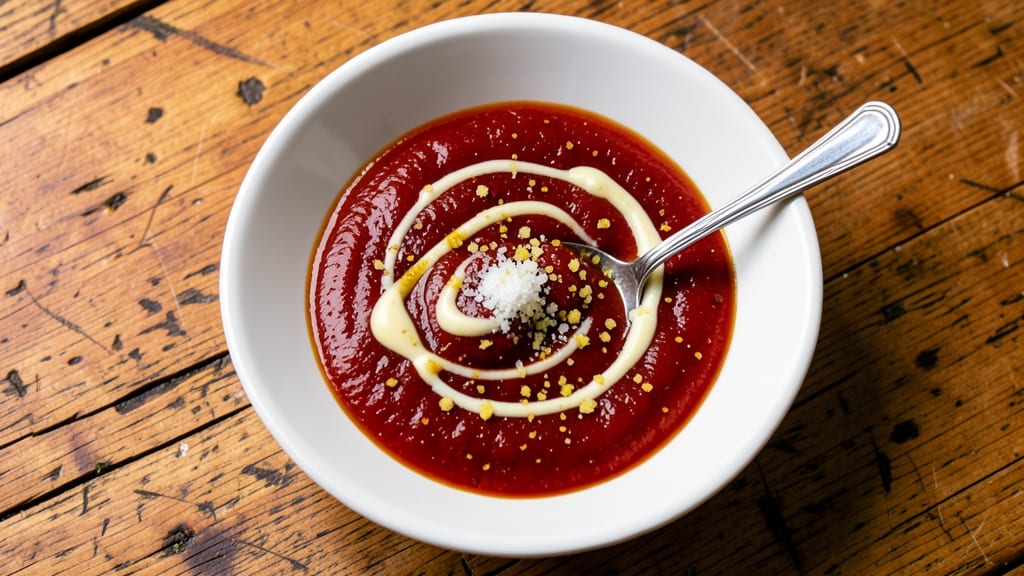
This Arby's roast beef sauce recipe delivers that signature tangy, slightly spicy drizzle that turns any sandwich into a restaurant-quality meal. The secret lies in balancing ketchup's sweetness with horseradish's kick and vinegar's sharpness—just like the original.
I've perfected this copycat version after testing countless variations, ensuring every drizzle recreates that iconic flavor profile you love.
The sauce comes together in minutes with simple pantry staples, yet its depth of flavor makes it worth the effort. What sets this apart is the careful ratio of ingredients that mimics Arby's signature blend—creamy yet tangy, with just enough heat to complement roast beef without overpowering it.
The key is letting the sauce sit for at least 30 minutes before using, allowing all the flavors to meld together perfectly.
What you'll end up with is a glossy, thick sauce that clings beautifully to sandwiches, adding that unmistakable Arby's taste in every bite. It's perfect for drizzling over roast beef sandwiches, burgers, or even fries for that extra kick.
The best part? This sauce keeps well in the refrigerator for up to 2 weeks, so you can make a big batch and enjoy it whenever cravings strike.
Whether you're hosting a game day or just craving that classic Arby's flavor at home, this copycat recipe delivers restaurant-quality results with minimal effort. Here's everything you need to make it!
Ingredients for arby's roast beef sauce
Nine pantry staples transform into that iconic Arby's tangy, creamy drizzle you crave.
| Ingredient | Amount | Notes |
|---|---|---|
| Ketchup 🍅 | 1 cup | High-quality, no sugar added preferred |
| Prepared Horseradish 🌶️ | ¼ cup | Creama-style for creaminess |
| Distilled White Vinegar 💧 | ½ cup | White or apple cider vinegar |
| Mayonnaise 🥫 | ½ cup | Full-fat for best texture |
| Worcestershire Sauce 🍶 | 1 tbsp | Lea & Perrins preferred |
| Granulated Sugar 🍚 | 1 tbsp | Adjust to taste for sweetness |
| Black Pepper 🌶️ | ½ tsp | Freshly ground for best flavor |
| Salt 🧂 | 1 tsp | Kosher or sea salt preferred |
| Garlic Powder 🧄 | ½ tsp | For subtle depth of flavor |
| Onion Powder 🧅 | ¼ tsp | Adds subtle savory base |
The ketchup and horseradish are non-negotiable for that signature Arby's kick. Heinz Ketchup is the gold standard here—it's what they use in the restaurants. For horseradish, Creama-style (like Gourmet Garden) adds creaminess that jarred horseradish can't match. Vinegar is the secret to the tang—white vinegar for classic Arby's flavor, but apple cider adds a subtle sweetness if you prefer. I always grab Heinz mayonnaise because it's what I know works, but any full-fat mayo will do. The Worcestershire sauce? Lea & Perrins is the only one that gives that authentic umami depth.
No ketchup? Tomato paste mixed with a splash of vinegar works in a pinch, but it won't be exactly the same. Short on horseradish? Hot sauce at half the amount adds heat, though it won't have that creamy texture. Substituting mayo with Greek yogurt makes it lighter, but you'll lose some richness. The spices—garlic and onion powder—can be skipped if you're in a rush, but they're what give the sauce that subtle savory backbone. For extra authenticity, add a pinch of smoked paprika (just a dash), though it's not traditional.
This sauce thickens as it sits, so make it at least 30 minutes ahead—that's when the magic happens. Store it in an airtight container in the fridge for up to 2 weeks. I make a double batch because it disappears fast—perfect for game day sandwiches or whenever roast beef cravings hit. If it gets too thick, just stir in a splash of water or vinegar. Leftovers? Freeze in ice cube trays for easy single-use portions later.
Why You'll Love This Recipe
- Five-Ingredient Magic: I swear, this sauce comes together with stuff you already have—no fancy shopping needed. Just mix those pantry staples (ketchup, mayo, horseradish) and boom—Arby’s vibes without the drive-thru wait.
- Tangy Kick: That horseradish cut through the sweetness like a knife, but the Worcestershire and vinegar balance it so it’s not too spicy—just enough to make every bite feel special. Honestly, the first time I tasted it, I nearly spilled my drink.
- Sandwich Star: Slather it on roast beef subs, dip fries, or even drizzle it over burgers—it’s the MVP for any meaty meal. My kids fight over it at lunch, and my husband sneaks extra when he thinks I’m not looking.
- Budget Hack: A single batch stretches to weeks of leftovers, and the ingredients cost pennies. I’ve made this for game days, potlucks, and lazy Sundays—no excuses not to use it. (Yes, even on a Tuesday night.)
Step-by-step instructions for Arby's roast beef sauce
This copycat version nails the signature tangy, creamy balance that makes Arby's sauce so addictive.
Whisk Together the Wet Ingredients
In a medium bowl, combine the 1 cup ketchup, 0.5 cup distilled white vinegar, and 0.5 cup mayonnaise. Stir with a whisk until everything is fully incorporated and smooth. The vinegar will start thinning the mixture slightly, but don't worry—this is exactly what we want for that signature tangy balance.
Next, add the 1 tablespoon Worcestershire sauce and 1 tablespoon granulated sugar. Keep whisking until the sugar dissolves completely and the mixture becomes uniform. The sugar helps balance the acidity from the vinegar while adding just the right amount of sweetness. Taste at this stage to check the base flavor—it should be tangy but not overly sharp.
Add the Seasonings and Horseradish
In a separate small bowl, mix together the 0.5 teaspoon black pepper, 1 teaspoon salt, 0.5 teaspoon garlic powder, and 0.25 teaspoon onion powder. This dry blend is where the depth of flavor comes from, so don't skip measuring carefully. Sprinkle this mixture into the wet ingredients and whisk vigorously for about 30 seconds until fully combined.
Now, add the 0.25 cup prepared horseradish. I like to use Creama-style horseradish for a creamier texture that blends seamlessly. Stir this in last—it's the most potent ingredient, so you want to keep it separate until the end to control the heat level. The sauce should now have a vibrant red color with a slightly thickened consistency. If it looks too thin, we'll fix that in the next step.
Simmer to Thicken and Develop Flavor
Transfer the sauce to a small saucepan and place it over medium-low heat. Let it simmer gently for 8-10 minutes, stirring occasionally with a wooden spoon. You're looking for the sauce to thicken slightly—it should coat the back of a spoon but still be pourable. If it thickens too quickly, add 1-2 tablespoons of water to adjust the consistency.
The simmering step is crucial because it allows all the flavors to meld together. You'll notice the vinegar's sharpness mellows out while the horseradish's heat becomes more integrated. Stir frequently to prevent sticking, and taste occasionally to monitor the balance. The sauce should be tangy, slightly sweet, and have a subtle kick from the horseradish—just like the original.
Cool and Adjust to Perfection
Remove the sauce from heat and let it cool completely to room temperature. This cooling step is important because it allows the flavors to fully develop and settle. Once cooled, give it another taste and make any final adjustments. Need more tang? Add a splash of vinegar. Want it sweeter? Stir in a pinch more sugar. The sauce should be thick enough to cling to sandwiches but still drizzle smoothly.
For best results, refrigerate the sauce for at least 1 hour before using. This chilling time helps all the components come together perfectly. When you're ready to serve, give it one final stir—it should now have that signature Arby's consistency: thick, tangy, and just spicy enough to make your sandwiches irresistible.
Pro Tips For Making Arby'S Roast Beef Sauce
- STIR GENTLY: Mix the mayonnaise and ketchup first—whisking in slow circles prevents lumps and keeps the sauce silky. I learned this after seeing clumps every time I dumped everything in at once; now it blends like a dream.
- DILUTE THE HORSERADISH: Add the horseradish last and thin it with a splash of vinegar before mixing—this controls the bite and keeps it from overpowering the sauce. My first attempt had it too sharp; now I adjust to taste.
- MEASURE THE WORCESTERSHIRE: Use just 1 teaspoon of Worcestershire sauce—any more and the vinegar’s tang gets drowned out. I used 2 tablespoons once and ended up with a weird, flat flavor that tasted more like ketchup.
- CHILL BEFORE SERVING: Let the sauce sit in the fridge for at least 30 minutes after mixing—this lets the flavors meld and balances the heat from the horseradish. I served it fresh once and regretted the harsh, disjointed taste.
Essential equipment for perfect results
Mixing Bowl Essentials
Start with a medium-sized mixing bowl (8-10 cups capacity) that gives you room to whisk without splashing. I recommend a stainless steel bowl—it won’t absorb odors like plastic and stays cool during mixing.
The bowl should be clean and dry to ensure your sauce comes together smoothly. A whisk with a long handle (like the OXO Good Grips) is perfect for blending the ingredients thoroughly. 🥄
Saucepan for Thickening
For the simmering step, use a small saucepan with sloped sides (2-3 quart capacity) to prevent spills when stirring. A stainless steel saucepan is ideal because it distributes heat evenly and won’t react with acidic ingredients like vinegar.
If you don’t have one, a heavy-bottomed saucepan (like All-Clad) works too—it prevents scorching. Keep the heat at medium-low to avoid burning the sauce.
Measuring Tools
Precision is key, so grab a set of measuring spoons (like OXO stainless steel) for the spices and powders. For liquids, a liquid measuring cup with clear markings ensures accuracy—especially for the ½ cup vinegar and ½ cup mayo.
A small rubber spatula helps scrape every last drop from containers, so nothing goes to waste. I also keep a small bowl (like a 2-cup ramekin) for mixing the dry spices separately before adding them to the wet ingredients.
Heat Source
Use a gas stove for the most even heat control, but an electric stovetop works fine too. Avoid induction if you’re using a non-induction saucepan—opt for a stainless steel or cast iron pan instead.
A kitchen timer (even your phone’s) helps track the 8-10 minute simmering time. Pro tip: If your sauce thickens too fast, have 1-2 tablespoons of water ready to thin it out. 🔥
Storage Containers
Transfer the finished sauce to an airtight container (like a glass mason jar or BPA-free plastic tub) for storage. Glass is best for long-term fridge storage—it keeps flavors fresh and prevents absorption. Label the container with the date (this sauce lasts 2 weeks in the fridge).
For freezer storage, use ice cube trays—just pop out a cube whenever you need a single-use portion. A small squeeze bottle (like a Heinz ketchup bottle) makes drizzling easy at game day or sandwich time. 🧊
Nutrition facts
Frequently asked questions about Arby's roast beef sauce
Why does the sauce need to simmer?
The 8-10 minute simmer is crucial for developing the sauce's depth of flavor. It allows the vinegar's acidity to mellow while integrating the horseradish heat and letting the spices meld together. Skipping this step means your sauce will taste flat and underdeveloped—like drinking vinegar straight!
Can I make this sauce without horseradish?
Yes, but it won't taste exactly like Arby's. Replace the 0.25 cup horseradish with 1 tablespoon hot sauce (like Frank's RedHot) plus 1 teaspoon Dijon mustard for tang. The heat will be different, but you'll still get that signature tangy kick. For a milder version, use 1 tablespoon prepared mustard alone.
How do I adjust the thickness?
If your sauce is too thin after simmering, stir in 1 tablespoon cornstarch mixed with 1 tablespoon water and cook for 2 more minutes. For thinning, add 1-2 teaspoons water or vinegar. The ideal consistency should be thick enough to cling to sandwiches but still drizzle smoothly—like honey.
What's the best way to store leftovers?
Transfer to an airtight container and refrigerate for up to 2 weeks. For longer storage, freeze in ice cube trays—thaw a cube in the fridge overnight before using. The sauce actually improves with time as flavors meld! Label with the date to track freshness.
Can I use this sauce on other foods?
While it's perfect for roast beef sandwiches, try it on burgers, fries, or even as a dipping sauce for chicken wings. The tangy-spicy profile works surprisingly well with grilled meats and loaded baked potatoes too. Just don't overdo it—this sauce is bold!